Wireless Communication Equipment Manufacturing Industry in Indonesia
KBLI 2632 — how TKDN local content rules built a domestic smartphone assembly base in Cikarang and Karawang, and what comes next
KBLI 2632 covers manufacture of wireless communication equipment — primarily smartphones and mobile devices, but also two-way radio transceivers, antennas, base stations, IoT modules, and broadcast transmission equipment. The industry was substantially built by the TKDN (Tingkat Komponen Dalam Negeri) local content regime that forced global smartphone OEMs to assemble locally to retain market access. This report unpacks how the channel is structured, who runs the plants, and where competitive economics sit.
Industry boundary, KBLI scoping, and what's excluded from 2632
TKDN local content rules as the central market access mechanism
Cikarang–Karawang electronics manufacturing cluster economics
Business archetypes from OEM-captive assembly to local-brand manufacturers
Ecosystem layers across components, EMS, OEM, and post-sale support
Porter's Five Forces, smartphone OEM dynamics, and entry barriers
Executive Summary
KBLI 2632 is one of Indonesia's most explicit policy-built industries. The TKDN (local content) regime introduced in 2017 — requiring 30%+ local content for 4G smartphones and similar percentages for selected wireless equipment categories — converted Indonesia from a pure import market into a meaningful assembly base. Samsung, Oppo, Vivo, Xiaomi, and Realme all run smartphone assembly operations in the Cikarang–Karawang–Bekasi industrial corridor, alongside domestic brands (Polytron, Advan, Evercoss, Mito) and contract electronics manufacturing service (EMS) providers (PT Sat Nusapersada, PT Hartono Istana Teknologi).
The structural reality is that most operators in KBLI 2632 are assemblers rather than designers — they import PCBA, displays, batteries, and casings from China, Korea, and Vietnam, integrate them locally, and meet TKDN through a mix of domestic plastic injection, packaging, software, and aftermarket service value. A smaller core of capability exists in two-way radio, broadcast transmission, and selected RF/antenna manufacturing serving B2G (defense, police, fire, maritime) and broadcast customers.
Outlook is shaped by three forces. TKDN policy direction — whether percentages tighten, whether 5G devices come into scope on different terms, and whether software development counts more heavily — determines the long-run depth of local manufacturing. Smartphone unit growth in Indonesia is moderating as penetration matures; ARPU and replacement cycles, not subscriber growth, drive volume. Global supply chain shifts (China + 1 manufacturing diversification, US-China tensions, India incentives) are reshaping where smartphone OEMs invest, with Indonesia competing primarily against Vietnam and India for assembly capacity.
KBLI 2632 is structurally a TKDN-driven assembly industry. The local content rule did not make Indonesia an electronics designer — it made it an assembly node connected to global supply chains, with most components imported and assembly value-add the local content.
Smartphone OEM assembly dominates the volume. Samsung, Oppo, Vivo, Xiaomi, Realme account for the bulk of unit production; domestic brands carry a smaller but persistent share at the entry tier.
Beyond smartphones, the industry has meaningful niches in two-way radio (B2G, maritime, defense), broadcast transmission equipment, IoT modules, and selected RF/antenna manufacturing. These segments are smaller but more design-led than smartphone assembly.
Cikarang–Karawang–Bekasi industrial corridor is the manufacturing heartland — co-located component suppliers, logistics infrastructure, and skilled electronics workforce concentrate here.
Regulatory direction matters more than market dynamics. TKDN policy revisions, 5G device certification rules, and Kominfo type-approval requirements shape competitive opportunity more than consumer demand.
Why this industry matters in Indonesia
Local smartphone assembly directly employs tens of thousands in the Cikarang–Karawang industrial corridor and indirectly supports component, packaging, and logistics ecosystems. The industry is one of the most visible outcomes of Indonesia's industrial policy push for downstream manufacturing.
It also has fiscal and trade implications. Local assembly substitutes for finished-device imports, reduces trade deficit pressure in electronics, and generates VAT and income tax revenue from a high-volume manufacturing activity that would otherwise occur offshore.
Finally, the industry is a leading test case for whether Indonesia can deepen its manufacturing base beyond assembly into actual design, R&D, and component manufacturing. TKDN's success or failure as an industrial policy framework will influence approaches to other electronics, automotive, and machinery sectors.
So what: Practical implications
Operators: TKDN compliance is the licence to operate; investment in local content, software value, and aftermarket service economics is structural, not optional.
Investors: Recognize that most KBLI 2632 operators are EMS-style assemblers rather than IP-led manufacturers; valuations should reflect contract-manufacturing economics not consumer-electronics brand economics.
OEMs: TKDN strategy choice — captive assembly versus contract assembly versus software-led TKDN routes — materially shapes capital intensity and operating economics.
Policymakers: TKDN deepening (component manufacturing, design, R&D) versus broadening (more categories) is the central policy choice; clarity reduces investment uncertainty.
Indonesia at a Glance
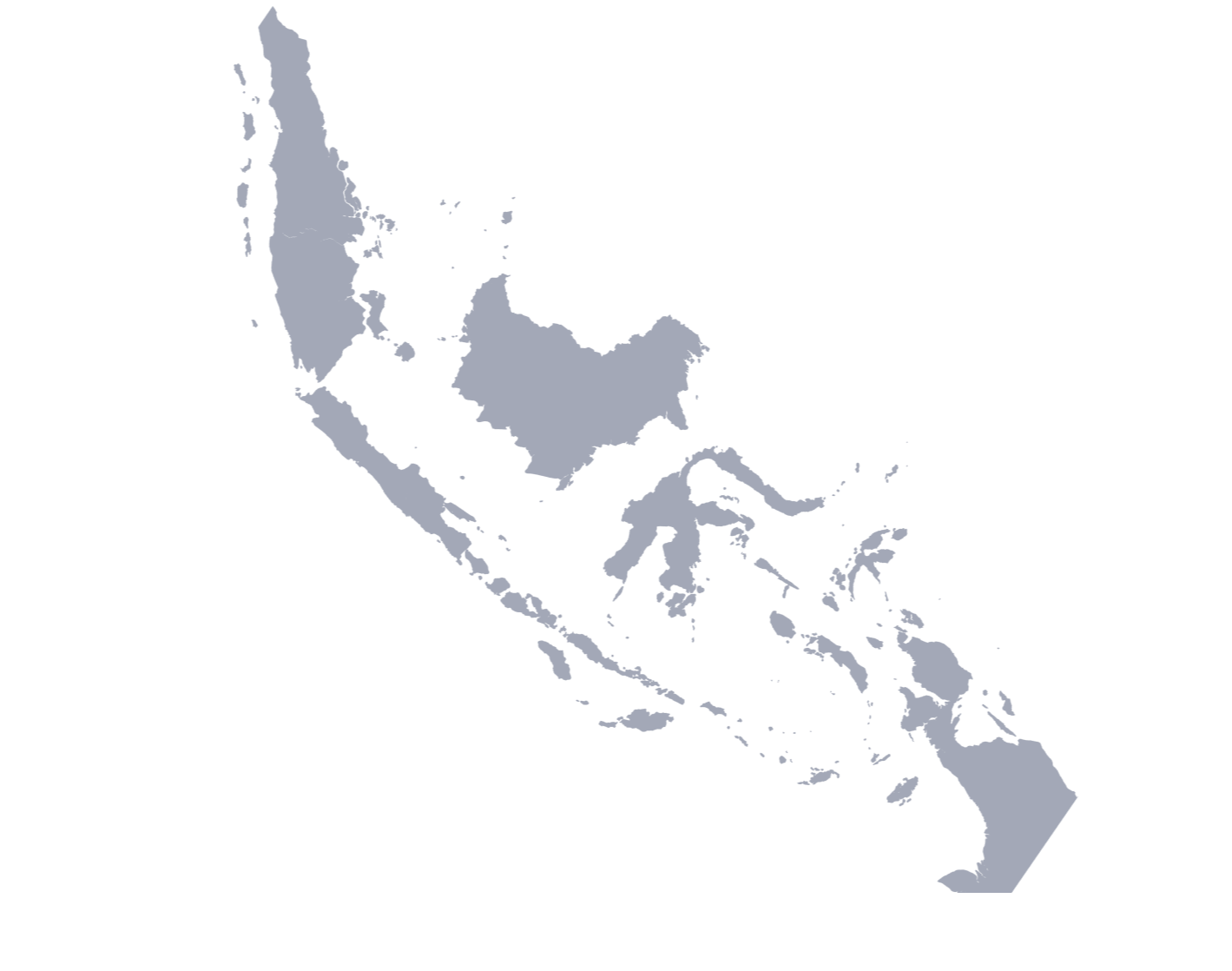
Republic of Indonesia: A large smartphone market with a policy-built assembly base
Indonesia is one of the largest smartphone markets in Southeast Asia by unit volume, with annual shipments running in the tens of millions and a young, mobile-first consumer base. The market is dominated by Android devices in the mid- and entry-price tiers, with Apple holding a meaningful premium share that has shifted upward over the last decade.
Local assembly was substantially induced by the 2017 TKDN regime requiring 30%+ local content for 4G smartphones. Within a few years of the rule, Samsung, Oppo, Vivo, Xiaomi, and Realme had established or expanded assembly operations in Cikarang and surrounding industrial estates; domestic brands and EMS partners filled in additional capacity at lower price points.
Operator structure is concentrated. A small number of large facilities — OEM captive plants, EMS partners, and domestic-brand factories — account for most unit volume. Smaller specialty operators handle two-way radio for B2G customers, broadcast transmission equipment, IoT modules, and antenna manufacturing.
Cikarang–Karawang–Bekasi is the manufacturing heartland for almost the entire industry. Co-located component suppliers, well-developed logistics, and skilled electronics workforce make this corridor the only realistic location for scale assembly. Operations outside this corridor are typically smaller specialty or B2G manufacturers.
Hyperlocalization: industrial corridor concentration, not dispersed manufacturing
The Cikarang–Karawang–Bekasi industrial corridor in West Java is where almost all scale KBLI 2632 manufacturing happens. Industrial estates (MM2100, Jababeka, EJIP, KIIC, Suryacipta, Greenland International Industrial Center) host smartphone OEM assembly plants, EMS partners, and component manufacturers. Co-location with automotive, FMCG, and other electronics manufacturers creates a deep shared supply ecosystem.
Surabaya, Pasuruan, and the Surabaya–Sidoarjo corridor host smaller electronics manufacturing activity, particularly for domestic brands like Polytron (Kudus base) and selected EMS operations. East Java is meaningful but smaller than West Java in this category.
Batam Free Trade Zone hosts selected electronics manufacturing for export and selected smartphone components, with a tax-incentive regime that competes with Vietnam's industrial-park economics. Batam is part of the Indonesian manufacturing answer to Vietnam's electronics export base, though Cikarang dominates domestic-market assembly.
Opportunities beyond smartphone assembly: B2G, broadcast, IoT, and component depth
The smartphone assembly story is the headline of KBLI 2632, but the more interesting growth pockets sit beyond it. B2G two-way radio and communication equipment for police, fire, maritime, defense, and broadcasting carries higher margins, longer product cycles, and stickier customer relationships than smartphone OEM assembly. Local manufacturers (Polytron, PT INTI, selected defense electronics) compete here with imported product on TKDN and government procurement integrity.
IoT and M2M module manufacturing is an emerging growth pocket as Indonesian enterprises deploy connected sensors for fleet, smart metering, smart agriculture, and smart manufacturing. Module manufacturing is design-led and capability-intensive — different economics from smartphone assembly.
Component depth — PCBs, batteries, displays, RF components, antennas, plastic and metal casings — is the long-run TKDN deepening question. To date, Indonesian content tends to be plastic injection, packaging, and software/services rather than meaningful component manufacturing. Policy direction on TKDN deepening would change this materially.
China + 1 smartphone OEM diversification potentially expanding Indonesian assembly capacity against Vietnam and India competition
5G device certification and TKDN compliance for next-generation smartphones creating product-cycle investment
B2G radio communication equipment demand from police, fire, maritime, defense modernization programs
IoT and M2M module manufacturing for fleet, smart metering, smart agriculture deployments
Component manufacturing depth (PCBs, batteries, antennas, RF) as the long-run TKDN deepening question
Battery manufacturing tied to electric vehicle (EV) industrial policy with potential spillover into electronics
Distribution realities: imports in, assembly here, distribution out
Inbound logistics is dominated by component imports through Tanjung Priok, with most PCBA, displays, batteries, sensors, and integrated circuits originating from China, Korea, Vietnam, and Taiwan. Cikarang–Karawang's proximity to Tanjung Priok is a real structural advantage — inland trucking distance is short and lead times are manageable.
Assembly is mostly captive-plant SMT (Surface Mount Technology) lines and final assembly, with quality control, packaging, and ISPM-15-treated wooden packaging (covered under KBLI 1623) for distribution. Plant size ranges from large OEM captive facilities to mid-tier EMS operations to smaller specialty manufacturing.
Outbound distribution flows to operator retail channels (Erafone, iBox), modern retail (electronics chains, hypermarkets), e-commerce platforms (Tokopedia, Shopee, Blibli, Lazada), and the long tail of independent counters. Most smartphone distribution is concentrated in tier-1 and tier-2 cities, but a meaningful share reaches tier-3 and rural through distributor networks.
Co-located in Cikarang-Karawang industrial corridor — component supply ecosystem, logistics, and workforce make this the only realistic location for scale assembly
Manage component import logistics carefully — FX exposure and shipping lead times are real cost variables, especially during component shortages
Build TKDN compliance documentation discipline — Kominfo and Kementerian Perindustrian audits are real and ongoing
Distribution strategy must align with OEM channel relationships — Samsung Experience Stores, Oppo own channels, Vivo retail networks, etc.
Industry Definition
What is KBLI 2632, and where does the boundary sit?
Industry Definition
KBLI 2632 covers the manufacture of communication equipment, primarily wireless: smartphones and mobile phones, two-way radio transceivers, antennas, base station equipment for cellular networks, broadcast transmission equipment (TV, radio), wireless local area network (WLAN) equipment, IoT and M2M modules, and selected satellite communication equipment.
Excluded: manufacture of computers and peripherals (KBLI 2620), consumer electronics like TVs and audio equipment (KBLI 2640), wired telecom equipment such as routers and switches (largely under 2630), batteries (different KBLI), and semiconductors and integrated circuits (KBLI 2610). Wholesale and retail sit under Division 46 and 47 codes; telecom service provision under Section J.
The clarifying test is function: if the equipment exists to enable wireless communication (whether handset or network-side), it sits in 2632 regardless of customer segment.
Indonesia in Focus
In Indonesia, KBLI 2632 was substantially built by the 2017 TKDN regime requiring local content for 4G smartphones. The rule converted Indonesia from a pure import market to a meaningful assembly base, with Samsung, Oppo, Vivo, Xiaomi, Realme establishing or expanding assembly operations in Cikarang.
Beyond smartphones, the industry includes two-way radio for B2G customers (police, fire, maritime, defense), broadcast transmission, IoT/M2M modules, and selected RF/antenna manufacturing. Domestic brands (Polytron, Advan, Evercoss) handle the entry tier and selected B2G manufacturing.
TKDN compliance is the architectural rule — it determines what gets manufactured locally, how value is added, and which markets operators can sell into. Kominfo type-approval and Kementerian Perindustrian TKDN certification are the gating compliance items.
Industry Classification
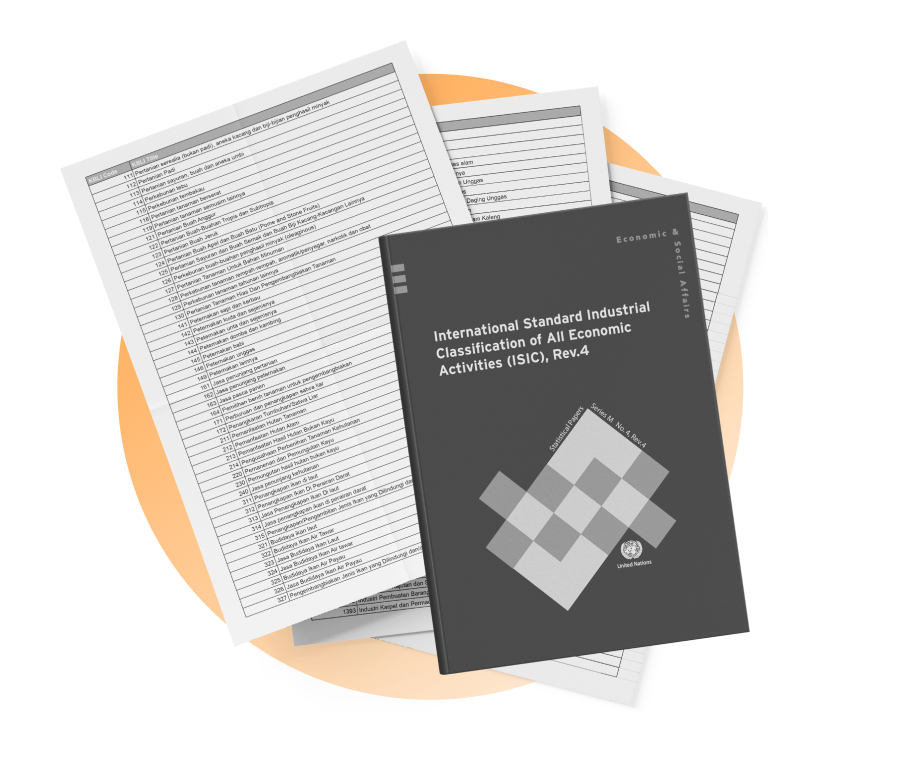
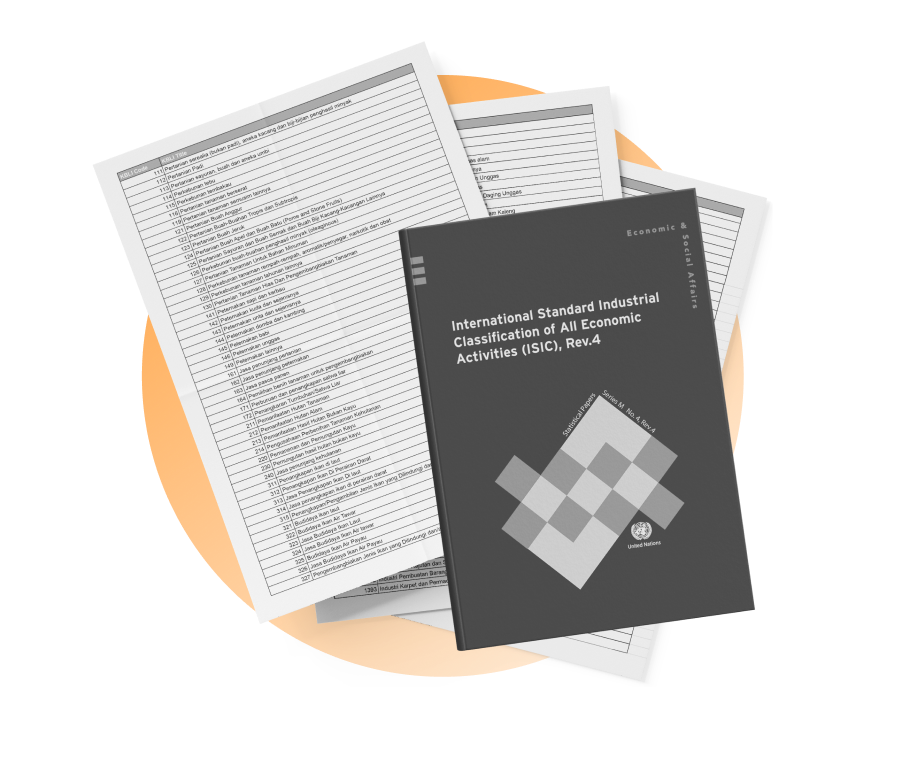
KBLI 2632 (2020 revision) — Industri Peralatan Komunikasi — covers manufacture of communication equipment including telecommunication apparatus, broadcasting equipment, antennas, and wireless devices.
Closest ISIC mapping: ISIC Rev.4 2630 — Manufacture of communication equipment. Indonesian KBLI is at the four-digit refinement level.
NAICS comparable: 334220 (Radio and Television Broadcasting and Wireless Communications Equipment Manufacturing) and 334290 (Other Communications Equipment Manufacturing); Indonesian KBLI consolidates these.
Operators may overlap with KBLI 2620 (computer manufacturing), 2640 (consumer electronics), and 2610 (electronic components) when integrated.
Industry Terms that actually matter
The vocabulary below shapes pricing, compliance, and customer fit in Indonesia's wireless equipment manufacturing context.
TKDN (Tingkat Komponen Dalam Negeri)
Local content level (percentage) required for products to be legally sold in Indonesia or to qualify for government procurement.
The single most consequential rule in KBLI 2632. The 30%+ TKDN requirement for 4G smartphones substantially built Indonesia's smartphone assembly base.
Postel / Kominfo type approval
Mandatory pre-market type approval for telecommunications equipment under Kominfo.
Equipment cannot legally be sold or operated in Indonesia without type approval; gates market access regardless of other compliance.
EMS (Electronics Manufacturing Services)
Contract manufacturer providing assembly and related services to OEM customers.
Several Indonesian KBLI 2632 operators are EMS providers (PT Sat Nusapersada, others) running production for global OEMs.
PCBA (Printed Circuit Board Assembly)
PCB with mounted electronic components; key sub-assembly in smartphone and electronics manufacturing.
Most PCBA is imported into Indonesia from China/Korea/Vietnam; local PCBA capability is a TKDN deepening question.
SMT (Surface Mount Technology)
Manufacturing process for placing components on PCBs using automated pick-and-place machines.
Defines the capital intensity and capability profile of an assembly plant; meaningful SMT investment exists in larger Cikarang facilities.
Cikarang–Karawang industrial corridor
West Java industrial corridor hosting most Indonesian electronics manufacturing, including industrial estates MM2100, Jababeka, EJIP, KIIC, Suryacipta.
The only realistic location for scale KBLI 2632 manufacturing due to component supply ecosystem, logistics, and workforce.
Postel registration / IMEI registration
Indonesian mandatory IMEI registration for all mobile devices sold; locally assembled devices have streamlined IMEI registration.
Affects market access for both domestic-manufactured and imported devices; non-registered devices are blocked from cellular networks.
Bea Cukai BMDTP and tax facilities
Customs duty reduction (BMDTP) and tax facility programs incentivizing domestic manufacturing.
Material economic incentive for OEMs to assemble locally; reduces effective component import cost.
ESDM and Kemenkomarves
Ministry of Energy and Mineral Resources and Coordinating Ministry of Maritime Affairs and Investment — relevant for component policy including battery and rare earth materials.
Indonesian downstream policy (battery, nickel, EV-electronics) creates spillover implications for wireless equipment component depth.
Industry Overview – Business Archetypes
KBLI 2632 hosts a small number of distinct operating archetypes built around different business models — captive OEM assembly, EMS contract manufacturing, domestic-brand manufacturing, and B2G specialty manufacturing. The archetypes share the code but not the business.
OEM Captive Smartphone Assembly Plant (Ecosystem Anchor)
Smartphone OEM (Samsung, Oppo, Vivo, Xiaomi, Realme) operates a captive assembly plant in Cikarang to satisfy TKDN requirements and retain Indonesian market access. The plant integrates imported PCBA, displays, batteries, and casings into finished devices; TKDN is met through plastic injection, packaging, software, and aftermarket service value-add.
Operating model is contract-style — the local entity assembles for the parent OEM at cost-plus or transfer pricing. Production volume tracks Indonesian market demand for the OEM brand.
Transfer pricing or cost-plus arrangement with parent OEM for assembly services
Operational scale economies within the OEM brand's Indonesian distribution
Tax facilities (BMDTP), TKDN compliance privileges, and customs efficiency benefits
Capital-intensive at setup (SMT lines, cleanroom facilities, quality systems) but ongoing capex is moderate
Workforce concentration in Cikarang–Karawang industrial corridor
Brand and design IP sit with parent OEM, not the local entity
Domestic-Brand Smartphone Manufacturer (Bridge Model)
Indonesian-brand or Indonesian-controlled manufacturer producing smartphones, often using semi-knockdown (SKD) imports and locally-sourced casings, accessories, and packaging. Examples include Polytron, Advan, Evercoss, Mito, with varying scale and product positioning.
Competes on entry-tier price point, local distribution relationships, and government procurement (Bantuan/Education program devices). TKDN compliance is structural — domestic brands designed around TKDN.
Margin on entry-tier smartphone sales through Indonesian retail and e-commerce
Government procurement contracts (educational tablets, government program devices)
Adjacent products including IoT, basic accessories, and selected consumer electronics
Lower scale than OEM captive plants; serves price-sensitive market segment
Vulnerable to Samsung/Chinese OEM entry-tier competition
Brand-building investment is meaningful but constrained by marketing budget vs international OEM marketing
EMS Contract Manufacturer (Bridge Model)
Electronics manufacturing services provider running contract assembly for global OEM customers without owning brand or design IP. PT Sat Nusapersada is the most visible example, with reported assembly work for major global OEMs.
Competes on operational capability, quality systems, and customer relationships. Order flow depends on OEM sourcing decisions and global supply-chain dynamics (China + 1 diversification).
Manufacturing services fee per unit assembled under OEM contracts
Engineering and integration services for OEM customers
Selected own-brand or local-customer manufacturing alongside OEM contracts
Capital-intensive on SMT and assembly equipment; capacity utilization is critical to margin
Customer concentration risk — losing an OEM contract can erase capacity utilization overnight
Capability-led — quality systems, engineering, and ramp-up speed differentiate
B2G Two-Way Radio and Specialty Communication Manufacturer (Specialist Operator)
Manufactures two-way radio transceivers, broadcast transmission equipment, antennas, and specialty wireless equipment for government, defense, maritime, broadcasting, and selected industrial customers. PT INTI (Industri Telekomunikasi Indonesia), defense electronics manufacturers, and selected private companies operate here.
Higher-margin and longer product cycles than smartphone assembly; customer relationships are multi-year and contract-led. Government procurement integrity rules and TKDN matter heavily.
Government and defense procurement contracts with TKDN preference
Broadcast equipment sales to TV and radio operators
Maritime and industrial radio communication equipment
After-sales service and maintenance contracts
Lower volume but higher margin than smartphone assembly
Capability-intensive — RF engineering, antenna design, and certification expertise matter
Procurement cycles tied to government budgets and defense modernization programs
IoT, M2M, and Module Manufacturer (Niche Specialist)
Emerging segment producing IoT modules, M2M devices, smart meters, and selected RF modules for enterprise and government deployments. Smaller scale than smartphone assembly but more design-led.
Demand driven by enterprise digitization, smart city programs, fleet management, smart metering by PLN, and smart agriculture. Often partners with telco operators on connectivity and platform integration.
Per-module sales to enterprise customers and integrators
Project-volume sales for smart-city, smart-metering, and industrial IoT deployments
Engineering and integration services
Capability-intensive — design, firmware, and integration matter more than scale
Customer relationships are project-driven and long-cycle
Strong fit for partnerships with telcos, IoT platform providers, and system integrators
Industry Performance & Outlook
TKDN-anchored steady volume, global supply chain diversification opportunity, and 5G device cycle ahead
Headline KBLI 2632 performance tracks Indonesian smartphone unit volume — tens of millions of units per year — which is in turn driven by population, replacement cycles, and the relative competitiveness of Android entry/mid tier devices. Volume is moderating from the pandemic-era surge but remains structurally large. ARPU per device has been rising as consumers shift up the price tier, particularly toward mid-tier Android and selected premium devices.
TKDN compliance has anchored assembly capacity in Indonesia. Major OEMs would otherwise import finished devices, but the rule has structurally tied production to the market. Compliance discipline, periodic TKDN audit cycles, and product certification under Kominfo determine which OEMs can sell which models.
Two structural shifts are real. Global smartphone supply-chain diversification (China + 1 manufacturing strategy by major OEMs) creates potential expansion opportunity for Indonesian assembly capacity — though Vietnam and India are stronger candidates for most OEMs' diversification. 5G device cycle is rolling forward as 5G coverage extends, with device certification and TKDN re-evaluation accompanying it.
Outlook drivers over the next 24–36 months: TKDN policy direction (deepening vs broadening), 5G device cycle and certification, global supply-chain diversification choices by major OEMs, smartphone replacement-cycle dynamics, and selected B2G and IoT manufacturing growth pockets.
Performance indicators that matter for KBLI 2632
Indonesian smartphone unit shipments
Headline industry volume driver
Tens of millions annually; moderating from pandemic surge; replacement cycles drive incremental volume
TKDN compliance audit cycles and policy updates
Structural rule shaping local manufacturing
30%+ for 4G smartphones; 5G device rules and selected categories under active policy discussion
Global smartphone OEM China + 1 diversification announcements
Capacity expansion opportunity for Indonesia
Indonesia competes with Vietnam and India; structural advantages and disadvantages on each axis
Component import logistics and FX volatility
Cost-side pressure on assembly margin
Most components imported from China/Korea/Vietnam; FX and shipping disruption matter
Smartphone ASP (average selling price) in Indonesia
Revenue per device and product mix indicator
ASP rising as consumers shift up price tier; mid-tier Android is largest segment
B2G procurement budgets (defense, police, broadcasting)
B2G specialty manufacturing demand
Multi-year cycles tied to government modernization programs
Outlook: what to watch over the next 24–36 months
TKDN policy direction — deepening (component manufacturing, design, R&D) versus broadening (more categories) is the central policy choice
5G device certification and TKDN application to 5G smartphones
Global smartphone OEM diversification — whether Indonesia captures more assembly versus Vietnam and India
Component supply chain disruptions and FX volatility affecting assembly margin
B2G procurement cycles (defense electronics, police communication, broadcast modernization)
IoT and M2M module manufacturing growth tied to smart-city, smart-metering, smart-agriculture deployments
Industry Growth Drivers
Growth drivers in KBLI 2632 are partly market-driven and partly policy-driven. The drivers below are the ones with material effect on operator volume and margin in the Indonesian context.
TKDN policy continuity and potential deepening
TKDN is the most consequential structural driver. Continued enforcement preserves Indonesia's assembly base; potential deepening (raising thresholds, requiring component manufacturing) could expand the depth of local industry.
Operators that anticipate and invest ahead of TKDN deepening — in component manufacturing, design, software value — are positioned for the next phase. Those that meet TKDN only through plastic and packaging are exposed if rules tighten.
Kementerian Perindustrian TKDN regulation updates
Kominfo type approval policy on 5G and emerging device categories
Global smartphone supply-chain diversification (China + 1)
Major global smartphone OEMs are diversifying manufacturing away from China for resilience, cost, and geopolitical reasons. Indonesia competes with Vietnam, India, and others for this capacity. Where Indonesia wins, it gains assembly volume; where it loses, it stays at current scale.
Indonesia's advantages include large domestic market (provides volume floor), industrial-corridor maturity in Cikarang, and TKDN-anchored buyer commitment. Disadvantages versus Vietnam include slower logistics, less component depth, and less specialized free-trade infrastructure.
Major smartphone OEM manufacturing announcements (Apple, Samsung, Xiaomi)
BKPM investment data on electronics manufacturing
5G device cycle and certification
5G smartphone adoption is expanding as 5G coverage extends in Indonesia. New devices require Kominfo type approval and TKDN compliance, creating product-cycle investment in design, certification, and tooling.
Operators that build 5G manufacturing capability early gain product mix benefits as 5G shifts toward mass-market price tiers. Those that lag remain stuck at 4G product cycles.
5G coverage rollout by Indonesian operators
Kominfo 5G device certification announcements
Smartphone replacement cycles and ASP shift up
Indonesian smartphone unit growth is moderating, but ASP is rising as consumers shift up price tiers. The mid-tier ($150–$300) is the largest segment and benefits from Indonesian assembly cost structure. Premium tier ($500+) generates higher value per unit even at lower volume.
Operators that align product mix with ASP-shift trends and manage replacement cycles (trade-in programs, financing partnerships with banks) capture more value than those competing only at entry tier.
IDC and Canalys Indonesian smartphone shipment data
Operator quarterly disclosures on price tier mix
B2G and defense electronics modernization
Indonesian government modernization programs (defense, police, fire, maritime, broadcasting) generate B2G demand for two-way radio, communication equipment, antennas, and broadcast systems. Domestic manufacturers with TKDN preference benefit from procurement program economics.
Cycles are lumpy but high-margin; operators with B2G capability and procurement integrity history can capture multi-year programs.
Defense modernization budget and procurement announcements (Kemhan)
Police, fire, and maritime communication modernization programs
IoT, M2M, and smart-city manufacturing demand
Enterprise IoT, smart-city programs, smart metering by PLN, fleet management, and smart agriculture all generate demand for connected modules and devices. Module manufacturing is design-led and capability-intensive — different economics from smartphone assembly.
Module manufacturing also creates opportunity for component depth investment that contributes to long-run TKDN deepening narrative.
PLN smart metering and AMI deployment announcements
Smart-city program announcements (DKI Jakarta, Bandung, IKN)
Industry Trends & Development
Industry Development: how the channel reached its current shape
Policy-built industry: from pure-import era to TKDN-anchored assembly base
KBLI 2632 evolved through four structural shifts: the pre-TKDN pure-import era, the 2017 TKDN regulation that forced smartphone OEMs to localize, the 4G smartphone capacity buildout in Cikarang and surrounding industrial estates, and the more recent global supply-chain diversification and 5G device cycle.
Each shift was substantially driven by policy choice rather than market dynamics — TKDN's introduction was the single most consequential event, with everything else flowing from it.
Pre-TKDN era: import-dominated market
Indonesian smartphone market grew rapidly with finished-device imports from China, Korea, and other manufacturing bases. Limited local manufacturing existed (Polytron and domestic brands; smaller specialty radio manufacturers). Cikarang–Karawang industrial corridor existed for other electronics but not for smartphone scale.
TKDN regulation introduction and OEM localization decisions
Kementerian Perindustrian introduced TKDN rules requiring 20%+ then 30%+ local content for 4G smartphones. Global OEMs (Samsung first, then Oppo, Vivo, Xiaomi) decided to establish or expand Indonesian assembly to retain market access. Initial capacity buildout in Cikarang industrial estates.
Capacity scale-up and smartphone OEM assembly maturation
Major OEMs scaled assembly capacity in Cikarang–Karawang. EMS partners (Sat Nusapersada and others) expanded contract manufacturing. Domestic brands (Polytron, Advan, Evercoss) continued operations at entry tier. TKDN compliance discipline matured.
Pandemic supply shocks and component shortage navigation
Global component shortages (chips, displays) tested Indonesian assembly resilience. Lockdown-era smartphone demand surged as remote work and online learning expanded. Cikarang plants navigated FX volatility and shipping disruptions. EMS interest in China + 1 diversification began visible expansion.
5G device cycle, global diversification, IoT growth
5G device certification and TKDN application to 5G rolling forward. Global supply-chain diversification announcements visible (Apple expansion considerations, others). IoT and M2M module manufacturing emerging as growth pocket. Defense modernization B2G demand sustaining specialty manufacturing.
Key Trends — what's changing in the business model
The trends below are changing how money is actually made in KBLI 2632 — shifts inside specific Business Model Canvas dimensions rather than macro narratives.
TKDN deepening as the central strategic question (Key Activities)
TKDN compliance through plastic injection, packaging, and software/services value has anchored Indonesian smartphone assembly. The next strategic question is whether TKDN deepens into component manufacturing, design, and R&D — and whether operators invest ahead of that policy direction.
Operators that build component depth (PCBA, batteries, antennas, RF) are positioned for TKDN deepening; those that meet TKDN at the minimum face exposure if rules tighten.
All KBLI 2632 operators and OEM principals
Kementerian Perindustrian and Kominfo policy teams
Component manufacturers and EMS providers
Global supply-chain diversification reshaping investment competition (Customer Segments)
Major smartphone OEMs are diversifying manufacturing for resilience and geopolitical reasons. Indonesia competes with Vietnam and India for this capacity. Where Indonesia wins, it gains assembly volume; where it loses, it stays at current scale.
Indonesian advantages — large domestic market, Cikarang maturity, TKDN anchor — are real but balanced by Vietnamese logistics and component depth advantages.
Major global smartphone OEMs (Samsung, Apple, Xiaomi, Vivo, Oppo)
Indonesian assembly operators and EMS providers
BKPM and BKPM-Kementerian Perindustrian investment promotion teams
5G device cycle and certification investment (Key Resources)
5G smartphone adoption is expanding as 5G coverage extends. New devices require certification, TKDN compliance, and assembly tooling investment. Operators that build 5G manufacturing capability early gain product mix benefits as 5G shifts toward mass market.
5G also creates opportunity in network-side equipment (small cells, antennas, RF components) where TKDN positioning is policy-relevant.
Smartphone OEMs and Indonesian assembly partners
Mobile network operators rolling out 5G
Network equipment vendors and TKDN compliance teams
Smartphone ASP shift up and product mix evolution (Revenue Streams)
Indonesian consumers are shifting up price tiers — mid-tier Android ($150–$300) is now the largest segment, with premium ($500+) growing. Operators that align product mix with ASP trends and manage replacement cycles capture more value per consumer.
Trade-in programs, financing partnerships with banks, and bundled accessories increase per-customer revenue.
Smartphone OEMs and assembly partners
Banks and multi-finance companies offering device financing
Indonesian consumers buying up the price tier
B2G specialty manufacturing capability investment (Key Activities)
Defense, police, maritime, and broadcasting modernization programs generate higher-margin specialty manufacturing demand. Operators with B2G capability, TKDN credentials, and procurement integrity history capture multi-year programs.
This is structurally different from smartphone assembly — engineering-led, contract-anchored, less capacity-sensitive.
B2G specialty manufacturers (PT INTI, Polytron, defense electronics)
Government procurement bodies (Kemhan, Polri, Kemenkominfo)
Broadcast operators and maritime authorities
IoT and M2M module manufacturing emergence (Value Proposition)
IoT and M2M module manufacturing is emerging as a growth pocket aligned with Indonesian enterprise digitization, smart city programs, and PLN smart metering. Module manufacturing is design-led, capability-intensive, and higher-margin than smartphone assembly.
Operators that build IoT capability also create component-depth investment that contributes to long-run TKDN deepening.
IoT module manufacturers and EMS providers
Telco operators and IoT platform providers
Smart-city and smart-metering program teams
Impact and Sustainability
Sustainability in KBLI 2632 is material because the industry sits at the intersection of industrial policy, e-waste management, and downstream manufacturing depth. The next round of sustainability questions is about TKDN deepening durability, e-waste, and supply-chain ethics.
Industrial policy and downstream manufacturing depth
TKDN has built Indonesia's smartphone assembly base; whether it deepens into component manufacturing, design, and R&D will determine long-run economic contribution. Assembly creates jobs and tax revenue; component manufacturing creates higher-value-add activity and capability spillovers.
Policy durability matters — frequent TKDN regulation revisions create investment uncertainty and slow capability deepening.
TKDN deepening requires sustained investment but yields higher long-run economic value
Frequent policy revisions create investment uncertainty and slow deepening progress
E-waste and circular electronics
Smartphone replacement cycles generate substantial e-waste. Indonesia's formal e-waste handling infrastructure is limited; most discarded devices flow through informal channels with environmental and worker-safety implications.
OEM take-back programs, refurbishment ecosystems, and circular-electronics policies are growing but early-stage. Building this capability is part of the long-run sustainability story for the industry.
Formal e-waste infrastructure is real cost without immediate revenue but increasingly important for ESG positioning
Refurbishment markets create circular-economy value but compete with new-device sales
Supply-chain ethics and conflict-minerals due diligence
Smartphone manufacturing supply chains include conflict-minerals (tantalum, tin, tungsten, gold) and labor-rights considerations across the upstream supply chain. Global OEMs face increasing scrutiny on supply-chain ethics; Indonesian assembly operations are part of that scrutiny.
Operators with mature supply-chain ethics programs and traceability are better-positioned for the long run than those treating it as a compliance afterthought.
Supply-chain ethics investment adds cost but reduces reputational and regulatory risk
Smaller operators face disproportionate compliance burden compared to global OEMs with dedicated programs
Industry Segmentation
Industry Segmentation – Product categories
Product segmentation in KBLI 2632 follows device type and customer segment logic. Smartphones dominate volume; B2G specialty and IoT modules carry higher margin; broadcast and selected RF/antenna manufacturing form distinct niches.
Segmentation by product category
Smartphone and mobile device assembly
4G/5G smartphone and mobile device manufacturing/assembly for consumer market
OEM brand owners (Samsung, Oppo, Vivo, Xiaomi, Realme) and domestic brands
Dominant volume category; substantially built by TKDN regime
Two-way radio transceivers
Handheld and base-station two-way radio for police, fire, maritime, defense, industrial
Government (Kemhan, Polri, KKP, BAKAMLA), maritime industry, mining, security
B2G specialty segment with TKDN preference and government procurement integrity
Broadcast transmission equipment
TV and radio broadcast transmitters, encoders, and selected studio equipment
TV networks (private and public TVRI), radio broadcasters
Specialty segment tied to broadcast operator capex cycles and digital TV migration
Antennas and RF components
Antennas, RF filters, RF modules for telecom, broadcast, defense applications
Telecom operators, TowerCos, broadcast operators, defense, IoT platform providers
Specialty manufacturing requiring RF engineering capability; component-depth opportunity
Base station and small-cell equipment
Cellular base station equipment and small-cell components for telecom networks
Telecom operators (Telkomsel, IOH, XL, Smartfren), TowerCos
Smaller scale than global RAN vendors; selected components and integration
IoT and M2M modules
Cellular and short-range wireless modules for IoT devices, smart meters, fleet management
Industrial buyers, smart-city programs, PLN, fleet operators
Emerging growth segment aligned with Indonesian enterprise digitization
Satellite communication equipment
VSAT terminals, satellite phones, maritime satellite communication equipment
Maritime, oil and gas, government, remote-area operators
Niche specialty segment with selected domestic manufacturing
Wireless LAN and short-range equipment
Wi-Fi access points, Bluetooth devices, selected short-range wireless equipment
Enterprise IT, consumer electronics, telco operators
Smaller domestic manufacturing share; mostly imported finished products
Volume concentrates in smartphone assembly; value concentrates in B2G specialty and IoT modules; component depth is the long-run TKDN deepening question.
Many operators serve multiple segments — large EMS providers run smartphone contract assembly alongside selected B2G or IoT contracts.
Industry Segmentation – Operating model and OEM relationship
Beyond product, KBLI 2632 segments meaningfully by operating model and OEM relationship. The split below predicts capital intensity, customer concentration, and competitive moat.
Segmentation by operating model and OEM relationship
OEM captive assembly plant
Captive Indonesian subsidiary of global smartphone OEM running assembly for parent
Parent OEM (Samsung, Oppo, Vivo, Xiaomi, Realme)
Most direct route to TKDN compliance and Indonesian market access
Domestic-brand manufacturer
Indonesian-brand or Indonesian-controlled manufacturer producing smartphones and consumer electronics
Domestic retail and e-commerce channels, government procurement
Targets entry-tier price points and government program demand
EMS contract manufacturer
Contract electronics manufacturing services for global OEM customers
Global OEMs sourcing assembly capacity
Provides flexible capacity without OEM capex commitment; benefits from China + 1 diversification
B2G specialty manufacturer
Specialty manufacturer for two-way radio, broadcast, defense electronics
Government, defense, maritime, broadcasting customers
Higher-margin segment with TKDN preference and procurement integrity
IoT and M2M module manufacturer
Manufacturer producing IoT modules and M2M devices for enterprise and government
Enterprise buyers, smart-city programs, telco operators
Design-led capability for emerging digitization demand
Antenna and RF specialty manufacturer
RF and antenna specialist producing components for telecom, broadcast, defense
Telecom operators, broadcast, defense, IoT platform providers
Requires RF engineering capability; potential component-depth opportunity
These segments are not mutually exclusive — larger EMS providers and domestic brands often serve multiple segments.
The segmentation predicts capital intensity (OEM captive and EMS are heaviest; B2G specialty and IoT are capability-heavy but capital-lighter).
Customer Segmentation: who actually buys and what they need
Customer segmentation matters because the same wireless equipment is sold under very different terms to very different buyers. A global smartphone OEM, a defense procurement agency, an enterprise IoT buyer, and a government TKDN compliance auditor each behave differently.
Customer segments and what they value
Global smartphone OEM (Samsung, Oppo, Vivo, Xiaomi)
Brand owner with global manufacturing base seeking Indonesian assembly to satisfy TKDN and serve market
Maintain Indonesian market access with cost-efficient local assembly
Reliable assembly capability, TKDN compliance, quality systems, ramp-up speed, tax facilities
Captive subsidiary, EMS contract manufacturing, BKPM-mediated investment
Domestic smartphone brand and retailer
Indonesian-brand operator serving entry-tier and government program demand
Source entry-tier devices with TKDN compliance for domestic and government channels
Cost-efficient assembly, ODM partnerships, TKDN credentials, channel relationships
ODM partners in China, EMS partners in Indonesia, owned brand manufacturing
Defense and security procurement
Kementerian Pertahanan (Kemhan), Polri, BAKAMLA, military service procurement teams
Procure two-way radio, defense electronics, communication equipment with TKDN preference
Procurement integrity, TKDN credentials, multi-year contracts, after-sales service, security clearance
Government tender (LKPP, e-katalog), direct manufacturer engagement, defense procurement processes
Broadcast operators
TV networks (TVRI, private TV chains), radio broadcasters
Procure broadcast transmission equipment for capacity expansion or digital migration
Reliable transmission equipment, after-sales service, training, integration capability
Direct manufacturer engagement, integrator partnerships, government broadcast modernization programs
Telecom operators (RAN and network equipment buyers)
Telkomsel, IOH, XL, Smartfren procurement teams
Procure base station equipment, antennas, RF components for network deployment
Vendor relationship, quality, certification, TKDN positioning
Direct vendor engagement, often through international vendors with local TKDN partnerships
Enterprise IoT and smart-city buyer
Enterprise IT teams, smart-city program teams, PLN smart-metering team
Source IoT modules and connected devices for digitization deployments
Module reliability, connectivity options, integration with platform, certification, support
Direct manufacturer engagement, telco-operator partnerships, system integrators
Maritime and offshore operator
Shipping companies, oil and gas operators, maritime authorities
Procure satellite communication, maritime radio, offshore communication equipment
Reliable communication in remote/maritime environment, regulatory compliance, after-sales
Direct manufacturer engagement, satellite operator partnerships, government maritime programs
Key Players
Ecosystem Mapping: core, extension, and enabling actors
KBLI 2632 sits inside a layered ecosystem from component supply through assembly to retail. Core manufacturers depend on extension actors for components, distribution, and after-sales, and on enabling actors for regulation, finance, and skilled workforce.
Core — wireless communication equipment manufacturers and assemblers
Primary value creators in KBLI 2632: operators that take components and integrate them into finished wireless communication equipment.
OEM captive smartphone assembly plants (Samsung Electronics Indonesia, Oppo Indonesia, Vivo Mobile Indonesia, Xiaomi local partner, Realme partner)
Domestic smartphone brands (Polytron, Advan, Evercoss, Mito)
EMS contract manufacturers (PT Sat Nusapersada, PT Hartono Istana Teknologi)
B2G specialty manufacturers (PT INTI, defense electronics manufacturers)
IoT and M2M module manufacturers
Antenna and RF specialty manufacturers
Extension — component suppliers, distribution, retail, after-sales
Actors extending manufacturer reach — providing components, distribution, retail, and after-sales support.
Component importers (PCBA, displays, batteries, sensors, ICs from China, Korea, Vietnam)
Local component suppliers (plastic injection, packaging, selected casings)
Logistics and freight forwarders managing component import
Distributors and retailers (Erafone, iBox, Samsung Experience Stores, Oppo retail networks)
E-commerce platforms (Tokopedia, Shopee, Blibli, Lazada)
After-sales service centers (operator-owned and authorized partners)
Enabling — regulators, finance, knowledge, infrastructure
Actors that do not manufacture but make the channel possible — regulation, capital, workforce, and infrastructure.
Kementerian Perindustrian administering TKDN policy
Kominfo administering type approval and IMEI registration
BKPM coordinating investment incentives and BMDTP
Bea Cukai (Customs) managing component import documentation
Industrial estate operators (Jababeka, MM2100, EJIP, KIIC, Suryacipta, Greenland)
Banks, multifinance, and capital markets supporting operator and EMS finance
Vocational schools and engineering universities supplying electronics workforce
Industry associations and OEM-supplier groups
How value flows across the ecosystem
Component value flows from international suppliers (China, Korea, Vietnam, Taiwan) through Tanjung Priok to Cikarang assembly plants. Plants integrate components, meet TKDN through local value-add, and ship finished devices to distribution channels.
Financial value flows in the reverse direction — retailers and operators pay distributors; distributors pay OEMs; OEMs pay assembly operators (often via transfer pricing); operators pay component suppliers. Working-capital lags accumulate at each step.
Regulatory signals flow downward from Kementerian Perindustrian, Kominfo, BKPM through OEMs and operators to product design, manufacturing, and channel decisions. TKDN policy changes propagate through the entire ecosystem.
Leading Players: who shapes the market and how
Leading players in KBLI 2632 are distributed across global smartphone OEMs running captive Indonesian operations, EMS providers handling contract manufacturing, domestic brands serving entry-tier, and B2G specialty manufacturers. The smartphone assembly tier is the largest by volume; specialty tier is largest by margin.
Leading players — positioning, strengths, and constraints
Samsung Electronics Indonesia
Largest smartphone assembler in Indonesia; flagship OEM captive plant in Cikarang
Scale, deep operational maturity, broad product mix, Samsung global brand and design IP, advanced manufacturing capability
Competition from Chinese OEMs at mid- and entry-tier; consumer brand cycle dynamics; supply-chain dependencies
Oppo Electronics Indonesia
Major smartphone OEM captive plant; strong mid-tier and entry-tier presence
Strong distribution and retail relationships, aggressive marketing, large assembly footprint
Mid-tier competitive intensity; cost pressure; ecosystem dependencies
Vivo Mobile Indonesia
Major smartphone OEM captive plant with strong distribution
Distribution depth, product portfolio across price tiers, parent BBK Electronics ecosystem
Similar competitive pressure to Oppo; differentiation in branding
Xiaomi local assembly partner
Smartphone assembly via local EMS partner relationship
Strong consumer-tech brand, ecosystem-of-products strategy, value-for-money positioning
Dependent on partner manufacturing relationship; intense entry-tier competition
Realme assembly partner
Smartphone assembly via partner relationship; competitive entry-tier and mid-tier positioning
Brand growth, social media marketing, value-for-money positioning
Dependent on partner relationship; competitive entry-tier
PT Sat Nusapersada Tbk (PTSN, IDX-listed)
Major Indonesian EMS provider with reported global OEM contract manufacturing
Established EMS capability, IDX listing visibility, customer relationships
Customer concentration risk on OEM contracts; capacity utilization dependent on global supply-chain decisions
PT Hartono Istana Teknologi (Polytron)
Long-established Indonesian electronics brand with smartphone and consumer electronics manufacturing
Indonesian-brand heritage, broad consumer electronics portfolio, distribution depth, B2G presence
Entry-tier price competition from Chinese OEMs; brand investment vs international OEM marketing budgets
PT INTI (Industri Telekomunikasi Indonesia)
State-owned telecom and electronics manufacturer serving B2G and selected commercial
State-owned status, government procurement relationships, defense electronics capability
Transformation and competitive positioning challenges; capability investment cycles
Advan, Evercoss, Mito and other domestic brands
Entry-tier domestic smartphone brands
Indonesian-brand positioning, government program participation, lower price points
Intense entry-tier competition; brand-build and scale challenges
Selected B2G specialty manufacturers and defense electronics firms
Specialty manufacturers serving defense, police, maritime, broadcasting
B2G procurement relationships, TKDN credentials, capability in specialty applications
Lumpy revenue tied to government cycles; concentrated customer base
How competition typically plays out in this industry
Concentration varies by sub-segment. Smartphone assembly is concentrated among a few OEM captive plants (Samsung, Oppo, Vivo, Xiaomi via partner). Domestic brands operate at entry-tier with smaller scale. EMS contract manufacturing is concentrated among a handful of major providers. B2G specialty is niche with selected operators.
The most durable competitive moats are TKDN compliance discipline, manufacturing operational capability, customer relationship continuity (especially OEM contracts), and selected design and engineering capability. Brand and design IP sit largely with global OEMs, not Indonesian entities.
Substitution competition is real — finished-device imports remain a threat if TKDN enforcement weakens; Vietnamese and Indian assembly bases compete for global OEM diversification capacity; Chinese ODM partners compete with Indonesian EMS for contract manufacturing.
Operating Conditions
Operating Model, Cost Structure, and Competitive Intensity
Operating economics in KBLI 2632 are component-import-, labor-, and TKDN-compliance-heavy. The shape of the cost stack varies by archetype — an OEM captive plant, an EMS contract manufacturer, a domestic brand, and a B2G specialty manufacturer have meaningfully different cost compositions.
Competitive intensity at the industry level is Medium-High overall, with Higher intensity in mid- and entry-tier smartphone assembly and Lower intensity in B2G specialty manufacturing. The Porter assessment below sits alongside the cost structure because the two cannot be read separately.
What creates advantage is rarely cheaper assembly labor — wage differences across credible operators are modest. It is the combination of TKDN compliance maturity, manufacturing operational excellence, customer relationship continuity, and capability depth in specialty segments.
Components and materials (imported and local)
PCBA, displays, batteries, sensors, ICs, casings, plastic injection, packaging, hardware
International component prices from China, Korea, Vietnam, Taiwan
FX rates (USD, CNY, KRW)
Component supply chain disruption events
Local component pricing for plastic injection, packaging
Dominant cost bucket — typically 70%+ of COGS for smartphone assembly
Most components imported; local content is plastic injection, packaging, and software/services
Direct labor
Assembly operators, quality inspection, supervisory staff, engineering
Provincial minimum wage in West Java (Cikarang, Karawang)
Skill premium for SMT operators and engineering staff
Automation level and line balancing
Productivity discipline
Lower share of total cost than in lower-tech industries due to component import dominance
Cikarang–Karawang wage levels are higher than other Indonesian provinces but lower than Vietnam/China for skilled electronics workforce
SMT, equipment, and manufacturing infrastructure
Pick-and-place machines, reflow ovens, automated optical inspection, assembly equipment, cleanroom facilities, IT systems
Equipment vendor contracts (Yamaha, Panasonic, ASM, Universal)
Capex cycle for capacity expansion and modernization
FX exposure on imported equipment
Depreciation cycle
Capital-intensive at setup; ongoing capex is moderate but real
Capacity utilization is the central operational variable — high fixed cost
TKDN compliance and certification
TKDN documentation, certification audits, type approval testing, customs documentation
TKDN audit cycles and renewal
Type approval testing per device model
Documentation systems for component traceability
Compliance team headcount
Material and growing compliance burden
Underestimating TKDN audit overhead is common for newer entrants
Logistics and freight
Inbound component freight, outbound device distribution, port handling, customs clearance
Container shipping rates (volatile)
Component supply chain reliability
Customs clearance speed
Inland trucking and distribution
Cikarang proximity to Tanjung Priok is a real cost advantage
Component supply disruptions hit landed cost and capacity utilization meaningfully
Sales, marketing, and channel support
Brand marketing, distribution channel management, retail support, after-sales service
Marketing campaign intensity (especially mid- and entry-tier)
Channel commission and trade marketing
Retail and modern-retail support
After-sales network coverage
Higher for OEMs with strong brand-build needs (Samsung, Oppo, Vivo)
Lower for B2G specialty manufacturers serving direct procurement
Corporate overhead and engineering capability
Management, finance, engineering, R&D, IT systems, strategic capability investment
Headcount and salary structure
Engineering and R&D investment
ERP and IT systems
Strategic capability building (TKDN deepening, IoT, 5G)
Scale-sensitive; OEM captive plants run more elaborate engineering than EMS
Engineering capability investment is increasingly a differentiator for TKDN deepening
Porter's Five Forces — competitive intensity in KBLI 2632
Threat of new entrants
Low to Medium
Smartphone OEM entry requires brand, design, distribution, and TKDN-compliant assembly — high barriers globally. EMS entry possible but requires capital, capability, and customer relationships. B2G specialty entry requires capability and procurement integrity history.
Bargaining power of customers
High
Global smartphone OEMs (Samsung, Oppo, Vivo, Xiaomi) have very high power as the dominant customers of assembly operations. Government B2G procurement has high power through tender processes. Consumer customers have power through brand-switching.
Bargaining power of suppliers
High
Component suppliers (chips, displays, batteries) have very high structural power — Indonesian assemblers have no leverage on component pricing or supply allocation. FX exposure compounds supplier power.
Threat of substitutes
Medium to High
Imported finished devices remain a substitute if TKDN enforcement weakens. Vietnamese and Indian assembly competes for global OEM diversification capacity. Chinese ODM partners substitute for Indonesian EMS.
Rivalry among existing competitors
Medium
Smartphone OEM captive plants compete for brand share rather than assembly share. Domestic brands compete intensely at entry-tier. EMS providers compete on operational capability and customer relationships. B2G specialty is moderately rivalrous.
Smartphone assembly gross margins are thin (typically low single digits to low teens) reflecting component-dominated cost structure and OEM transfer pricing dynamics.
B2G specialty manufacturing gross margins are materially higher, reflecting capability premium and TKDN preference.
Working-capital cycle is short on OEM captive (parent transfer pricing) but extends on B2G government accounts.
Component supply disruption is the largest single operational risk; FX volatility compounds it.
What creates lasting competitive advantage: TKDN compliance discipline, manufacturing operational excellence, OEM relationship continuity, capability depth in specialty segments, and selected engineering and design investment.
Regulation & Compliance: where rules actually bite
Regulation in KBLI 2632 is policy-built and central. TKDN, Kominfo type approval, IMEI registration, customs and tax facilities, and B2G procurement integrity collectively shape which operators can serve which customers. Compliance is not a back-office issue — it is the licence to operate.
Operational regulation and compliance touchpoints
TKDN (Tingkat Komponen Dalam Negeri)
Local content level required for products to be legally sold in Indonesia; 30%+ for 4G smartphones
Gates market access; determines whether device can be legally sold
Achieve and maintain TKDN certification, document component sourcing, manage audit cycles
Kominfo type approval / Postel
Mandatory pre-market type approval for telecommunications equipment
Equipment cannot be legally sold or operated without approval; gates market access
Submit equipment for type approval testing, manage certification renewals per model
IMEI registration
Mandatory IMEI registration for all mobile devices to operate on Indonesian networks
Non-registered devices are blocked from cellular networks
Register IMEI through Kominfo systems, coordinate with operators on activation
Business licensing and NIB
OSS-based business identification covering KBLI 2632 and related codes
Determines legal scope including multi-code coverage
Maintain valid NIB, update KBLI coverage as activities evolve
Import licensing and customs (API, Persetujuan Impor)
Importer identification and product-specific import approvals for components
Gates ability to bring in components, particularly regulated electronics
Hold appropriate API, manage HS classification, document country of origin
Tax facilities (BMDTP, tax holiday)
Customs duty reduction and tax facility programs for domestic manufacturing investment
Material economic incentive; reduces effective component cost
Apply for BMDTP and tax facilities, comply with conditions, manage renewal cycles
Government procurement integrity (LKPP, e-katalog)
Public procurement framework for B2G sales including TKDN preference
Gates access to government procurement; multi-year supplier qualification
Maintain e-katalog presence, comply with procurement integrity rules
Health, safety, and environmental rules
Workplace safety in electronics manufacturing, chemical handling, e-waste
Determines factory layout, worker protection, waste management
Comply with K3, manage chemical handling, document e-waste handling
Taxation (PPN, PPh, withholding)
VAT, corporate income tax, withholding obligations
Routine compliance overhead with specific tax facility treatments
Maintain tax discipline, manage PPN on imported components and finished devices
Labor and provincial minimum wage
Indonesian labor law including UMP/UMK in West Java
Direct cost-base driver; Cikarang–Karawang wage levels material
Maintain labor compliance, productivity management, vocational training engagement
TKDN policy revisions affecting threshold percentages, qualifying value-add categories, and 5G device application
Kominfo type approval and IMEI registration rule updates affecting market access
Customs and tax facility policy changes affecting BMDTP and tax holiday economics
Government procurement integrity rule changes affecting B2G market access
Component supply chain disruptions and FX volatility affecting assembly margin
Global trade policy (tariffs, export controls) affecting component supply
FAQs & Sources
FAQs
What exactly does KBLI 2632 cover, and what is excluded?
Manufacture of communication equipment, primarily wireless — smartphones, two-way radio, antennas, broadcast transmission, WLAN, IoT modules, satellite communication equipment. Excludes computer manufacturing (2620), consumer electronics (2640), wired telecom equipment, semiconductors (2610), wholesale/retail (Division 46/47), and telecom services (Section J).
Why is TKDN such a central rule for this industry?
TKDN (local content requirement) is the single most consequential rule in KBLI 2632. The 2017 introduction of 30%+ TKDN for 4G smartphones substantially built Indonesia's smartphone assembly base by forcing global OEMs to localize. Without TKDN, finished-device imports would dominate the Indonesian market.
How concentrated is the market?
Concentration is high in smartphone assembly — a few OEM captive plants (Samsung, Oppo, Vivo, Xiaomi via partner) account for the bulk of unit production. Domestic brands serve entry-tier with smaller scale. EMS contract manufacturing is concentrated among a handful of major providers. B2G specialty is niche with selected operators.
What does it take to enter this industry as a new operator?
Smartphone OEM entry requires brand, design, distribution, and TKDN-compliant assembly — practically impossible for new entrants. EMS entry requires capital, manufacturing capability, and OEM customer relationships. Domestic brand entry is possible at entry-tier but competitive pressure is intense. B2G specialty entry requires capability and procurement integrity history.
How does Indonesia compare to Vietnam and India for smartphone manufacturing?
Vietnam is Indonesia's closest direct competitor with similar cost economics, stronger component depth, and more developed electronics export infrastructure. India has emerged as another major destination for OEM diversification with substantial scale. Indonesia's advantages — large domestic market (volume floor), Cikarang maturity, TKDN anchor — are real but balanced by structural disadvantages in component depth and export logistics.
What is the realistic outlook for TKDN deepening?
TKDN deepening (component manufacturing, design, R&D) versus broadening (more product categories) is the central policy question. Deepening would create higher-value-add activity but requires sustained investment. Frequent regulation revisions create uncertainty and slow capability deepening. Operators that anticipate deepening direction are positioned for the next phase.
What drives raw-material and component cost volatility?
Component prices from China/Korea/Vietnam/Taiwan are the dominant cost variable. FX rates (USD, CNY, KRW) compound this. Global semiconductor shortages, display panel pricing, and battery material costs all flow through. Container shipping rate volatility adds to landed cost.
How does Indonesian assembly compete with Chinese ODM for global OEM contracts?
Indonesian assembly typically loses on pure cost and component depth versus Chinese ODM. It wins on TKDN-anchored Indonesian market access — global OEMs assemble in Indonesia primarily to serve Indonesia, not to export. China + 1 diversification creates incremental opportunity, but Vietnam captures more of this than Indonesia.
What are the biggest risks to an operator in KBLI 2632?
TKDN policy revisions; component supply chain disruptions; FX volatility on USD/CNY/KRW component costs; OEM contract concentration risk (for EMS providers); global supply-chain diversification redirecting capacity to Vietnam or India; Chinese ODM competitive pressure; and product-cycle execution risk on 5G transition. Capacity utilization is the central operational variable.
Where are the most credible growth pockets?
Beyond smartphone assembly, growth pockets are B2G specialty (defense, police, maritime, broadcast modernization), IoT and M2M modules (enterprise digitization, PLN smart metering, smart cities), component depth investment (PCBs, antennas, batteries) if TKDN deepens, and selective 5G device cycle opportunities.
Sources & Notes
This report is a synthesized industry analysis based on desk research, public regulatory frameworks, and structural reasoning from the KBLI 2632 definition. Where specific market shares, financials, or unit-volume figures are uncertain, the report uses qualitative phrasing rather than fabricating precision.
BPS (Statistics Indonesia)
KBLI 2020 classification reference, manufacturing sector statistics, electronics industry data.
Kementerian Perindustrian
TKDN policy documentation, electronics sector roadmap, industry incentives and BMDTP programs.
Kominfo (Ministry of Communication and Informatics)
Type approval framework, IMEI registration system, spectrum allocation.
BKPM (Investment Coordinating Board)
Electronics manufacturing investment data and incentives.
PT Sat Nusapersada Tbk (PTSN) annual reports
Public disclosures from IDX-listed EMS provider for industry context.
OEM annual reports and disclosures
Public disclosures from Samsung Electronics, Oppo, Vivo (via BBK Electronics), Xiaomi, Realme on Indonesian operations.
IDC, Canalys, Counterpoint, GfK Indonesian smartphone tracking
Industry data on Indonesian smartphone shipments, market share, and price-tier dynamics.
PT INTI and defense electronics disclosures
State-owned and private defense electronics manufacturer context.
International benchmarks
Comparative data on Vietnamese and Indian smartphone manufacturing for cross-country context.
Credible business press
Kontan, Bisnis Indonesia, Tempo, Katadata, and DealStreetAsia coverage of electronics manufacturing and TKDN policy.
This report is for informational and strategic-context purposes. It is not legal, regulatory, or investment advice. Market structure, regulatory rules, and company positions evolve; readers should validate specific data points against primary sources before acting on them.