Wire, Nail, Nut, Bolt, and Metal Cable Manufacturing Industry in Indonesia
KBLI 2595 — how Indonesian fastener and metal cable makers supply construction, PLN transmission, automotive OEMs, and shipbuilding
KBLI 2595 covers manufacture of drawn wire and wire products (nails, fencing, mesh), threaded fasteners (bolts, nuts, screws, washers), metal cables (wire ropes, ACSR/AAAC power transmission conductors, slings), springs, and chains. The industry is a derived-demand business sitting beneath construction, power infrastructure, automotive, shipbuilding, and oil and gas. This report unpacks how supply is structured, who the meaningful operators are, and where competitive economics sit.
Industry boundary, KBLI scoping, and what's excluded from 2595
Steel wire rod and aluminum input economics — the dominant cost driver
Business archetypes from PLN cable contractors to general fastener producers
Ecosystem layers across steel mill input, manufacturing, distribution, downstream buyers
Porter's Five Forces, Chinese import pressure, and TKDN positioning
Cost structure, SNI compliance, and PLN procurement dynamics
Executive Summary
KBLI 2595 is the unromantic but essential midstream layer of Indonesia's industrial economy. The industry draws steel wire rod (largely from Krakatau Steel group or imported) and aluminum, processes them into wire, fasteners, cables, springs, and chains, and supplies the downstream industries that build the country — construction, PLN power transmission, automotive OEMs and tier-1 suppliers, shipbuilding, mining, oil and gas, and general fabrication. Volume is derived demand; revenue tracks construction activity, PLN capex, automotive production, and resource-industry capex.
Structurally the industry is layered. The metal cable end is dominated by listed and large operators — PT Sucaco, PT Kabelindo Murni, PT Voksel Electric, PT KMI Wire and Cable, PT Sumi Indo Kabel, PT Jembo Cable, and a focused group of mid-tier players competing on PLN power cable, telecommunications cable, building cable, and industrial wire rope. The fastener end is more fragmented — PT Garuda Metalindo and selected automotive-focused operators serve OEM customers; a long tail of SME workshops produce general construction nails, bolts, and screws. The wire and mesh end sits between, with operators like Bekaert Indonesia and Krakatau Wajatama serving construction and fencing markets.
Outlook is shaped by three forces. Construction and infrastructure spending — particularly PLN transmission and distribution buildout, road and bridge programs, and major project initiatives — is the largest single demand driver and is heavily program-cyclic. Automotive volumes set the fastener demand baseline; FX exposure on imported steel wire rod and aluminum drives input cost. Chinese import pressure, particularly on commodity fasteners and selected cables, is a persistent competitive headwind that SNI enforcement and TKDN preferences partly mitigate.
KBLI 2595 is several businesses under one code: metal cable (concentrated, listed operators, PLN and telecom-driven), fasteners (split between auto-OEM specialists and SME long tail), and wire/mesh (construction-driven). Each has different customer concentration and competitive moats.
PLN procurement is the single most consequential B2G demand driver for power cable manufacturers. Cycles in transmission and distribution capex drive multi-year revenue swings for ACSR/AAAC conductor and building cable makers.
Steel wire rod cost is the dominant operator-level cost driver. Krakatau Steel domestic supply, imported wire rod, and FX exposure together determine margin trajectory across operators.
Chinese import pressure on commodity fasteners and selected wire products is structural. SNI mandatory standards and TKDN preferences for power industry create partial moats, but enforcement variability matters.
Automotive fastener supply is concentrated among a few capable operators (PT Garuda Metalindo and peers) serving Astra group and other OEMs. This is a higher-margin segment with stable demand tied to vehicle production.
Why this industry matters in Indonesia
Fasteners and cables are the literal connective tissue of Indonesia's built environment. Every building, bridge, power line, vehicle, and ship contains substantial KBLI 2595 output. The industry is what converts steel wire rod into the deployable components downstream industries actually use.
PLN's transmission and distribution network — the backbone of Indonesia's electrification — depends on domestically manufactured ACSR and AAAC conductors. National grid reliability and rural electrification programs both run on cable supplied through this industry.
Automotive OEM operations in Cikarang–Karawang depend on locally-sourced fasteners meeting demanding quality and delivery requirements. The capability to supply OEM-grade fasteners is itself an industrial-policy outcome that took decades to build.
So what: Practical implications
Operators: PLN procurement cycles dominate cable demand; positioning on e-katalog, TKDN, and SNI is the practical operating discipline.
Buyers: SNI compliance is a real safety and reliability differentiator on fasteners and cables; the cost premium over non-compliant Chinese imports is small versus risk exposure.
Investors: Distinguish cable manufacturers (concentrated, PLN-cyclical, listed) from auto-fastener specialists (margin, OEM-locked) from general fastener producers (fragmented, import-pressured) before pricing.
Policymakers: SNI enforcement and TKDN preferences for power industry cables are the structural levers that shape competitive intensity; consistency matters more than periodic crackdowns.
Indonesia at a Glance
Republic of Indonesia: A derived-demand industrial intermediate with concentrated cable supply
Indonesia is one of the largest construction, automotive, and electrification markets in Southeast Asia, generating substantial derived demand for fasteners, wire, and metal cables. Annual production runs into hundreds of thousands of tons across wire products, fasteners, and cables, with PLN transmission and distribution programs, automotive OEM operations, and infrastructure projects as the dominant pulls.
Operator structure splits across three product universes. Metal cables (power, telecommunications, building, industrial wire rope) are concentrated among IDX-listed and large private operators. Automotive fasteners are concentrated among a few capable operators serving OEM customers. General construction fasteners, wire mesh, and nails are highly fragmented with a long tail of SME operators.
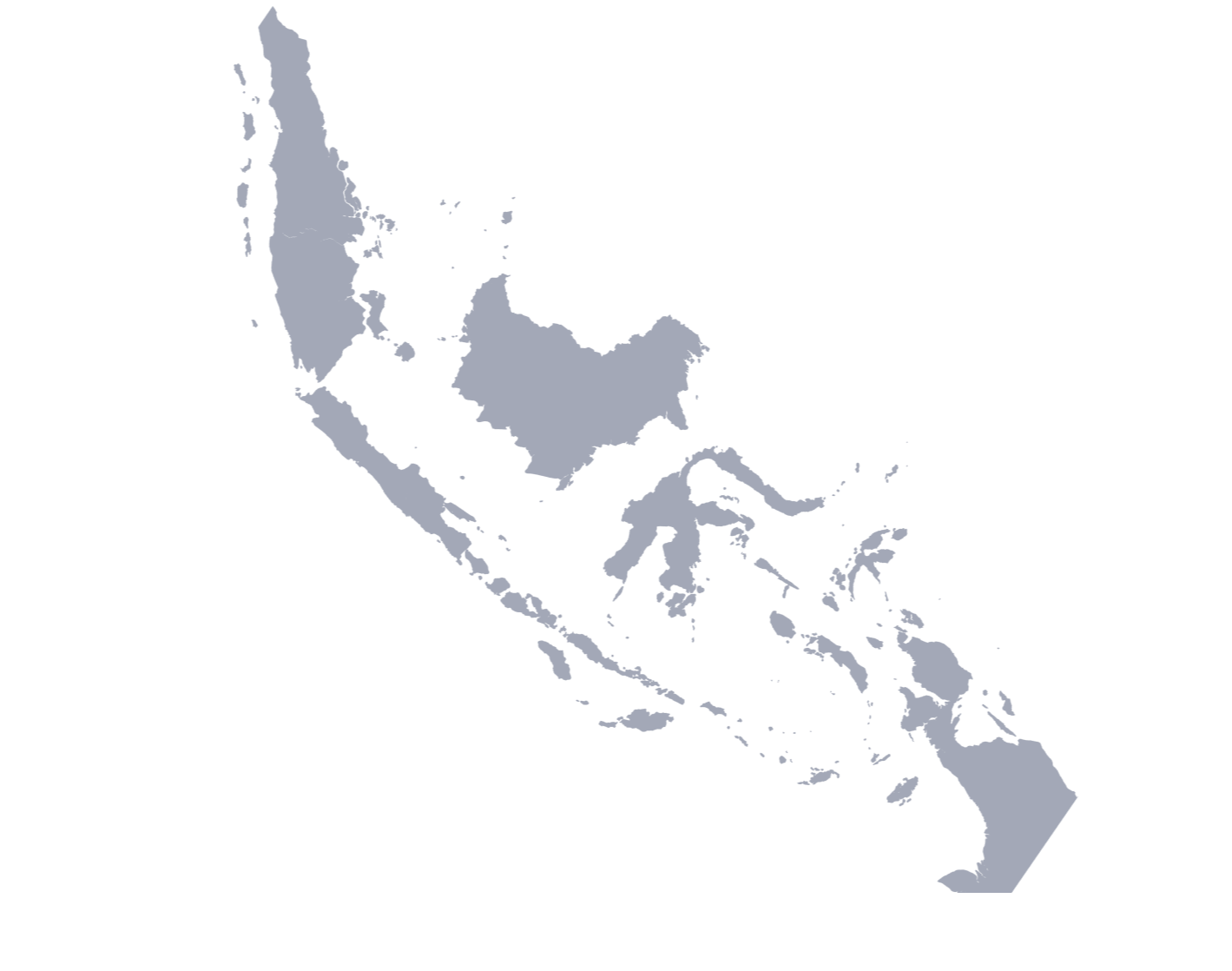
Geographic concentration favors the Cikarang–Karawang–Cilegon–Bekasi industrial corridor in West Java for cables and automotive fasteners. Surabaya and Sidoarjo host meaningful East Java capacity. Cilegon's proximity to Krakatau Steel and the deep-water port serves cable operators that consume large volumes of steel wire rod. Construction fasteners are produced more broadly across Java.
Indonesia is a net exporter of selected metal cable and wire-rope categories but a net importer of commodity fasteners and certain specialty cables. Chinese imports dominate commodity fastener volume in informal trade, with SNI mandatory standards providing a partial filter on what can legally be sold.
Hyperlocalization: industrial corridor concentration with regional specialty
Cilegon hosts the largest steel-and-cable cluster — Krakatau Steel group's facilities, PT KMI Wire and Cable, PT Sucaco operations, and the port and logistics infrastructure that support inbound steel wire rod and outbound cable. Proximity to Krakatau Steel and the deep-water port is a structural advantage for cable manufacturers consuming large steel wire rod volumes.
Cikarang and Karawang in West Java host most automotive-fastener manufacturing serving Astra group, Toyota Motor Manufacturing Indonesia, Daihatsu, Suzuki, Honda, and other OEM plants. PT Garuda Metalindo and other auto-tier-1 suppliers operate here with quality systems and just-in-time delivery economics. Cikarang also hosts selected cable and wire products.
Surabaya–Sidoarjo–Gresik in East Java hosts an East Java parallel cluster — building cable, automotive fasteners, and selected industrial wire products serving the eastern half of Java's manufacturing base. Outside Java, selected operations exist in Sumatra (Lampung, Medan) and Sulawesi (Makassar) primarily for regional construction and selected industrial buyers.
Opportunities beyond commodity fasteners: power infrastructure, automotive, oil and gas, exports
Commodity fasteners face structural Chinese import pressure; the more interesting opportunities sit in higher-spec segments. PLN transmission and distribution buildout drives ACSR and AAAC conductor demand on multi-year program cycles. Automotive OEM expansion (including EV transition) drives demand for specialty fasteners and wire harness components. Oil and gas, mining, and shipbuilding require industrial-grade wire ropes and specialty cables.
Selected export markets — particularly in regional ASEAN — absorb Indonesian cable and wire rope output where SNI/IEC certifications and capacity allow. Indonesian operators with international quality certifications (IEC, UL, IEEE) selectively export building cable and industrial wire rope. The export book is meaningful for the larger operators.
Renewable energy buildout (solar, geothermal, hydro) and the Nusantara capital project create incremental cable and fastener demand that complement the broader infrastructure pipeline. Operators positioning on TKDN and SNI compliance benefit from these program-driven cycles.
PLN transmission and distribution capex cycle driving ACSR/AAAC conductor demand
Automotive OEM production growth and EV transition driving specialty fastener and wire harness demand
Oil and gas, mining, and shipbuilding capex driving industrial wire rope and specialty cable demand
Renewable energy buildout (solar, geothermal, hydro) and Nusantara capital project cable demand
Selected ASEAN export markets for cable and wire rope with SNI/IEC certifications
TKDN-anchored power industry cable preference creating domestic-manufacturer advantage
Distribution realities: steel in, cables and fasteners out, project versus distributor channels
Inbound logistics is dominated by steel wire rod (from Krakatau Steel facilities in Cilegon and imports through Tanjung Priok and Tanjung Perak) and aluminum (largely imported through Cilegon and Tanjung Priok). Cable operators sitting at Cilegon enjoy structural inbound logistics advantage; operators inland face truck-distance penalties on bulky steel wire rod.
Outbound logistics splits by customer channel. Cable to PLN and large infrastructure projects flows via direct manufacturer-to-project delivery with installation coordination. Automotive fasteners flow via JIT delivery to OEM plants. Construction fasteners and commodity cables flow via traditional distributor networks to building materials retailers, mid-tier contractors, and project sites.
Distribution channel choice determines unit economics. Direct project sales carry higher margin but longer receivables; distributor channels carry lower margin but predictable working capital. Operators serving multiple channels often run parallel sales structures.
Locate near Krakatau Steel (Cilegon) or imported wire rod entry points (Tanjung Priok) — inbound logistics is meaningful cost
Build dual channel capability — direct project sales for higher margin, distributor channels for volume and working capital discipline
Manage steel wire rod inventory carefully — input price volatility compresses margin if not pre-contracted or hedged
Coordinate with PLN procurement cycles — multi-year visibility on transmission and distribution capex is a real planning advantage
Industry Definition
What is KBLI 2595, and where does the boundary sit?
Industry Definition
KBLI 2595 covers manufacture of wire, nail, nut, bolt, and metal cable products. The defining activities are drawing wire from steel rod, forming wire products (nails, mesh, fencing, springs, chains), threading and forming fasteners (bolts, nuts, screws, washers), and stranding/insulating cables (power transmission ACSR/AAAC, building cable, communication cable, industrial wire ropes, slings).
Excluded: basic iron and steel production (KBLI 2410), aluminum production (KBLI 2420), basic non-ferrous metal production (KBLI 2420 group), structural metal products and steel structures (KBLI 2511 group), other fabricated metal products (KBLI 2599 group for items not in 2595), electric motors and generators (KBLI 2710 group), wholesale and retail of these products (Division 46/47).
The clarifying test is process: if the operator draws wire, forms it, threads fasteners, or strands/insulates cables, it sits in 2595 regardless of downstream customer.
Indonesia in Focus
In Indonesia, KBLI 2595 spans three product universes — metal cables (concentrated, listed), automotive fasteners (capability-led specialists), and general wire/fasteners (fragmented, SME-heavy). The cable end is the most globally connected, with IEC-aligned production for export markets and PLN-driven domestic demand.
Cilegon, Cikarang, Karawang, and Surabaya–Sidoarjo are the manufacturing clusters. Cilegon has structural cable advantage from Krakatau Steel and port proximity; Cikarang and Karawang serve automotive OEM customers; Surabaya–Sidoarjo serves East Java manufacturing.
Regulation is shaped by SNI mandatory standards (particularly for safety-critical cables and fasteners), TKDN preferences for power industry procurement, and customs/trade policy on Chinese import competition.
Industry Classification
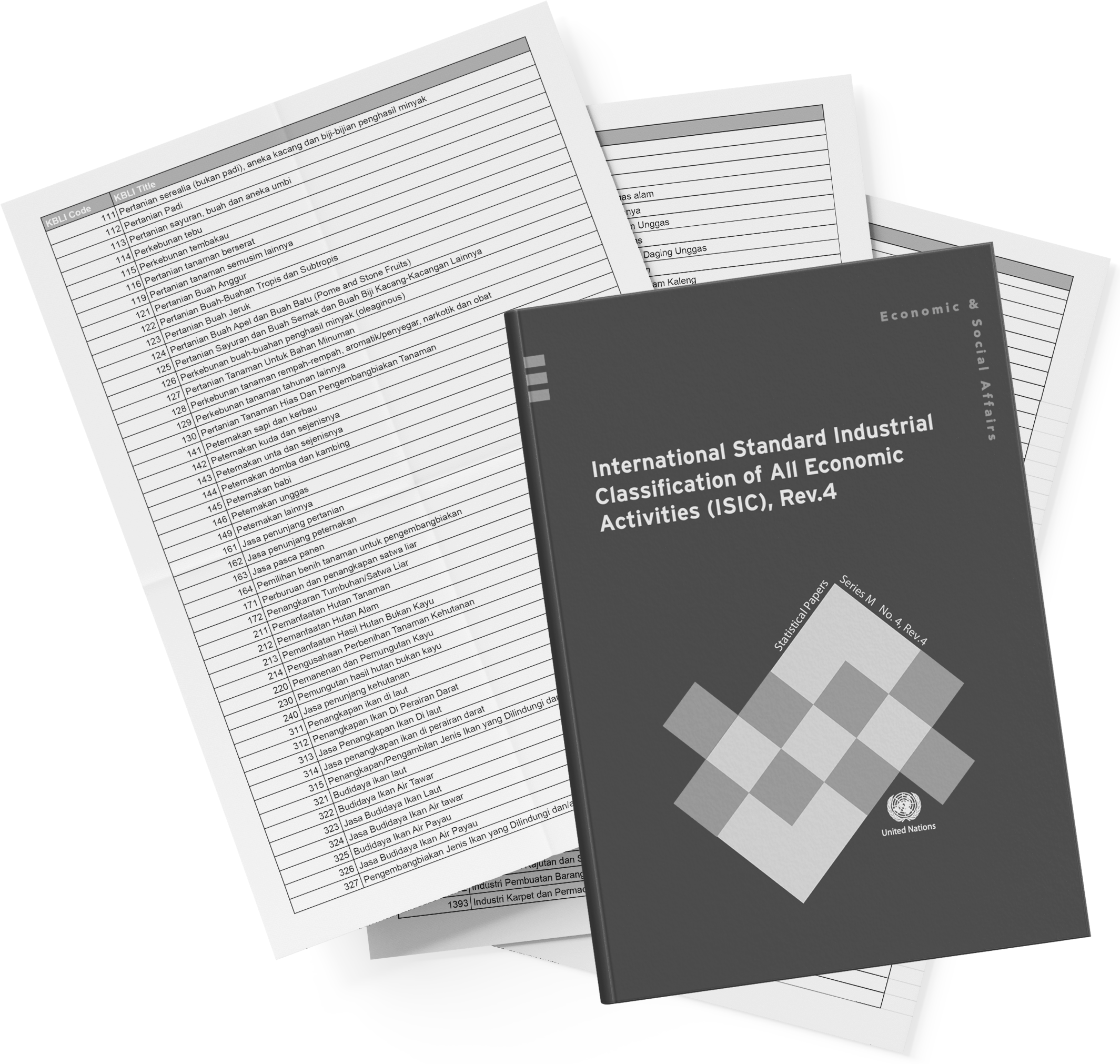
KBLI 2595 (2020 revision) — Industri Kawat, Paku, Mur, Baut dan Sejenisnya, Termasuk Kawat Sling — covers manufacture of wire, fasteners, and metal cables.
Closest ISIC mapping: ISIC Rev.4 2599 (Manufacture of other fabricated metal products n.e.c.) and parts of 2410/2599 — Indonesian KBLI 2595 is a specific subset.
NAICS comparable: 332618 (Other Fabricated Wire Product Manufacturing), 332722 (Bolt, Nut, Screw, Rivet, and Washer Manufacturing), 335929 (Other Communication and Energy Wire Manufacturing) — US classification splits more granularly than KBLI consolidates.
Operators may overlap with KBLI 2410 (basic steel), 2592 (metal coating), 2599 (other fabricated metal), and 2731 (wire and cable for electronic applications).
Industry Terms that actually matter
Vocabulary in fastener and cable manufacturing is dense — the terms below are the ones that shape pricing, compliance, and customer fit in Indonesia.
Steel wire rod
Hot-rolled steel rod (typically 5.5–12 mm diameter) used as raw material for drawing wire, fasteners, and other wire products.
Dominant raw material; supply largely from Krakatau Steel group and imports. Price drives cost stack.
ACSR / AAAC
Aluminum Conductor Steel Reinforced (ACSR) and All Aluminum Alloy Conductor (AAAC) — overhead power transmission cables.
PLN procurement is the single largest buyer; SNI and TKDN compliance gate market access for power industry cable.
SNI (Standar Nasional Indonesia)
Indonesian National Standard — mandatory product certification for safety-critical and selected categories including building cable, automotive fasteners, and certain wire products.
Gates market access for compliant operators and partially filters Chinese imports; SNI enforcement variability matters.
TKDN (Local Content)
Local content level for products in government and PLN procurement; TKDN preference creates domestic-manufacturer advantage.
Critical for PLN power cable procurement and selected government projects; structural moat for compliant operators.
Wire rope / Sling
Stranded steel wire cable used for lifting, towing, mooring, suspension, and structural support in industrial and marine applications.
Distinct sub-segment with specialty applications in mining, oil and gas, shipbuilding, and construction.
Building cable / NYY / NYM / NYA
Low and medium-voltage building cables used in residential, commercial, and industrial wiring.
Volume B2B segment serving construction industry; SNI compliance is mandatory.
Galvanizing
Zinc coating applied to steel wire or fasteners for corrosion protection.
Adds processing value-add and unlocks outdoor/marine applications; some operators integrate galvanizing in-house.
Cold forming / Cold heading
Process for forming bolts, nuts, screws from wire without heating.
Defining process for high-volume fastener manufacturing; capability differentiates auto-OEM suppliers from general producers.
PLN e-katalog
Indonesian state utility PLN procurement catalog for transmission and distribution materials including cables.
Single most important channel for power cable manufacturers; TKDN and SNI compliance are prerequisites.
Industry Overview – Business Archetypes
KBLI 2595 hosts distinct operating archetypes built around metal cable manufacturing, automotive fastener specialty, general fastener production, and selected industrial wire ropes. Archetypes differ on capital intensity, customer concentration, and competitive moat.
Listed Power and Telecom Cable Manufacturer (Ecosystem Anchor)
IDX-listed or large private cable manufacturer producing power transmission cables (ACSR, AAAC), distribution cables, building cables, and selected telecom cables. Examples include PT Sucaco, PT Kabelindo Murni, PT Voksel Electric, PT KMI Wire and Cable, PT Sumi Indo Kabel, PT Jembo Cable.
Customer base concentrated on PLN, large engineering contractors, building developers, and selected industrial customers. PLN procurement cycles drive multi-year revenue swings.
Long-term PLN supply contracts for transmission and distribution cables with TKDN and SNI compliance
Engineering contractor projects for major infrastructure
Building cable distribution through electrical distributor networks
Selected exports to ASEAN markets with IEC-aligned product
Capital-intensive — cable stranding, insulation extrusion, galvanizing, testing facilities
Working capital meaningful on PLN and contractor receivables
Customer concentration risk on PLN procurement cycles
Automotive Fastener Specialist (Specialist Operator)
Specialist manufacturer producing fasteners (bolts, nuts, screws, washers) for automotive OEM customers — Astra group, Toyota, Daihatsu, Suzuki, Honda, and tier-1 component manufacturers. PT Garuda Metalindo and peers operate here.
Quality systems (IATF 16949, ISO/TS) and JIT delivery economics are the structural capability. Cikarang–Karawang co-location with OEM plants is the operational advantage.
Multi-year supply contracts with auto OEMs and tier-1 suppliers on cost-plus or input-index pricing
Engineering and design collaboration on specialty fasteners
Aftermarket and replacement parts supply
Capability-intensive — cold heading, threading, quality testing, IATF certification
Customer concentration on a few large OEM accounts
Working capital cycle structured around OEM payment terms
Industrial Wire Rope and Sling Manufacturer (Niche Specialist)
Specialty manufacturer producing steel wire ropes, slings, and selected specialty cables for mining, oil and gas, shipbuilding, construction, and selected industrial applications.
Lower volume but higher margin than commodity wire products. Customer relationships are project-driven with multi-year engagements.
Project supply to mining, oil and gas, marine, construction operators
Inspection and recertification services for installed wire rope assets
Selected exports to regional industrial markets
Capability-intensive — specialty steel grades, stranding, testing, certification
Customer relationships are project-driven and long-cycle
Subject to commodity-industry capex cycles
General Construction Fastener and Wire Producer (Inclusion Engine)
SME or mid-tier producer manufacturing general construction fasteners (nails, screws, basic bolts), wire mesh, fencing, and selected commodity wire products for distribution to building materials retailers, mid-tier contractors, and SME projects.
Competes on price and distribution; structurally exposed to Chinese import pressure. SNI compliance, where mandatory, provides partial competitive moat.
Volume sales through traditional distributor networks to construction industry
Selected retail through building materials chains (Mitra10, Bangun Praja, Depo Bangunan)
Wire mesh and fencing for agricultural and selected industrial applications
Lower capital intensity than cable or auto-fastener archetypes
Vulnerable to Chinese import pricing pressure
SNI compliance is important; non-compliant operators face market-access pressure
Vertically Integrated Steel-Wire-Cable Group (Bridge Model)
Vertically integrated operator combining steel wire rod manufacturing, drawing, and downstream fastener or cable production. Krakatau Steel group's integration through PT Krakatau Wajatama and PT KMI Wire and Cable is the prominent example.
Internal supply chain provides cost stability and capacity assurance. Operates across multiple KBLI codes spanning basic steel through fabricated products.
Internal cost capture across steel wire rod, drawing, fastener/cable production
Integrated supply contracts with PLN, automotive, and infrastructure customers
Cross-segment optimization in product mix and capacity utilization
Capital-intensive across the full chain
Strategic asset for national industrial policy
Subject to commodity steel price cycles and competing demand from other downstream uses
Industry Performance & Outlook
PLN-anchored cable demand, automotive baseline, infrastructure-driven cyclicality, Chinese import pressure on commodity
Headline KBLI 2595 performance tracks construction, infrastructure, PLN capex, and automotive production. Cable demand is the largest single revenue category for the listed operators; fastener demand splits between OEM auto (stable) and general construction (volume-driven, Chinese-import-pressured).
Listed cable operators report cyclical revenue tied to PLN procurement programs, infrastructure capex, and selected building cable demand. Steel wire rod and aluminum cost volatility flow through to gross margin; pre-contracted PLN supply provides some hedge but spot-market exposure compresses margin during raw material spikes.
Automotive fastener demand provides a stable baseline tied to vehicle production volumes. EV transition is generating selective new demand for specialty fasteners and battery-pack components, though most current fastener demand still serves ICE vehicle production.
Outlook drivers over the next 24–36 months: PLN transmission and distribution capex cycles, infrastructure project pipeline (toll roads, IKN Nusantara, ports), automotive production trajectory and EV transition, steel wire rod prices and FX, and SNI/TKDN enforcement consistency.
Performance indicators that matter for KBLI 2595
PLN transmission and distribution capex
Largest single B2G demand driver for cable manufacturers
Multi-year program cycles drive cable volume swings; ACSR/AAAC, building cable, and selected control cable demand
Indonesian construction PMI and project pipeline
Volume driver for fasteners, wire mesh, and commodity wire products
Infrastructure (IKN, toll roads, ports) and residential construction drive demand
Automotive production volumes
Demand baseline for auto-specialty fasteners
Stable with cyclical variation; EV transition shifts specific fastener demand
Steel wire rod prices (Krakatau Steel, imported)
Dominant input cost variable
Margin compression risk during spikes; pre-contracted supply mitigates
Aluminum prices
Input cost for ACSR/AAAC conductors
Tied to global aluminum and FX; affects PLN cable margin
Chinese fastener import volumes
Competitive pressure on commodity fasteners
SNI compliance and TKDN partially mitigate; enforcement matters
Outlook: what to watch over the next 24–36 months
PLN transmission and distribution capex cycle and rural electrification programs
IKN Nusantara infrastructure buildout driving cable, fastener, wire mesh demand
Automotive production trajectory and EV transition affecting specialty fastener mix
Steel wire rod price volatility and FX flowing through to operator margin
Chinese fastener import dynamics and SNI/TKDN enforcement consistency
Renewable energy buildout (solar, geothermal) generating selected cable demand
Industry Growth Drivers
Growth drivers in KBLI 2595 are primarily derived demand. The drivers below are the ones with material effect on operator volume and margin in the Indonesian context.
PLN transmission and distribution capex
PLN's transmission and distribution buildout is the single largest demand driver for power cable manufacturers. Rural electrification programs (35 GW program legacy, sub-national grid expansion), transmission line strengthening, and distribution network expansion together generate multi-year ACSR/AAAC and distribution cable demand.
Operators positioned on PLN e-katalog with TKDN and SNI compliance capture this demand. Capacity and quality systems are gates; pricing is competitive but not the only variable.
PLN annual capex and procurement plans
PLN RUPTL (Rencana Usaha Penyediaan Tenaga Listrik) updates
Infrastructure and construction capex
Major infrastructure projects (toll roads, bridges, ports, airports, IKN Nusantara) and residential construction generate substantial fastener, wire mesh, and commodity wire demand. The infrastructure pipeline is government-shaped and somewhat predictable; residential construction tracks economic and demographic cycles.
Operators with strong distributor networks and project sales capability capture this demand at varied margin.
Government infrastructure budget and PSN list updates
Indonesian construction PMI and project announcements
Automotive production and EV transition
Automotive production in Cikarang–Karawang and East Java generates stable specialty fastener demand. EV transition is shifting specific fastener and wire harness demand toward new specifications; operators that build EV-component capability capture incremental demand.
OEM-tier relationship continuity matters more than headline volume; qualified suppliers retain business across cycles.
Indonesian automotive production data (Gaikindo)
EV manufacturing announcements and Indonesia EV policy
Industrial capex (mining, oil and gas, shipbuilding)
Mining, oil and gas, and shipbuilding generate specialty wire rope, sling, and industrial cable demand. Commodity-industry capex cycles drive demand; operators serving these industries face lumpier but higher-margin business than commodity fasteners.
Down-cycle capex deferral and up-cycle catch-up create real demand swings.
Mining and energy capex announcements
Indonesia shipbuilding industry capacity and order book
SNI enforcement and TKDN positioning
SNI mandatory standards and TKDN preferences create structural advantages for compliant operators versus non-compliant Chinese imports. Enforcement consistency determines how much of an effective moat these provide.
Operators with strong SNI and TKDN credentials capture more of the formal-channel demand even when commodity Chinese alternatives exist informally.
BSN (Badan Standardisasi Nasional) SNI rule updates
Kementerian Perindustrian TKDN policy updates
Renewable energy and IKN Nusantara
Solar, geothermal, and hydro power buildout generates specialty cable and selected fastener demand. IKN Nusantara capital city construction is a multi-year, multi-decade infrastructure pull that requires substantial KBLI 2595 supply.
Operators positioning on renewable energy and IKN tenders capture this emerging demand.
PLN renewable energy auction outcomes
IKN Nusantara construction progress and procurement
Industry Trends & Development
Industry Development: how the channel reached its current shape
From import-dependent commodity to PLN-anchored domestic supply with cable consolidation
Indonesia's KBLI 2595 industry evolved through four structural shifts: the early import-dependent era for commodity wire and fasteners, the Krakatau Steel integration that built domestic steel wire rod supply, the cable manufacturer consolidation driven by PLN procurement programs, and the more recent SNI mandatory standards and TKDN preferences that formalized the operator landscape.
Each shift reshaped the operator landscape — domestic steel wire rod reduced import dependence; PLN cable demand built listed and large private operators; SNI and TKDN created compliance-based competitive moats.
Import-dependent commodity and early domestic capacity buildout
Indonesian fastener and cable supply remained heavily import-dependent for commodity products. Krakatau Steel produced selected steel wire rod for downstream use. Cable manufacturers (Sucaco, Kabelindo, Voksel) operated with growing PLN volumes.
PLN cable demand expansion and listed operator scale-up
PLN's 35 GW program and transmission/distribution expansion drove substantial cable demand. Listed cable operators scaled capacity. Automotive fastener specialists (Garuda Metalindo) expanded to serve OEM growth. Chinese fastener import pressure became visible.
SNI mandatory standards and TKDN preference development
BSN expanded SNI mandatory standards across building cable, automotive fasteners, and selected wire products. TKDN preferences in PLN procurement strengthened. Operators invested in certification and quality systems. Selected export markets opened for IEC-compliant Indonesian product.
Pandemic supply shocks and steel price volatility
COVID disrupted automotive and construction demand; steel wire rod price volatility compressed operator margins. PLN procurement continued at reduced pace. Specialty industrial cable demand (mining, oil and gas) softened. Recovery began as construction and automotive rebounded.
Infrastructure pipeline, IKN, renewable energy, EV transition
IKN Nusantara capital project, infrastructure pipeline, renewable energy buildout sustained cable demand. EV transition generated specialty fastener demand. Steel wire rod price volatility continued. SNI enforcement and TKDN positioning matured further. Chinese fastener import pressure persisted in informal channels.
Key Trends — what's changing in the business model
The trends below are changing how money is actually made in KBLI 2595 — shifts inside specific Business Model Canvas dimensions rather than macro narratives.
PLN procurement digitization and e-katalog formalization (Channels)
PLN procurement increasingly runs through e-katalog and structured tender processes. Operators with TKDN and SNI credentials, audit-clean operations, and competitive e-katalog pricing win volume; those without struggle for access.
Operators that align with e-katalog rhythms and PLN procurement cycles capture predictable revenue. Those that treat PLN as transactional rather than strategic miss multi-year program visibility.
Listed and large cable manufacturers
PLN procurement team
TKDN and SNI certification bodies
EV transition shifting automotive fastener demand mix (Customer Segments)
Electric vehicle production introduces new fastener specifications — battery pack components, high-voltage cable assemblies, lightweight structural fasteners. Operators serving auto OEMs are investing in EV-compatible product lines.
EV-component capability is becoming an operator-level differentiator. Those that anticipate EV demand capture incremental specialty fastener volume; those that focus only on ICE-vehicle production face managed-decline business.
Automotive fastener specialists
Auto OEMs transitioning to EV (Astra group, Toyota, Hyundai, BYD partner manufacturers)
EV battery pack and powertrain component makers
SNI enforcement compounding domestic-manufacturer advantage (Key Resources)
SNI mandatory standards on safety-critical products (building cable, automotive fasteners, selected industrial wire) create structural advantages for compliant operators. Enforcement consistency determines how much of an effective moat SNI provides.
Operators with strong SNI credentials and audit history capture more formal-channel demand even when commodity Chinese alternatives exist informally.
Compliant Indonesian manufacturers
BSN and Kementerian Perindustrian enforcement
Informal Chinese import operators losing channel access
Specialty cable demand from renewables and IKN (Revenue Streams)
Solar, geothermal, hydro power buildout requires specialty cable (medium voltage, control cable, instrumentation). IKN Nusantara capital construction is a multi-decade infrastructure pull. Operators with relevant capability capture this demand at favorable margin.
Building specialty cable capability is meaningful capex but expands the addressable market beyond commodity ACSR/AAAC.
Cable manufacturers with specialty capability
PLN and renewable energy IPP customers
IKN construction consortia
Industrial wire rope specialty growth (Key Activities)
Mining, oil and gas, shipbuilding, and construction specialty wire rope and sling demand grows tied to industrial capex cycles. Specialty manufacturers with engineering capability and customer-relationship continuity capture this higher-margin demand.
Capability investment in specialty steel grades, stranding, testing, and inspection differentiates specialists from commodity wire rope makers.
Industrial wire rope and sling specialists
Mining, oil and gas, shipbuilding customers
Selected exports to regional industrial markets
Steel wire rod cost discipline and integration (Cost Structure)
Steel wire rod is the dominant cost variable. Operators with long-term off-take from Krakatau Steel, import hedging discipline, or vertical integration into wire rod manage margin more effectively than spot buyers.
Vertical integration (Krakatau Steel group across multiple KBLI codes) provides cost stability that pure downstream operators cannot match.
All KBLI 2595 operators
Krakatau Steel group as upstream supplier
Imported steel wire rod traders
Impact and Sustainability
Sustainability in KBLI 2595 is material because the industry sits between basic steel production and downstream infrastructure. Steel embodied carbon, occupational safety, and SNI compliance integrity all shape long-run sustainability.
Steel and aluminum embodied carbon
Steel wire rod and aluminum production carry substantial embodied carbon. KBLI 2595 operators' carbon footprint is largely upstream — Krakatau Steel and imported steel emissions flow through to operator carbon accounting.
Decarbonization trajectory for Indonesian steel (green steel programs, scrap-based EAF expansion) will shape downstream KBLI 2595 carbon profile.
Green steel premium versus current cost economics
Domestic decarbonization timing versus international ESG procurement expectations
Occupational safety and industrial hygiene
Wire drawing, fastener forming, and cable manufacturing involve mechanical, heat, and chemical hazards. Worker safety, industrial hygiene, and incident prevention are material operational concerns.
Operators with mature K3 systems and OHSAS/ISO 45001 certifications differentiate against less-disciplined competitors.
Safety system investment is real cost but reduces incident-related disruption
Smaller operators face disproportionate compliance burden
SNI compliance integrity and product safety
Non-compliant fasteners and cables in safety-critical applications (building wiring, automotive, mining) create real safety risk. SNI mandatory standards and BSN certification integrity are material public-interest issues.
Operators with credible SNI compliance support broader product-safety outcomes; informal supply undermines them.
Compliance enforcement variability creates uneven competitive playing field
Cost premium of SNI-compliant products versus informal alternatives is small but real
Industry Segmentation
Industry Segmentation – Product categories
Product segmentation in KBLI 2595 follows three universes: metal cables, fasteners, and wire products. Each universe contains distinct sub-segments with different economics.
Segmentation by product category
Power transmission cables (ACSR/AAAC)
Overhead aluminum conductors steel-reinforced or all-alloy for high-voltage transmission
PLN, engineering contractors building transmission lines
Strategic infrastructure category with TKDN preference and SNI compliance
Distribution and building cables (NYY, NYM, NYA, NA2XSY)
Low and medium voltage cables for residential, commercial, industrial wiring and distribution
PLN, electrical contractors, developers, building owners, distributor networks
Volume category serving construction and electrification
Telecommunications and control cables
Twisted pair, fiber-mixed, control and instrumentation cables
Telecom operators, industrial automation customers, oil and gas
Selected sub-segment competing with imports
Industrial wire rope and slings
Stranded steel wire rope for lifting, towing, mooring, suspension
Mining, oil and gas, shipbuilding, construction, marine
Specialty industrial segment with engineering-led demand
Automotive fasteners
Bolts, nuts, screws, washers for automotive OEMs and tier-1 component suppliers
Astra group, Toyota, Daihatsu, Suzuki, Honda OEM and tier-1 suppliers
Capability-led segment with quality systems and JIT economics
Construction fasteners (general)
Standard nails, screws, bolts, nuts for building construction
Building materials retailers, contractors, SME projects
Volume category exposed to Chinese import pressure
Wire mesh and fencing
Welded wire mesh for concrete reinforcement, chain link fencing, agricultural wire products
Construction industry, agricultural users, security and perimeter applications
Construction-cycle volume category
Springs and chains
Coiled steel springs, link chains for industrial and consumer applications
Automotive, industrial machinery, consumer goods, marine
Specialty smaller-volume products
Volume concentrates in distribution cables and construction fasteners; value concentrates in transmission cables, automotive fasteners, and specialty wire rope; margin concentrates in specialty applications.
Cross-segment manufacturing is common — larger operators run multiple product lines under one KBLI code.
Industry Segmentation – Operating model and customer orientation
Beyond product, KBLI 2595 segments by operating model and customer orientation. The split below shapes capital intensity, customer concentration, and competitive moat.
Segmentation by operating model and customer orientation
PLN-anchored cable manufacturer
Cable producer with significant PLN supply contract revenue and TKDN/SNI compliance
PLN, engineering contractors, infrastructure projects
B2G-anchored business model with multi-year visibility
Automotive tier-1 fastener supplier
Fastener specialist with IATF certification supplying OEM tier-1 and OEMs
Astra group, Toyota, tier-1 component makers
Capability-led with JIT and quality system requirements
Industrial specialty wire rope manufacturer
Specialty wire rope and sling producer for mining, oil and gas, marine, shipbuilding
Mining, oil and gas, marine, shipbuilding operators
Project-driven higher-margin business
General fastener and wire distributor-focused producer
Mid-tier or SME producer serving construction distribution channels
Building materials retailers, mid-tier contractors
Volume-driven, distribution-led business
Export-oriented specialty cable manufacturer
Cable producer with IEC certification serving ASEAN export markets
Regional cable distributors, project contractors, selected ASEAN PLN-equivalents
Adjacent export market expanding revenue base
Vertically integrated steel-wire-cable group
Integrated operator combining steel wire rod, drawing, fastener/cable production
Multiple downstream segments
Internal supply chain provides cost stability and capacity assurance
These segments are not mutually exclusive — large operators often span multiple archetypes.
Operating model predicts working-capital cycle and competitive moat type — vertical integration vs capability vs distribution.
Customer Segmentation: who actually buys and what they need
Customer segmentation matters because the same fasteners and cables are sold under very different terms to very different buyers. PLN, an automotive OEM, a construction contractor, and a mining operator each behave differently.
Customer segments and what they value
PLN and power infrastructure procurement
Indonesian state utility procuring transmission and distribution materials
Procure compliant cables for transmission and distribution build-out
TKDN preference, SNI compliance, capacity, on-time delivery, audit history
PLN e-katalog, direct procurement, framework agreements
Automotive OEMs and tier-1 suppliers
OEM plants (Astra group, Toyota, Daihatsu, Suzuki, Honda) and tier-1 component makers
Procure specialty fasteners for vehicle production with quality systems and JIT
IATF 16949 quality, dimensional tolerance, JIT delivery reliability, design support
Direct OEM supply contracts, tier-1 supplier engagement
Engineering contractors and infrastructure consortia
Major contractors building infrastructure (toll roads, bridges, ports, IKN)
Procure cables and fasteners for project use with delivery to site
Project pricing, delivery scheduling, technical specifications, on-site coordination
Direct contractor sales, project-based supply agreements
Building developers and electrical contractors
Property developers, electrical contractors wiring buildings
Procure building cables and fasteners for commercial and residential construction
SNI compliance, distribution availability, fair pricing, technical support
Electrical distributor networks, direct sales for large projects
Mining, oil and gas, shipbuilding operators
Industrial operators with specialty wire rope, sling, and cable needs
Procure specialty industrial wire products for operations
Engineering capability, certification, inspection services, multi-year supply
Direct industrial sales, specialty supplier engagement
Building materials retailers and distributors
Modern and traditional building materials retail
Stock fasteners, wire products for construction industry customer base
Reliable supply, SNI compliance, competitive pricing, distributor margin
Distributor and traditional retail channels
Government procurement and B2G
Government ministries and BUMN with construction and infrastructure needs
Procure compliant fasteners and cables for government projects
TKDN, SNI, e-katalog presence, audit-friendly procurement
Government tender (LKPP, e-katalog), direct B2G sales
Selected ASEAN export buyers
Cable distributors and project contractors in regional ASEAN markets
Procure IEC-compliant cables for regional projects
IEC certification, capacity, regional logistics, price competitiveness
International sales, regional distributor partnerships
Key Players
Ecosystem Mapping: core, extension, and enabling actors
KBLI 2595 sits inside a layered ecosystem from steel wire rod production through manufacturing to downstream infrastructure and industrial buyers. Core manufacturers depend on extension actors for distribution and on enabling actors for raw material, regulation, finance, and certification.
Core — wire, fastener, and cable manufacturers
Operators converting steel wire rod and aluminum into wire products, fasteners, and cables.
Listed and large cable manufacturers (PT Sucaco, PT Kabelindo Murni, PT Voksel Electric, PT KMI Wire and Cable, PT Sumi Indo Kabel, PT Jembo Cable)
Automotive fastener specialists (PT Garuda Metalindo and peers)
Industrial wire rope and sling specialists
General construction fastener and wire producers (mid-tier and SME)
Vertically integrated steel-wire-cable group (Krakatau Steel group through PT Krakatau Wajatama)
Wire mesh and fencing producers
Specialty spring and chain manufacturers
Extension — distribution, downstream contractors, project channels
Actors extending manufacturer reach — distribution networks, project contractors, system integrators.
Electrical distributor networks for building cable
Building materials retail (Mitra10, Bangun Praja, Depo Bangunan)
Project contractors and engineering consortia
Auto OEM and tier-1 supplier procurement
Specialty industrial integrators and inspection services
Enabling — raw material, regulators, finance, certification, knowledge
Actors enabling the channel — raw material supply, regulation, capital, certification, training.
Krakatau Steel and imported wire rod suppliers
Aluminum smelters and importers (Inalum-related)
BSN (Badan Standardisasi Nasional) administering SNI
Kementerian Perindustrian administering TKDN
PLN as the largest single B2G customer
Banks, multifinance, capital markets including IDX (listed cable operators)
Industry associations (APKABEL, Indonesian fasteners associations)
Vocational schools and engineering universities supplying technical talent
How value flows across the ecosystem
Physical value flows from steel wire rod and aluminum producers to KBLI 2595 manufacturers and onward to downstream construction, infrastructure, automotive, and industrial buyers.
Payment flows in reverse — buyers pay manufacturers; manufacturers pay raw material suppliers. Working-capital lags accumulate especially on PLN and large infrastructure projects.
Regulatory signals (SNI, TKDN, PLN procurement rules) flow downward and shape product specifications, certification requirements, and competitive positioning.
Leading Players: who shapes the market and how
Market leadership in KBLI 2595 splits across listed and large cable manufacturers, automotive fastener specialists, vertically integrated steel groups, and selected industrial specialty operators.
Leading players — positioning, strengths, and constraints
PT Sucaco Tbk (SCCO)
IDX-listed cable manufacturer with broad product portfolio
Scale, PLN relationships, broad product range from transmission to building cable, manufacturing maturity
PLN cycle exposure, steel/aluminum input cost volatility, competitive intensity in commodity cable
PT Kabelindo Murni Tbk (KBLM)
IDX-listed cable manufacturer with strong building and distribution cable presence
Established brand, distributor network, building cable market presence
Similar PLN cycle and input cost exposures; market share competition with Sucaco and others
PT Voksel Electric Tbk (VOKS)
IDX-listed cable manufacturer with focus on building cable and PLN supply
Strong distribution, urban building cable position, PLN supply history
PLN cycle dependence; competitive pressure
PT KMI Wire and Cable Tbk (KBLI)
IDX-listed cable manufacturer associated with Krakatau Steel group
Internal Krakatau steel wire rod supply, vertical integration advantage, PLN supply position
Cyclical demand exposure; needs continued internal cost discipline
PT Sumi Indo Kabel Tbk (IKBI)
Cable manufacturer with selected specialty positioning
Established operations, selected specialty cable
Smaller scale than market leaders; competitive intensity
PT Jembo Cable Company Tbk (JECC)
IDX-listed cable manufacturer
Established cable manufacturing operations, PLN supply
Market share competition; cyclical demand exposure
PT Garuda Metalindo Tbk (BOLT)
IDX-listed automotive fastener specialist serving Astra group and OEMs
Strong OEM relationships, IATF certification, capability in cold heading and threading
Auto cycle exposure; EV transition shift requirements
PT Krakatau Wajatama (Krakatau Steel group)
Integrated steel wire product manufacturer with upstream access
Internal steel wire rod supply, group-level capital, multiple downstream products
Subject to commodity steel cycles; competing internal priorities within Krakatau group
Bekaert Indonesia
Multinational specialty wire and steel cord operator
Global parent technology and capability transfer, specialty steel cord for automotive tires
Niche focus; smaller domestic footprint than commodity operators
Long tail of SME fastener and wire producers
Fragmented producers serving construction distribution and selected industrial customers
Local relationships, flexibility, lower cost base
Chinese import pressure, SNI compliance overhead, capital constraints
How competition typically plays out in this industry
Concentration varies sharply by sub-segment. Power cable supply to PLN is moderately concentrated among the listed operators (Sucaco, Kabelindo, Voksel, KMI Wire, Sumi Indo, Jembo). Automotive fastener supply is concentrated among a few capable specialists. General construction fastener supply is highly fragmented.
The most durable competitive moats are SNI/TKDN compliance with PLN audit history (cable manufacturers), IATF quality systems and OEM relationships (auto fastener specialists), vertical integration with steel wire rod (Krakatau group entities), and engineering capability for industrial wire rope (specialty operators).
Substitution and import competition is real — Chinese commodity fasteners on price, imported specialty cables on selected applications, alternative materials (composites) in selected applications. SNI mandatory standards partially filter import pressure.
Operating Conditions
Operating Model, Cost Structure, and Competitive Intensity
Operating economics in KBLI 2595 are raw-material-, energy-, and capital-heavy. Cost stack varies by archetype — cable manufacturers, automotive fastener specialists, industrial wire rope specialists, general fastener producers all have different cost compositions.
Competitive intensity at industry level is Medium-High overall, with Higher intensity in commodity fasteners (Chinese import pressure) and Lower intensity in PLN cable (compliance gates) and automotive fasteners (capability gates). Porter assessment below sits alongside cost structure.
What creates advantage is rarely cheaper operations — operator cost stacks converge for similar capability. It is the combination of raw-material access (vertical integration or off-take), SNI/TKDN compliance, PLN procurement positioning, OEM relationship continuity, and specialty engineering capability.
Raw materials (steel wire rod, aluminum, copper)
Steel wire rod from Krakatau Steel or imports; aluminum and copper for cables; selected specialty alloys
Krakatau Steel pricing and capacity allocation
Imported steel wire rod prices and FX
Aluminum and copper international prices
Specialty alloy availability and pricing
Dominant cost bucket — typically 60–75% of COGS for cable and commodity fastener manufacturers
Vertical integration (Krakatau group entities) or pre-contracted off-take provides cost stability
Energy
Electricity for drawing, forming, heat treatment, stranding, and insulation extrusion
Electricity prices (PLN industrial tariff)
Process efficiency and energy management
Specialty equipment energy consumption
Material operating cost especially for energy-intensive drawing and extrusion
Energy efficiency programs reduce opex; renewable procurement growing
Direct labor
Operators for drawing, forming, fastener heading, threading, cable stranding, insulation extrusion
Provincial minimum wage in West Java (Cikarang, Cilegon, Karawang) and East Java
Automation level and line balancing
Skill premium for specialty applications
Lower share of cost than raw materials but meaningful especially for capability-led operators
Cikarang/Karawang wages higher than national average but lower than Singapore/Malaysia
SNI certification, TKDN compliance, quality systems
SNI certification, IATF 16949 and ISO 9001/14001/45001 quality systems, TKDN certification, audit response
SNI certification body fees and renewal
TKDN certification cycles
IATF 16949 quality system maintenance
Customer audit response (PLN, OEM)
Real fixed-cost overhead but functions as entry moat for formal channels
Compliance discipline is a genuine differentiator
Capital equipment and capacity
Drawing machines, cold heading machines, threading machines, stranding machines, extruders, testing equipment, plus IT/ERP systems
Equipment vendor pricing and FX
Capex cycle for capacity expansion and modernization
Depreciation and maintenance
Capital-intensive at setup; ongoing capex moderate but real
Capacity utilization is critical operational variable
Logistics and distribution
Inbound wire rod and aluminum trucking, outbound finished product distribution, project delivery, customs
Distance from steel mill (Krakatau, Cilegon) or port to factory
Distance to customer or project site
Container freight for exports and selected imports
Inland trucking rates
Cilegon location is structural advantage for cable operators
Project delivery to remote sites carries logistics premium
Sales, marketing, and channel support
Direct sales (B2G, OEM, project), distribution channel management, technical sales support
Sales force headcount and territory coverage
Distributor incentive programs
Technical sales for specialty applications
Higher for distribution-channel-led general fastener operators
Lower for direct B2G and OEM-led businesses
Working capital and finance
Raw material inventory, work-in-progress, finished goods, receivables from PLN and large projects
PLN payment terms (typically extended)
Project receivables management
Raw material inventory days
Cost of working-capital lines
Material for PLN and project-anchored operators
Light for OEM-tier with shorter payment cycles
Porter's Five Forces — competitive intensity in KBLI 2595
Threat of new entrants
Medium
PLN cable manufacturing requires SNI/TKDN credentials, capacity, capital, and PLN supply history — high barriers. Automotive fastener entry requires IATF certification and OEM qualification — multi-year process. General fastener and wire entry is lower-barrier but margin-thin.
Bargaining power of customers
Medium to High
PLN has high power through volume and TKDN/SNI specifications. Automotive OEMs have high power through annual price re-negotiations. Construction distribution customers have moderate power balanced by SNI compliance preference.
Bargaining power of suppliers
Medium
Krakatau Steel has structural power on domestic steel wire rod. Imported wire rod suppliers compete; aluminum and copper international markets provide some balance. Vertical integration partially mitigates.
Threat of substitutes
Medium
Composites and alternative materials substitute in selected applications; aluminum conductor variants compete with copper; engineered alternatives for specific use cases. None displace fundamental KBLI 2595 demand.
Rivalry among existing competitors
Medium to High
Listed cable operators compete intensely for PLN volume; auto fastener specialists compete on quality and JIT; general fastener producers face intense Chinese import pressure. Sub-segment-specific intensity.
Listed cable manufacturer gross margins are cyclical with raw material prices; pre-contracted PLN supply provides some hedge but spot exposure is real.
Automotive fastener gross margins are stable reflecting capability premium and JIT relationship value.
Specialty industrial wire rope carries the highest unit margin in the category, tied to engineering capability and customer-relationship continuity.
Working-capital cycle for PLN-anchored cable operators runs 60–120 days; auto fastener operators run shorter; general fastener operators depend on distributor terms.
What creates lasting competitive advantage: raw material access, SNI/TKDN compliance with PLN audit history, IATF and OEM relationships (auto), specialty engineering capability (industrial wire rope), and vertical integration where available.
Regulation & Compliance: where rules actually bite
Regulation in KBLI 2595 is mandatory-standards-heavy. SNI mandatory product certification, TKDN preferences for power industry procurement, automotive quality system requirements (IATF), and selected industrial certifications shape who can serve which customers.
Operational regulation and compliance touchpoints
Business licensing and NIB
OSS-based business identification covering KBLI 2595 and related codes
Determines legal scope including multi-code coverage
Maintain valid NIB, update KBLI coverage as products evolve
SNI mandatory standards
BSN-administered mandatory product certification for safety-critical wire, cable, and fastener categories
Gates market access for compliant operators; partially filters Chinese imports
Engage SNI certification body, conduct testing, maintain product compliance and audit history
TKDN (Local Content)
Local content level required for products in PLN and government procurement
Critical for PLN power cable procurement; preferred for selected B2G
Achieve and maintain TKDN certification, document component sourcing, manage audit cycles
IATF 16949 quality system
International automotive quality management standard for OEM supply
Required for serving automotive OEMs and tier-1 suppliers
Implement and maintain IATF system, customer audits, continuous improvement
Import licensing and customs
Importer ID and product-specific import approvals for wire rod, aluminum, specialty components
Affects raw material supply and cost
Hold appropriate API, manage HS classification, document country of origin
Anti-dumping and trade remedies
Indonesian Anti-Dumping Committee (KADI) measures on selected wire and steel products
Trade remedy actions affect import competition pressure
Engage in trade remedy processes, comply with safeguard measures
Health, safety, environmental (K3)
Workplace safety in wire drawing, fastener forming, cable manufacturing
Determines factory layout, worker protection, incident response
Comply with K3 standards, maintain OHSAS/ISO 45001, manage chemical and mechanical hazards
Taxation
VAT, corporate income tax, withholding obligations
Routine compliance overhead with selected industry-specific treatments
Maintain tax discipline, manage PPN reconciliation, comply with withholding on supplier payments
Labor and provincial minimum wage
Indonesian labor law including UMP/UMK in manufacturing provinces
Direct cost-base driver; provincial wage levels material
Maintain labor compliance, productivity management, vocational training engagement
Government procurement (LKPP, PLN e-katalog)
Public procurement framework including PLN procurement with TKDN preference
Gates B2G and PLN market access; multi-year supplier qualification
Maintain e-katalog presence, comply with procurement integrity, manage TKDN and SNI documentation
SNI rule updates affecting safety-critical product categories and certification cycles
TKDN policy revisions affecting PLN and government procurement preferences
Anti-dumping investigations and trade remedy measures affecting raw material and competitive pressure
Steel wire rod allocation policy and Krakatau Steel pricing affecting input cost
Provincial minimum wage cycles affecting labor cost
Automotive OEM specification changes (EV transition) affecting fastener supply requirements
FAQs & Sources
FAQs
What exactly does KBLI 2595 cover, and what is excluded?
Manufacture of wire, nail, nut, bolt, and metal cable products — drawn wire and wire products (nails, mesh, fencing, springs, chains), threaded fasteners (bolts, nuts, screws, washers), metal cables (wire ropes, ACSR/AAAC power transmission, slings). Excludes basic iron and steel (2410), aluminum and non-ferrous metals (2420), structural metal products (2511), other fabricated metal products (2599), electric motors (2710), wholesale/retail (Division 46/47).
How concentrated is the market?
Power cable supply to PLN is moderately concentrated among listed operators (Sucaco, Kabelindo, Voksel, KMI Wire, Sumi Indo, Jembo). Automotive fastener supply is concentrated among a few capable specialists (Garuda Metalindo and peers). General construction fastener supply is highly fragmented with thousands of SME operators.
Why is PLN procurement such a central demand driver?
PLN's transmission and distribution network is the backbone of Indonesian electrification. PLN cable procurement (ACSR/AAAC, distribution, building cable) is the single largest B2G demand driver for cable manufacturers. Procurement cycles drive multi-year revenue swings; TKDN and SNI compliance gate market access.
What does it take to enter this industry as a new operator?
PLN cable entry requires SNI/TKDN credentials, manufacturing capacity, and supply history — multi-year capability build. Automotive fastener entry requires IATF 16949 certification and OEM qualification — also multi-year. General fastener entry is lower-barrier but competitive intensity is high with thin margins.
How does Indonesia compete with Chinese fastener and cable imports?
SNI mandatory standards and TKDN preferences provide partial competitive moats versus Chinese imports. Enforcement consistency determines effectiveness. Compliant operators capture formal-channel demand; informal Chinese imports compete in distribution and SME projects where compliance enforcement is uneven.
What drives raw material cost volatility?
Steel wire rod prices (Krakatau Steel allocation and imports) are the dominant variable. Aluminum prices (international, FX-sensitive) drive ACSR/AAAC margin. Copper prices affect selected cables. Spot-market exposure compresses margin during supply gaps.
How does the EV transition affect this industry?
EV production introduces new fastener specifications (battery pack components, high-voltage cable assemblies, lightweight structural fasteners). Operators serving auto OEMs are investing in EV-compatible lines. ICE-only fastener business faces managed decline as EV share grows.
What are the biggest risks to a manufacturer?
PLN procurement cycle exposure for cable manufacturers; auto cycle and EV transition shifts for fastener specialists; Chinese import pressure for commodity fasteners; steel wire rod and aluminum cost volatility; SNI compliance maintenance; capital cycles for capacity expansion. Diversification across product, customer, geography is the standard hedge.
Where are the most credible growth pockets?
PLN transmission and distribution capex cycle, IKN Nusantara construction, automotive EV transition specialty fasteners, industrial wire rope for mining/oil and gas/shipbuilding, renewable energy buildout cable demand, selected ASEAN exports with IEC certifications.
Sources & Notes
This report is a synthesized industry analysis based on desk research, public regulatory frameworks, and structural reasoning from the KBLI 2595 definition. Where specific market shares, financials, or unit-volume figures are uncertain, the report uses qualitative phrasing rather than fabricating precision.
BPS (Statistics Indonesia)
KBLI 2020 classification reference, manufacturing sector statistics, fabricated metal products data.
BSN (Badan Standardisasi Nasional)
SNI mandatory standards documentation and certification framework for wire, cable, fasteners.
Kementerian Perindustrian
TKDN policy, industrial sector roadmap, metal industry policy.
PLN (Perusahaan Listrik Negara)
Procurement framework, RUPTL, e-katalog cable supply data.
PT Sucaco Tbk (SCCO), PT Kabelindo Murni Tbk (KBLM), PT Voksel Electric Tbk (VOKS), PT KMI Wire and Cable Tbk (KBLI), PT Sumi Indo Kabel Tbk (IKBI), PT Jembo Cable Company Tbk (JECC) annual reports
Public disclosures from IDX-listed cable manufacturers.
PT Garuda Metalindo Tbk (BOLT) annual reports
Public disclosures from IDX-listed automotive fastener specialist.
PT Krakatau Steel and group entities
Upstream steel wire rod supplier disclosures and capacity allocation.
APKABEL (Asosiasi Pabrikan Kabel Indonesia) and other industry associations
Indonesian cable manufacturers association data and policy positions.
Gaikindo and automotive industry data
Indonesian automotive production statistics for fastener demand context.
Credible business press
Kontan, Bisnis Indonesia, Tempo, Katadata coverage of cable industry, PLN procurement, and fastener industry dynamics.
This report is for informational and strategic-context purposes. It is not legal, regulatory, or investment advice. Market structure, regulatory rules, and company positions evolve; readers should validate specific data points against primary sources before acting on them.