Textile Finishing Industry in Indonesia
A practical guide to Textile Finishing Industry in Indonesia—market dynamics, operational realities, and strategic considerations in Indonesia
The Finishing of Textiles industry (KBLI 1313) performs value-adding processes on yarns, fabrics, and textile articles, including bleaching, dyeing, printing, coating, and waterproofing to enhance aesthetics, durability, and functionality. These treatments occur after spinning/weaving/knitting but before garment assembly, preparing materials for apparel, home textiles, or technical uses.
Clear industry definition and scope of activities
Operational realities across Indonesia's regions
Market segmentation and customer analysis
Ecosystem mapping and competitive dynamics
Cost structure and unit economics
Regulatory and compliance considerations
Executive Summary
The Finishing of Textiles industry (KBLI 1313) performs value-adding processes on yarns, fabrics, and textile articles, including bleaching, dyeing, printing, coating, and waterproofing to enhance aesthetics, durability, and functionality.
These treatments occur after spinning/weaving/knitting but before garment assembly, preparing materials for apparel, home textiles, or technical uses.
Highly labor-intensive with SMEs dominating clusters, relying on skilled dyers and printers.
Batik finishing (13134) is culturally significant, blending tradition with export demands.
Export-oriented, serving apparel makers targeting US/EU markets via FTAs.
Environmental pressures drive adoption of low-water processes.
Tech shifts like digital printing enable customization and shorter runs.
Why this industry matters in Indonesia
Textile finishing adds value and functional properties to fabrics.
Quality finishing enables premium market positioning.
Technical textiles serve industrial applications.
So what: Practical implications
Maintain environmental compliance for effluent treatment.
Invest in sustainable dyeing technologies.
Develop specialized finishing capabilities.
Ensure quality consistency for export markets.
Indonesia at a Glance
Republic of Indonesia: Large and fragmented market
Integral to Indonesia's expansive textiles ecosystem, enabling differentiation in a competitive export landscape.
Java-dominant with emerging hubs in Sumatra, tied to garment manufacturing growth.
Market dynamics continue to evolve with changing economic conditions.
Hyperlocalization is key to navigate Indonesia's market
West Java (Bandung area) excels in high-volume dyeing/printing for fast fashion exports.
Central Java (Pekalongan) specializes in batik resist-dyeing, leveraging artisan expertise.
Opportunities extend beyond cities
East Java rural SMEs handle basic finishing for local markets and handicrafts.
Bali and Sulawesi facilities serve tourism-driven custom prints.
Waterless dyeing and sustainable finishing technology investments
Digital printing enabling small-batch and customization capabilities
Technical textiles finishing for automotive and industrial applications
Eco-friendly certifications (OEKO-TEX, GOTS) meeting export requirements
Centralized effluent treatment facilities enabling cluster compliance
Functional finishing (anti-microbial, UV protection) for performance apparel
Distribution realities: logistics, infrastructure, and channel reach
Depends on Java's highways to ports like Tanjung Priok; humidity controls critical for dyed goods transit.
Inter-island shipping via Pelni lines challenges smaller operators without cold chain.
Establish robust distribution partnerships covering both modern trade and traditional channels
Invest in localized supply chain capabilities to navigate logistics complexities and reduce costs
Develop region-specific market entry strategies accounting for local competitive dynamics
Build flexibility into operations to adapt to regulatory changes and infrastructure variations
Industry Definition
What is Textile Finishing Industry in Indonesia?
Industry Definition
KBLI 1313 includes bleaching, dyeing, printing, texturizing, coating, and calendering of textile fibers, yarns, fabrics, and made-up articles (excluding primary production in 1311-1312 or apparel sewing in 141).
Boundaries exclude knitwear production (139) and chemical treatments classified under auxiliary services.
Indonesia in Focus
Indonesia's large population and growing economy create substantial market opportunities.
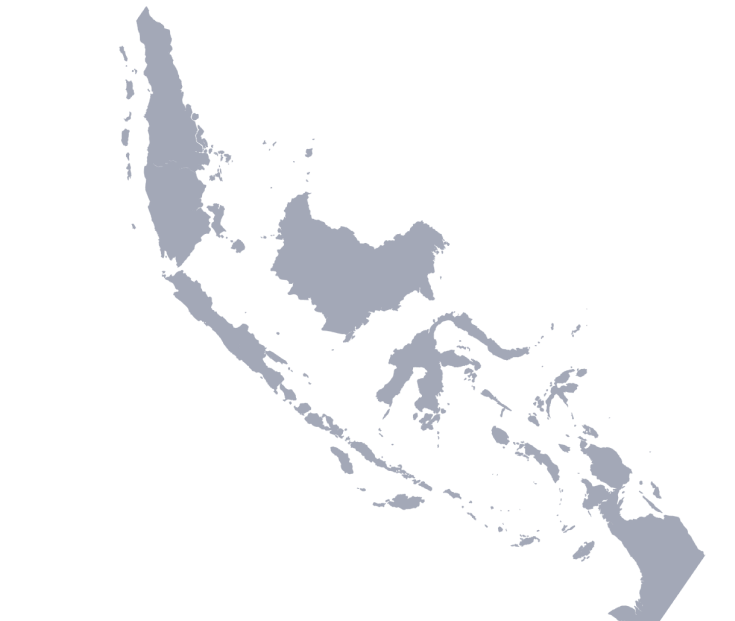
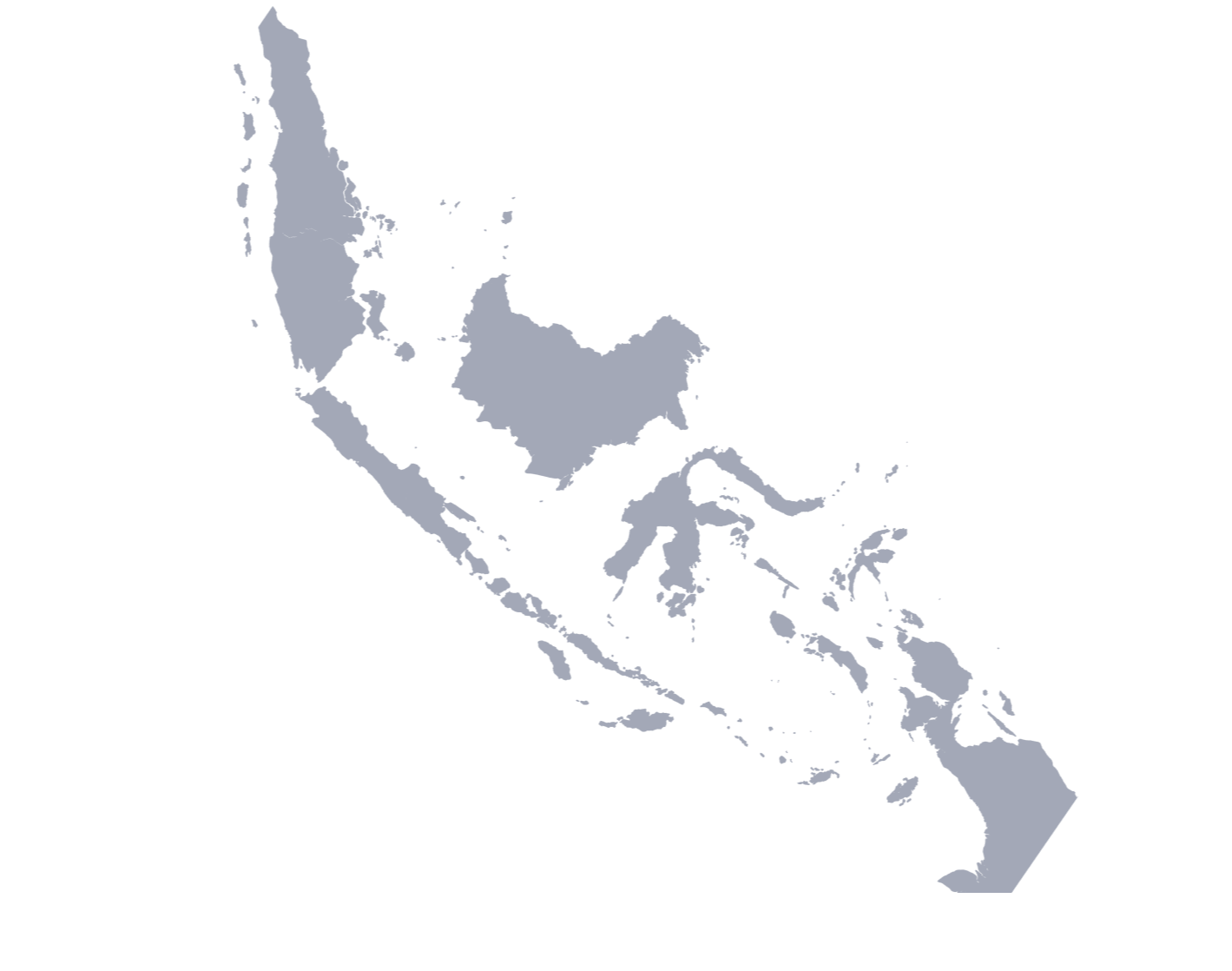
Archipelagic geography presents unique distribution and logistics challenges.
Industry Classification
Primary classification: Based on core business activity
Secondary classification: Related supporting activities
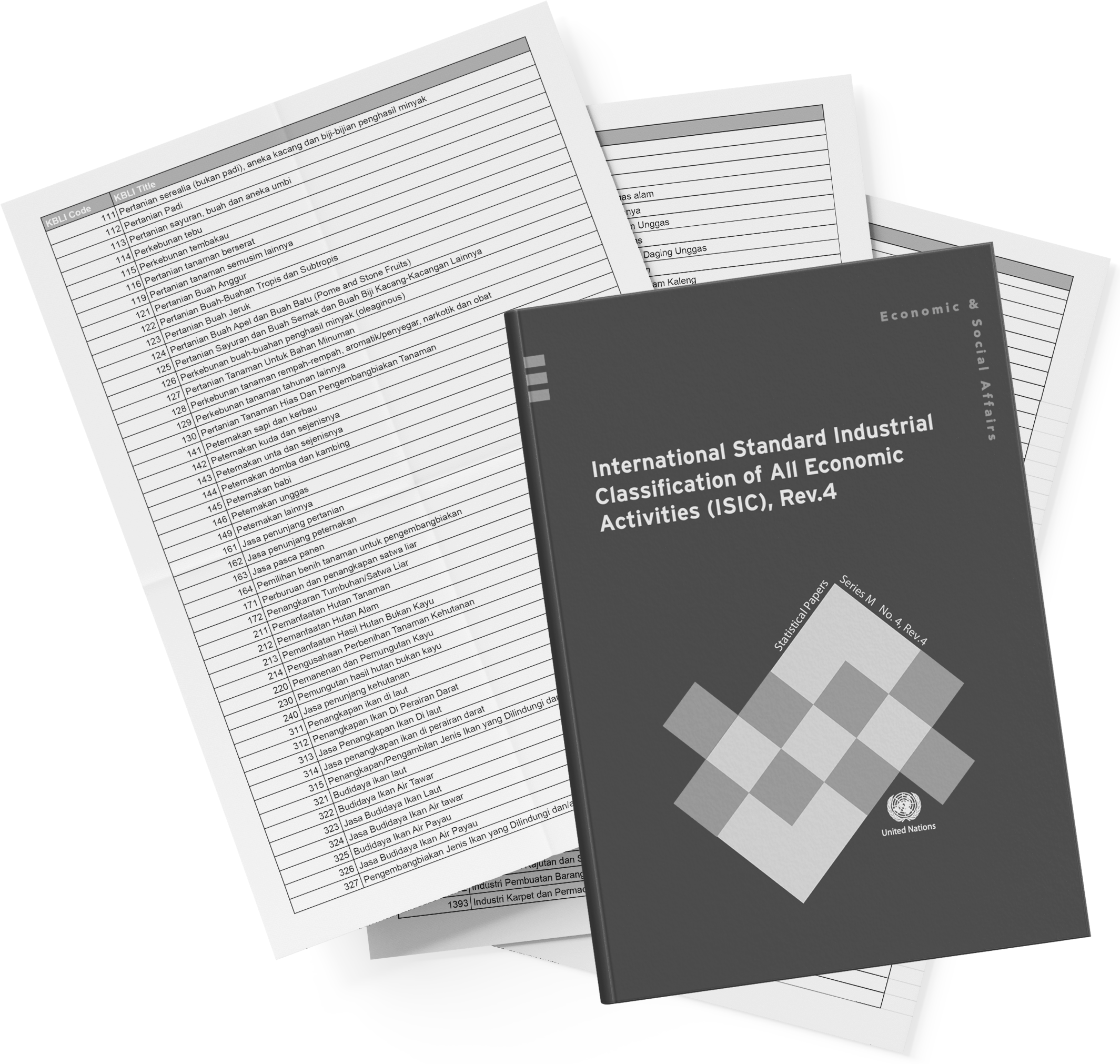
KBLI: 1313: Textile Finishing Industry in Indonesia
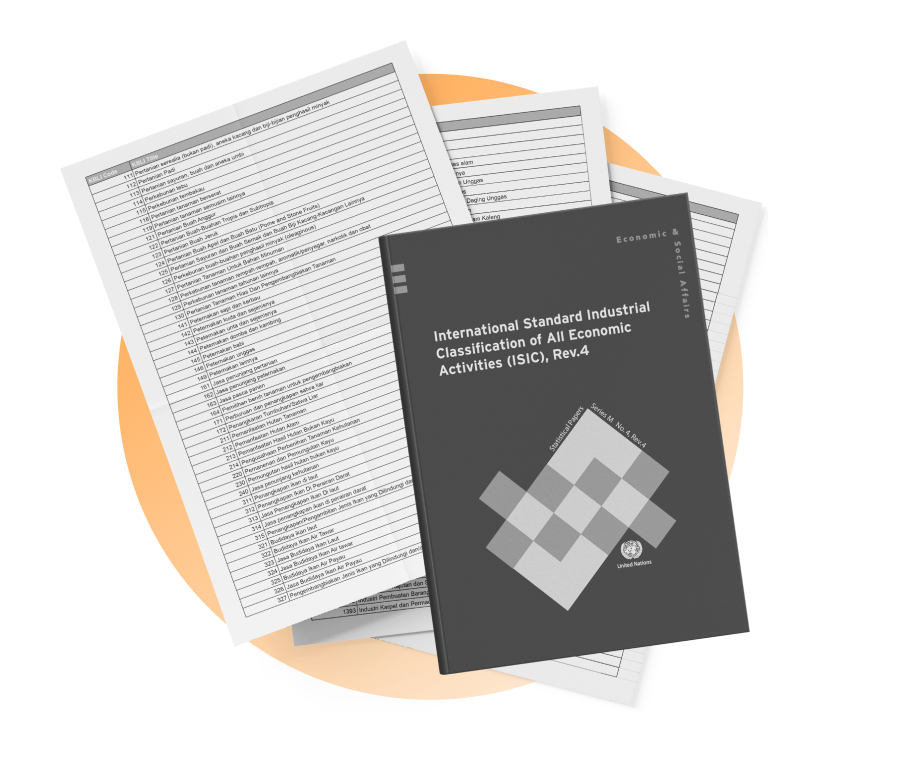
ISIC: Reference: International Standard Industrial Classification
NAICS: Comparable: North American Industry Classification System
Industry Terms
Key terminology for understanding the Textile Finishing Industry in Indonesia industry.
Mercerizing
Caustic soda treatment of cotton yarns/fabrics to improve strength, luster, and dye absorption.
Enables premium shirting fabrics; costlier upfront but yields higher prices in exports.
Batik
Wax-resist dyeing technique creating intricate patterns on fabrics.
UNESCO-recognized Indonesian heritage; commands niche premiums but scales slowly.
Digital Textile Printing
Inkjet printing directly on fabric, bypassing screens.
Reduces water/waste by 90%; ideal for small-batch custom designs in fast fashion.
Industry Overview – Business Types
Different business models operate within the Textile Finishing Industry in Indonesia industry.
Integrated Finishers
Vertically linked to own weaving mills, processing grey fabric in-house for bulk apparel supply.
Scale economies lower costs; reliable quality control.
Standard industry practices apply.
Job-Work Dyers/Printers
Process client-supplied materials on contract, specializing in one process like reactive dyeing.
Flexibility for multiple clients; faster turnaround.
Standard industry practices apply.
Batik Specialists
Artisanal to semi-mechanized wax application and dyeing, often family-run.
Unique cultural patterns; storytelling value in tourism/museums.
Standard industry practices apply.
Industry Performance & Outlook
Performance outlook for Textile Finishing Industry in Indonesia
Stable amid textile sector growth, but margins squeezed by energy costs and competition from Vietnam.
Positive outlook with export recovery and sustainability premiums post-2025.
Key performance indicators
Market growth
Industry expansion rate
Driven by domestic demand
Operational efficiency
Cost management
Key competitive factor
Outlook: what to watch
Monitor regulatory changes
Track infrastructure developments
Watch for technology adoption
Industry Growth Drivers
Key factors driving growth in Textile Finishing Industry in Indonesia.
Growth Driver 1
Domestic consumption growth driven by expanding middle class and rising disposable incomes
Monitor industry reports and market data for trends.
Growth Driver 2
Infrastructure development reducing logistics costs and improving market access
Monitor industry reports and market data for trends.
Growth Driver 3
Government policy support including investment incentives and industrial development programs
Monitor industry reports and market data for trends.
Growth Driver 4
Technology adoption improving productivity and enabling new business models
Monitor industry reports and market data for trends.
Growth Driver 5
Regional economic integration expanding market access and supply chain opportunities
Monitor industry reports and market data for trends.
Growth Driver 6
Urbanization creating concentrated demand centers and distribution efficiencies
Monitor industry reports and market data for trends.
Industry Trends & Development
Industry Development
Evolution of Textile Finishing Industry in Indonesia
Transitioning from wet-processing dominance to dry/digital methods for efficiency.
Integration with Industry 4.0 via automated dyeing machines in larger plants.
Key Trends
Major trends shaping the Textile Finishing Industry in Indonesia industry.
Digitalization and technology adoption
Industry trend shaping market dynamics.
Operators
Investors
Policymakers
Regulatory developments
Industry trend shaping market dynamics.
Operators
Investors
Policymakers
Impact and Sustainability
Sustainability and impact considerations for the finishing of textiles industry.
Economic Impact
Contribution to national economic development.
Balancing growth with sustainability.
Environmental Considerations
Industry practices and environmental impact.
Operational costs vs sustainability.
Industry Segmentation
Industry Segmentation – Product/Service A
Primary market segments based on service type.
Segmentation by offering
Primary Segment
Core offerings
Main market
Addresses primary demand
Secondary Segment
Supporting services
Niche markets
Specialized needs
Segments may overlap based on customer needs.
Industry Segmentation – Product/Service B
Alternative segmentation perspectives.
Segmentation by characteristics
Mass Market
Broad appeal
General consumers
Volume-driven
Premium
High-value offerings
Discerning buyers
Quality-focused
Segment boundaries are fluid.
Customer Segmentation
Different customer segments and their characteristics.
Customer segments and what they value
B2B customers
Various
Multiple needs
Different channels
B2C consumers
Various
Multiple needs
Different channels
Key Players
Ecosystem Mapping
Textile Finishing Industry in Indonesia ecosystem includes various stakeholders.
Suppliers
Provide inputs and raw materials.
Primary producers
Input suppliers
Operators
Core industry participants.
Main industry operators
Service providers
Distribution
Channel to end customers.
Distributors
Retailers
How value flows across the ecosystem
Value is created through coordinated activities across the ecosystem.
Leading Players
Competitive landscape and key player archetypes.
Competitive archetypes
Market Leader
Dominant position
Scale, brand recognition
Market saturation
Specialist
Niche focus
Expertise, agility
Limited scale
How competition typically plays out
Competition is shaped by scale advantages, operational efficiency, and customer relationships.
Differentiation strategies vary by segment, with some players competing on price and others on service quality.
Operating Conditions
Operating Model & Cost Structure
Operating models in Textile Finishing Industry in Indonesia vary by business type.
Direct costs
Primary operational expenses
Input costs
Labor
Utilities
Major cost component
Overhead
Indirect operational costs
Administration
Facilities
Marketing
Scale-dependent
Cost structure summary
Direct costs
Volume and input prices
Operations
Efficiency improvements
Overhead
Scale and complexity
Administration
Process optimization
Cost structure varies by business model and scale.
Regulation & Compliance Considerations
Regulatory framework and compliance requirements.
Common compliance topics
Business licensing
Operating permits
Legal operation
Maintain valid licenses
Quality standards
Product/service requirements
Market access
Quality control systems
Stay current with regulatory changes.
FAQs & Sources
FAQs
What is Textile Finishing Industry in Indonesia?
Textile Finishing Industry in Indonesia encompasses various business activities in the Indonesian market.
Sources & Notes
This report is a synthesized overview based on industry analysis and desk research.
BPS (Statistics Indonesia)
Official statistics and industry data.
Ministry of Industry regulations
Regulatory framework and compliance requirements.
This report is for informational purposes and should not be treated as legal, regulatory, or investment advice.