Textile, Apparel, and Leather Machinery Manufacturing Industry in Indonesia
A practical guide to Textile, Apparel, and Leather Machinery Manufacturing Industry in Indonesia—market dynamics, operational realities, and strategic considerations in Indonesia
Manufacture of Machinery for Textile, Apparel and Leather Production involves designing and building specialized equipment that processes fibers into fabrics, assembles garments, and handles leather into finished products. Core activities include producing spinning frames for yarn formation, power looms for weaving, knitting machines for shaped fabrics, industrial sewing heads for stitching, and tanning drums or splitting machines for leather preparation. These machines enable high-volume, precise operations critical for scaling production, with features like automated tension control in weaving or programmable stitch patterns in sewing to minimize defects and labor input.
Clear industry definition and scope of activities
Operational realities across Indonesia's regions
Market segmentation and customer analysis
Ecosystem mapping and competitive dynamics
Cost structure and unit economics
Regulatory and compliance considerations
Executive Summary
Manufacture of Machinery for Textile, Apparel and Leather Production involves designing and building specialized equipment that processes fibers into fabrics, assembles garments, and handles leather into finished products. Core activities include producing spinning frames for yarn formation, power looms for weaving, knitting machines for shaped fabrics, industrial sewing heads for stitching, and tanning drums or splitting machines for leather preparation.
These machines enable high-volume, precise operations critical for scaling production, with features like automated tension control in weaving or programmable stitch patterns in sewing to minimize defects and labor input.
Tied to apparel export booms: Machinery demand surges with garment orders from US and EU buyers seeking cost-competitive sourcing.
Import-dominant: Over 80% of advanced machines imported, creating niches for local refurbishers and part makers.
Customization key: Machines modified for Indonesian cotton blends or synthetic mixes used in mass-market hijabs and uniforms.
Labor-to-automation shift: Weaving and sewing machines reduce workforce needs amid rising minimum wages in Java factories.
Leather niche: Smaller segment focused on shoe and bag makers in Sidoarjo and Tangerang, with machines for wet-blue processing.
Why this industry matters in Indonesia
Drives industrialization and import substitution for economic resilience.
Creates quality manufacturing jobs across Indonesia's regions.
Supports local content requirements and trade balance improvement.
Critical for downstream value addition from natural resources.
So what: Practical implications
Operators: Focus on quality consistency and process standardization
Buyers: Evaluate supplier capabilities beyond pricing
Investors: Look for operational efficiency and scalability
Policymakers: Support infrastructure development
Indonesia at a Glance
Republic of Indonesia: Large and fragmented market
Indonesia's textile machinery sector mirrors the apparel industry's scale, with steady demand from 1,500+ garment factories producing for global brands, though local manufacturing focuses on basic spinning and sewing upgrades rather than high-tech shuttleless looms.
Growth aligns with national textile output expansion, driven by export quotas and domestic uniform needs, but hampered by rupiah volatility affecting import costs for precision parts like electronic controls.
Market dynamics continue to evolve with changing economic conditions.
Hyperlocalization is key to navigate Indonesia's market
Machines tailored for regional specialties: Batik hubs in Yogyakarta require wax-removal kettles integrated into dyeing lines, while Central Java's songket weavers need jacquard attachments for intricate gold-thread patterns.
Java-centric but adaptive: West Java assemblers tweak Chinese imports for humid climates, adding rust-proof coatings absent in standard exports.
Opportunities extend beyond cities
Secondary clusters in smaller towns like Garut for sarong weaving or Magelang for batik use mobile refurbish units since full factories are urban.
Outer islands lag: Sumatra and Sulawesi factories rely on shipped machines, facing 2-4 week delays that favor durable, low-maintenance models over fragile high-speed ones.
Growing middle class driving premiumization trends across product categories and services
Digital adoption accelerating with mobile-first consumer behavior creating new channel opportunities
Infrastructure investment improving connectivity and reducing logistics costs across the archipelago
Government initiatives supporting domestic industry development and foreign investment attraction
Regional economic integration through ASEAN creating expanded market access and trade opportunities
Sustainability and ESG considerations creating differentiation opportunities for responsible businesses
Distribution realities: logistics, infrastructure, and channel reach
Sea and truck dominant: Heavy looms (5-10 tons) shipped via Tanjung Priok to Java ports, then inland by flatbed amid road weight limits and monsoon disruptions.
Service networks critical: Local agents stock spares in Bandung hubs, as factory downtime from a broken rapier costs IDR millions daily in lost output.
Establish robust distribution partnerships covering both modern trade and traditional channels
Invest in localized supply chain capabilities to navigate logistics complexities and reduce costs
Develop region-specific market entry strategies accounting for local competitive dynamics
Build flexibility into operations to adapt to regulatory changes and infrastructure variations
Industry Definition
What is Textile, Apparel, and Leather Machinery Manufacturing Industry in Indonesia?
Industry Definition
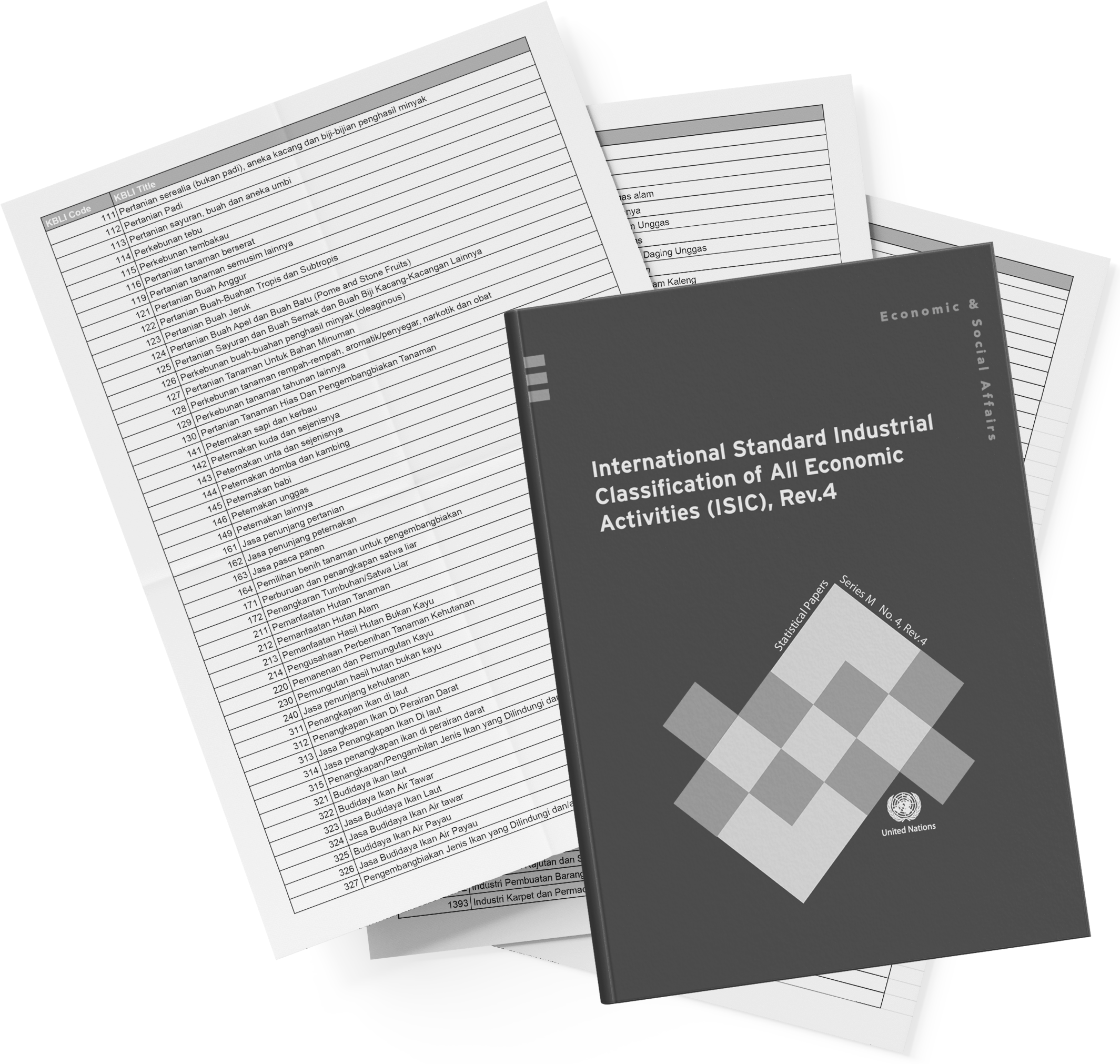
KBLI 2826 precisely covers fabrication of machinery that mechanically transforms textile fibers, yarns, or fabrics, assembles apparel via stitching, or processes hides into leather goods—excluding general-purpose tools or household appliances.
Boundaries exclude textile production itself (KBLI 13), apparel making (14), or leather goods (15); also omits paper Jacquards or domestic washers, focusing on industrial-scale equipment with safety interlocks and production monitoring.
Indonesia in Focus
Indonesia's archipelago geography creates unique distribution challenges requiring adapted logistics and storage solutions.
High humidity and tropical climate demand specific technical approaches to quality preservation and product integrity.
Industry Classification
Conceptually, industry activities sit under specific regulatory frameworks with classification by operational scale and service model.
Operators may be classified by activity type, by service delivery model, and by end-use applications.
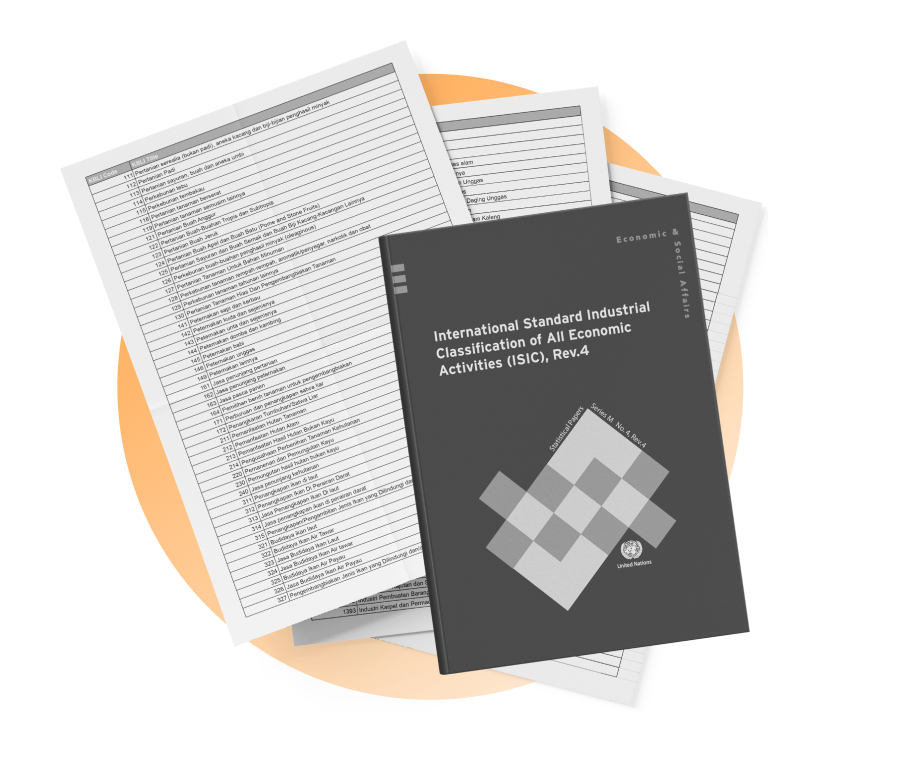
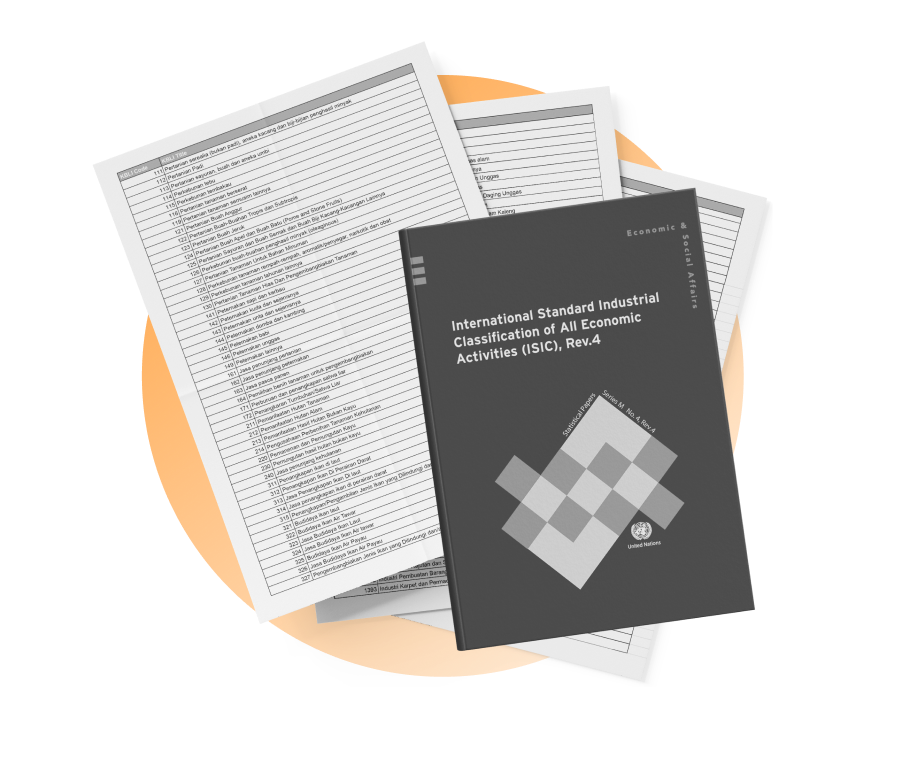
KBLI: 2826: Textile, Apparel, and Leather Machinery Manufacturing Industry in Indonesia
ISIC: Reference: International Standard Industrial Classification
NAICS: Comparable: North American Industry Classification System
Industry Terms
Key terminology for understanding the Textile, Apparel, and Leather Machinery Manufacturing Industry in Indonesia industry.
Spinning Frame
Machine that draws, twists, and winds fibers into yarn bobbins.
Determines yarn strength uniformity, critical for downstream weaving efficiency in Indonesia's blended cotton-synthetic mills.
Shuttleless Loom
High-speed weaving machine using rapier or air-jet to insert weft without shuttles.
Boosts fabric output 3-5x over old shuttles, enabling competitive export pricing despite labor costs.
Industrial Sewing Head
Motorized needle assembly for high-volume garment stitching, often with auto-trim.
Reduces operator fatigue in 12-hour shifts, key for Java factories hitting tight delivery windows.
Industry Overview – Business Types
Different business models operate within the Textile, Apparel, and Leather Machinery Manufacturing Industry in Indonesia industry.
Full Machine Fabricators
Design, machine, and assemble complete units from castings to electronics in integrated factories.
In-house R&D for custom features like batik-compatible tensioners.
Standard industry practices apply.
Component Assemblers
Import frames/parts, add local electronics and testing for semi-knocked-down kits.
Faster delivery and lower duties via local value-add.
Standard industry practices apply.
Refurbishers and Retrofitters
Overhaul used imports with new drives/sensors to extend 10-15 year lifespans.
Cost 40-60% of new, ideal for SME garment makers.
Standard industry practices apply.
Industry Performance & Outlook
Performance outlook for Textile, Apparel, and Leather Machinery Manufacturing Industry in Indonesia
Performance tracks textile capacity utilization, peaking during export seasons but slumping with global slowdowns; outlook positive with apparel FDI inflows.
Automation upgrades drive replacement cycles, tempered by financing hurdles for SMEs.
Key performance indicators
Market growth
Industry expansion rate
Driven by domestic demand
Operational efficiency
Cost management
Key competitive factor
Outlook: what to watch
Monitor regulatory changes
Track infrastructure developments
Watch for technology adoption
Industry Growth Drivers
Key factors driving growth in Textile, Apparel, and Leather Machinery Manufacturing Industry in Indonesia.
Growth Driver 1
Domestic consumption growth driven by expanding middle class and rising disposable incomes
Monitor industry reports and market data for trends.
Growth Driver 2
Infrastructure development reducing logistics costs and improving market access
Monitor industry reports and market data for trends.
Growth Driver 3
Government policy support including investment incentives and industrial development programs
Monitor industry reports and market data for trends.
Growth Driver 4
Technology adoption improving productivity and enabling new business models
Monitor industry reports and market data for trends.
Growth Driver 5
Regional economic integration expanding market access and supply chain opportunities
Monitor industry reports and market data for trends.
Growth Driver 6
Urbanization creating concentrated demand centers and distribution efficiencies
Monitor industry reports and market data for trends.
Industry Trends & Development
Industry Development
Evolution of Textile, Apparel, and Leather Machinery Manufacturing Industry in Indonesia
From manual shuttle looms to automated air-jet systems: Evolution mirrors textile shift from labor-heavy to productivity-focused amid wage rises.
Local content rising: Assemblers integrate Indonesian electronics, reducing import bills.
Key Trends
Major trends shaping the Textile, Apparel, and Leather Machinery Manufacturing Industry in Indonesia industry.
Digitalization and technology adoption
Industry trend shaping market dynamics.
Operators
Investors
Policymakers
Regulatory developments
Industry trend shaping market dynamics.
Operators
Investors
Policymakers
Impact and Sustainability
Sustainability and impact considerations for the manufacture of machinery for textile, apparel and leather production industry.
Economic Impact
Contribution to national economic development.
Balancing growth with sustainability.
Environmental Considerations
Industry practices and environmental impact.
Operational costs vs sustainability.
Industry Segmentation
Industry Segmentation – Product/Service A
Primary market segments based on service type.
Segmentation by offering
Primary Segment
Core offerings
Main market
Addresses primary demand
Secondary Segment
Supporting services
Niche markets
Specialized needs
Segments may overlap based on customer needs.
Industry Segmentation – Product/Service B
Alternative segmentation perspectives.
Segmentation by characteristics
Mass Market
Broad appeal
General consumers
Volume-driven
Premium
High-value offerings
Discerning buyers
Quality-focused
Segment boundaries are fluid.
Customer Segmentation
Different customer segments and their characteristics.
Customer segments and what they value
B2B customers
Various
Multiple needs
Different channels
B2C consumers
Various
Multiple needs
Different channels
Key Players
Ecosystem Mapping
Textile, Apparel, and Leather Machinery Manufacturing Industry in Indonesia ecosystem includes various stakeholders.
Suppliers
Provide inputs and raw materials.
Primary producers
Input suppliers
Operators
Core industry participants.
Main industry operators
Service providers
Distribution
Channel to end customers.
Distributors
Retailers
How value flows across the ecosystem
Value is created through coordinated activities across the ecosystem.
Leading Players
Competitive landscape and key player archetypes.
Competitive archetypes
Market Leader
Dominant position
Scale, brand recognition
Market saturation
Specialist
Niche focus
Expertise, agility
Limited scale
How competition typically plays out
Competition is shaped by scale advantages, operational efficiency, and customer relationships.
Differentiation strategies vary by segment, with some players competing on price and others on service quality.
Operating Conditions
Operating Model & Cost Structure
Operating models in Textile, Apparel, and Leather Machinery Manufacturing Industry in Indonesia vary by business type.
Direct costs
Primary operational expenses
Input costs
Labor
Utilities
Major cost component
Overhead
Indirect operational costs
Administration
Facilities
Marketing
Scale-dependent
Cost structure summary
Direct costs
Volume and input prices
Operations
Efficiency improvements
Overhead
Scale and complexity
Administration
Process optimization
Cost structure varies by business model and scale.
Regulation & Compliance Considerations
Regulatory framework and compliance requirements.
Common compliance topics
Business licensing
Operating permits
Legal operation
Maintain valid licenses
Quality standards
Product/service requirements
Market access
Quality control systems
Stay current with regulatory changes.
FAQs & Sources
FAQs
What is Textile, Apparel, and Leather Machinery Manufacturing Industry in Indonesia?
Textile, Apparel, and Leather Machinery Manufacturing Industry in Indonesia encompasses various business activities in the Indonesian market.
Sources & Notes
This report is a synthesized overview based on industry analysis and desk research.
BPS (Statistics Indonesia)
Official statistics and industry data.
Ministry of Industry regulations
Regulatory framework and compliance requirements.
This report is for informational purposes and should not be treated as legal, regulatory, or investment advice.