Sugarcane Growing Industry in Indonesia
A practical guide to Sugarcane Growing Industry in Indonesia—market dynamics, operational realities, and strategic considerations in Indonesia
The industry focuses on cultivating sugar cane (Saccharum officinarum) through land preparation, planting stem cuttings, irrigation, fertilization, weeding, and harvesting at peak sucrose content. Farmers manage ratoon crops for multiple harvests from the same planting to optimize costs, supplying fresh cane to nearby mills where sucrose extraction occurs.
Clear industry definition and scope of activities
Operational realities across Indonesia's regions
Market segmentation and customer analysis
Ecosystem mapping and competitive dynamics
Cost structure and unit economics
Regulatory and compliance considerations
Executive Summary
The industry focuses on cultivating sugar cane (Saccharum officinarum) through land preparation, planting stem cuttings, irrigation, fertilization, weeding, and harvesting at peak sucrose content.
Farmers manage ratoon crops for multiple harvests from the same planting to optimize costs, supplying fresh cane to nearby mills where sucrose extraction occurs.
East Java accounts for nearly half of national planted area at around 240,000 hectares.
Smallholders manage over 50% of total area, typically on plots under 2 hectares.
Annual production hovers around 30-35 million tons, supporting 2.5-3 million tons of raw sugar.
Proximity to sugar mills is critical due to cane's rapid sucrose deterioration post-harvest.
Government drives expansion targeting self-sufficiency by 2026 through new plantings and yield improvements.
Vulnerable to El Niño droughts and pests like the sugarcane borer, impacting yields averaging 60 tons per hectare.
Why this industry matters in Indonesia
Supports Indonesia's economic growth and development objectives.
Creates employment opportunities across diverse skill levels.
Critical for service delivery and value chain integration.
Enables Indonesia's competitiveness in regional and global markets.
So what: Practical implications
Operators: Focus on quality consistency and process standardization
Buyers: Evaluate supplier capabilities beyond pricing
Investors: Look for operational efficiency and scalability
Policymakers: Support infrastructure development
Indonesia at a Glance
Republic of Indonesia: Large and fragmented market
Harvested area reached 520,000 hectares in 2024, with production estimated at 32 million tons for MY2024/25, up from prior years due to area expansion.
Forecasts project 35 million tons in MY2025/26, driven by government programs amid rising domestic sugar demand.
Market dynamics continue to evolve with changing economic conditions.
Hyperlocalization is key to navigate Indonesia's market
East Java's dense network of 20+ mills enables efficient plasma farming, with high ratoon productivity from fertile volcanic soils.
Lampung focuses on large plasma estates, leveraging Sumatra's rainfall but challenged by longer transport to coastal mills.
Opportunities extend beyond cities
Core production in rural Java (East, Central) and southern Sumatra, far from urban centers, relies on village-level cooperatives for inputs.
Emerging frontiers in West Kalimantan and Papua offer land but face infrastructure gaps, slowing adoption.
Growing middle class driving premiumization trends across product categories and services
Digital adoption accelerating with mobile-first consumer behavior creating new channel opportunities
Infrastructure investment improving connectivity and reducing logistics costs across the archipelago
Government initiatives supporting domestic industry development and foreign investment attraction
Regional economic integration through ASEAN creating expanded market access and trade opportunities
Sustainability and ESG considerations creating differentiation opportunities for responsible businesses
Distribution realities: logistics, infrastructure, and channel reach
Cane must reach mills within 24-48 hours post-harvest via trucks; delays cut sucrose by 0.5-1% daily, eroding farmer payments.
Regional hubs use weighing stations at mill gates; inter-island rarely viable due to spoilage and high freight costs.
Establish robust distribution partnerships covering both modern trade and traditional channels
Invest in localized supply chain capabilities to navigate logistics complexities and reduce costs
Develop region-specific market entry strategies accounting for local competitive dynamics
Build flexibility into operations to adapt to regulatory changes and infrastructure variations
Industry Definition
What is Sugarcane Growing Industry in Indonesia?
Industry Definition
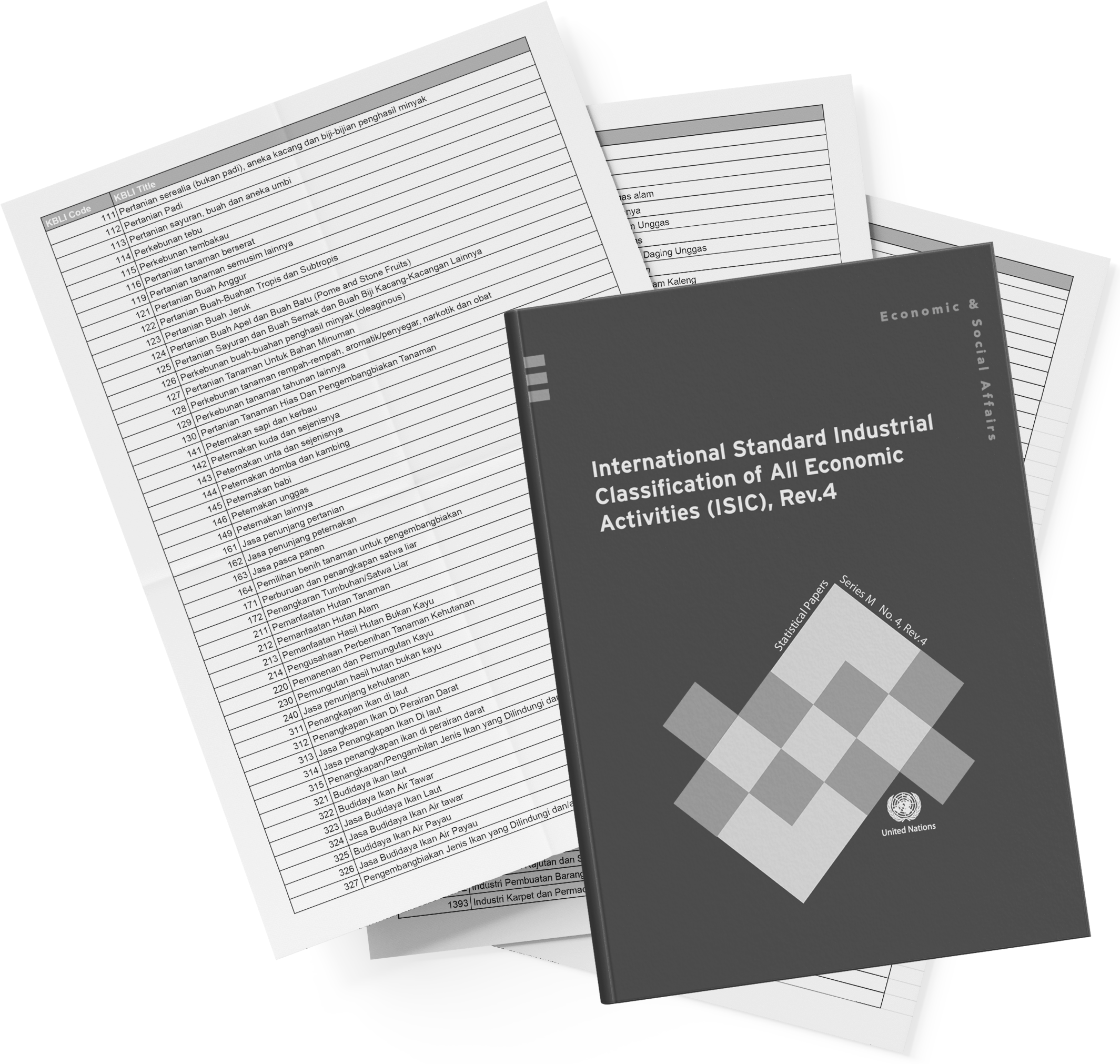
KBLI 0114 strictly covers sugar cane cultivation activities, from planting to harvest, excluding milling, refining, or other crop farming.
Includes ratooning and field maintenance; boundaries exclude sugar processing (KBLI 1072) or integrated agro-industry.
Indonesia in Focus
Indonesia's diverse agro-ecological zones across the equator create unique growing conditions, with operators needing to adapt to distinct climate patterns, soil types, and rainfall distribution between western and eastern archipelagic regions.
High humidity and tropical rainfall present both opportunities and challenges for crop cultivation, requiring careful water management during wet seasons and drought-resistant varieties during increasingly unpredictable dry periods exacerbated by climate change.
Industry Classification
Growing operations are classified by scale and land tenure: smallholder farmers cultivating less than 2 hectares, medium-scale commercial operations managing 2-25 hectares, and large plantation estates exceeding 25 hectares often with integrated processing facilities.
Secondary classification distinguishes by cultivation method: conventional farming using chemical inputs and mechanization, organic operations following certified standards, and agroforestry systems integrating crops with forestry practices for sustainability.
KBLI: 0114: Sugarcane Growing Industry in Indonesia
ISIC: Reference: International Standard Industrial Classification
NAICS: Comparable: North American Industry Classification System
Industry Terms
Key terminology for understanding the Sugarcane Growing Industry in Indonesia industry.
Plasma Tani
Contract farming where mills provide land, seeds, and inputs to smallholders in exchange for exclusive cane supply.
Stabilizes supply for mills while offering farmers technical aid and guaranteed payments, covering 40-50% of national cane.
Ratooning
Regrowing cane from stubble after initial harvest, typically 3-5 cycles before replanting.
Cuts replanting costs by 50% but risks yield decline and disease buildup, balancing short-term gains against long-term soil health.
Giling Tebu
Annual milling season (April-October) when mills process harvested cane.
Dictates planting calendars; mismatches cause payment delays or rejections, compressing farmer cash flows.
Industry Overview – Business Types
Different business models operate within the Sugarcane Growing Industry in Indonesia industry.
Independent Smallholders
Own small plots (<2 ha), self-fund inputs, sell spot to any mill based on daily quotes.
Crop flexibility for intercropping but exposed to price volatility and transport negotiations.
Standard industry practices apply.
Plasma Contract Farmers
Lease mill-provided land/seeds, follow agronomic plans, deliver fixed tonnage at set sucrose-based prices.
Subsidized inputs and extension services yield 10-20% higher, trading autonomy for security.
Standard industry practices apply.
Cooperative Group Farms
Members pool land/machinery for joint planting/harvest, negotiate bulk with mills.
Shared mechanization lowers costs 15-25%, enabling medium-scale efficiency without estate capital.
Standard industry practices apply.
Industry Performance & Outlook
Performance outlook for Sugarcane Growing Industry in Indonesia
Yields stable at 60 tons/ha despite area growth to 530,000 ha; production up 10% YoY via expansion.
Positive outlook with 100,000 ha new plantings targeted, aiming for sugar self-sufficiency by 2026.
Key performance indicators
Market growth
Industry expansion rate
Driven by domestic demand
Operational efficiency
Cost management
Key competitive factor
Outlook: what to watch
Monitor regulatory changes
Track infrastructure developments
Watch for technology adoption
Industry Growth Drivers
Key factors driving growth in Sugarcane Growing Industry in Indonesia.
Growth Driver 1
Domestic consumption growth driven by expanding middle class and rising disposable incomes
Monitor industry reports and market data for trends.
Growth Driver 2
Infrastructure development reducing logistics costs and improving market access
Monitor industry reports and market data for trends.
Growth Driver 3
Government policy support including investment incentives and industrial development programs
Monitor industry reports and market data for trends.
Growth Driver 4
Technology adoption improving productivity and enabling new business models
Monitor industry reports and market data for trends.
Growth Driver 5
Regional economic integration expanding market access and supply chain opportunities
Monitor industry reports and market data for trends.
Growth Driver 6
Urbanization creating concentrated demand centers and distribution efficiencies
Monitor industry reports and market data for trends.
Industry Trends & Development
Industry Development
Evolution of Sugarcane Growing Industry in Indonesia
Shift from import reliance to domestic expansion, with mill rehabilitations doubling plasma capacity.
Plasma schemes now cover 44% of area, integrating smallholders into mill supply chains.
Key Trends
Major trends shaping the Sugarcane Growing Industry in Indonesia industry.
Digitalization and technology adoption
Industry trend shaping market dynamics.
Operators
Investors
Policymakers
Regulatory developments
Industry trend shaping market dynamics.
Operators
Investors
Policymakers
Impact and Sustainability
Sustainability and impact considerations for the growing of sugar cane industry.
Economic Impact
Contribution to national economic development.
Balancing growth with sustainability.
Environmental Considerations
Industry practices and environmental impact.
Operational costs vs sustainability.
Industry Segmentation
Industry Segmentation – Product/Service A
Primary market segments based on service type.
Segmentation by offering
Primary Segment
Core offerings
Main market
Addresses primary demand
Secondary Segment
Supporting services
Niche markets
Specialized needs
Segments may overlap based on customer needs.
Industry Segmentation – Product/Service B
Alternative segmentation perspectives.
Segmentation by characteristics
Mass Market
Broad appeal
General consumers
Volume-driven
Premium
High-value offerings
Discerning buyers
Quality-focused
Segment boundaries are fluid.
Customer Segmentation
Different customer segments and their characteristics.
Customer segments and what they value
B2B customers
Various
Multiple needs
Different channels
B2C consumers
Various
Multiple needs
Different channels
Key Players
Ecosystem Mapping
Sugarcane Growing Industry in Indonesia ecosystem includes various stakeholders.
Suppliers
Provide inputs and raw materials.
Primary producers
Input suppliers
Operators
Core industry participants.
Main industry operators
Service providers
Distribution
Channel to end customers.
Distributors
Retailers
How value flows across the ecosystem
Value is created through coordinated activities across the ecosystem.
Leading Players
Competitive landscape and key player archetypes.
Competitive archetypes
Market Leader
Dominant position
Scale, brand recognition
Market saturation
Specialist
Niche focus
Expertise, agility
Limited scale
How competition typically plays out
Competition is shaped by scale advantages, operational efficiency, and customer relationships.
Differentiation strategies vary by segment, with some players competing on price and others on service quality.
Operating Conditions
Operating Model & Cost Structure
Operating models in Sugarcane Growing Industry in Indonesia vary by business type.
Direct costs
Primary operational expenses
Input costs
Labor
Utilities
Major cost component
Overhead
Indirect operational costs
Administration
Facilities
Marketing
Scale-dependent
Cost structure summary
Direct costs
Volume and input prices
Operations
Efficiency improvements
Overhead
Scale and complexity
Administration
Process optimization
Cost structure varies by business model and scale.
Regulation & Compliance Considerations
Regulatory framework and compliance requirements.
Common compliance topics
Business licensing
Operating permits
Legal operation
Maintain valid licenses
Quality standards
Product/service requirements
Market access
Quality control systems
Stay current with regulatory changes.
FAQs & Sources
FAQs
What is Sugarcane Growing Industry in Indonesia?
Sugarcane Growing Industry in Indonesia encompasses various business activities in the Indonesian market.
Sources & Notes
This report is a synthesized overview based on industry analysis and desk research.
BPS (Statistics Indonesia)
Official statistics and industry data.
Ministry of Industry regulations
Regulatory framework and compliance requirements.
This report is for informational purposes and should not be treated as legal, regulatory, or investment advice.