Stone Cutting, Shaping, and Finishing Industry in Indonesia
A practical guide to Stone Cutting, Shaping, and Finishing Industry in Indonesia—market dynamics, operational realities, and strategic considerations in Indonesia
Cutting, Shaping and Finishing of Stone takes rough blocks from quarries and transforms them into marketable products like slabs, tiles, countertops, and custom architectural elements through sawing, grinding, polishing, and detailing. This value-adding process ensures dimensional precision, surface quality, and durability, using water-cooled diamond tools to minimize cracking and waste while enhancing natural veining and color. Operators handle stone types like marble, granite, onyx, and limestone, applying treatments such as epoxy filling for fissures or honing for matte finishes, bridging raw extraction with end-use in construction, interiors, and exports.
Clear industry definition and scope of activities
Operational realities across Indonesia's regions
Market segmentation and customer analysis
Ecosystem mapping and competitive dynamics
Cost structure and unit economics
Regulatory and compliance considerations
Executive Summary
Cutting, Shaping and Finishing of Stone takes rough blocks from quarries and transforms them into marketable products like slabs, tiles, countertops, and custom architectural elements through sawing, grinding, polishing, and detailing. This value-adding process ensures dimensional precision, surface quality, and durability, using water-cooled diamond tools to minimize cracking and waste while enhancing natural veining and color.
Operators handle stone types like marble, granite, onyx, and limestone, applying treatments such as epoxy filling for fissures or honing for matte finishes, bridging raw extraction with end-use in construction, interiors, and exports.
Processing is hyper-localized around quarries to cut transport costs for heavy blocks, creating Java-dominant clusters.
Diamond gang saws and CNC bridges define modern ops, but many SMEs rely on manual labor for custom shapes.
Water recycling is critical due to high usage in cutting and polishing, especially in dry regions.
Export certification like CE marking boosts premiums, but domestic sales prioritize price over specs.
Seasonal quarry output ties capacity to rain patterns, forcing flexible scheduling.
Why this industry matters in Indonesia
Supports Indonesia's economic growth and development objectives.
Creates employment opportunities across diverse skill levels.
Critical for service delivery and value chain integration.
Enables Indonesia's competitiveness in regional and global markets.
So what: Practical implications
Operators: Focus on quality consistency and process standardization
Buyers: Evaluate supplier capabilities beyond pricing
Investors: Look for operational efficiency and scalability
Policymakers: Support infrastructure development
Indonesia at a Glance
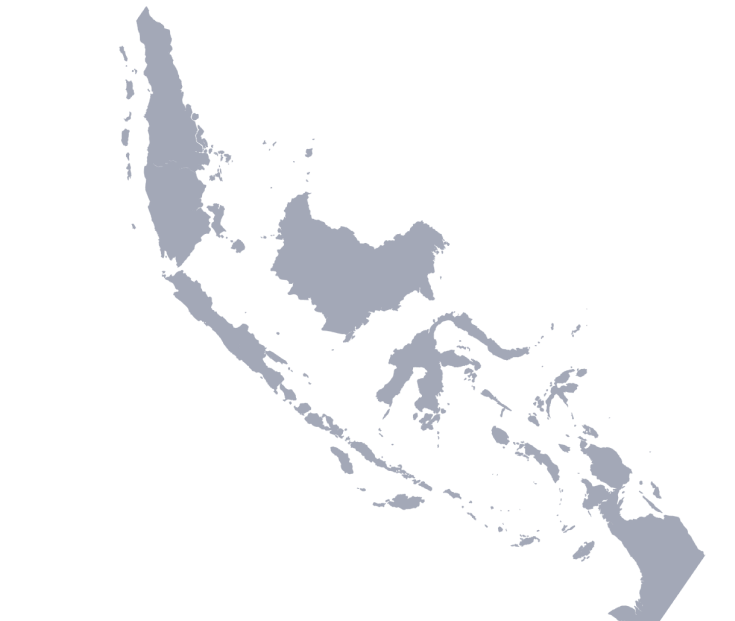
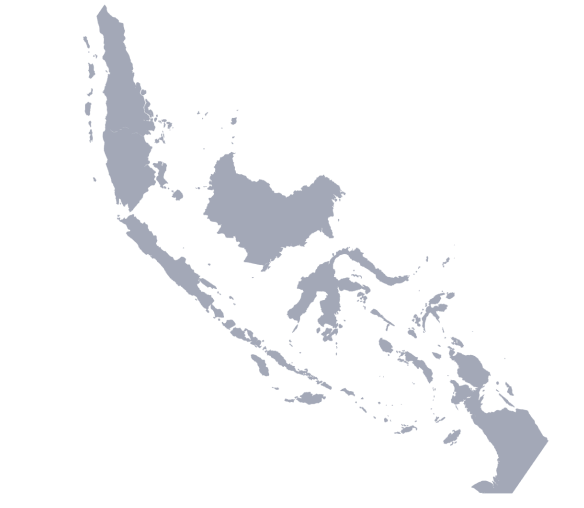
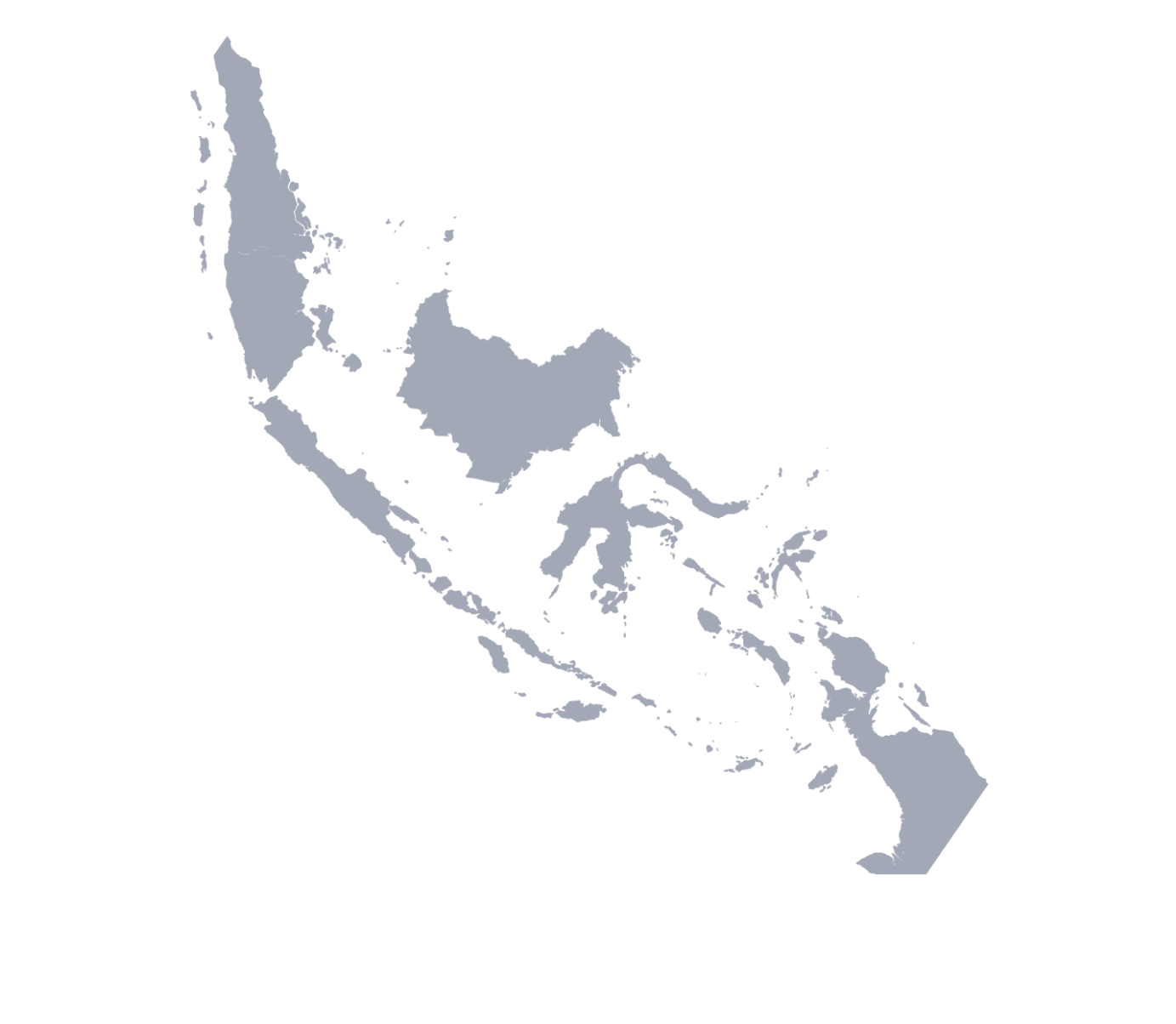
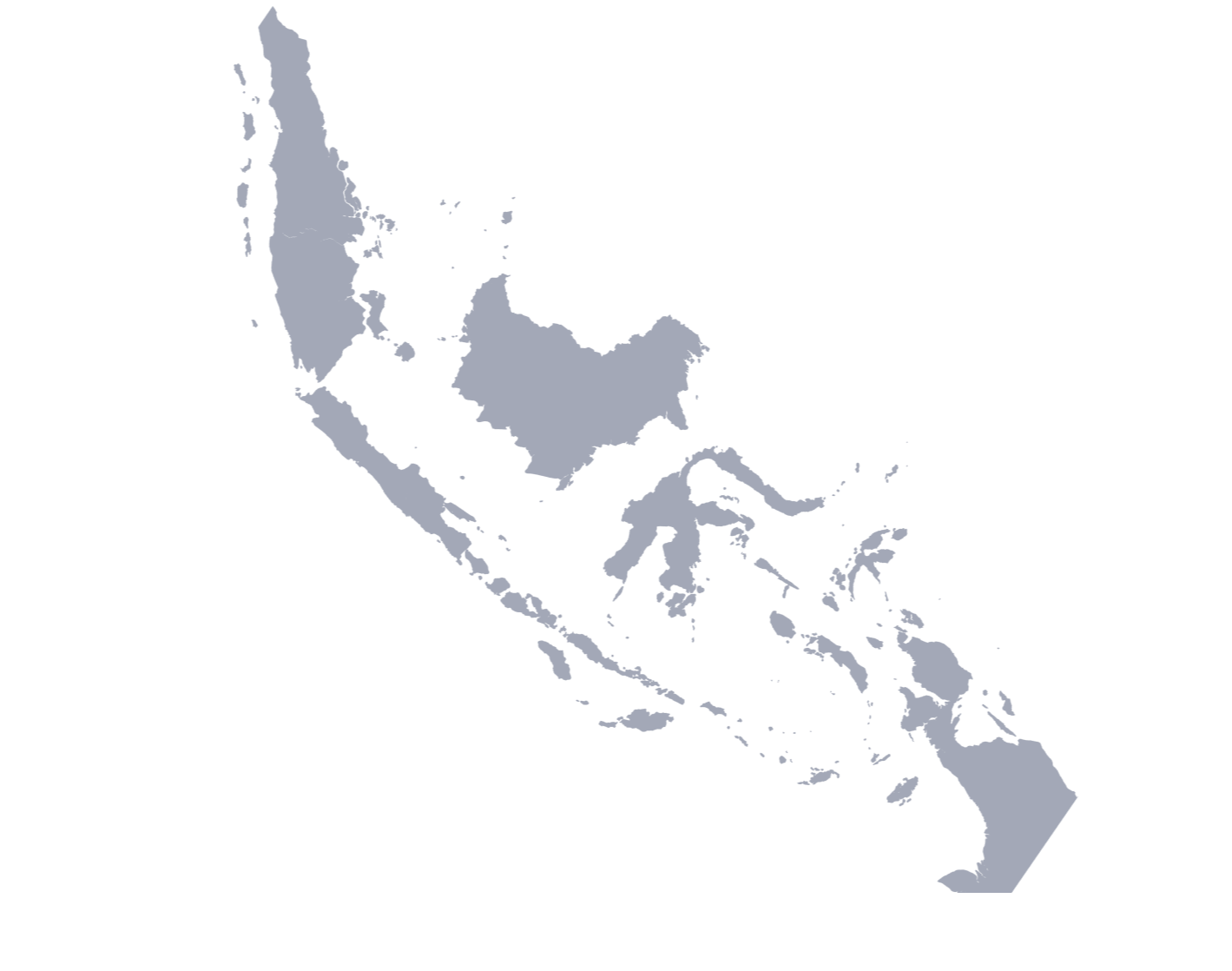
Republic of Indonesia: Large and fragmented market
Indonesia's stone finishing industry supports a booming construction sector, with processing hubs turning out tiles and slabs for high-rises, villas, and public works amid urbanization in Java and Sumatra. Demand spikes with government infrastructure like toll roads and IKN, while exports target Asia-Pacific markets seeking premium natural finishes.
Java clusters handle most volume, exporting semi-finished slabs while retaining tile production domestically; trade-offs include raw block outflows to China reducing local throughput.
Market dynamics continue to evolve with changing economic conditions.
Hyperlocalization is key to navigate Indonesia's market
Tulungagung in East Java excels in white marble tiles for crafts and flooring, with family-run factories adapting cuts to local vein patterns unavailable elsewhere.
Sukabumi's green onyx processors specialize in translucent slabs for lighting, using unique hardening techniques tied to stone porosity; Sulawesi granite finishers focus on durable outdoor pavers resilient to tropical weathering.
Opportunities extend beyond cities
Rural quarry-adjacent yards in Campurdarat (Tulungagung) and Cileungsi process 60-80% of output, minimizing block hauling but facing power unreliability.
Outer-island sites near Makassar granite quarries serve regional hotels and ports, bypassing Java logistics but limited by machinery access.
Growing middle class driving premiumization trends across product categories and services
Digital adoption accelerating with mobile-first consumer behavior creating new channel opportunities
Infrastructure investment improving connectivity and reducing logistics costs across the archipelago
Government initiatives supporting domestic industry development and foreign investment attraction
Regional economic integration through ASEAN creating expanded market access and trade opportunities
Sustainability and ESG considerations creating differentiation opportunities for responsible businesses
Distribution realities: logistics, infrastructure, and channel reach
Blocks move short-haul by truck to cluster factories, then finished goods via container to Tanjung Priok or Surabaya ports for export; domestic uses RoRo ferries for inter-island bulk.
Just-in-time delivery challenges arise from stone variability, pushing stockpiling in humid warehouses to prevent staining.
Establish robust distribution partnerships covering both modern trade and traditional channels
Invest in localized supply chain capabilities to navigate logistics complexities and reduce costs
Develop region-specific market entry strategies accounting for local competitive dynamics
Build flexibility into operations to adapt to regulatory changes and infrastructure variations
Industry Definition
What is Stone Cutting, Shaping, and Finishing Industry in Indonesia?
Industry Definition
KBLI 2396 covers post-quarry transformation of natural stone—marble, granite, travertine—into sized, surfaced products via cutting (gang saws, wire saws), shaping (CNC milling), and finishing (polishing, flaming, bush-hammering). Boundaries exclude upstream quarrying (KBLI 0810), downstream fabrication like countertops (2399), and artificial stone molding.
Activities emphasize quality control for flatness (±1mm), thickness uniformity, and defect repair, producing for B2B channels in construction and export.
Indonesia in Focus
Indonesia's archipelago geography creates unique distribution challenges requiring adapted logistics and storage solutions.
High humidity and tropical climate demand specific technical approaches to quality preservation and product integrity.
Industry Classification
Conceptually, industry activities sit under specific regulatory frameworks with classification by operational scale and service model.
Operators may be classified by activity type, by service delivery model, and by end-use applications.
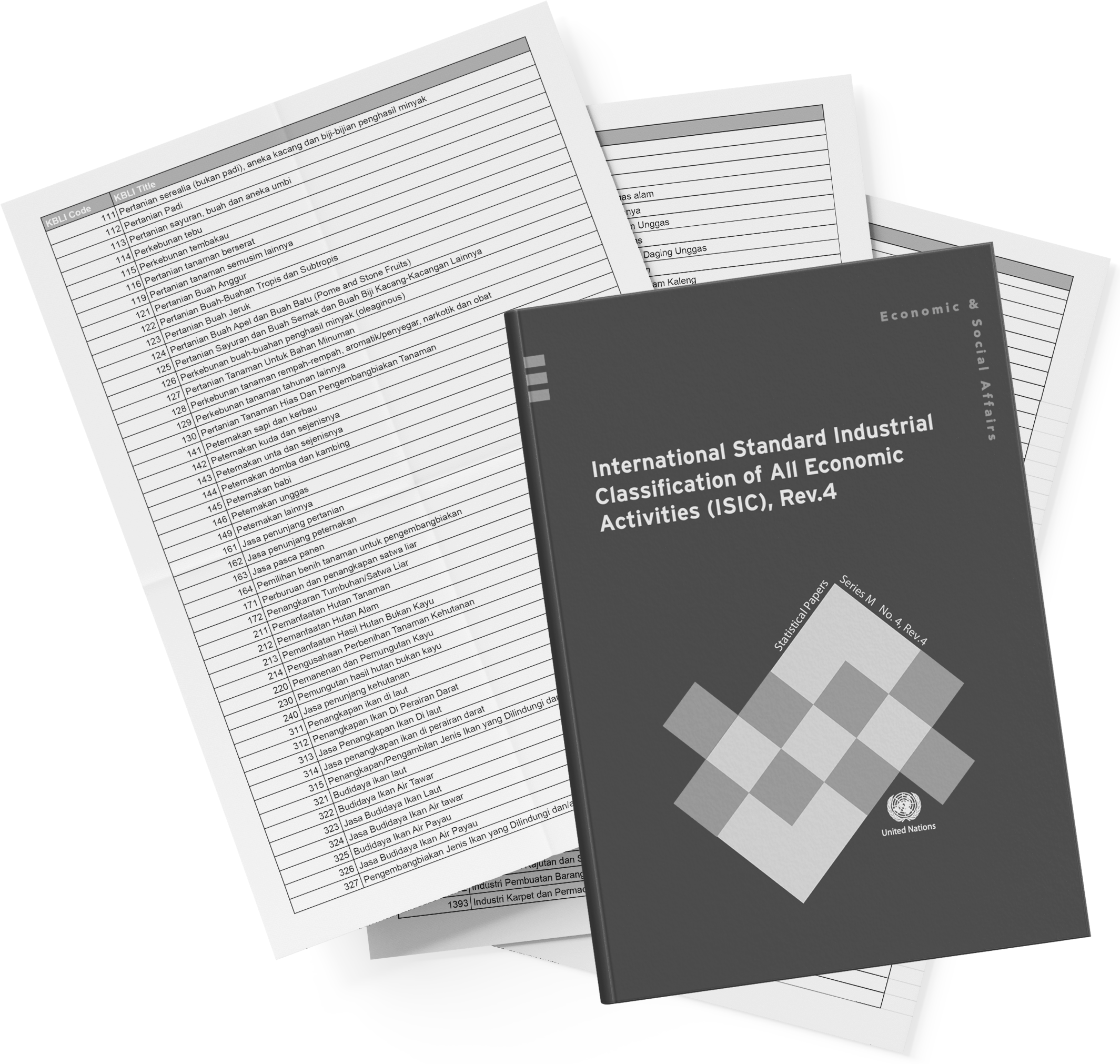
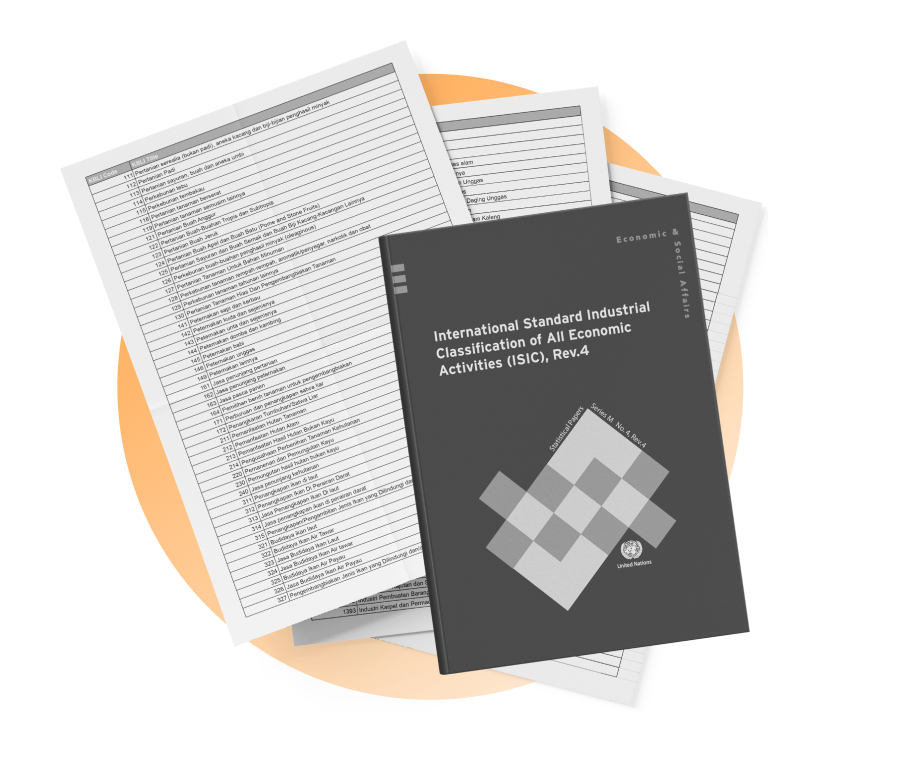
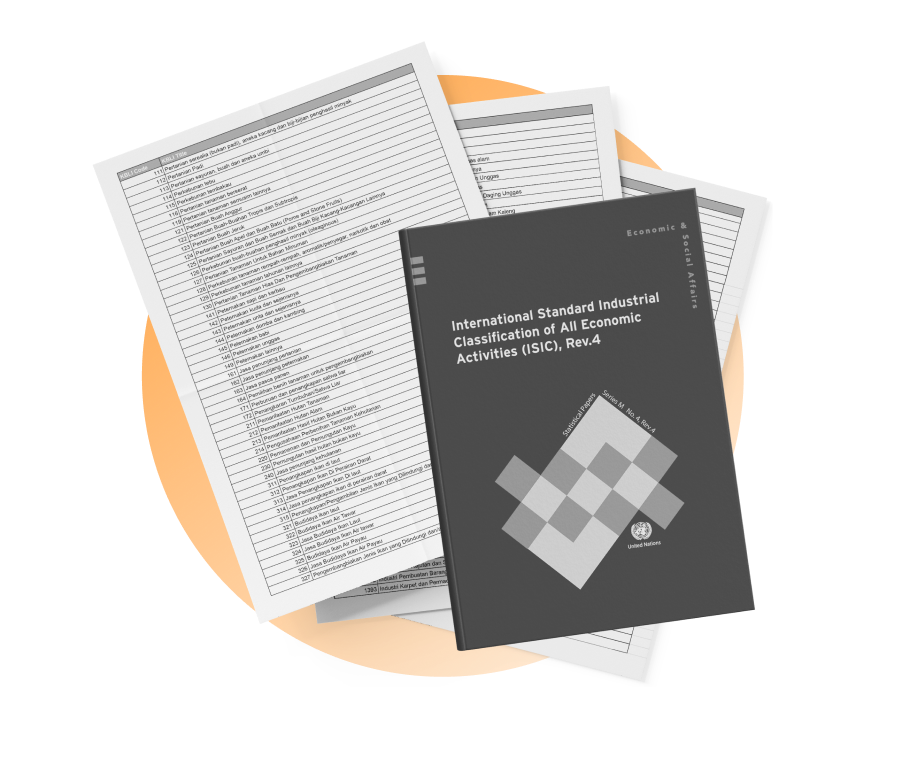
KBLI: 2396: Stone Cutting, Shaping, and Finishing Industry in Indonesia
ISIC: Reference: International Standard Industrial Classification
NAICS: Comparable: North American Industry Classification System
Industry Terms
Key terminology for understanding the Stone Cutting, Shaping, and Finishing Industry in Indonesia industry.
Gang saw
Multi-blade frame saw that slices blocks into slabs in one pass using diamond segments.
Enables high-volume slab production with parallel cuts, reducing labor vs. circular saws but requiring straight blocks to avoid blade damage.
Calibration
Grinding slabs to uniform thickness using abrasive heads.
Ensures install-ready flatness, critical for large-format tiles; skips lead to warping claims in humid Indonesia.
Epoxy filling
Injecting resin into cracks or pits before polishing.
Stabilizes porous stones like marble for export durability, trading aesthetics for structural integrity.
Industry Overview – Business Types
Different business models operate within the Stone Cutting, Shaping, and Finishing Industry in Indonesia industry.
Tile Production Mills
High-throughput lines cut 30-60cm squares, calibrate, and polish for flooring; output standardized packs.
Volume efficiency via automation, low margins but steady domestic sales.
Standard industry practices apply.
Slab Exporters
Process 2-3cm thick slabs up to 3m long, resin-fill, and bundle for containers.
Quality specs (e.g., A6000 polishing) for premium markets like Japan.
Standard industry practices apply.
Custom Fabricators
CNC shape bespoke elements like carvings or curved panels from client drawings.
Artisanal skill for high-end villas, slower but 5x margins.
Standard industry practices apply.
Industry Performance & Outlook
Performance outlook for Stone Cutting, Shaping, and Finishing Industry in Indonesia
Sector throughput grows with construction capex, but raw block exports cap finishing capacity; outlook ties to IKN buildout and ASEAN trade.
Machinery upgrades lift yields from 40% to 60%, offsetting labor costs amid rising wages.
Key performance indicators
Market growth
Industry expansion rate
Driven by domestic demand
Operational efficiency
Cost management
Key competitive factor
Outlook: what to watch
Monitor regulatory changes
Track infrastructure developments
Watch for technology adoption
Industry Growth Drivers
Key factors driving growth in Stone Cutting, Shaping, and Finishing Industry in Indonesia.
Growth Driver 1
Domestic consumption growth driven by expanding middle class and rising disposable incomes
Monitor industry reports and market data for trends.
Growth Driver 2
Infrastructure development reducing logistics costs and improving market access
Monitor industry reports and market data for trends.
Growth Driver 3
Government policy support including investment incentives and industrial development programs
Monitor industry reports and market data for trends.
Growth Driver 4
Technology adoption improving productivity and enabling new business models
Monitor industry reports and market data for trends.
Growth Driver 5
Regional economic integration expanding market access and supply chain opportunities
Monitor industry reports and market data for trends.
Growth Driver 6
Urbanization creating concentrated demand centers and distribution efficiencies
Monitor industry reports and market data for trends.
Industry Trends & Development
Industry Development
Evolution of Stone Cutting, Shaping, and Finishing Industry in Indonesia
From manual chiseling to mechanized lines: early yards used labor-intensive breaking, now gang saws and robots handle 90% cuts for scale.
Export shift: raw blocks to China declined as locals invest in finishing for value capture.
Key Trends
Major trends shaping the Stone Cutting, Shaping, and Finishing Industry in Indonesia industry.
Digitalization and technology adoption
Industry trend shaping market dynamics.
Operators
Investors
Policymakers
Regulatory developments
Industry trend shaping market dynamics.
Operators
Investors
Policymakers
Impact and Sustainability
Sustainability and impact considerations for the cutting, shaping and finishing of stone industry.
Economic Impact
Contribution to national economic development.
Balancing growth with sustainability.
Environmental Considerations
Industry practices and environmental impact.
Operational costs vs sustainability.
Industry Segmentation
Industry Segmentation – Product/Service A
Primary market segments based on service type.
Segmentation by offering
Primary Segment
Core offerings
Main market
Addresses primary demand
Secondary Segment
Supporting services
Niche markets
Specialized needs
Segments may overlap based on customer needs.
Industry Segmentation – Product/Service B
Alternative segmentation perspectives.
Segmentation by characteristics
Mass Market
Broad appeal
General consumers
Volume-driven
Premium
High-value offerings
Discerning buyers
Quality-focused
Segment boundaries are fluid.
Customer Segmentation
Different customer segments and their characteristics.
Customer segments and what they value
B2B customers
Various
Multiple needs
Different channels
B2C consumers
Various
Multiple needs
Different channels
Key Players
Ecosystem Mapping
Stone Cutting, Shaping, and Finishing Industry in Indonesia ecosystem includes various stakeholders.
Suppliers
Provide inputs and raw materials.
Primary producers
Input suppliers
Operators
Core industry participants.
Main industry operators
Service providers
Distribution
Channel to end customers.
Distributors
Retailers
How value flows across the ecosystem
Value is created through coordinated activities across the ecosystem.
Leading Players
Competitive landscape and key player archetypes.
Competitive archetypes
Market Leader
Dominant position
Scale, brand recognition
Market saturation
Specialist
Niche focus
Expertise, agility
Limited scale
How competition typically plays out
Competition is shaped by scale advantages, operational efficiency, and customer relationships.
Differentiation strategies vary by segment, with some players competing on price and others on service quality.
Operating Conditions
Operating Model & Cost Structure
Operating models in Stone Cutting, Shaping, and Finishing Industry in Indonesia vary by business type.
Direct costs
Primary operational expenses
Input costs
Labor
Utilities
Major cost component
Overhead
Indirect operational costs
Administration
Facilities
Marketing
Scale-dependent
Cost structure summary
Direct costs
Volume and input prices
Operations
Efficiency improvements
Overhead
Scale and complexity
Administration
Process optimization
Cost structure varies by business model and scale.
Regulation & Compliance Considerations
Regulatory framework and compliance requirements.
Common compliance topics
Business licensing
Operating permits
Legal operation
Maintain valid licenses
Quality standards
Product/service requirements
Market access
Quality control systems
Stay current with regulatory changes.
FAQs & Sources
FAQs
What is Stone Cutting, Shaping, and Finishing Industry in Indonesia?
Stone Cutting, Shaping, and Finishing Industry in Indonesia encompasses various business activities in the Indonesian market.
Sources & Notes
This report is a synthesized overview based on industry analysis and desk research.
BPS (Statistics Indonesia)
Official statistics and industry data.
Ministry of Industry regulations
Regulatory framework and compliance requirements.
This report is for informational purposes and should not be treated as legal, regulatory, or investment advice.