Spirit Distilling, Rectifying, and Blending Industry in Indonesia
A practical guide to Spirit Distilling, Rectifying, and Blending Industry in Indonesia—market dynamics, operational realities, and strategic considerations in Indonesia
This industry encompasses the production of high-strength alcoholic beverages (20-55% ABV) through distillation of fermented mashes, rectification to purify alcohol, and blending to achieve desired flavors and strengths. Core activities include manufacturing spirits like whiskey, rum, gin, vodka, brandy, and liqueurs, often starting from imported neutral spirits or local ferments like palm sap.
Clear industry definition and scope of activities
Operational realities across Indonesia's regions
Market segmentation and customer analysis
Ecosystem mapping and competitive dynamics
Cost structure and unit economics
Regulatory and compliance considerations
Executive Summary
This industry encompasses the production of high-strength alcoholic beverages (20-55% ABV) through distillation of fermented mashes, rectification to purify alcohol, and blending to achieve desired flavors and strengths.
Core activities include manufacturing spirits like whiskey, rum, gin, vodka, brandy, and liqueurs, often starting from imported neutral spirits or local ferments like palm sap.
Production requires rare national licenses from the Ministry of Industry, with only a handful of operators active.
Excise taxes on Golongan C spirits exceed IDR 300,000 per liter of pure alcohol, driving up costs and favoring imports.
Market demand clusters in Bali tourism and Jakarta nightlife, bypassing conservative provinces.
Traditional distillation coexists with industrial blending of imported bulk alcohol.
Export opportunities exist but compete globally with established brands.
Why this industry matters in Indonesia
Spirits production contributes to excise revenue and tourism hospitality sectors.
Craft distilling showcases local ingredients and supports agricultural value chains.
Industrial alcohol production supplies pharmaceutical and sanitation industries.
So what: Practical implications
Navigate strict excise regulations and licensing requirements.
Develop premium and craft positioning to differentiate from mass market.
Ensure robust distribution and age verification compliance.
Explore export opportunities in ASEAN markets with tariff preferences.
Indonesia at a Glance
Republic of Indonesia: Large and fragmented market
A niche segment within Indonesia's beverage industry, local distilled spirits production remains small amid dominant beer and imported premiums, fueled by tourism recovery.
Growth hinges on hospitality rebound, with blending operations adapting to premium tastes in urban and resort settings.
Market dynamics continue to evolve with changing economic conditions.
Hyperlocalization is key to navigate Indonesia's market
Bali's traditional arak makers use hyper-local palm sap, tying production to Hindu rituals and beach club demands.
Java blenders customize imported spirits with tropical flavors, targeting diaspora and expat preferences in Jakarta.
Opportunities extend beyond cities
Rural Lombok and Flores palm tappers supply artisanal distillers, sustaining village economies.
Expansion stalls outside Java-Bali corridor due to Aceh-style bans in conservative areas.
Premium spirits and craft distillery trend among affluent urban consumers
Export opportunities to ASEAN markets with tariff advantages under AFTA
Non-alcoholic distilled beverages and mixers growing health-conscious segment
Sustainable packaging and carbon-neutral production appeals to ESG-focused buyers
Culinary tourism integration with distillery tours and tasting experiences
Industrial alcohol for pharmaceutical and sanitizer applications post-pandemic
Distribution realities: logistics, infrastructure, and channel reach
Licensed haulers transport sealed, excise-stamped bottles from Java factories to Bali hotels via ferries, prioritizing security over temperature control.
Bonded warehouses in Surabaya manage imports, feeding just-in-time deliveries to avoid high holding costs.
Establish robust distribution partnerships covering both modern trade and traditional channels
Invest in localized supply chain capabilities to navigate logistics complexities and reduce costs
Develop region-specific market entry strategies accounting for local competitive dynamics
Build flexibility into operations to adapt to regulatory changes and infrastructure variations
Industry Definition
What is Spirit Distilling, Rectifying, and Blending Industry in Indonesia?
Industry Definition
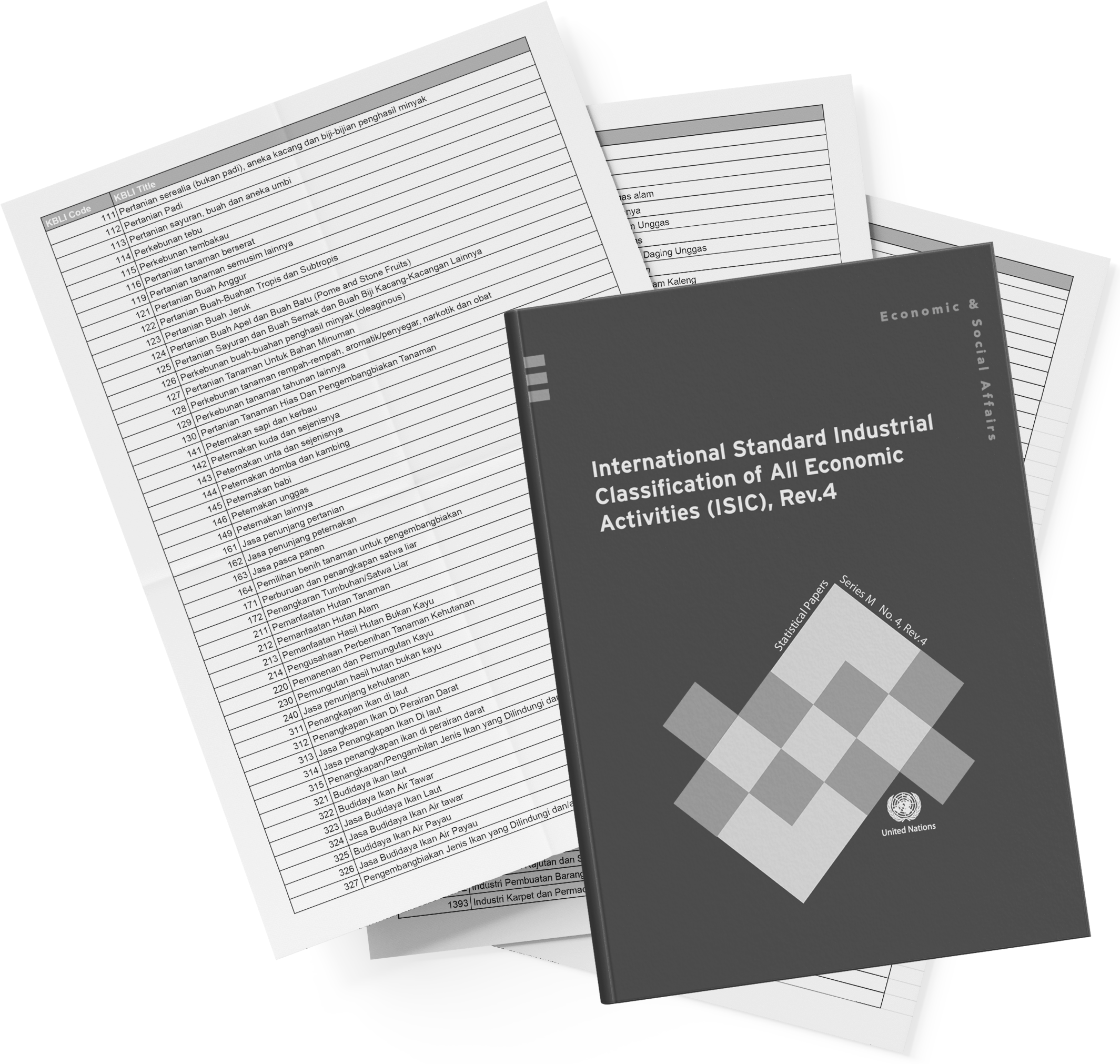
KBLI 1101 defines the distillation, rectification, and blending of spirits at 20-55% ABV, excluding fermented beverages under 20% or non-beverage alcohol.
Includes integrated fermentation if primary output is distilled spirits; stops at bottling, excluding retail, imports, or traditional low-volume home production.
Indonesia in Focus
Indonesia's large population and growing economy create substantial market opportunities.
Archipelagic geography presents unique distribution and logistics challenges.
Industry Classification
Primary classification: Based on core business activity
Secondary classification: Related supporting activities
KBLI: 1101: Spirit Distilling, Rectifying, and Blending Industry in Indonesia
ISIC: Reference: International Standard Industrial Classification
NAICS: Comparable: North American Industry Classification System
Industry Terms
Key terminology for understanding the Spirit Distilling, Rectifying, and Blending Industry in Indonesia industry.
Rectification
Redistillation process to purify raw distillate, removing fusel oils and congeners for smoother spirits.
Ensures compliance with BPOM safety standards and consumer quality expectations in regulated Indonesian markets.
Blending
Mixing spirits of varying ages, strengths, and flavors to create consistent product profiles.
Allows cost-effective use of imported bulk alcohol customized for local tastes, key for competitiveness.
Golongan C
Regulatory classification for distilled spirits over 5% ABV, subjecting them to highest excise tier.
Determines tax burdens, distribution zones, and sales channels, shaping business viability.
Industry Overview – Business Types
Different business models operate within the Spirit Distilling, Rectifying, and Blending Industry in Indonesia industry.
Traditional Arak Distillers
Small-scale pot stills distill fermented palm or coconut sap into rustic spirits, often family-run with manual blending.
Cultural authenticity appeals to tourists and rituals, bypassing scale for heritage branding.
Standard industry practices apply.
Industrial Blenders
Import neutral grain spirits, rectify, flavor, and blend in large vats before bottling under local labels.
Economies of scale and regulatory expertise enable wider distribution.
Standard industry practices apply.
Premium Craft Distilleries
Modern column stills process local grains or fruits, aged in oak for single-estate spirits.
Innovation with indigenous botanicals commands hotel premiums.
Standard industry practices apply.
Industry Performance & Outlook
Performance outlook for Spirit Distilling, Rectifying, and Blending Industry in Indonesia
Modest volume growth tracks tourism, with margins pressured by taxes but lifted by premium shifts.
Stable outlook for licensed players, though policy risks loom amid anti-alcohol sentiments.
Key performance indicators
Market growth
Industry expansion rate
Driven by domestic demand
Operational efficiency
Cost management
Key competitive factor
Outlook: what to watch
Monitor regulatory changes
Track infrastructure developments
Watch for technology adoption
Industry Growth Drivers
Key factors driving growth in Spirit Distilling, Rectifying, and Blending Industry in Indonesia.
Growth Driver 1
Domestic consumption growth driven by expanding middle class and rising disposable incomes
Monitor industry reports and market data for trends.
Growth Driver 2
Infrastructure development reducing logistics costs and improving market access
Monitor industry reports and market data for trends.
Growth Driver 3
Government policy support including investment incentives and industrial development programs
Monitor industry reports and market data for trends.
Growth Driver 4
Technology adoption improving productivity and enabling new business models
Monitor industry reports and market data for trends.
Growth Driver 5
Regional economic integration expanding market access and supply chain opportunities
Monitor industry reports and market data for trends.
Growth Driver 6
Urbanization creating concentrated demand centers and distribution efficiencies
Monitor industry reports and market data for trends.
Industry Trends & Development
Industry Development
Evolution of Spirit Distilling, Rectifying, and Blending Industry in Indonesia
Transition from unregulated village distillation to licensed factories since 2013 regulations.
Rise of blending hubs importing ethanol as local grain distillation scales up slowly.
Key Trends
Major trends shaping the Spirit Distilling, Rectifying, and Blending Industry in Indonesia industry.
Digitalization and technology adoption
Industry trend shaping market dynamics.
Operators
Investors
Policymakers
Regulatory developments
Industry trend shaping market dynamics.
Operators
Investors
Policymakers
Impact and Sustainability
Sustainability and impact considerations for the distilling, rectifying and blending of spirits industry.
Economic Impact
Contribution to national economic development.
Balancing growth with sustainability.
Environmental Considerations
Industry practices and environmental impact.
Operational costs vs sustainability.
Industry Segmentation
Industry Segmentation – Product/Service A
Primary market segments based on service type.
Segmentation by offering
Primary Segment
Core offerings
Main market
Addresses primary demand
Secondary Segment
Supporting services
Niche markets
Specialized needs
Segments may overlap based on customer needs.
Industry Segmentation – Product/Service B
Alternative segmentation perspectives.
Segmentation by characteristics
Mass Market
Broad appeal
General consumers
Volume-driven
Premium
High-value offerings
Discerning buyers
Quality-focused
Segment boundaries are fluid.
Customer Segmentation
Different customer segments and their characteristics.
Customer segments and what they value
B2B customers
Various
Multiple needs
Different channels
B2C consumers
Various
Multiple needs
Different channels
Key Players
Ecosystem Mapping
Spirit Distilling, Rectifying, and Blending Industry in Indonesia ecosystem includes various stakeholders.
Suppliers
Provide inputs and raw materials.
Primary producers
Input suppliers
Operators
Core industry participants.
Main industry operators
Service providers
Distribution
Channel to end customers.
Distributors
Retailers
How value flows across the ecosystem
Value is created through coordinated activities across the ecosystem.
Leading Players
Competitive landscape and key player archetypes.
Competitive archetypes
Market Leader
Dominant position
Scale, brand recognition
Market saturation
Specialist
Niche focus
Expertise, agility
Limited scale
How competition typically plays out
Competition is shaped by scale advantages, operational efficiency, and customer relationships.
Differentiation strategies vary by segment, with some players competing on price and others on service quality.
Operating Conditions
Operating Model & Cost Structure
Operating models in Spirit Distilling, Rectifying, and Blending Industry in Indonesia vary by business type.
Direct costs
Primary operational expenses
Input costs
Labor
Utilities
Major cost component
Overhead
Indirect operational costs
Administration
Facilities
Marketing
Scale-dependent
Cost structure summary
Direct costs
Volume and input prices
Operations
Efficiency improvements
Overhead
Scale and complexity
Administration
Process optimization
Cost structure varies by business model and scale.
Regulation & Compliance Considerations
Regulatory framework and compliance requirements.
Common compliance topics
Business licensing
Operating permits
Legal operation
Maintain valid licenses
Quality standards
Product/service requirements
Market access
Quality control systems
Stay current with regulatory changes.
FAQs & Sources
FAQs
What is Spirit Distilling, Rectifying, and Blending Industry in Indonesia?
Spirit Distilling, Rectifying, and Blending Industry in Indonesia encompasses various business activities in the Indonesian market.
Sources & Notes
This report is a synthesized overview based on industry analysis and desk research.
BPS (Statistics Indonesia)
Official statistics and industry data.
Ministry of Industry regulations
Regulatory framework and compliance requirements.
This report is for informational purposes and should not be treated as legal, regulatory, or investment advice.