Salt Extraction Industry in Indonesia
A practical guide to Salt Extraction Industry in Indonesia—market dynamics, operational realities, and strategic considerations in Indonesia
The industry extracts salt primarily through evaporation of seawater in coastal ponds (tambak garam), capturing solar heat to crystallize sodium chloride. It also encompasses underground salt recovery via dissolution and pumping, plus basic crushing and refining by producers, focusing on raw salt output.
Clear industry definition and scope of activities
Operational realities across Indonesia's regions
Market segmentation and customer analysis
Ecosystem mapping and competitive dynamics
Cost structure and unit economics
Regulatory and compliance considerations
Executive Summary
The industry extracts salt primarily through evaporation of seawater in coastal ponds (tambak garam), capturing solar heat to crystallize sodium chloride.
It also encompasses underground salt recovery via dissolution and pumping, plus basic crushing and refining by producers, focusing on raw salt output.
Dominated by 50,000+ smallholder families using open ponds, yielding coarse crystal salt.
Highly seasonal, tied to 4-6 month dry periods; rains dissolve crystals, slashing output.
Splits into consumption salt (local) and industrial salt (imported for chemicals/pharma).
Government targets self-sufficiency by 2028 via subsidies and tech transfer.
Low mechanization leads to yields of 2-5 tons/ha vs. 20+ tons/ha in advanced peers.
Why this industry matters in Indonesia
This industry contributes to economic development and employment generation.
Quality products and services meet growing consumer and business needs.
Local production reduces import dependency and supports domestic value chains.
So what: Practical implications
Maintain high quality and service standards.
Ensure regulatory compliance and certifications.
Invest in workforce development and technology.
Build strong relationships with customers and suppliers.
Indonesia at a Glance
Republic of Indonesia: Large and fragmented market
Domestic production hovers around 2 million tons annually, mostly coarse food-grade salt from Java and Nusa Tenggara.
Industrial demand exceeds 4 million tons, filled by imports; local upgrades aim to capture this gap.
Market dynamics continue to evolve with changing economic conditions.
Hyperlocalization is key to navigate Indonesia's market
Madura's Sumenep yields traditional blackish salt prized for umami in local dishes.
Lombok's Pemberai ponds leverage consistent winds for finer crystals, suiting export trials.
Opportunities extend beyond cities
Rural coastal hamlets in Rembang and Flores sustain village economies via family ponds.
Non-urban clusters employ thousands seasonally, with co-ops handling aggregation.
Local dairy farming development programs reducing import dependency
Functional dairy products (probiotics, high-protein) commanding premium pricing
Cold chain infrastructure expansion enabling fresh product reach to tier-2 cities
Cafe and F&B sector growth driving bulk milk and cream demand
School milk program (Susu Murni Nasional) providing institutional volume stability
Aseptic packaging investments allowing ambient distribution without refrigeration
Distribution realities: logistics, infrastructure, and channel reach
Harvested salt trucks to nearby refineries; monsoon disruptions spike spoilage losses.
Barge shipments from islands to Java hubs, but poor roads inflate costs 20-30%.
Establish robust distribution partnerships covering both modern trade and traditional channels
Invest in localized supply chain capabilities to navigate logistics complexities and reduce costs
Develop region-specific market entry strategies accounting for local competitive dynamics
Build flexibility into operations to adapt to regulatory changes and infrastructure variations
Industry Definition
What is Salt Extraction Industry in Indonesia?
Industry Definition
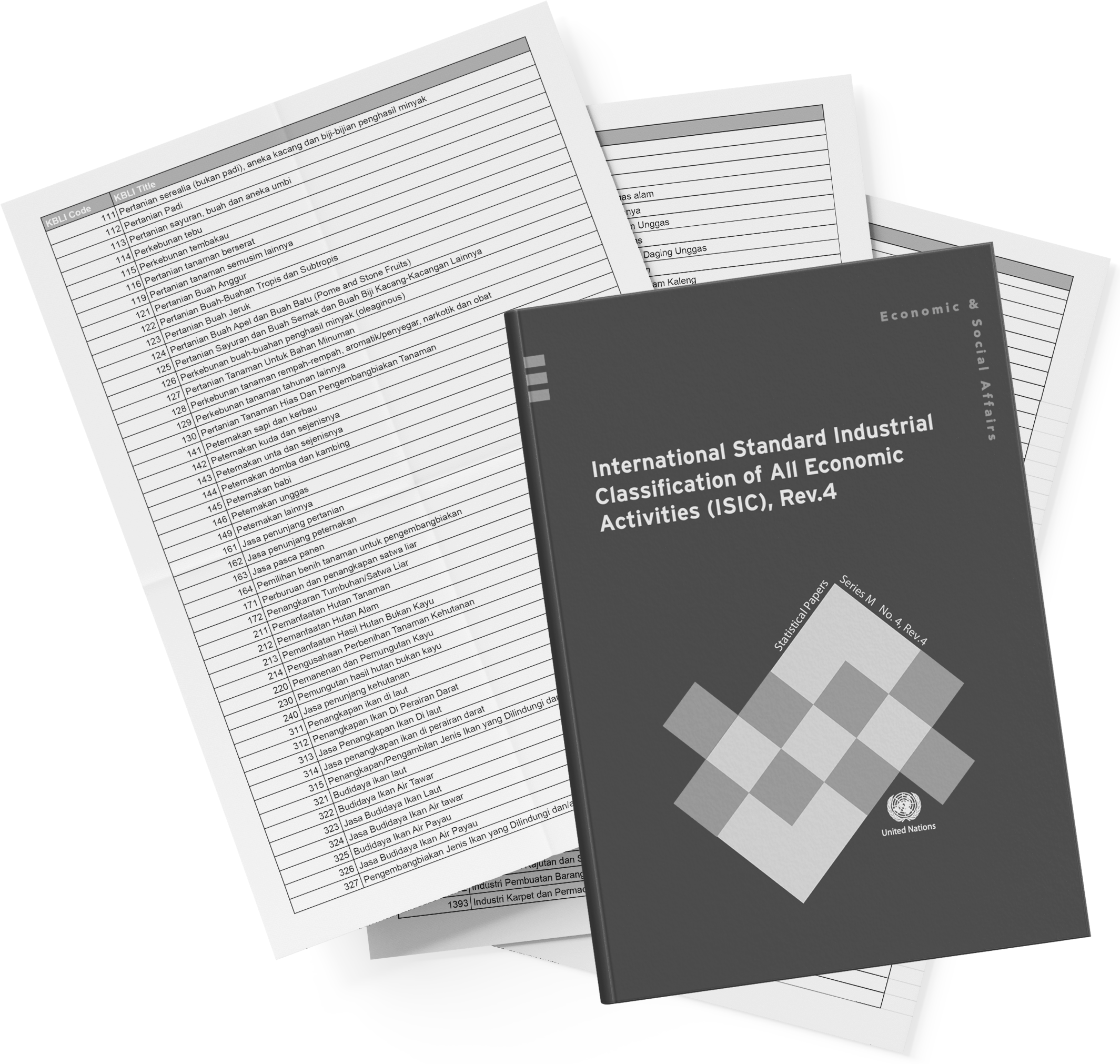
KBLI 0893 includes seawater/brine evaporation in ponds, underground solution mining, and farmer-level crushing/separation.
Excludes advanced refining, table salt iodization (1072), or chemical derivations; stops at raw bulk salt.
Indonesia in Focus
Indonesia's large population and growing economy create substantial market opportunities.
Archipelagic geography presents unique distribution and logistics challenges.
Industry Classification
Primary classification: Based on core business activity
Secondary classification: Related supporting activities
KBLI: 0893: Salt Extraction Industry in Indonesia
ISIC: Reference: International Standard Industrial Classification
NAICS: Comparable: North American Industry Classification System
Industry Terms
Key terminology for understanding the Salt Extraction Industry in Indonesia industry.
Tambak Garam
Coastal evaporation ponds with sequential chambers for brine concentration.
Core to 95% of Indonesian output; design tweaks boost purity and volume.
Brine
Seawater concentrated to 15-25% salinity before final crystallization.
Quality control here determines end salt grade, affecting market price.
Solution Mining
Injecting water underground to dissolve salt deposits, then pumping brine.
Rare in Indonesia but scalable for steady supply, bypassing weather risks.
Industry Overview – Business Types
Different business models operate within the Salt Extraction Industry in Indonesia industry.
Artisanal Pond Farming
Manual pond raking, sun drying over 30-45 days per cycle.
Low capex but labor-intensive; suits niche gourmet salts.
Standard industry practices apply.
Semi-Mechanized Ponds
HDPE liners, pumps for brine flow, mechanical harvesters.
3-5x yields via reduced seepage; targets industrial specs.
Standard industry practices apply.
Brine Pumping Operations
Wells or inland brine sources evaporated in controlled vats.
Year-round ops, less land use; emerging for remote sites.
Standard industry practices apply.
Industry Performance & Outlook
Performance outlook for Salt Extraction Industry in Indonesia
Food salt stable at 2M tons/year; industrial ramps with tech, eyeing import replacement.
Outlook brightens via gov clusters, but climate volatility caps near-term gains.
Key performance indicators
Market growth
Industry expansion rate
Driven by domestic demand
Operational efficiency
Cost management
Key competitive factor
Outlook: what to watch
Monitor regulatory changes
Track infrastructure developments
Watch for technology adoption
Industry Growth Drivers
Key factors driving growth in Salt Extraction Industry in Indonesia.
Growth Driver 1
Domestic consumption growth driven by expanding middle class and rising disposable incomes
Monitor industry reports and market data for trends.
Growth Driver 2
Infrastructure development reducing logistics costs and improving market access
Monitor industry reports and market data for trends.
Growth Driver 3
Government policy support including investment incentives and industrial development programs
Monitor industry reports and market data for trends.
Growth Driver 4
Technology adoption improving productivity and enabling new business models
Monitor industry reports and market data for trends.
Growth Driver 5
Regional economic integration expanding market access and supply chain opportunities
Monitor industry reports and market data for trends.
Growth Driver 6
Urbanization creating concentrated demand centers and distribution efficiencies
Monitor industry reports and market data for trends.
Industry Trends & Development
Industry Development
Evolution of Salt Extraction Industry in Indonesia
Shift from scattered farms to provincial clusters with shared infrastructure.
Adoption of pattern-60 pond tech for faster, cleaner evaporation.
Key Trends
Major trends shaping the Salt Extraction Industry in Indonesia industry.
Digitalization and technology adoption
Industry trend shaping market dynamics.
Operators
Investors
Policymakers
Regulatory developments
Industry trend shaping market dynamics.
Operators
Investors
Policymakers
Impact and Sustainability
Sustainability and impact considerations for the extraction of salt industry.
Economic Impact
Contribution to national economic development.
Balancing growth with sustainability.
Environmental Considerations
Industry practices and environmental impact.
Operational costs vs sustainability.
Industry Segmentation
Industry Segmentation – Product/Service A
Primary market segments based on service type.
Segmentation by offering
Primary Segment
Core offerings
Main market
Addresses primary demand
Secondary Segment
Supporting services
Niche markets
Specialized needs
Segments may overlap based on customer needs.
Industry Segmentation – Product/Service B
Alternative segmentation perspectives.
Segmentation by characteristics
Mass Market
Broad appeal
General consumers
Volume-driven
Premium
High-value offerings
Discerning buyers
Quality-focused
Segment boundaries are fluid.
Customer Segmentation
Different customer segments and their characteristics.
Customer segments and what they value
B2B customers
Various
Multiple needs
Different channels
B2C consumers
Various
Multiple needs
Different channels
Key Players
Ecosystem Mapping
Salt Extraction Industry in Indonesia ecosystem includes various stakeholders.
Suppliers
Provide inputs and raw materials.
Primary producers
Input suppliers
Operators
Core industry participants.
Main industry operators
Service providers
Distribution
Channel to end customers.
Distributors
Retailers
How value flows across the ecosystem
Value is created through coordinated activities across the ecosystem.
Leading Players
Competitive landscape and key player archetypes.
Competitive archetypes
Market Leader
Dominant position
Scale, brand recognition
Market saturation
Specialist
Niche focus
Expertise, agility
Limited scale
How competition typically plays out
Competition is shaped by scale advantages, operational efficiency, and customer relationships.
Differentiation strategies vary by segment, with some players competing on price and others on service quality.
Operating Conditions
Operating Model & Cost Structure
Operating models in Salt Extraction Industry in Indonesia vary by business type.
Direct costs
Primary operational expenses
Input costs
Labor
Utilities
Major cost component
Overhead
Indirect operational costs
Administration
Facilities
Marketing
Scale-dependent
Cost structure summary
Direct costs
Volume and input prices
Operations
Efficiency improvements
Overhead
Scale and complexity
Administration
Process optimization
Cost structure varies by business model and scale.
Regulation & Compliance Considerations
Regulatory framework and compliance requirements.
Common compliance topics
Business licensing
Operating permits
Legal operation
Maintain valid licenses
Quality standards
Product/service requirements
Market access
Quality control systems
Stay current with regulatory changes.
FAQs & Sources
FAQs
What is Salt Extraction Industry in Indonesia?
Salt Extraction Industry in Indonesia encompasses various business activities in the Indonesian market.
Sources & Notes
This report is a synthesized overview based on industry analysis and desk research.
BPS (Statistics Indonesia)
Official statistics and industry data.
Ministry of Industry regulations
Regulatory framework and compliance requirements.
This report is for informational purposes and should not be treated as legal, regulatory, or investment advice.