Real Estate Activities with Own or Leased Property Industry in Indonesia
A practical guide to Real Estate Activities with Own or Leased Property Industry in Indonesia—market dynamics, operational realities, and strategic considerations in Indonesia
Operators in KBLI 6811 acquire, manage, and lease out properties they own or hold under lease, generating revenue primarily from rental income on residential, commercial, and industrial spaces. Activities focus on property operation and tenant management rather than construction or sales brokerage, emphasizing long-term holding for steady cash flows.
Clear industry definition and scope of activities
Operational realities across Indonesia's regions
Market segmentation and customer analysis
Ecosystem mapping and competitive dynamics
Cost structure and unit economics
Regulatory and compliance considerations
Executive Summary
Operators in KBLI 6811 acquire, manage, and lease out properties they own or hold under lease, generating revenue primarily from rental income on residential, commercial, and industrial spaces.
Activities focus on property operation and tenant management rather than construction or sales brokerage, emphasizing long-term holding for steady cash flows.
Land rights under HGB are typically 30 years renewable, creating renewal risks that impact long-term leasing strategies.
Strata title (Hak Milik Satuan Rumah Susun) enables apartment ownership and sub-leasing, popular in high-density urban areas.
Rental income is subject to 10% final PPh tax, simplifying compliance but reducing net yields.
Proptech platforms are emerging for tenant matching, but traditional agent networks dominate in tier-2 cities.
Vacancy rates spike during economic downturns, as seen in post-COVID office spaces in Jakarta CBD.
Why this industry matters in Indonesia
Supports Indonesia's economic growth and development objectives.
Creates employment opportunities across diverse skill levels.
Critical for service delivery and value chain integration.
Enables Indonesia's competitiveness in regional and global markets.
So what: Practical implications
Operators: Focus on quality consistency and process standardization
Buyers: Evaluate supplier capabilities beyond pricing
Investors: Look for operational efficiency and scalability
Policymakers: Support infrastructure development
Indonesia at a Glance
Republic of Indonesia: Large and fragmented market
Indonesia's leasing market benefits from economic growth and infrastructure push, with strong demand in offices and logistics amid new capital Nusantara development.
Residential leasing shifts toward flexible short-term options in urban hubs, driven by millennial renters preferring affordability over ownership.
Market dynamics continue to evolve with changing economic conditions.
Hyperlocalization is key to navigate Indonesia's market
Properties adapt to local preferences, like shophouse-retail hybrids in suburban Java for small businesses needing ground-floor access.
In Bali, vacation rental management focuses on tourism peaks, with owners leasing to foreigners under strict visa-compliant models.
Opportunities extend beyond cities
Secondary cities like Medan and Semarang see rising demand for industrial leases tied to manufacturing FDI.
Eastern Indonesia offers low-cost land for warehouses, but infrastructure gaps delay tenant onboarding.
Growing middle class driving premiumization trends across product categories and services
Digital adoption accelerating with mobile-first consumer behavior creating new channel opportunities
Infrastructure investment improving connectivity and reducing logistics costs across the archipelago
Government initiatives supporting domestic industry development and foreign investment attraction
Regional economic integration through ASEAN creating expanded market access and trade opportunities
Sustainability and ESG considerations creating differentiation opportunities for responsible businesses
Distribution realities: logistics, infrastructure, and channel reach
Property management relies on regional networks for maintenance, with digital tools streamlining rent collection across islands.
Tenant placement uses hybrid online-offline channels, where apps handle viewings but local agents close deals in non-metro areas.
Establish robust distribution partnerships covering both modern trade and traditional channels
Invest in localized supply chain capabilities to navigate logistics complexities and reduce costs
Develop region-specific market entry strategies accounting for local competitive dynamics
Build flexibility into operations to adapt to regulatory changes and infrastructure variations
Industry Definition
What is Real Estate Activities with Own or Leased Property Industry in Indonesia?
Industry Definition
KBLI 6811 strictly covers ownership-based leasing and operations, excluding development (KBLI 41), sales agency (KBLI 68201), or property management for others (KBLI 68202).
Focus is on direct revenue from rents on held assets, with boundaries drawn at active development or pure brokerage activities.
Indonesia in Focus
Indonesia's archipelago geography creates unique distribution challenges requiring adapted logistics and storage solutions.
High humidity and tropical climate demand specific technical approaches to quality preservation and product integrity.
Industry Classification
Conceptually, industry activities sit under specific regulatory frameworks with classification by operational scale and service model.
Operators may be classified by activity type, by service delivery model, and by end-use applications.
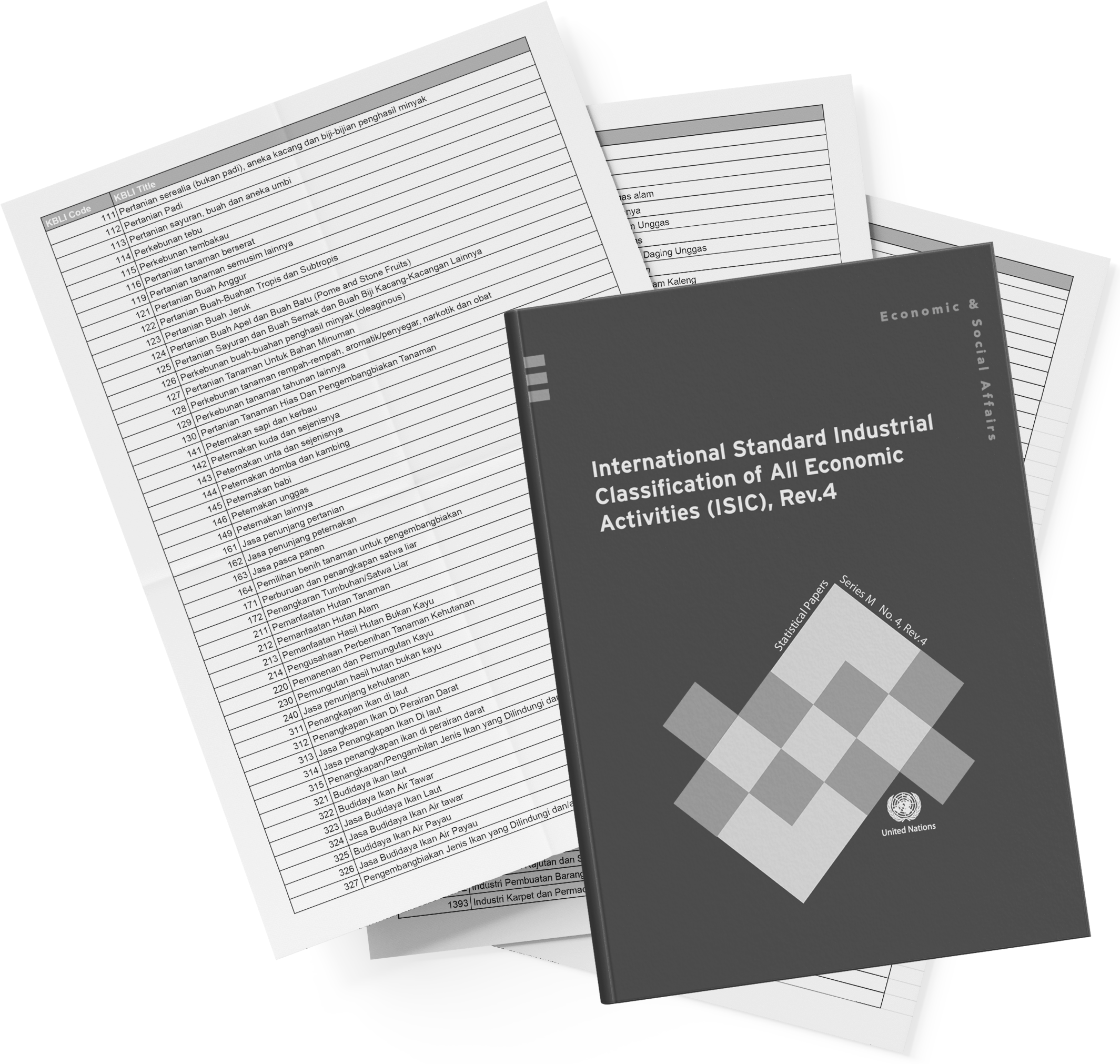
KBLI: 6811: Real Estate Activities with Own or Leased Property Industry in Indonesia
ISIC: Reference: International Standard Industrial Classification
NAICS: Comparable: North American Industry Classification System
Industry Terms
Key terminology for understanding the Real Estate Activities with Own or Leased Property Industry in Indonesia industry.
HGB (Hak Guna Bangunan)
Right to use and build on state-owned land for up to 30 years, renewable.
Defines tenure security for leased properties; non-renewal disrupts long-term rental contracts and asset value.
Strata Title
Ownership certificate for individual units in multi-unit buildings like apartments.
Enables sub-leasing by unit owners, boosting residential rental supply but complicating collective maintenance.
Triple Net Lease
Tenant pays rent plus taxes, insurance, and maintenance.
Shifts operating costs to tenants, improving landlord margins in commercial deals but requiring strong tenant credit.
Industry Overview – Business Types
Different business models operate within the Real Estate Activities with Own or Leased Property Industry in Indonesia industry.
Residential Portfolio Owners
Acquire apartment blocks or houses, lease monthly to individuals or families via standard contracts.
High occupancy from essential housing needs, but sensitive to economic cycles affecting affordability.
Standard industry practices apply.
Commercial Space Lessors
Lease offices or retail via multi-year agreements, often with fit-out incentives.
Premium pricing from location prestige, balanced by higher vacancy risks during downturns.
Standard industry practices apply.
Industrial Property Operators
Provide warehouses on long-term leases to manufacturers, handling basic utilities.
Stable demand from logistics boom, with lower maintenance but land-intensive investments.
Standard industry practices apply.
Industry Performance & Outlook
Performance outlook for Real Estate Activities with Own or Leased Property Industry in Indonesia
Sector shows resilience with steady rental escalations tied to inflation, though office oversupply pressures yields.
Outlook positive from infrastructure spending and IKN relocation, favoring industrial and affordable residential segments.
Key performance indicators
Market growth
Industry expansion rate
Driven by domestic demand
Operational efficiency
Cost management
Key competitive factor
Outlook: what to watch
Monitor regulatory changes
Track infrastructure developments
Watch for technology adoption
Industry Growth Drivers
Key factors driving growth in Real Estate Activities with Own or Leased Property Industry in Indonesia.
Growth Driver 1
Domestic consumption growth driven by expanding middle class and rising disposable incomes
Monitor industry reports and market data for trends.
Growth Driver 2
Infrastructure development reducing logistics costs and improving market access
Monitor industry reports and market data for trends.
Growth Driver 3
Government policy support including investment incentives and industrial development programs
Monitor industry reports and market data for trends.
Growth Driver 4
Technology adoption improving productivity and enabling new business models
Monitor industry reports and market data for trends.
Growth Driver 5
Regional economic integration expanding market access and supply chain opportunities
Monitor industry reports and market data for trends.
Growth Driver 6
Urbanization creating concentrated demand centers and distribution efficiencies
Monitor industry reports and market data for trends.
Industry Trends & Development
Industry Development
Evolution of Real Estate Activities with Own or Leased Property Industry in Indonesia
Evolution from family-held assets to institutional portfolios via REITs, professionalizing management.
Digital shift with proptech for virtual tours and automated contracts, reducing vacancy fill times.
Key Trends
Major trends shaping the Real Estate Activities with Own or Leased Property Industry in Indonesia industry.
Digitalization and technology adoption
Industry trend shaping market dynamics.
Operators
Investors
Policymakers
Regulatory developments
Industry trend shaping market dynamics.
Operators
Investors
Policymakers
Impact and Sustainability
Sustainability and impact considerations for the real estate activities with own or leased property industry.
Economic Impact
Contribution to national economic development.
Balancing growth with sustainability.
Environmental Considerations
Industry practices and environmental impact.
Operational costs vs sustainability.
Industry Segmentation
Industry Segmentation – Product/Service A
Primary market segments based on service type.
Segmentation by offering
Primary Segment
Core offerings
Main market
Addresses primary demand
Secondary Segment
Supporting services
Niche markets
Specialized needs
Segments may overlap based on customer needs.
Industry Segmentation – Product/Service B
Alternative segmentation perspectives.
Segmentation by characteristics
Mass Market
Broad appeal
General consumers
Volume-driven
Premium
High-value offerings
Discerning buyers
Quality-focused
Segment boundaries are fluid.
Customer Segmentation
Different customer segments and their characteristics.
Customer segments and what they value
B2B customers
Various
Multiple needs
Different channels
B2C consumers
Various
Multiple needs
Different channels
Key Players
Ecosystem Mapping
Real Estate Activities with Own or Leased Property Industry in Indonesia ecosystem includes various stakeholders.
Suppliers
Provide inputs and raw materials.
Primary producers
Input suppliers
Operators
Core industry participants.
Main industry operators
Service providers
Distribution
Channel to end customers.
Distributors
Retailers
How value flows across the ecosystem
Value is created through coordinated activities across the ecosystem.
Leading Players
Competitive landscape and key player archetypes.
Competitive archetypes
Market Leader
Dominant position
Scale, brand recognition
Market saturation
Specialist
Niche focus
Expertise, agility
Limited scale
How competition typically plays out
Competition is shaped by scale advantages, operational efficiency, and customer relationships.
Differentiation strategies vary by segment, with some players competing on price and others on service quality.
Operating Conditions
Operating Model & Cost Structure
Operating models in Real Estate Activities with Own or Leased Property Industry in Indonesia vary by business type.
Direct costs
Primary operational expenses
Input costs
Labor
Utilities
Major cost component
Overhead
Indirect operational costs
Administration
Facilities
Marketing
Scale-dependent
Cost structure summary
Direct costs
Volume and input prices
Operations
Efficiency improvements
Overhead
Scale and complexity
Administration
Process optimization
Cost structure varies by business model and scale.
Regulation & Compliance Considerations
Regulatory framework and compliance requirements.
Common compliance topics
Business licensing
Operating permits
Legal operation
Maintain valid licenses
Quality standards
Product/service requirements
Market access
Quality control systems
Stay current with regulatory changes.
FAQs & Sources
FAQs
What is Real Estate Activities with Own or Leased Property Industry in Indonesia?
Real Estate Activities with Own or Leased Property Industry in Indonesia encompasses various business activities in the Indonesian market.
Sources & Notes
This report is a synthesized overview based on industry analysis and desk research.
BPS (Statistics Indonesia)
Official statistics and industry data.
Ministry of Industry regulations
Regulatory framework and compliance requirements.
This report is for informational purposes and should not be treated as legal, regulatory, or investment advice.