Poultry Slaughtering and Packing Industry in Indonesia
A practical guide to Poultry Slaughtering and Packing Industry in Indonesia—market dynamics, operational realities, and strategic considerations in Indonesia
The industry encompasses the slaughtering of live poultry, primarily broilers and ducks, followed by evisceration, chilling, portioning, and packing into consumer-ready formats like whole birds, cuts, or value-added products. It also handles by-products such as offal, feathers, and blood for rendering into feed ingredients or disposal, ensuring compliance with hygiene and waste management standards.
Clear industry definition and scope of activities
Operational realities across Indonesia's regions
Market segmentation and customer analysis
Ecosystem mapping and competitive dynamics
Cost structure and unit economics
Regulatory and compliance considerations
Executive Summary
The industry encompasses the slaughtering of live poultry, primarily broilers and ducks, followed by evisceration, chilling, portioning, and packing into consumer-ready formats like whole birds, cuts, or value-added products.
It also handles by-products such as offal, feathers, and blood for rendering into feed ingredients or disposal, ensuring compliance with hygiene and waste management standards.
Halal certification from MUI is non-negotiable, requiring specific slaughter methods and audits that differentiate compliant exporters.
Integrated players control 70-80% of supply, linking farms directly to slaughterhouses to minimize live bird transport risks.
Avian influenza outbreaks periodically disrupt operations, necessitating strict biosecurity protocols.
Cold chain infrastructure gaps in outer islands lead to higher spoilage, favoring Java-based producers.
Shift toward portioned packs caters to busy urban households, boosting margins over whole-bird sales.
By-product utilization reduces waste costs but requires specialized rendering equipment.
Why this industry matters in Indonesia
Supports Indonesia's economic growth and development objectives.
Creates employment opportunities across diverse skill levels.
Critical for service delivery and value chain integration.
Enables Indonesia's competitiveness in regional and global markets.
So what: Practical implications
Operators: Focus on quality consistency and process standardization
Buyers: Evaluate supplier capabilities beyond pricing
Investors: Look for operational efficiency and scalability
Policymakers: Support infrastructure development
Indonesia at a Glance
Republic of Indonesia: Large and fragmented market
Broiler processing dominates, serving wet markets (60%), modern retail (30%), and foodservice (10%), with Java absorbing bulk production.
Demand surges during religious holidays like Idul Fitri, straining capacity and spiking prices.
Market dynamics continue to evolve with changing economic conditions.
Hyperlocalization is key to navigate Indonesia's market
Plants locate near farms to cut live-haul distances, with Java's dense broiler belts hosting mega-facilities serving Jakarta and Surabaya.
Regional variations: Sumatra focuses on native ducks, while Sulawesi emphasizes small-scale for local markets.
Opportunities extend beyond cities
Rural traditional slaughterhouses supply village markets using manual methods, lacking chilling and facing hygiene issues.
Logistics hurdles like poor roads amplify costs for distributing chilled products to eastern Indonesia.
Growing middle class driving premiumization trends across product categories and services
Digital adoption accelerating with mobile-first consumer behavior creating new channel opportunities
Infrastructure investment improving connectivity and reducing logistics costs across the archipelago
Government initiatives supporting domestic industry development and foreign investment attraction
Regional economic integration through ASEAN creating expanded market access and trade opportunities
Sustainability and ESG considerations creating differentiation opportunities for responsible businesses
Distribution realities: logistics, infrastructure, and channel reach
Chilled trucks and reefer containers form the backbone, but power outages and traffic congestion in Java erode shelf life.
Third-party logistics partners handle last-mile to hypermarkets, while distributors serve warungs with ice-packed goods.
Establish robust distribution partnerships covering both modern trade and traditional channels
Invest in localized supply chain capabilities to navigate logistics complexities and reduce costs
Develop region-specific market entry strategies accounting for local competitive dynamics
Build flexibility into operations to adapt to regulatory changes and infrastructure variations
Industry Definition
What is Poultry Slaughtering and Packing Industry in Indonesia?
Industry Definition
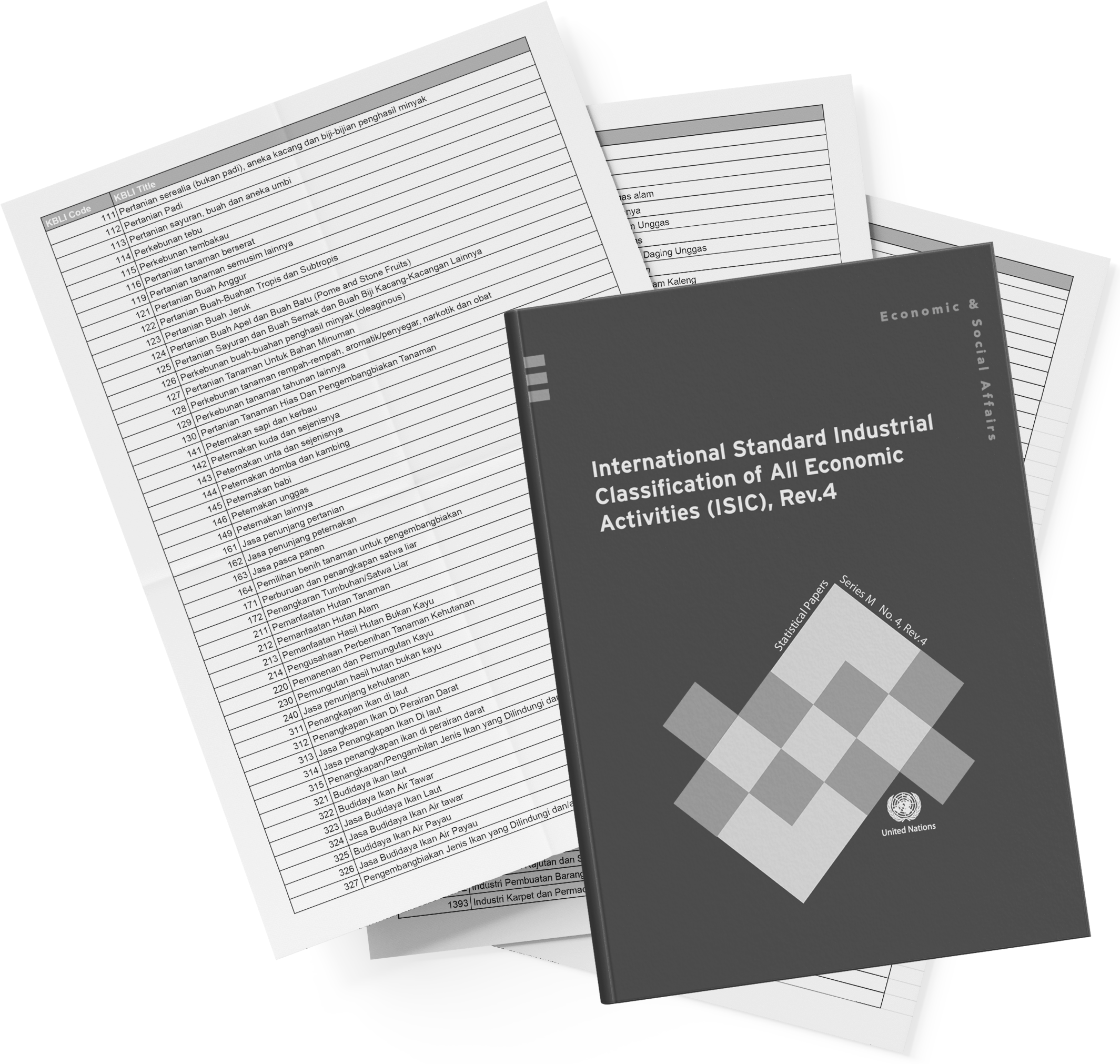
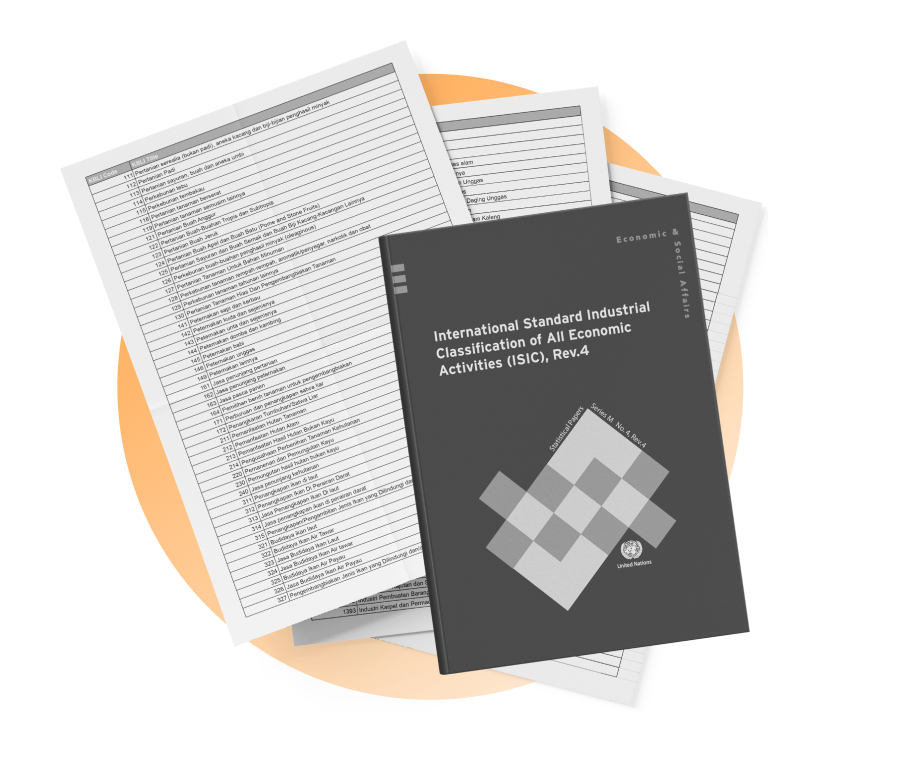
KBLI 1012 covers poultry-specific slaughter from stunning/killing through packing, excluding live farming (0146) or further meat processing like sausages (1013).
Boundaries include by-product handling but stop at rendering fats or producing pet food.
Indonesia in Focus
Indonesia's archipelago geography creates unique distribution challenges requiring adapted logistics and storage solutions.
High humidity and tropical climate demand specific technical approaches to quality preservation and product integrity.
Industry Classification
Conceptually, industry activities sit under specific regulatory frameworks with classification by operational scale and service model.
Operators may be classified by activity type, by service delivery model, and by end-use applications.
KBLI: 1012: Poultry Slaughtering and Packing Industry in Indonesia
ISIC: Reference: International Standard Industrial Classification
NAICS: Comparable: North American Industry Classification System
Industry Terms
Key terminology for understanding the Poultry Slaughtering and Packing Industry in Indonesia industry.
RPA (Rumah Potong Ayam)
Poultry slaughterhouse facility licensed for halal killing and meat packing.
RPA certification ensures market access; non-RPA operations risk shutdowns and fines.
SSOP (Sanitasi Standard Operasional Prosedur)
Standard Sanitation Operating Procedures for hygiene in slaughter lines.
Mandatory for BPOM approval, preventing contamination recalls that erode trust.
By-product rendering
Processing waste like innards and feathers into meal for animal feed.
Boosts margins by 10-20% and complies with zero-waste environmental regs.
Industry Overview – Business Types
Different business models operate within the Poultry Slaughtering and Packing Industry in Indonesia industry.
Integrated vertical players
Own farms, feedmills, hatcheries, and RPA, controlling quality from DOC to pack.
Supply stability and cost advantages over spot-market buyers.
Standard industry practices apply.
Standalone processors
Purchase live birds from contract farmers, slaughter and sell to distributors.
Flexibility in sourcing but vulnerable to price volatility.
Standard industry practices apply.
Export-oriented specialists
High-spec plants with HACCP and EU-equivalent standards for overseas markets.
Premium pricing via certifications, hedging domestic fluctuations.
Standard industry practices apply.
Industry Performance & Outlook
Performance outlook for Poultry Slaughtering and Packing Industry in Indonesia
Sector tracks broiler consumption growth at 4-5% annually, buoyed by population and middle-class expansion.
Outlook positive with automation investments, though disease risks and feed costs pose headwinds.
Key performance indicators
Market growth
Industry expansion rate
Driven by domestic demand
Operational efficiency
Cost management
Key competitive factor
Outlook: what to watch
Monitor regulatory changes
Track infrastructure developments
Watch for technology adoption
Industry Growth Drivers
Key factors driving growth in Poultry Slaughtering and Packing Industry in Indonesia.
Growth Driver 1
Domestic consumption growth driven by expanding middle class and rising disposable incomes
Monitor industry reports and market data for trends.
Growth Driver 2
Infrastructure development reducing logistics costs and improving market access
Monitor industry reports and market data for trends.
Growth Driver 3
Government policy support including investment incentives and industrial development programs
Monitor industry reports and market data for trends.
Growth Driver 4
Technology adoption improving productivity and enabling new business models
Monitor industry reports and market data for trends.
Growth Driver 5
Regional economic integration expanding market access and supply chain opportunities
Monitor industry reports and market data for trends.
Growth Driver 6
Urbanization creating concentrated demand centers and distribution efficiencies
Monitor industry reports and market data for trends.
Industry Trends & Development
Industry Development
Evolution of Poultry Slaughtering and Packing Industry in Indonesia
Evolution from backyard slaughter to industrial RPA since 2000s, spurred by urbanization and food safety scares.
Post-COVID acceleration in cold-chain tech and contactless processing.
Key Trends
Major trends shaping the Poultry Slaughtering and Packing Industry in Indonesia industry.
Digitalization and technology adoption
Industry trend shaping market dynamics.
Operators
Investors
Policymakers
Regulatory developments
Industry trend shaping market dynamics.
Operators
Investors
Policymakers
Impact and Sustainability
Sustainability and impact considerations for the poultry slaughtering and packing activities industry.
Economic Impact
Contribution to national economic development.
Balancing growth with sustainability.
Environmental Considerations
Industry practices and environmental impact.
Operational costs vs sustainability.
Industry Segmentation
Industry Segmentation – Product/Service A
Primary market segments based on service type.
Segmentation by offering
Primary Segment
Core offerings
Main market
Addresses primary demand
Secondary Segment
Supporting services
Niche markets
Specialized needs
Segments may overlap based on customer needs.
Industry Segmentation – Product/Service B
Alternative segmentation perspectives.
Segmentation by characteristics
Mass Market
Broad appeal
General consumers
Volume-driven
Premium
High-value offerings
Discerning buyers
Quality-focused
Segment boundaries are fluid.
Customer Segmentation
Different customer segments and their characteristics.
Customer segments and what they value
B2B customers
Various
Multiple needs
Different channels
B2C consumers
Various
Multiple needs
Different channels
Key Players
Ecosystem Mapping
Poultry Slaughtering and Packing Industry in Indonesia ecosystem includes various stakeholders.
Suppliers
Provide inputs and raw materials.
Primary producers
Input suppliers
Operators
Core industry participants.
Main industry operators
Service providers
Distribution
Channel to end customers.
Distributors
Retailers
How value flows across the ecosystem
Value is created through coordinated activities across the ecosystem.
Leading Players
Competitive landscape and key player archetypes.
Competitive archetypes
Market Leader
Dominant position
Scale, brand recognition
Market saturation
Specialist
Niche focus
Expertise, agility
Limited scale
How competition typically plays out
Competition is shaped by scale advantages, operational efficiency, and customer relationships.
Differentiation strategies vary by segment, with some players competing on price and others on service quality.
Operating Conditions
Operating Model & Cost Structure
Operating models in Poultry Slaughtering and Packing Industry in Indonesia vary by business type.
Direct costs
Primary operational expenses
Input costs
Labor
Utilities
Major cost component
Overhead
Indirect operational costs
Administration
Facilities
Marketing
Scale-dependent
Cost structure summary
Direct costs
Volume and input prices
Operations
Efficiency improvements
Overhead
Scale and complexity
Administration
Process optimization
Cost structure varies by business model and scale.
Regulation & Compliance Considerations
Regulatory framework and compliance requirements.
Common compliance topics
Business licensing
Operating permits
Legal operation
Maintain valid licenses
Quality standards
Product/service requirements
Market access
Quality control systems
Stay current with regulatory changes.
FAQs & Sources
FAQs
What is Poultry Slaughtering and Packing Industry in Indonesia?
Poultry Slaughtering and Packing Industry in Indonesia encompasses various business activities in the Indonesian market.
Sources & Notes
This report is a synthesized overview based on industry analysis and desk research.
BPS (Statistics Indonesia)
Official statistics and industry data.
Ministry of Industry regulations
Regulatory framework and compliance requirements.
This report is for informational purposes and should not be treated as legal, regulatory, or investment advice.