Political Organization Activities Industry in Indonesia
A practical guide to Political Organization Activities Industry in Indonesia—market dynamics, operational realities, and strategic considerations in Indonesia
This industry encompasses the operations of political parties and supporting organizations, such as youth wings, focused on promoting ideologies, recruiting members, and mobilizing support for elections and policy influence. Activities include organizing campaigns, advocacy efforts, internal training, and grassroots networking to shape public opinion and participate in democratic processes.
Clear industry definition and scope of activities
Operational realities across Indonesia's regions
Market segmentation and customer analysis
Ecosystem mapping and competitive dynamics
Cost structure and unit economics
Regulatory and compliance considerations
Executive Summary
This industry encompasses the operations of political parties and supporting organizations, such as youth wings, focused on promoting ideologies, recruiting members, and mobilizing support for elections and policy influence.
Activities include organizing campaigns, advocacy efforts, internal training, and grassroots networking to shape public opinion and participate in democratic processes.
Political organizations must register with the Ministry of Law and Human Rights and adhere to UU No. 2/2011 on Political Parties.
Election eligibility demands factual verification of branches and members by KPU, often weeding out weaker entrants.
Funding combines membership dues, private donations, and state allocations based on parliamentary seats.
Digital platforms like TikTok and Instagram have transformed youth outreach and campaign strategies.
Youth and women's wings are crucial for grassroots mobilization and meeting gender quotas in candidate lists.
Post-2024 elections, coalition dynamics dominate as no single party holds absolute majority.
Why this industry matters in Indonesia
Supports Indonesia's economic growth and development objectives.
Creates employment opportunities across diverse skill levels.
Critical for service delivery and value chain integration.
Enables Indonesia's competitiveness in regional and global markets.
So what: Practical implications
Operators: Focus on quality consistency and process standardization
Buyers: Evaluate supplier capabilities beyond pricing
Investors: Look for operational efficiency and scalability
Policymakers: Support infrastructure development
Indonesia at a Glance
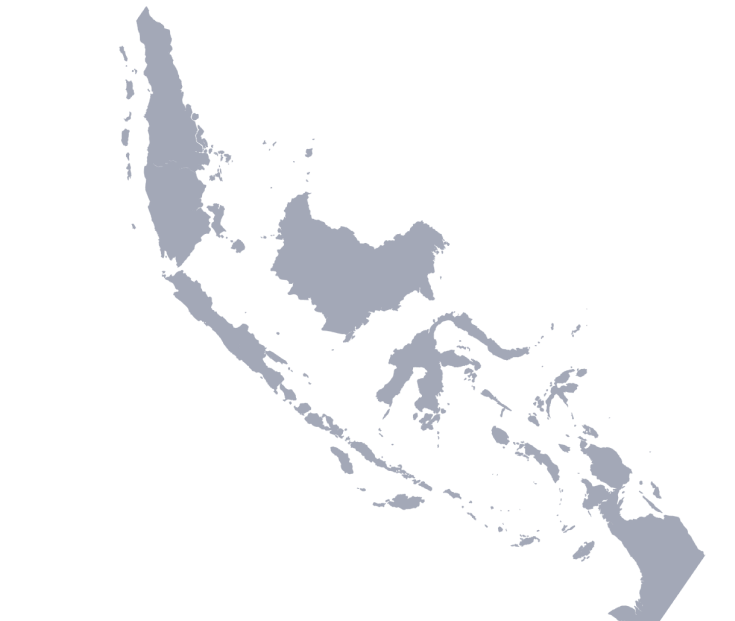
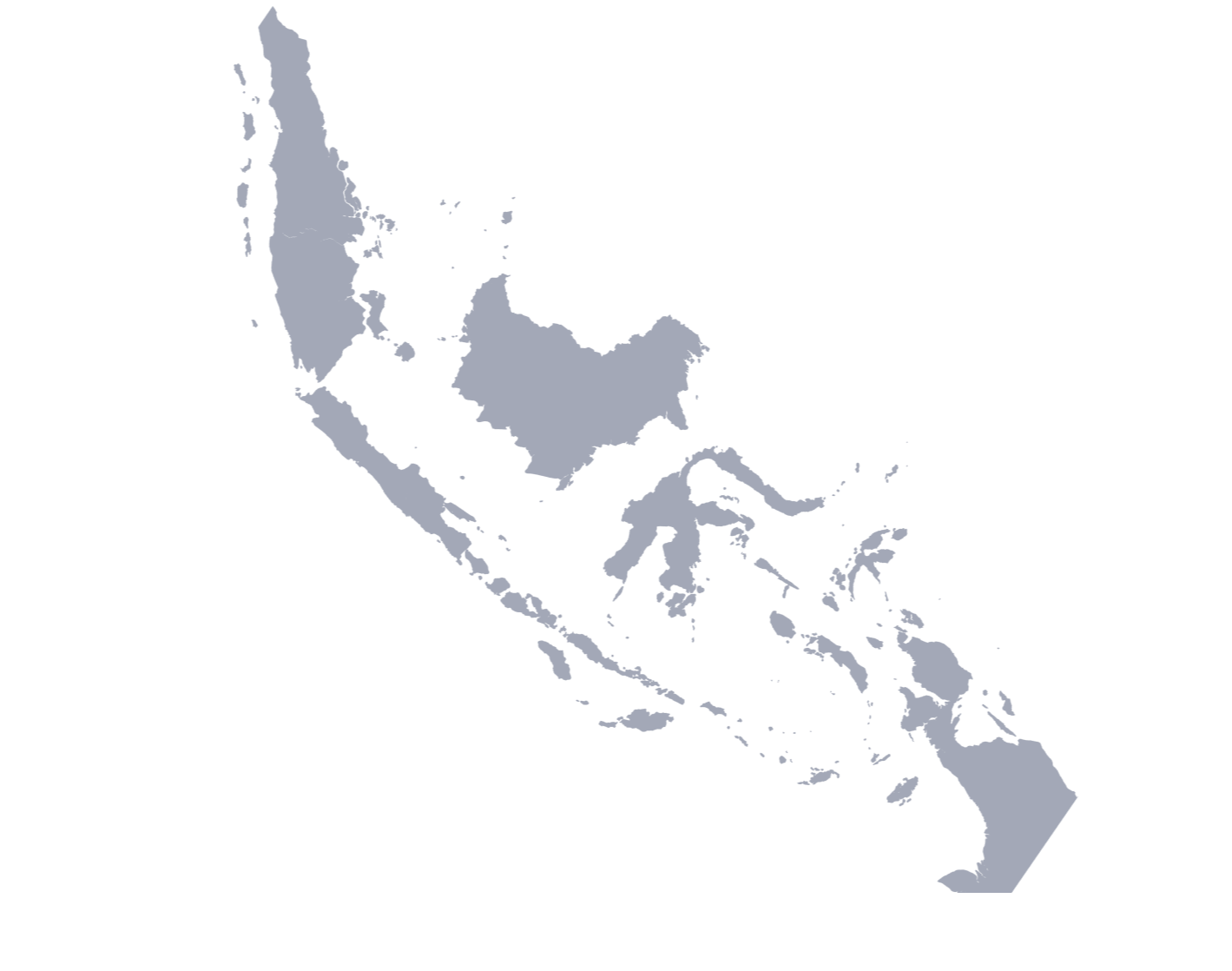
Republic of Indonesia: Large and fragmented market
Centered on a core group of established parties holding parliamentary seats, with periodic influx of new challengers during election cycles.
Influence measured by legislative representation and coalition bargaining power rather than commercial metrics.
Market dynamics continue to evolve with changing economic conditions.
Hyperlocalization is key to navigate Indonesia's market
Branches adapt messaging to local contexts, emphasizing Islamic values in Sumatra or ethnic harmony in Papua.
Regional leaders navigate alliances with local elites, balancing national directives with provincial sentiments.
Opportunities extend beyond cities
Rural cadre networks drive voter turnout through personal visits and community events, critical for parliamentary thresholds.
Village-level structures ensure broad geographic coverage required for national party status.
Growing middle class driving premiumization trends across product categories and services
Digital adoption accelerating with mobile-first consumer behavior creating new channel opportunities
Infrastructure investment improving connectivity and reducing logistics costs across the archipelago
Government initiatives supporting domestic industry development and foreign investment attraction
Regional economic integration through ASEAN creating expanded market access and trade opportunities
Sustainability and ESG considerations creating differentiation opportunities for responsible businesses
Distribution realities: logistics, infrastructure, and channel reach
Hierarchical dissemination of directives from central boards to district and sub-district levels via meetings and digital tools.
Mobilization logistics rely on volunteer coordinators for rallies and door-to-door canvassing.
Establish robust distribution partnerships covering both modern trade and traditional channels
Invest in localized supply chain capabilities to navigate logistics complexities and reduce costs
Develop region-specific market entry strategies accounting for local competitive dynamics
Build flexibility into operations to adapt to regulatory changes and infrastructure variations
Industry Definition
What is Political Organization Activities Industry in Indonesia?
Industry Definition
KBLI 9492 includes activities of political parties and affiliated support groups like youth organizations that promote political agendas and election participation.
Boundaries exclude commercial lobbying (KBLI 7020), religious organizations (9491), or government electoral bodies.
Indonesia in Focus
Indonesia's archipelago geography creates unique distribution challenges requiring adapted logistics and storage solutions.
High humidity and tropical climate demand specific technical approaches to quality preservation and product integrity.
Industry Classification
Conceptually, industry activities sit under specific regulatory frameworks with classification by operational scale and service model.
Operators may be classified by activity type, by service delivery model, and by end-use applications.
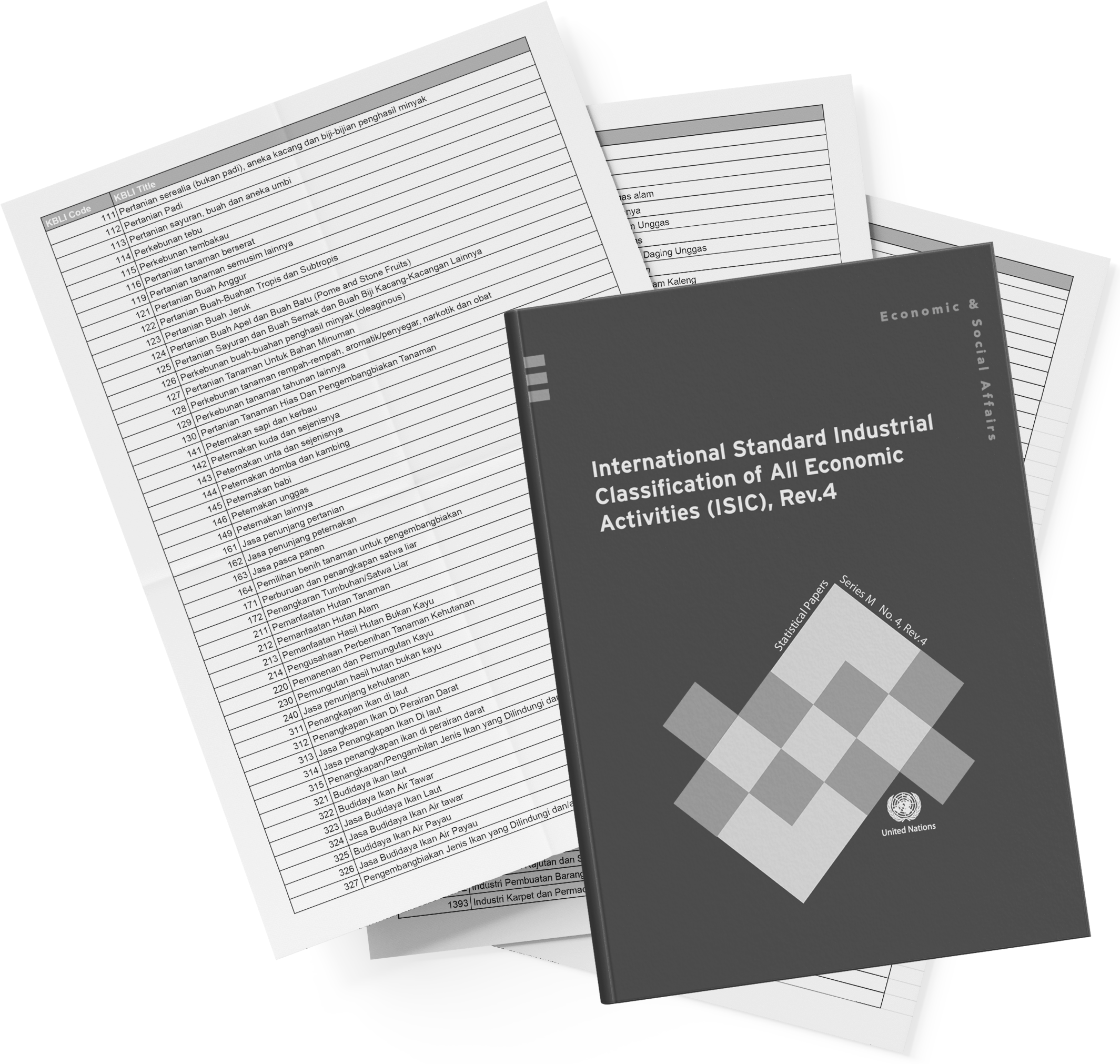
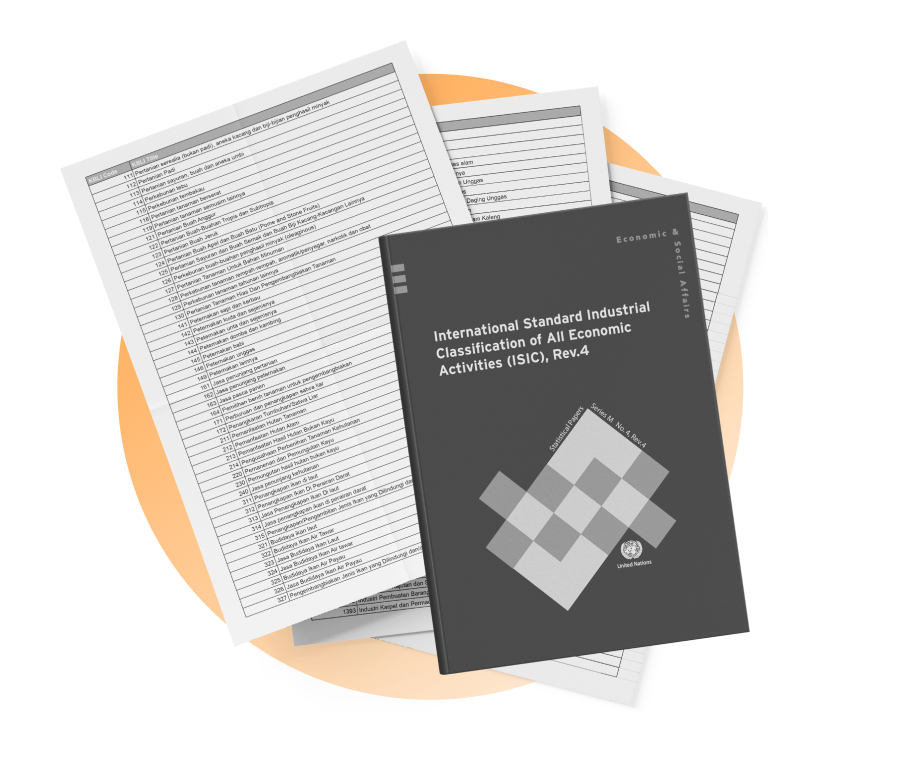
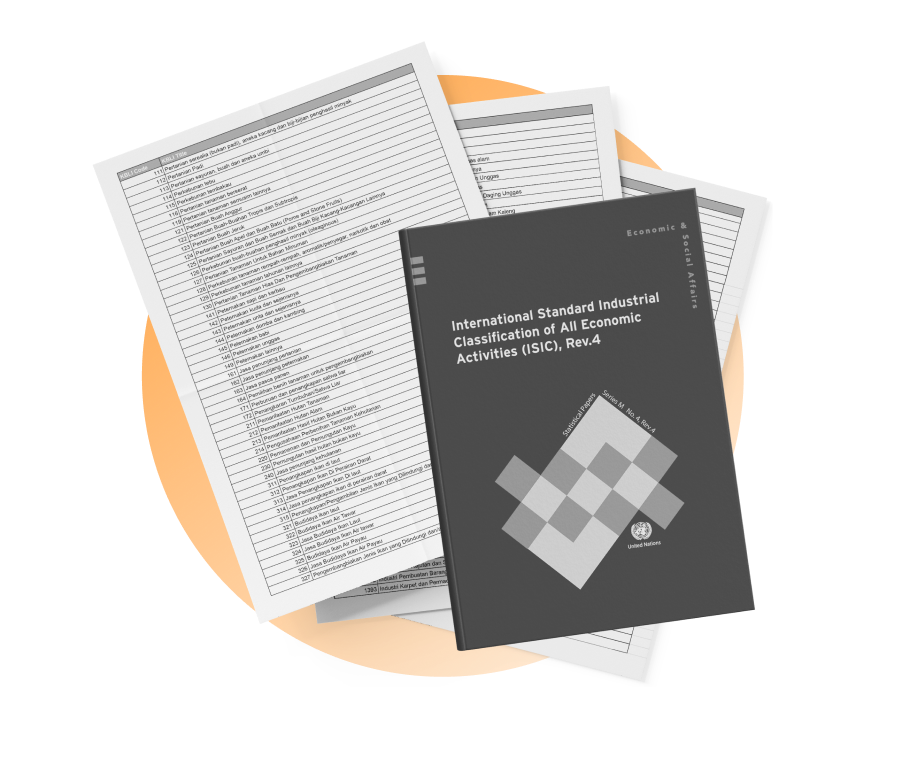
KBLI: 9492: Political Organization Activities Industry in Indonesia
ISIC: Reference: International Standard Industrial Classification
NAICS: Comparable: North American Industry Classification System
Industry Terms
Key terminology for understanding the Political Organization Activities Industry in Indonesia industry.
Dewan Pimpinan Wilayah (DPW)
Provincial leadership council coordinating party activities at the provincial level.
Ensures compliance with national spread requirements and adapts strategies to regional voter preferences.
Verifikasi Faktual
KPU's on-site checks of party branches and membership lists for election eligibility.
Acts as a high barrier to entry, favoring established organizations with robust grassroots presence.
Anggaran Dasar (AD)
Party constitution outlining ideology, structure, and internal democracy rules.
Serves as legal foundation for registration and dispute resolution, enforcing Pancasila adherence.
Industry Overview – Business Types
Different business models operate within the Political Organization Activities Industry in Indonesia industry.
Mass-mobilization parties
Build large memberships through rallies and community programs, leveraging volunteer networks for campaigns.
Deep voter loyalty from ideological bonding and local patronage.
Standard industry practices apply.
Cadre-based parties
Rely on professional elites for policy formulation and candidate selection, with selective recruitment.
Superior policy depth and negotiation skills in coalitions.
Standard industry practices apply.
Populist challenger parties
Center around charismatic leaders using social media for rapid issue-based mobilization.
Agile adaptation to viral trends, disrupting established players.
Standard industry practices apply.
Industry Performance & Outlook
Performance outlook for Political Organization Activities Industry in Indonesia
Performance tied to election outcomes, with top parties securing state funding and influence post-2024 polls.
Outlook points to intensified digital competition and regulatory scrutiny on funding transparency.
Key performance indicators
Market growth
Industry expansion rate
Driven by domestic demand
Operational efficiency
Cost management
Key competitive factor
Outlook: what to watch
Monitor regulatory changes
Track infrastructure developments
Watch for technology adoption
Industry Growth Drivers
Key factors driving growth in Political Organization Activities Industry in Indonesia.
Growth Driver 1
Domestic consumption growth driven by expanding middle class and rising disposable incomes
Monitor industry reports and market data for trends.
Growth Driver 2
Infrastructure development reducing logistics costs and improving market access
Monitor industry reports and market data for trends.
Growth Driver 3
Government policy support including investment incentives and industrial development programs
Monitor industry reports and market data for trends.
Growth Driver 4
Technology adoption improving productivity and enabling new business models
Monitor industry reports and market data for trends.
Growth Driver 5
Regional economic integration expanding market access and supply chain opportunities
Monitor industry reports and market data for trends.
Growth Driver 6
Urbanization creating concentrated demand centers and distribution efficiencies
Monitor industry reports and market data for trends.
Industry Trends & Development
Industry Development
Evolution of Political Organization Activities Industry in Indonesia
Evolved from post-Suharto multiparty boom to consolidated field of viable national contenders.
Shift from ideology-driven to pragmatic coalition politics post-reformasi.
Key Trends
Major trends shaping the Political Organization Activities Industry in Indonesia industry.
Digitalization and technology adoption
Industry trend shaping market dynamics.
Operators
Investors
Policymakers
Regulatory developments
Industry trend shaping market dynamics.
Operators
Investors
Policymakers
Impact and Sustainability
Sustainability and impact considerations for the activities of political organizations industry.
Economic Impact
Contribution to national economic development.
Balancing growth with sustainability.
Environmental Considerations
Industry practices and environmental impact.
Operational costs vs sustainability.
Industry Segmentation
Industry Segmentation – Product/Service A
Primary market segments based on service type.
Segmentation by offering
Primary Segment
Core offerings
Main market
Addresses primary demand
Secondary Segment
Supporting services
Niche markets
Specialized needs
Segments may overlap based on customer needs.
Industry Segmentation – Product/Service B
Alternative segmentation perspectives.
Segmentation by characteristics
Mass Market
Broad appeal
General consumers
Volume-driven
Premium
High-value offerings
Discerning buyers
Quality-focused
Segment boundaries are fluid.
Customer Segmentation
Different customer segments and their characteristics.
Customer segments and what they value
B2B customers
Various
Multiple needs
Different channels
B2C consumers
Various
Multiple needs
Different channels
Key Players
Ecosystem Mapping
Political Organization Activities Industry in Indonesia ecosystem includes various stakeholders.
Suppliers
Provide inputs and raw materials.
Primary producers
Input suppliers
Operators
Core industry participants.
Main industry operators
Service providers
Distribution
Channel to end customers.
Distributors
Retailers
How value flows across the ecosystem
Value is created through coordinated activities across the ecosystem.
Leading Players
Competitive landscape and key player archetypes.
Competitive archetypes
Market Leader
Dominant position
Scale, brand recognition
Market saturation
Specialist
Niche focus
Expertise, agility
Limited scale
How competition typically plays out
Competition is shaped by scale advantages, operational efficiency, and customer relationships.
Differentiation strategies vary by segment, with some players competing on price and others on service quality.
Operating Conditions
Operating Model & Cost Structure
Operating models in Political Organization Activities Industry in Indonesia vary by business type.
Direct costs
Primary operational expenses
Input costs
Labor
Utilities
Major cost component
Overhead
Indirect operational costs
Administration
Facilities
Marketing
Scale-dependent
Cost structure summary
Direct costs
Volume and input prices
Operations
Efficiency improvements
Overhead
Scale and complexity
Administration
Process optimization
Cost structure varies by business model and scale.
Regulation & Compliance Considerations
Regulatory framework and compliance requirements.
Common compliance topics
Business licensing
Operating permits
Legal operation
Maintain valid licenses
Quality standards
Product/service requirements
Market access
Quality control systems
Stay current with regulatory changes.
FAQs & Sources
FAQs
What is Political Organization Activities Industry in Indonesia?
Political Organization Activities Industry in Indonesia encompasses various business activities in the Indonesian market.
Sources & Notes
This report is a synthesized overview based on industry analysis and desk research.
BPS (Statistics Indonesia)
Official statistics and industry data.
Ministry of Industry regulations
Regulatory framework and compliance requirements.
This report is for informational purposes and should not be treated as legal, regulatory, or investment advice.