Plumbing, Heating, and Air Conditioning Installation Industry in Indonesia
A practical guide to Plumbing, Heating, and Air Conditioning Installation Industry in Indonesia—market dynamics, operational realities, and strategic considerations in Indonesia
This industry provides specialized installation services for plumbing systems handling water supply, sanitation, and drainage, as well as heating and air-conditioning (HVAC) systems in residential, commercial, and industrial structures. Work involves designing layouts, assembling pipes and fixtures, integrating controls, testing for leaks and efficiency, and ensuring compliance with building codes, typically as subcontractors to general constructors.
Clear industry definition and scope of activities
Operational realities across Indonesia's regions
Market segmentation and customer analysis
Ecosystem mapping and competitive dynamics
Cost structure and unit economics
Regulatory and compliance considerations
Executive Summary
This industry provides specialized installation services for plumbing systems handling water supply, sanitation, and drainage, as well as heating and air-conditioning (HVAC) systems in residential, commercial, and industrial structures.
Work involves designing layouts, assembling pipes and fixtures, integrating controls, testing for leaks and efficiency, and ensuring compliance with building codes, typically as subcontractors to general constructors.
Air-conditioning dominates over heating due to year-round hot weather, comprising over 60% of activities.
Market is highly fragmented with thousands of small local contractors competing on price and relationships.
Skilled technicians are scarce, pushing wages up and creating opportunities for certified training providers.
Most equipment is imported, exposing operators to rupiah fluctuations and logistics delays.
Hyperlocal operations prevail, as trust-based networks secure repeat contracts in specific regencies.
Retrofit services are rising as older buildings upgrade to energy-efficient systems.
Why this industry matters in Indonesia
Supports Indonesia's economic growth and development objectives.
Creates employment opportunities across diverse skill levels.
Critical for service delivery and value chain integration.
Enables Indonesia's competitiveness in regional and global markets.
So what: Practical implications
Operators: Focus on quality consistency and process standardization
Buyers: Evaluate supplier capabilities beyond pricing
Investors: Look for operational efficiency and scalability
Policymakers: Support infrastructure development
Indonesia at a Glance
Republic of Indonesia: Large and fragmented market
Fueled by construction growth and middle-class expansion, Indonesia's HVAC segment is projected for double-digit CAGR through 2030, with plumbing tracking housing developments.
Demand concentrates in Greater Jakarta, Surabaya, and Bandung, but industrial parks in Batam and Morowali add specialized volume.
Market dynamics continue to evolve with changing economic conditions.
Hyperlocalization is key to navigate Indonesia's market
Contractors thrive by embedding in local ecosystems, leveraging warga ties for tenders and word-of-mouth in kampungs or perumahan clusters.
Java firms rarely expand inter-island due to regulatory hurdles and transport costs, creating siloed markets per province.
Opportunities extend beyond cities
In tier-2/3 cities like Medan or Makassar, focus shifts to affordable plumbing for PDAM extensions and basic split AC units.
Remote industrial sites in Papua or Kalimantan prioritize durable, high-capacity systems for mining/oil camps with on-site maintenance.
Growing middle class driving premiumization trends across product categories and services
Digital adoption accelerating with mobile-first consumer behavior creating new channel opportunities
Infrastructure investment improving connectivity and reducing logistics costs across the archipelago
Government initiatives supporting domestic industry development and foreign investment attraction
Regional economic integration through ASEAN creating expanded market access and trade opportunities
Sustainability and ESG considerations creating differentiation opportunities for responsible businesses
Distribution realities: logistics, infrastructure, and channel reach
Core materials like copper pipes and AC compressors flow from Jakarta importers via RoRo ships to ports, then trucks; inter-island delays average 1-2 weeks.
Local wholesalers in Surabaya handle redistribution, but fuel surcharges and bridge limits hike costs to Sulawesi by 20-30%.
Digital platforms like Indotrading streamline procurement, reducing lead times for SMEs.
Establish robust distribution partnerships covering both modern trade and traditional channels
Invest in localized supply chain capabilities to navigate logistics complexities and reduce costs
Develop region-specific market entry strategies accounting for local competitive dynamics
Build flexibility into operations to adapt to regulatory changes and infrastructure variations
Industry Definition
What is Plumbing, Heating, and Air Conditioning Installation Industry in Indonesia?
Industry Definition
KBLI 4322 encompasses on-site installation of plumbing (water conduits, fixtures), heating/geothermal systems, and air-conditioning/ventilation in buildings, excluding equipment manufacturing or electrical wiring.
Boundaries include new builds, renovations, and repairs, but stop at system commissioning; overlaps with general construction (410) via subcontracts.
Indonesia in Focus
Indonesia's archipelago geography creates unique distribution challenges requiring adapted logistics and storage solutions.
High humidity and tropical climate demand specific technical approaches to quality preservation and product integrity.
Industry Classification
Conceptually, industry activities sit under specific regulatory frameworks with classification by operational scale and service model.
Operators may be classified by activity type, by service delivery model, and by end-use applications.
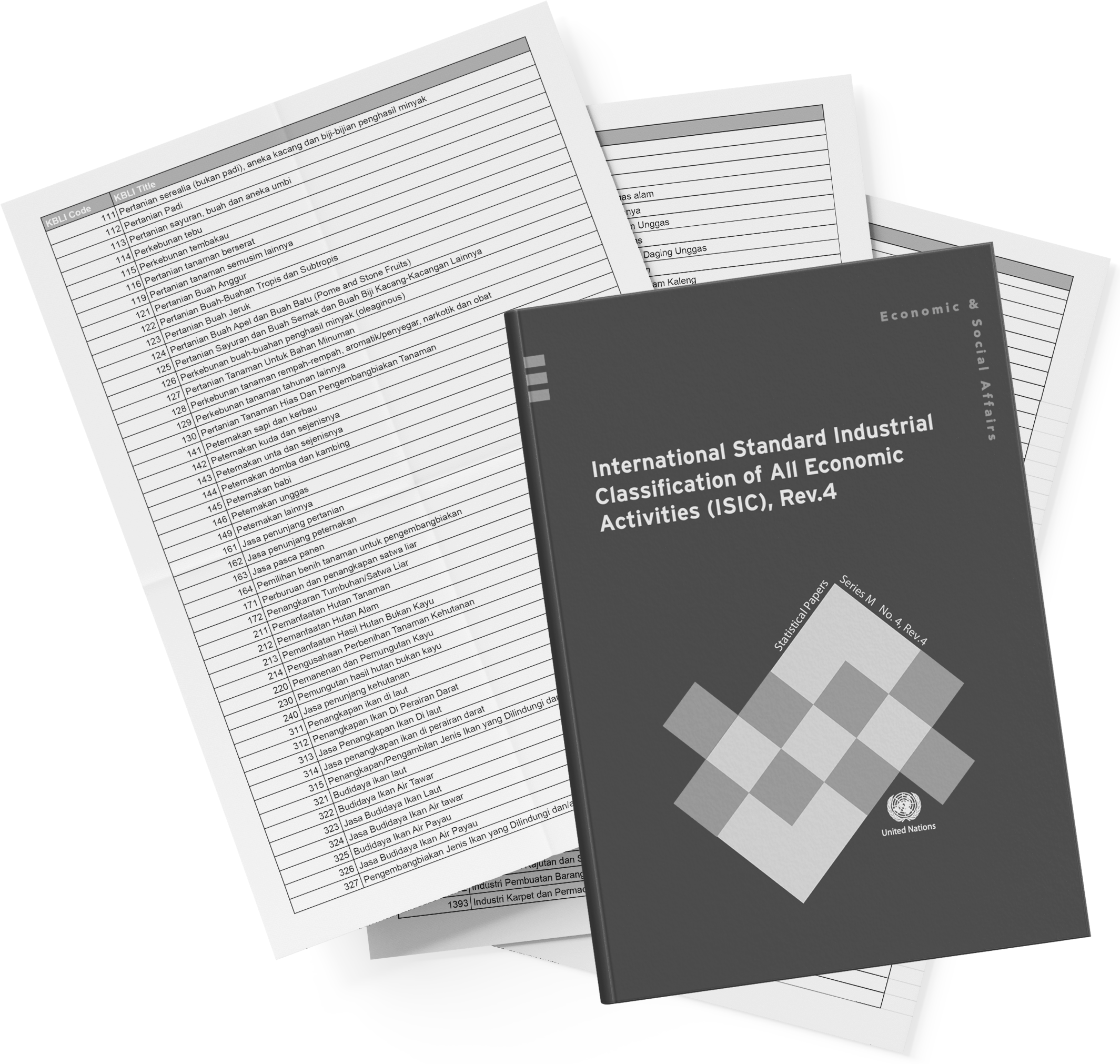
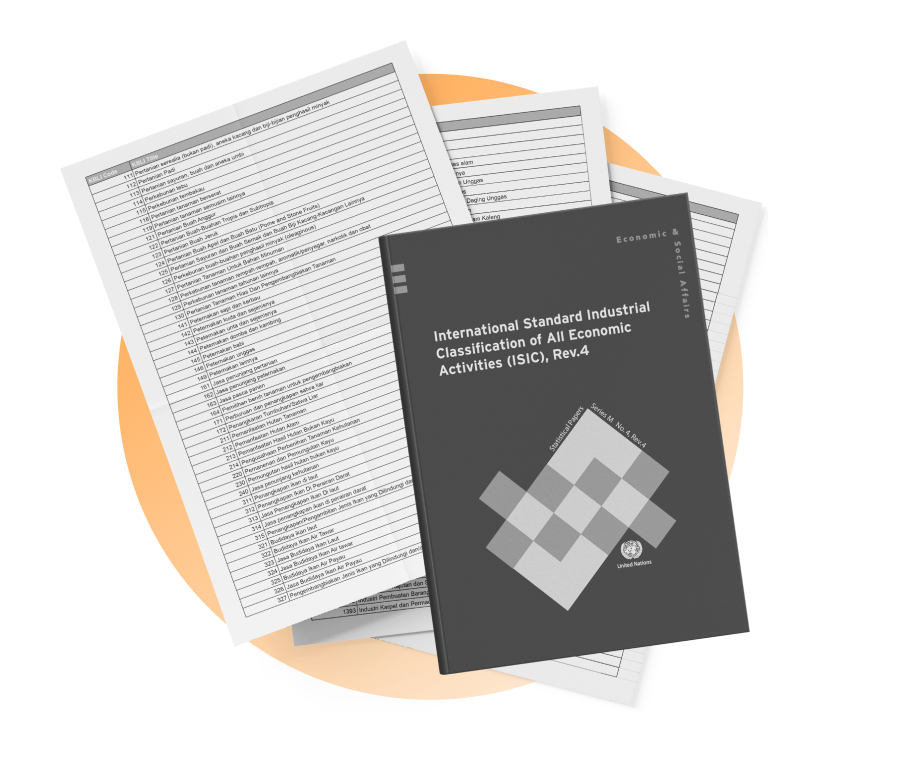
KBLI: 4322: Plumbing, Heating, and Air Conditioning Installation Industry in Indonesia
ISIC: Reference: International Standard Industrial Classification
NAICS: Comparable: North American Industry Classification System
Industry Terms
Key terminology for understanding the Plumbing, Heating, and Air Conditioning Installation Industry in Indonesia industry.
HVAC
Heating, Ventilation, and Air Conditioning systems for climate control.
In Indonesia's humid tropics, cooling dominates, enabling comfort in high-rises and malls while consuming 40% of building energy.
Plumbing
Piping networks for potable water supply, wastewater drainage, and fixtures like sinks/toilets.
Essential for health compliance via Permenkes sanitation rules; poor installs lead to leaks/floods costing developers millions.
Ductless Split System
Wall-mounted indoor units connected to outdoor compressors without ductwork.
Popular in Indonesia for retrofits due to low cost and flexibility in non-duct-ready homes, capturing 70% of residential AC installs.
Industry Overview – Business Types
Different business models operate within the Plumbing, Heating, and Air Conditioning Installation Industry in Indonesia industry.
Residential Specialist
Small crews (3-5 workers) handle house/apartment fits using standard fixtures, billing per unit with quick turnarounds.
Affordability and speed via local supplier ties, targeting developer bulk orders.
Standard industry practices apply.
Commercial Contractor
Teams coordinate with architects for mall/office HVAC, using cranes for large chillers and phased testing.
Scale handling and warranties, securing tenders via SKK certification.
Standard industry practices apply.
Industrial Installer
Engineers design custom piping for factories, integrating corrosion-resistant materials and automation.
Technical expertise for harsh environments like food processing or petrochemicals.
Standard industry practices apply.
Industry Performance & Outlook
Performance outlook for Plumbing, Heating, and Air Conditioning Installation Industry in Indonesia
The sector mirrors construction's 5-7% growth, resilient post-pandemic via backlog projects.
Positive outlook to 2030 with IKN development and housing quotas, though margins squeezed by labor costs.
Key performance indicators
Market growth
Industry expansion rate
Driven by domestic demand
Operational efficiency
Cost management
Key competitive factor
Outlook: what to watch
Monitor regulatory changes
Track infrastructure developments
Watch for technology adoption
Industry Growth Drivers
Key factors driving growth in Plumbing, Heating, and Air Conditioning Installation Industry in Indonesia.
Growth Driver 1
Domestic consumption growth driven by expanding middle class and rising disposable incomes
Monitor industry reports and market data for trends.
Growth Driver 2
Infrastructure development reducing logistics costs and improving market access
Monitor industry reports and market data for trends.
Growth Driver 3
Government policy support including investment incentives and industrial development programs
Monitor industry reports and market data for trends.
Growth Driver 4
Technology adoption improving productivity and enabling new business models
Monitor industry reports and market data for trends.
Growth Driver 5
Regional economic integration expanding market access and supply chain opportunities
Monitor industry reports and market data for trends.
Growth Driver 6
Urbanization creating concentrated demand centers and distribution efficiencies
Monitor industry reports and market data for trends.
Industry Trends & Development
Industry Development
Evolution of Plumbing, Heating, and Air Conditioning Installation Industry in Indonesia
Digital tools like BIM software optimize designs, cutting errors by 20% on complex sites.
Prefabricated modules speed installs, suiting labor-short Indonesia.
Key Trends
Major trends shaping the Plumbing, Heating, and Air Conditioning Installation Industry in Indonesia industry.
Digitalization and technology adoption
Industry trend shaping market dynamics.
Operators
Investors
Policymakers
Regulatory developments
Industry trend shaping market dynamics.
Operators
Investors
Policymakers
Impact and Sustainability
Sustainability and impact considerations for the plumbing, heat and air-conditioning installation industry.
Economic Impact
Contribution to national economic development.
Balancing growth with sustainability.
Environmental Considerations
Industry practices and environmental impact.
Operational costs vs sustainability.
Industry Segmentation
Industry Segmentation – Product/Service A
Primary market segments based on service type.
Segmentation by offering
Primary Segment
Core offerings
Main market
Addresses primary demand
Secondary Segment
Supporting services
Niche markets
Specialized needs
Segments may overlap based on customer needs.
Industry Segmentation – Product/Service B
Alternative segmentation perspectives.
Segmentation by characteristics
Mass Market
Broad appeal
General consumers
Volume-driven
Premium
High-value offerings
Discerning buyers
Quality-focused
Segment boundaries are fluid.
Customer Segmentation
Different customer segments and their characteristics.
Customer segments and what they value
B2B customers
Various
Multiple needs
Different channels
B2C consumers
Various
Multiple needs
Different channels
Key Players
Ecosystem Mapping
Plumbing, Heating, and Air Conditioning Installation Industry in Indonesia ecosystem includes various stakeholders.
Suppliers
Provide inputs and raw materials.
Primary producers
Input suppliers
Operators
Core industry participants.
Main industry operators
Service providers
Distribution
Channel to end customers.
Distributors
Retailers
How value flows across the ecosystem
Value is created through coordinated activities across the ecosystem.
Leading Players
Competitive landscape and key player archetypes.
Competitive archetypes
Market Leader
Dominant position
Scale, brand recognition
Market saturation
Specialist
Niche focus
Expertise, agility
Limited scale
How competition typically plays out
Competition is shaped by scale advantages, operational efficiency, and customer relationships.
Differentiation strategies vary by segment, with some players competing on price and others on service quality.
Operating Conditions
Operating Model & Cost Structure
Operating models in Plumbing, Heating, and Air Conditioning Installation Industry in Indonesia vary by business type.
Direct costs
Primary operational expenses
Input costs
Labor
Utilities
Major cost component
Overhead
Indirect operational costs
Administration
Facilities
Marketing
Scale-dependent
Cost structure summary
Direct costs
Volume and input prices
Operations
Efficiency improvements
Overhead
Scale and complexity
Administration
Process optimization
Cost structure varies by business model and scale.
Regulation & Compliance Considerations
Regulatory framework and compliance requirements.
Common compliance topics
Business licensing
Operating permits
Legal operation
Maintain valid licenses
Quality standards
Product/service requirements
Market access
Quality control systems
Stay current with regulatory changes.
FAQs & Sources
FAQs
What is Plumbing, Heating, and Air Conditioning Installation Industry in Indonesia?
Plumbing, Heating, and Air Conditioning Installation Industry in Indonesia encompasses various business activities in the Indonesian market.
Sources & Notes
This report is a synthesized overview based on industry analysis and desk research.
BPS (Statistics Indonesia)
Official statistics and industry data.
Ministry of Industry regulations
Regulatory framework and compliance requirements.
This report is for informational purposes and should not be treated as legal, regulatory, or investment advice.