Peer-to-Peer Lending Services Industry in Indonesia
A practical guide to Peer-to-Peer Lending Services Industry in Indonesia—market dynamics, operational realities, and strategic considerations in Indonesia
Fintech P2P lending platforms digitally match individual or institutional lenders with borrowers seeking short-term financing, using algorithms for risk assessment and automated loan disbursement. These services enable direct funding without intermediaries like banks, focusing on underserved segments through mobile apps and data-driven credit scoring.
Clear industry definition and scope of activities
Operational realities across Indonesia's regions
Market segmentation and customer analysis
Ecosystem mapping and competitive dynamics
Cost structure and unit economics
Regulatory and compliance considerations
Executive Summary
Fintech P2P lending platforms digitally match individual or institutional lenders with borrowers seeking short-term financing, using algorithms for risk assessment and automated loan disbursement.
These services enable direct funding without intermediaries like banks, focusing on underserved segments through mobile apps and data-driven credit scoring.
OJK caps daily interest at 0.4% and mandates NPL reporting, enforcing consumer protection amid aggressive lending practices.
Platforms split into productive (SME-focused) and consumptive loans, with productive facing stricter rural verification rules.
Sharia-compliant platforms like Alami gain traction, adhering to Islamic principles without riba.
Hyperlocal models use field agents for borrower verification in remote areas, blending digital and offline operations.
Rising defaults prompt tighter 2026 rules like 30% salary debt caps, impacting scalability.
Why this industry matters in Indonesia
Accelerates Indonesia's digital transformation agenda.
Enables productivity gains across all economic sectors.
Creates high-value jobs in engineering and product development.
Critical for national competitiveness in digital economy.
So what: Practical implications
Operators: Focus on quality consistency and process standardization
Buyers: Evaluate supplier capabilities beyond pricing
Investors: Look for operational efficiency and scalability
Policymakers: Support infrastructure development
Indonesia at a Glance
Republic of Indonesia: Large and fragmented market
Outstanding fintech lending hit IDR 94.85 trillion in November 2025, with 31% YoY growth earlier in the year amid digital adoption.
97 licensed platforms compete, consolidating around leaders handling billions in disbursements annually.
Market dynamics continue to evolve with changing economic conditions.
Hyperlocalization is key to navigate Indonesia's market
Platforms tailor products to regional risks, like higher rates in Eastern Indonesia due to logistics challenges.
Amartha-like models deploy village agents for data collection, enabling lending to rural women entrepreneurs.
Opportunities extend beyond cities
Rural penetration grows via agent networks, funding agriculture and micro-businesses outside Java.
Challenges include poor connectivity and collection costs, offset by group lending mechanisms.
Growing middle class driving premiumization trends across product categories and services
Digital adoption accelerating with mobile-first consumer behavior creating new channel opportunities
Infrastructure investment improving connectivity and reducing logistics costs across the archipelago
Government initiatives supporting domestic industry development and foreign investment attraction
Regional economic integration through ASEAN creating expanded market access and trade opportunities
Sustainability and ESG considerations creating differentiation opportunities for responsible businesses
Distribution realities: logistics, infrastructure, and channel reach
Fully digital disbursement via e-wallets like OVO or Dana, but collections rely on partnerships with multi-finance firms.
Logistics for verification involve third-party collectors, incurring 10-20% operational costs in remote areas.
Establish robust distribution partnerships covering both modern trade and traditional channels
Invest in localized supply chain capabilities to navigate logistics complexities and reduce costs
Develop region-specific market entry strategies accounting for local competitive dynamics
Build flexibility into operations to adapt to regulatory changes and infrastructure variations
Industry Definition
What is Peer-to-Peer Lending Services Industry in Indonesia?
Industry Definition
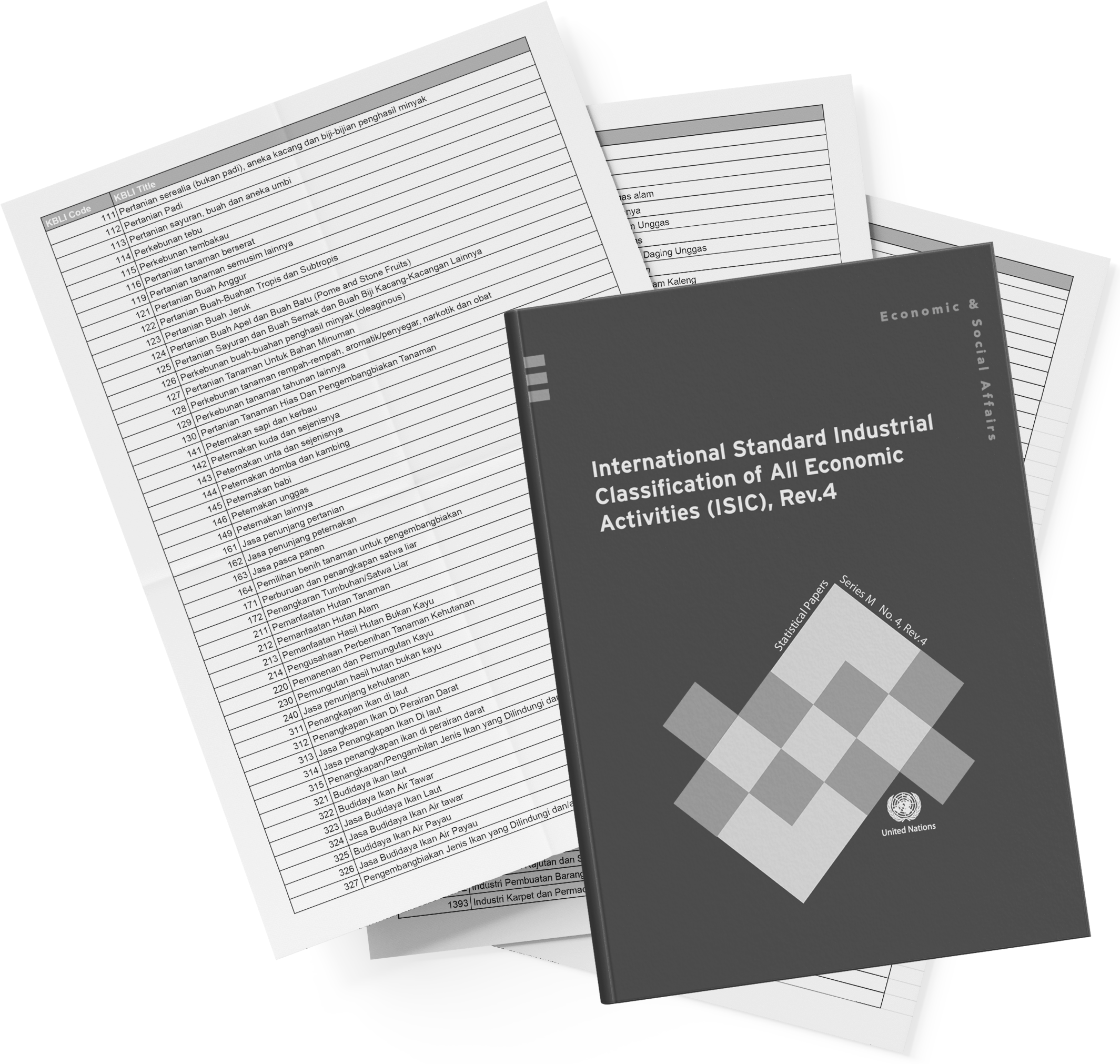
KBLI 6495 encompasses IT platforms facilitating direct P2P loans, bounded by OJK licensing excluding banks or informal lenders.
Excludes equity crowdfunding (KBLI other) and payment services, focusing solely on debt-based intermediation.
Indonesia in Focus
Indonesia's tropical climate creates constant high demand for ice cream and frozen desserts, but maintaining cold chain integrity across the archipelago's thousands of islands presents significant logistical challenges requiring specialized refrigerated transport.
High humidity levels accelerate product deterioration and cause packaging issues like condensation and label damage, necessitating robust moisture-resistant packaging and rapid distribution to prevent quality degradation before reaching consumers.
Industry Classification
Ice cream manufacturers are classified by production scale and distribution reach: artisanal producers serving local markets with small batches, regional manufacturers with provincial coverage and dedicated cold chain logistics, and national brands with island-wide distribution networks.
Product classifications distinguish by formulation: dairy-based ice creams using milk and cream, non-dairy alternatives using coconut or soy for lactose-intolerant consumers, and frozen novelties including popsicles, sandwiches, and specialty molded products.
KBLI: 6495: Peer-to-Peer Lending Services Industry in Indonesia
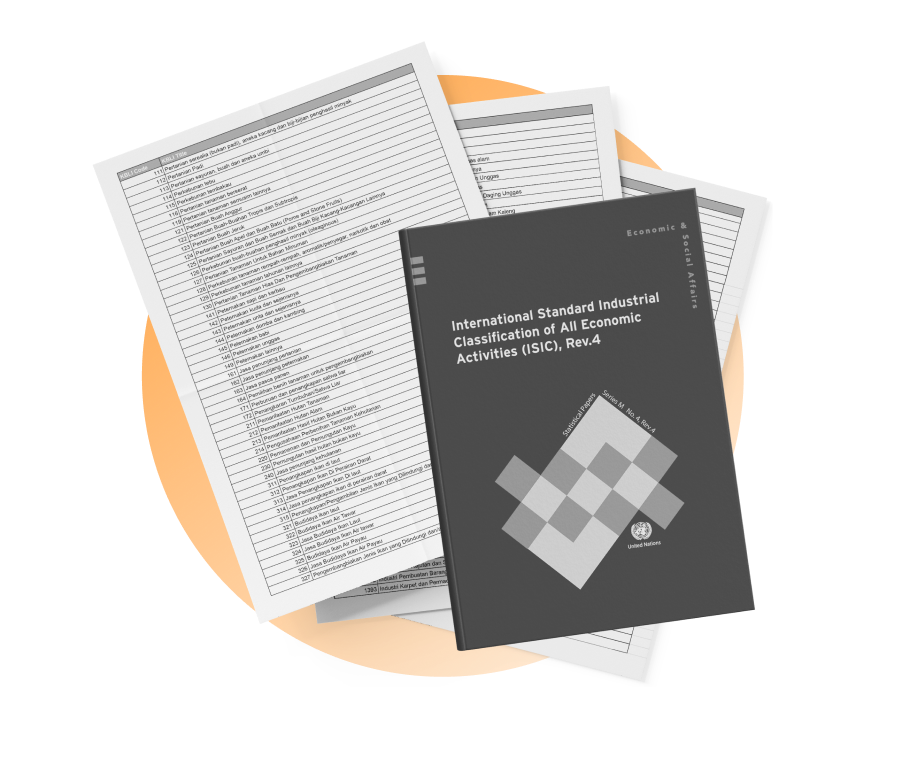
ISIC: Reference: International Standard Industrial Classification
NAICS: Comparable: North American Industry Classification System
Industry Terms
Key terminology for understanding the Peer-to-Peer Lending Services Industry in Indonesia industry.
LPBBTI
Lembaga Penyelenggara Berbasis Teknologi Informasi, OJK's term for licensed P2P platforms.
Determines regulatory compliance; unlicensed operations risk shutdown and fines.
NPL
Non-Performing Loan ratio, loans overdue >90 days.
OJK caps at 5-10%; high NPLs trigger interventions, affecting investor confidence.
Productive vs Consumptive
Productive funds business activities; consumptive for personal use.
Productive allows higher limits and rural focus, with different risk provisioning.
Industry Overview – Business Types
Different business models operate within the Peer-to-Peer Lending Services Industry in Indonesia industry.
SME-Focused Productive Lending
Funds small businesses via invoice financing or working capital loans, verified by transaction data.
Lower defaults through business cashflow collateral.
Standard industry practices apply.
Consumer PayLater
Short-term personal loans or BNPL integrated with e-commerce, repaid in installments.
High volume, quick approval via alternative data like telco usage.
Standard industry practices apply.
Sharia P2P
Profit-sharing murabaha contracts instead of interest, compliant with DSN-MUI.
Appeals to 87% Muslim population, lower perceived risk.
Standard industry practices apply.
Industry Performance & Outlook
Performance outlook for Peer-to-Peer Lending Services Industry in Indonesia
Post-2025 growth slowed to 20-30% amid defaults, but stabilization expected with new regs.
Outlook positive for 2026-2030 with embedded lending and AI improvements.
Key performance indicators
Market growth
Industry expansion rate
Driven by domestic demand
Operational efficiency
Cost management
Key competitive factor
Outlook: what to watch
Monitor regulatory changes
Track infrastructure developments
Watch for technology adoption
Industry Growth Drivers
Key factors driving growth in Peer-to-Peer Lending Services Industry in Indonesia.
Growth Driver 1
Domestic consumption growth driven by expanding middle class and rising disposable incomes
Monitor industry reports and market data for trends.
Growth Driver 2
Infrastructure development reducing logistics costs and improving market access
Monitor industry reports and market data for trends.
Growth Driver 3
Government policy support including investment incentives and industrial development programs
Monitor industry reports and market data for trends.
Growth Driver 4
Technology adoption improving productivity and enabling new business models
Monitor industry reports and market data for trends.
Growth Driver 5
Regional economic integration expanding market access and supply chain opportunities
Monitor industry reports and market data for trends.
Growth Driver 6
Urbanization creating concentrated demand centers and distribution efficiencies
Monitor industry reports and market data for trends.
Industry Trends & Development
Industry Development
Evolution of Peer-to-Peer Lending Services Industry in Indonesia
From 30 platforms in 2017 to 97 in 2026, with consolidation among top 10 holding 80% market.
Shift from aggressive growth to sustainable models post-2023 scandals.
Key Trends
Major trends shaping the Peer-to-Peer Lending Services Industry in Indonesia industry.
Digitalization and technology adoption
Industry trend shaping market dynamics.
Operators
Investors
Policymakers
Regulatory developments
Industry trend shaping market dynamics.
Operators
Investors
Policymakers
Impact and Sustainability
Sustainability and impact considerations for the information technology-based money lending services (fintech p2p lending) industry.
Economic Impact
Contribution to national economic development.
Balancing growth with sustainability.
Environmental Considerations
Industry practices and environmental impact.
Operational costs vs sustainability.
Industry Segmentation
Industry Segmentation – Product/Service A
Primary market segments based on service type.
Segmentation by offering
Primary Segment
Core offerings
Main market
Addresses primary demand
Secondary Segment
Supporting services
Niche markets
Specialized needs
Segments may overlap based on customer needs.
Industry Segmentation – Product/Service B
Alternative segmentation perspectives.
Segmentation by characteristics
Mass Market
Broad appeal
General consumers
Volume-driven
Premium
High-value offerings
Discerning buyers
Quality-focused
Segment boundaries are fluid.
Customer Segmentation
Different customer segments and their characteristics.
Customer segments and what they value
B2B customers
Various
Multiple needs
Different channels
B2C consumers
Various
Multiple needs
Different channels
Key Players
Ecosystem Mapping
Peer-to-Peer Lending Services Industry in Indonesia ecosystem includes various stakeholders.
Suppliers
Provide inputs and raw materials.
Primary producers
Input suppliers
Operators
Core industry participants.
Main industry operators
Service providers
Distribution
Channel to end customers.
Distributors
Retailers
How value flows across the ecosystem
Value is created through coordinated activities across the ecosystem.
Leading Players
Competitive landscape and key player archetypes.
Competitive archetypes
Market Leader
Dominant position
Scale, brand recognition
Market saturation
Specialist
Niche focus
Expertise, agility
Limited scale
How competition typically plays out
Competition is shaped by scale advantages, operational efficiency, and customer relationships.
Differentiation strategies vary by segment, with some players competing on price and others on service quality.
Operating Conditions
Operating Model & Cost Structure
Operating models in Peer-to-Peer Lending Services Industry in Indonesia vary by business type.
Direct costs
Primary operational expenses
Input costs
Labor
Utilities
Major cost component
Overhead
Indirect operational costs
Administration
Facilities
Marketing
Scale-dependent
Cost structure summary
Direct costs
Volume and input prices
Operations
Efficiency improvements
Overhead
Scale and complexity
Administration
Process optimization
Cost structure varies by business model and scale.
Regulation & Compliance Considerations
Regulatory framework and compliance requirements.
Common compliance topics
Business licensing
Operating permits
Legal operation
Maintain valid licenses
Quality standards
Product/service requirements
Market access
Quality control systems
Stay current with regulatory changes.
FAQs & Sources
FAQs
What is Peer-to-Peer Lending Services Industry in Indonesia?
Peer-to-Peer Lending Services Industry in Indonesia encompasses various business activities in the Indonesian market.
Sources & Notes
This report is a synthesized overview based on industry analysis and desk research.
BPS (Statistics Indonesia)
Official statistics and industry data.
Ministry of Industry regulations
Regulatory framework and compliance requirements.
This report is for informational purposes and should not be treated as legal, regulatory, or investment advice.