Other Transport Equipment Manufacturing Industry in Indonesia
A practical guide to Other Transport Equipment Manufacturing Industry in Indonesia—market dynamics, operational realities, and strategic considerations in Indonesia
This industry produces niche transport equipment not classified under major categories like bicycles (KBLI 3092), motorcycles (3091), boats, or aircraft. Key outputs include non-motorized rickshaws (becak), push carts (kereta dorong), baby strollers, sleds, and amusement ride vehicles. Manufacturing involves metal fabrication, welding, and assembly tailored to low-volume, custom orders for informal markets, vendors, and tourism operators.
Clear industry definition and scope of activities
Operational realities across Indonesia's regions
Market segmentation and customer analysis
Ecosystem mapping and competitive dynamics
Cost structure and unit economics
Regulatory and compliance considerations
Executive Summary
This industry produces niche transport equipment not classified under major categories like bicycles (KBLI 3092), motorcycles (3091), boats, or aircraft. Key outputs include non-motorized rickshaws (becak), push carts (kereta dorong), baby strollers, sleds, and amusement ride vehicles.
Manufacturing involves metal fabrication, welding, and assembly tailored to low-volume, custom orders for informal markets, vendors, and tourism operators.
Fragmented into thousands of small workshops with low tech and high customization.
Relies on scrap metal and manual labor, keeping costs low but scalability limited.
Urbanization erodes traditional becak demand, pushing innovation in cargo trikes.
Opportunities in eco-micromobility for e-commerce last-mile delivery.
Regulatory hurdles minimal but safety standards increasingly enforced for public use.
Export potential to ASEAN for cultural transport replicas.
Why this industry matters in Indonesia
Connects Indonesia's archipelago economy across 17,000+ islands.
Critical for supply chain efficiency and trade competitiveness.
Enables e-commerce fulfillment and last-mile delivery.
Supports economic integration and regional development.
So what: Practical implications
Operators: Focus on quality consistency and process standardization
Buyers: Evaluate supplier capabilities beyond pricing
Investors: Look for operational efficiency and scalability
Policymakers: Support infrastructure development
Indonesia at a Glance
Republic of Indonesia: Large and fragmented market
Small, fragmented market centered on unorganized producers serving street vendors and events.
Demand stable in informal sectors but vulnerable to motorized alternatives.
Market dynamics continue to evolve with changing economic conditions.
Hyperlocalization is key to navigate Indonesia's market
Workshops cluster near wet markets in Jakarta and Surabaya for quick cart repairs and customs.
Becak specialists dominate Yogyakarta's artisan alleys, adapting to tourist variants.
Opportunities extend beyond cities
Rural Java and Sumatra plantations use wooden-metal hybrid trolleys for palm oil logistics.
Eastern Indonesia sees animal-drawn carts for remote village transport.
Growing middle class driving premiumization trends across product categories and services
Digital adoption accelerating with mobile-first consumer behavior creating new channel opportunities
Infrastructure investment improving connectivity and reducing logistics costs across the archipelago
Government initiatives supporting domestic industry development and foreign investment attraction
Regional economic integration through ASEAN creating expanded market access and trade opportunities
Sustainability and ESG considerations creating differentiation opportunities for responsible businesses
Distribution realities: logistics, infrastructure, and channel reach
Direct from workshop to buyer via pickup trucks; national shipping rare due to bulkiness.
Local agents handle tourism orders, with disassembly for road transport reducing damage.
Establish robust distribution partnerships covering both modern trade and traditional channels
Invest in localized supply chain capabilities to navigate logistics complexities and reduce costs
Develop region-specific market entry strategies accounting for local competitive dynamics
Build flexibility into operations to adapt to regulatory changes and infrastructure variations
Industry Definition
What is Other Transport Equipment Manufacturing Industry in Indonesia?
Industry Definition
KBLI 3099 encompasses manufacture of transport equipment n.e.c., including non-motorized wheeled vehicles like rickshaws, push carts, baby strollers, sleds, non-motorized goods carriers, and fairground mechanical rides. Excludes bicycles/invalid carriages (3092), motorcycles (3091), motor vehicles (29), boats (301), railways (302), aircraft (303).
Focus on human/animal-powered or unpowered specialized movers for commercial, personal, or recreational use.
Indonesia in Focus
Indonesia's archipelago geography creates unique distribution challenges requiring adapted logistics and storage solutions.
High humidity and tropical climate demand specific technical approaches to quality preservation and product integrity.
Industry Classification
Conceptually, industry activities sit under specific regulatory frameworks with classification by operational scale and service model.
Operators may be classified by activity type, by service delivery model, and by end-use applications.
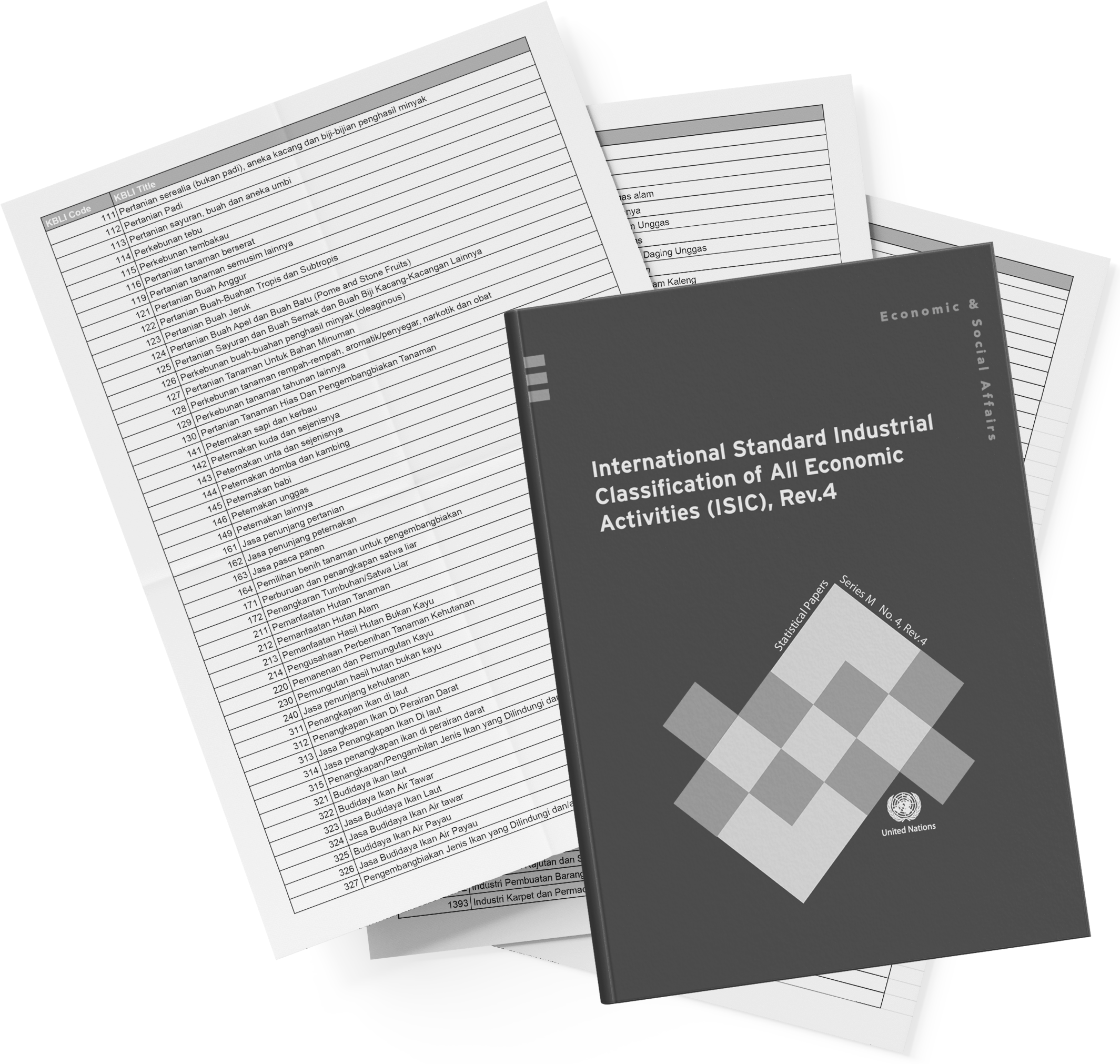
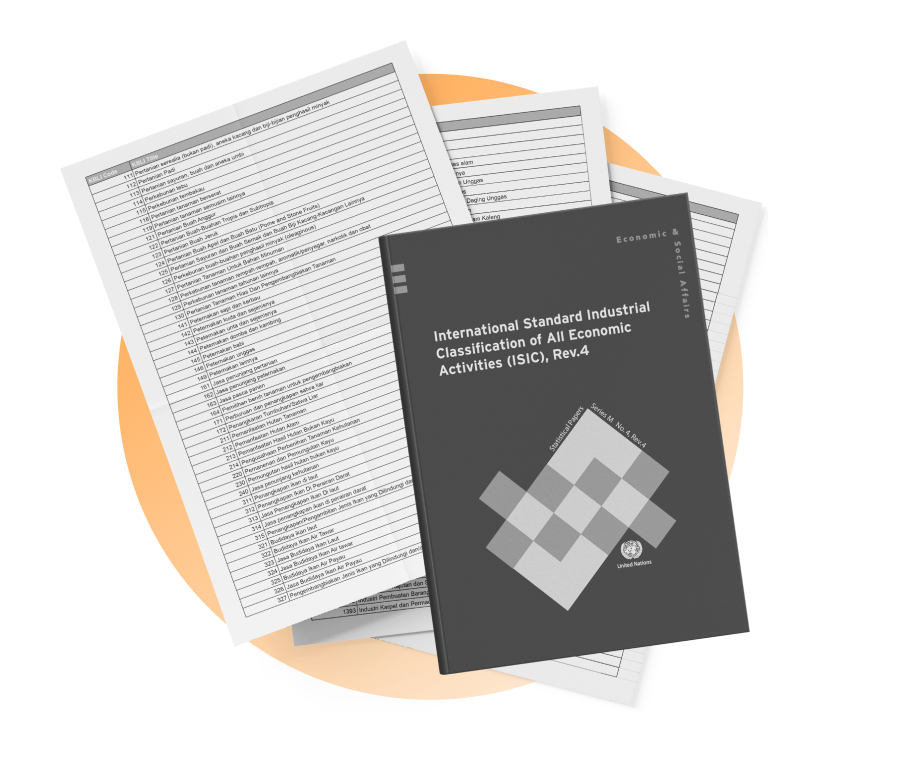
KBLI: 3099: Other Transport Equipment Manufacturing Industry in Indonesia
ISIC: Reference: International Standard Industrial Classification
NAICS: Comparable: North American Industry Classification System
Industry Terms
Key terminology for understanding the Other Transport Equipment Manufacturing Industry in Indonesia industry.
YTDL
Yang Tidak Disebutkan/Diklasifikasikan di Tempat Lain (Not Elsewhere Classified)
Allows classification of emerging or niche products like electric-free micromobility without new codes, capturing Indonesia's informal innovations.
Becak
Cycle rickshaw or pedicab, a three-wheeled passenger carrier powered by pedal.
Iconic in heritage tourism; custom parts sustain workshops amid bans in modern cities.
Kereta Dorong
Push cart or hand trolley for goods transport.
Backbone of wet market logistics; low-cost design trade-offs enable vendor agility.
Industry Overview – Business Types
Different business models operate within the Other Transport Equipment Manufacturing Industry in Indonesia industry.
Artisan Workshops
Hand-weld scrap steel frames with imported wheels, fulfilling bespoke orders in 1-2 days.
Ultra-local customization matching buyer height/usage.
Standard industry practices apply.
Assembly Clusters
Source components from China/India, assemble in sheds for market trolleys.
Cost arbitrage via bulk imports, faster turnaround than pure fabrication.
Standard industry practices apply.
Tourism Specialists
Produce themed carts/rides for parks, incorporating safety features.
Compliance with SNI standards for higher-margin contracts.
Standard industry practices apply.
Industry Performance & Outlook
Performance outlook for Other Transport Equipment Manufacturing Industry in Indonesia
Performance steady in informal niches but pressured by cheap motorized substitutes.
Outlook moderately positive with tourism rebound and green logistics push.
Key performance indicators
Market growth
Industry expansion rate
Driven by domestic demand
Operational efficiency
Cost management
Key competitive factor
Outlook: what to watch
Monitor regulatory changes
Track infrastructure developments
Watch for technology adoption
Industry Growth Drivers
Key factors driving growth in Other Transport Equipment Manufacturing Industry in Indonesia.
Growth Driver 1
Domestic consumption growth driven by expanding middle class and rising disposable incomes
Monitor industry reports and market data for trends.
Growth Driver 2
Infrastructure development reducing logistics costs and improving market access
Monitor industry reports and market data for trends.
Growth Driver 3
Government policy support including investment incentives and industrial development programs
Monitor industry reports and market data for trends.
Growth Driver 4
Technology adoption improving productivity and enabling new business models
Monitor industry reports and market data for trends.
Growth Driver 5
Regional economic integration expanding market access and supply chain opportunities
Monitor industry reports and market data for trends.
Growth Driver 6
Urbanization creating concentrated demand centers and distribution efficiencies
Monitor industry reports and market data for trends.
Industry Trends & Development
Industry Development
Evolution of Other Transport Equipment Manufacturing Industry in Indonesia
Transition from wooden becak to steel/aluminum hybrids for durability.
Rise of modular designs for easy repair in remote areas.
Key Trends
Major trends shaping the Other Transport Equipment Manufacturing Industry in Indonesia industry.
Digitalization and technology adoption
Industry trend shaping market dynamics.
Operators
Investors
Policymakers
Regulatory developments
Industry trend shaping market dynamics.
Operators
Investors
Policymakers
Impact and Sustainability
Sustainability and impact considerations for the manufacture of other transport equipment not elsewhere classified industry.
Economic Impact
Contribution to national economic development.
Balancing growth with sustainability.
Environmental Considerations
Industry practices and environmental impact.
Operational costs vs sustainability.
Industry Segmentation
Industry Segmentation – Product/Service A
Primary market segments based on service type.
Segmentation by offering
Primary Segment
Core offerings
Main market
Addresses primary demand
Secondary Segment
Supporting services
Niche markets
Specialized needs
Segments may overlap based on customer needs.
Industry Segmentation – Product/Service B
Alternative segmentation perspectives.
Segmentation by characteristics
Mass Market
Broad appeal
General consumers
Volume-driven
Premium
High-value offerings
Discerning buyers
Quality-focused
Segment boundaries are fluid.
Customer Segmentation
Different customer segments and their characteristics.
Customer segments and what they value
B2B customers
Various
Multiple needs
Different channels
B2C consumers
Various
Multiple needs
Different channels
Key Players
Ecosystem Mapping
Other Transport Equipment Manufacturing Industry in Indonesia ecosystem includes various stakeholders.
Suppliers
Provide inputs and raw materials.
Primary producers
Input suppliers
Operators
Core industry participants.
Main industry operators
Service providers
Distribution
Channel to end customers.
Distributors
Retailers
How value flows across the ecosystem
Value is created through coordinated activities across the ecosystem.
Leading Players
Competitive landscape and key player archetypes.
Competitive archetypes
Market Leader
Dominant position
Scale, brand recognition
Market saturation
Specialist
Niche focus
Expertise, agility
Limited scale
How competition typically plays out
Competition is shaped by scale advantages, operational efficiency, and customer relationships.
Differentiation strategies vary by segment, with some players competing on price and others on service quality.
Operating Conditions
Operating Model & Cost Structure
Operating models in Other Transport Equipment Manufacturing Industry in Indonesia vary by business type.
Direct costs
Primary operational expenses
Input costs
Labor
Utilities
Major cost component
Overhead
Indirect operational costs
Administration
Facilities
Marketing
Scale-dependent
Cost structure summary
Direct costs
Volume and input prices
Operations
Efficiency improvements
Overhead
Scale and complexity
Administration
Process optimization
Cost structure varies by business model and scale.
Regulation & Compliance Considerations
Regulatory framework and compliance requirements.
Common compliance topics
Business licensing
Operating permits
Legal operation
Maintain valid licenses
Quality standards
Product/service requirements
Market access
Quality control systems
Stay current with regulatory changes.
FAQs & Sources
FAQs
What is Other Transport Equipment Manufacturing Industry in Indonesia?
Other Transport Equipment Manufacturing Industry in Indonesia encompasses various business activities in the Indonesian market.
Sources & Notes
This report is a synthesized overview based on industry analysis and desk research.
BPS (Statistics Indonesia)
Official statistics and industry data.
Ministry of Industry regulations
Regulatory framework and compliance requirements.
This report is for informational purposes and should not be treated as legal, regulatory, or investment advice.