Other Specialized Retail Industry in Indonesia
A practical guide to Other Specialized Retail Industry in Indonesia—market dynamics, operational realities, and strategic considerations in Indonesia
This industry encompasses specialized retail stores that sell new, niche non-food goods not classified elsewhere, such as agricultural machinery, sewing machines, non-motorized bicycles and their parts, watercraft accessories, farm tools, motorcycle rider gear, plastic packaging, and items like weapons or ammunition. These stores cater to targeted buyers with specific needs, operating as standalone shops or market stalls focused on high-value or specialized products requiring demonstration or customization.
Clear industry definition and scope of activities
Operational realities across Indonesia's regions
Market segmentation and customer analysis
Ecosystem mapping and competitive dynamics
Cost structure and unit economics
Regulatory and compliance considerations
Executive Summary
This industry encompasses specialized retail stores that sell new, niche non-food goods not classified elsewhere, such as agricultural machinery, sewing machines, non-motorized bicycles and their parts, watercraft accessories, farm tools, motorcycle rider gear, plastic packaging, and items like weapons or ammunition.
These stores cater to targeted buyers with specific needs, operating as standalone shops or market stalls focused on high-value or specialized products requiring demonstration or customization.
Diverse product mix spans agrotech, personal transport gear, and industrial supplies, driven by Indonesia's agrarian base and motorcycle culture.
Hyper-local operations prevail, with stores sourcing from regional distributors to match island-specific needs like flood-resistant farm tools in Papua.
Low entry barriers favor family-run businesses, but competition intensifies from informal markets and online platforms for smaller accessories.
Logistics challenges amplify costs for remote areas, making bulk-buying cooperatives common among rural dealers.
Regulatory focus on product safety and imports affects margins, especially for machinery and rider gear.
Why this industry matters in Indonesia
Connects producers with Indonesia's vast consumer market.
Critical for price discovery and market efficiency.
Supports MSME distribution and market access.
Enables consumption-driven economic growth.
So what: Practical implications
Operators: Focus on quality consistency and process standardization
Buyers: Evaluate supplier capabilities beyond pricing
Investors: Look for operational efficiency and scalability
Policymakers: Support infrastructure development
Indonesia at a Glance
Republic of Indonesia: Large and fragmented market
Indonesia's KBLI 4779 retail thrives on niche demands, bolstered by 50 million+ farmers needing tools and 100 million+ motorbikes driving accessory sales.
Urban-rural split sees Java hosting sewing and moto shops, while outer islands emphasize ag equipment amid rising mechanization.
Market dynamics continue to evolve with changing economic conditions.
Hyperlocalization is key to navigate Indonesia's market
Stores customize inventory to local realities—e.g., motorbike rain gear in monsoon-prone Kalimantan versus drought tools in NTT.
Regional dialects and preferences shape sales pitches, with Javanese shops bundling sewing machines with fabric services.
Opportunities extend beyond cities
Rural kabupaten dominate ag machinery sales, served by traveling salesmen linking wholesalers to village co-ops.
Remote islands rely on inter-island ferries for stock, fostering resilient dealer networks resilient to disruptions.
Growing middle class driving premiumization trends across product categories and services
Digital adoption accelerating with mobile-first consumer behavior creating new channel opportunities
Infrastructure investment improving connectivity and reducing logistics costs across the archipelago
Government initiatives supporting domestic industry development and foreign investment attraction
Regional economic integration through ASEAN creating expanded market access and trade opportunities
Sustainability and ESG considerations creating differentiation opportunities for responsible businesses
Distribution realities: logistics, infrastructure, and channel reach
Multi-tier supply chains start from importer hubs in Jakarta-Surabaya, cascading via trucking to regional depots then motorbike deliveries to shops.
High spoilage risk for packaging materials necessitates just-in-time sourcing, while bulky machinery uses container ships for outer islands.
Establish robust distribution partnerships covering both modern trade and traditional channels
Invest in localized supply chain capabilities to navigate logistics complexities and reduce costs
Develop region-specific market entry strategies accounting for local competitive dynamics
Build flexibility into operations to adapt to regulatory changes and infrastructure variations
Industry Definition
What is Other Specialized Retail Industry in Indonesia?
Industry Definition
KBLI 4779 covers retail sale of new specialized goods in dedicated stores, excluding food, clothing, pharma, or general merchandise; focuses on items like farm/sewing machinery, bike/watercraft accessories, ag tools, moto rider gear, plastic packaging, and sundry non-foods.
Boundaries exclude second-hand goods (KBLI 4774 parts), motorized vehicles (4510), or online-only sales (4791); emphasizes physical specialty outlets.
Indonesia in Focus
Indonesia's archipelago geography creates unique distribution challenges requiring adapted logistics and storage solutions.
High humidity and tropical climate demand specific technical approaches to quality preservation and product integrity.
Industry Classification
Conceptually, industry activities sit under specific regulatory frameworks with classification by operational scale and service model.
Operators may be classified by activity type, by service delivery model, and by end-use applications.
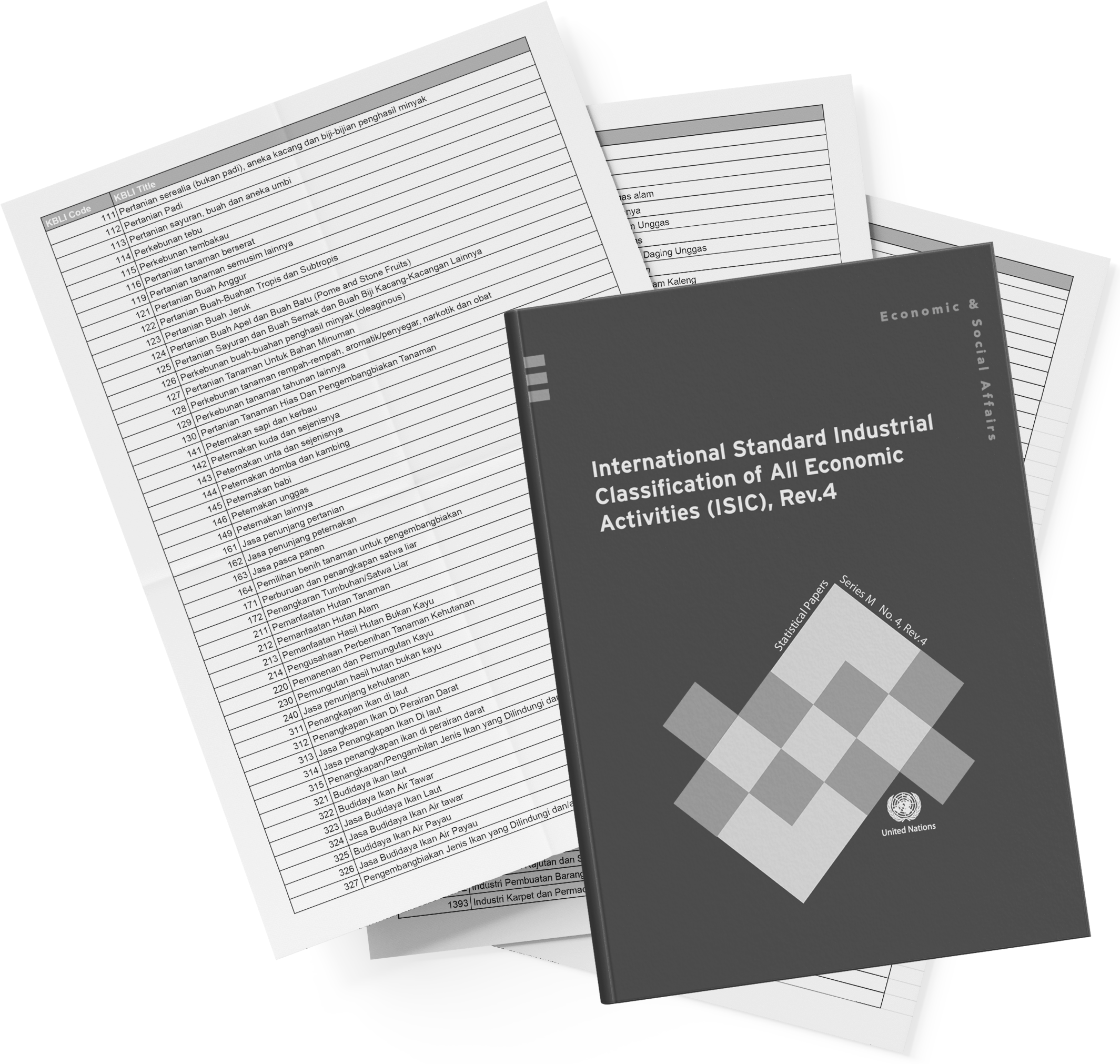
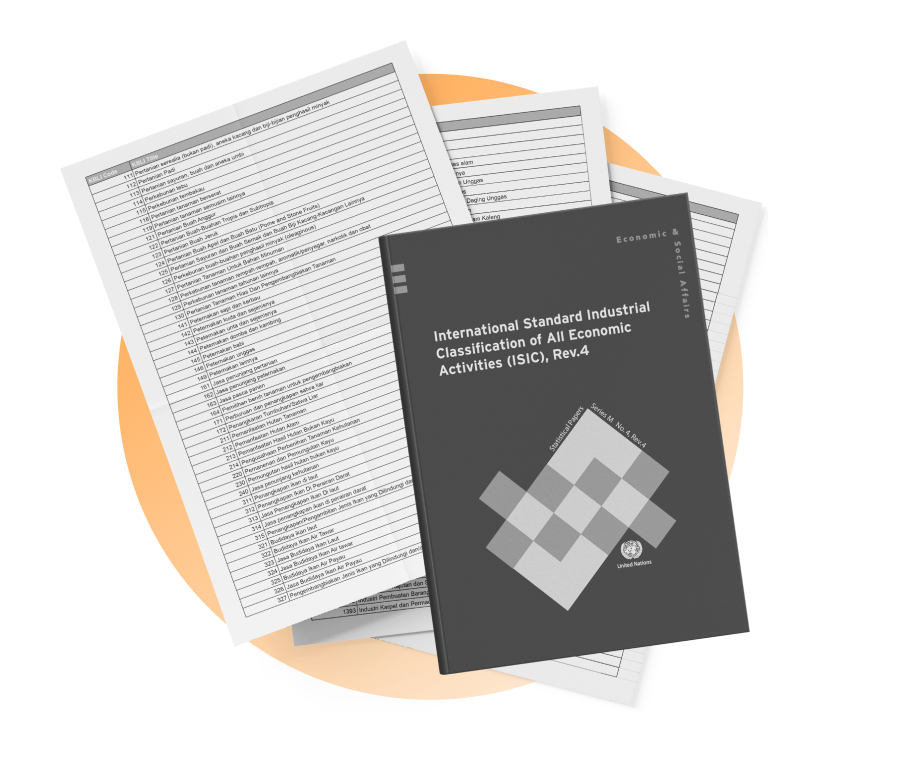
KBLI: 4779: Other Specialized Retail Industry in Indonesia
ISIC: Reference: International Standard Industrial Classification
NAICS: Comparable: North American Industry Classification System
Industry Terms
Key terminology for understanding the Other Specialized Retail Industry in Indonesia industry.
YTDL (Yang Tidak Diklasifikasikan di Tempat Lain)
Not Elsewhere Classified, a catch-all for niche retail items fitting no other code.
Enables classification of emerging or hyper-specific products like drone farm sprayers without regulatory gaps.
Rider Accessories
Protective gear for motorcycle users, including helmets, jackets, gloves.
Critical in Indonesia's moto-dominated transport, driving 40%+ of urban sales amid safety mandates.
Ag Machinery Retail
Sales of tillers, sprayers, harvesters for smallholder farms.
Supports productivity gains for 30 million farmers, with financing tie-ups boosting volumes.
Industry Overview – Business Types
Different business models operate within the Other Specialized Retail Industry in Indonesia industry.
Machinery Demo Shops
Stores stock/display heavy equipment, offer on-site trials, and partner with financiers for installment buys.
Expert advice and maintenance services lock in rural loyalty.
Standard industry practices apply.
Accessories & Parts Outlets
High-turnover stalls sell consumables like helmets/gloves, sourced from national distributors.
Branded variety and quick customization for local tastes.
Standard industry practices apply.
Packaging & Tools Suppliers
B2B-focused shops serve small manufacturers/farmers with bulk plastics/tools on credit.
Volume discounts and delivery networks to underserved townships.
Standard industry practices apply.
Industry Performance & Outlook
Performance outlook for Other Specialized Retail Industry in Indonesia
Sector grows steadily with ag modernization and moto fleet expansion, though logistics inflation pressures margins.
Outlook positive via e-commerce augmentation and green product shifts, targeting 5-7% CAGR through 2030.
Key performance indicators
Market growth
Industry expansion rate
Driven by domestic demand
Operational efficiency
Cost management
Key competitive factor
Outlook: what to watch
Monitor regulatory changes
Track infrastructure developments
Watch for technology adoption
Industry Growth Drivers
Key factors driving growth in Other Specialized Retail Industry in Indonesia.
Growth Driver 1
Domestic consumption growth driven by expanding middle class and rising disposable incomes
Monitor industry reports and market data for trends.
Growth Driver 2
Infrastructure development reducing logistics costs and improving market access
Monitor industry reports and market data for trends.
Growth Driver 3
Government policy support including investment incentives and industrial development programs
Monitor industry reports and market data for trends.
Growth Driver 4
Technology adoption improving productivity and enabling new business models
Monitor industry reports and market data for trends.
Growth Driver 5
Regional economic integration expanding market access and supply chain opportunities
Monitor industry reports and market data for trends.
Growth Driver 6
Urbanization creating concentrated demand centers and distribution efficiencies
Monitor industry reports and market data for trends.
Industry Trends & Development
Industry Development
Evolution of Other Specialized Retail Industry in Indonesia
Evolution from informal stalls to semi-formal chains, integrating digital catalogs for remote ordering.
Shift toward bundled services like warranties and repairs amid rising import quality standards.
Key Trends
Major trends shaping the Other Specialized Retail Industry in Indonesia industry.
Digitalization and technology adoption
Industry trend shaping market dynamics.
Operators
Investors
Policymakers
Regulatory developments
Industry trend shaping market dynamics.
Operators
Investors
Policymakers
Impact and Sustainability
Sustainability and impact considerations for the retail trade of other specific goods in specialized stores not elsewhere classified industry.
Economic Impact
Contribution to national economic development.
Balancing growth with sustainability.
Environmental Considerations
Industry practices and environmental impact.
Operational costs vs sustainability.
Industry Segmentation
Industry Segmentation – Product/Service A
Primary market segments based on service type.
Segmentation by offering
Primary Segment
Core offerings
Main market
Addresses primary demand
Secondary Segment
Supporting services
Niche markets
Specialized needs
Segments may overlap based on customer needs.
Industry Segmentation – Product/Service B
Alternative segmentation perspectives.
Segmentation by characteristics
Mass Market
Broad appeal
General consumers
Volume-driven
Premium
High-value offerings
Discerning buyers
Quality-focused
Segment boundaries are fluid.
Customer Segmentation
Different customer segments and their characteristics.
Customer segments and what they value
B2B customers
Various
Multiple needs
Different channels
B2C consumers
Various
Multiple needs
Different channels
Key Players
Ecosystem Mapping
Other Specialized Retail Industry in Indonesia ecosystem includes various stakeholders.
Suppliers
Provide inputs and raw materials.
Primary producers
Input suppliers
Operators
Core industry participants.
Main industry operators
Service providers
Distribution
Channel to end customers.
Distributors
Retailers
How value flows across the ecosystem
Value is created through coordinated activities across the ecosystem.
Leading Players
Competitive landscape and key player archetypes.
Competitive archetypes
Market Leader
Dominant position
Scale, brand recognition
Market saturation
Specialist
Niche focus
Expertise, agility
Limited scale
How competition typically plays out
Competition is shaped by scale advantages, operational efficiency, and customer relationships.
Differentiation strategies vary by segment, with some players competing on price and others on service quality.
Operating Conditions
Operating Model & Cost Structure
Operating models in Other Specialized Retail Industry in Indonesia vary by business type.
Direct costs
Primary operational expenses
Input costs
Labor
Utilities
Major cost component
Overhead
Indirect operational costs
Administration
Facilities
Marketing
Scale-dependent
Cost structure summary
Direct costs
Volume and input prices
Operations
Efficiency improvements
Overhead
Scale and complexity
Administration
Process optimization
Cost structure varies by business model and scale.
Regulation & Compliance Considerations
Regulatory framework and compliance requirements.
Common compliance topics
Business licensing
Operating permits
Legal operation
Maintain valid licenses
Quality standards
Product/service requirements
Market access
Quality control systems
Stay current with regulatory changes.
FAQs & Sources
FAQs
What is Other Specialized Retail Industry in Indonesia?
Other Specialized Retail Industry in Indonesia encompasses various business activities in the Indonesian market.
Sources & Notes
This report is a synthesized overview based on industry analysis and desk research.
BPS (Statistics Indonesia)
Official statistics and industry data.
Ministry of Industry regulations
Regulatory framework and compliance requirements.
This report is for informational purposes and should not be treated as legal, regulatory, or investment advice.