Other Non-Metallic Mineral Product Manufacturing Industry in Indonesia
A practical guide to Other Non-Metallic Mineral Product Manufacturing Industry in Indonesia—market dynamics, operational realities, and strategic considerations in Indonesia
Manufacture of Other Non-Metallic Mineral Products n.e.c. encompasses the processing of diverse minerals into industrial intermediates and finished goods like abrasives, friction materials, thermal/sound insulators, and specialty articles from mica, graphite, or asphalt. Facilities bond abrasive grains into grinding wheels, melt slag into rock wool fibers, or calcine kaolin into high-purity powders, enabling downstream applications in metalworking, construction insulation, and composites. This catch-all category captures value-added transformations that improve mineral functionality—such as sharpness retention in corundum wheels or fire resistance in vermiculite boards—while excluding mainstream products like cement, glass, or pottery.
Clear industry definition and scope of activities
Operational realities across Indonesia's regions
Market segmentation and customer analysis
Ecosystem mapping and competitive dynamics
Cost structure and unit economics
Regulatory and compliance considerations
Executive Summary
Manufacture of Other Non-Metallic Mineral Products n.e.c. encompasses the processing of diverse minerals into industrial intermediates and finished goods like abrasives, friction materials, thermal/sound insulators, and specialty articles from mica, graphite, or asphalt. Facilities bond abrasive grains into grinding wheels, melt slag into rock wool fibers, or calcine kaolin into high-purity powders, enabling downstream applications in metalworking, construction insulation, and composites.
This catch-all category captures value-added transformations that improve mineral functionality—such as sharpness retention in corundum wheels or fire resistance in vermiculite boards—while excluding mainstream products like cement, glass, or pottery.
Abrasives like grinding wheels account for the bulk of output volume, tied to Indonesia's metal fabrication and automotive repair sectors.
Insulation products such as rock wool serve construction but remain import-heavy, with local production limited by energy-intensive melting processes.
Small-scale clay and kaolin processors dominate rural areas, supplying fillers to ceramics and paints with minimal tech investment.
Energy costs from kilns and furnaces squeeze margins, pushing operators toward biomass co-firing in palm oil abundant regions.
Dust control and emissions compliance is critical, as mineral processing generates fine particulates regulated under AMDAL for larger plants.
Why this industry matters in Indonesia
Supports Indonesia's economic growth and development objectives.
Creates employment opportunities across diverse skill levels.
Critical for service delivery and value chain integration.
Enables Indonesia's competitiveness in regional and global markets.
So what: Practical implications
Operators: Focus on quality consistency and process standardization
Buyers: Evaluate supplier capabilities beyond pricing
Investors: Look for operational efficiency and scalability
Policymakers: Support infrastructure development
Indonesia at a Glance
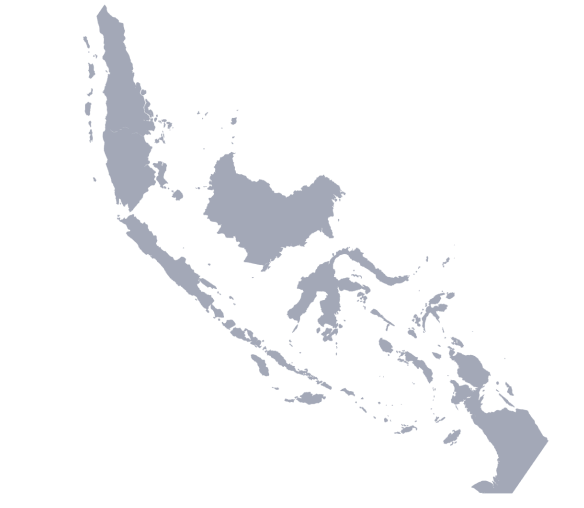
Republic of Indonesia: Large and fragmented market
Demand clusters around Java's industrial belt (60%+ activity), with abrasives feeding shipyards in Batam and auto parts in Karawang, while insulation trails construction cycles in Sumatra and Kalimantan projects. Fragmentation prevails: hundreds of micro-plants produce basic grinding stones, overshadowed by a few mid-tier abrasive specialists.
Outer islands rely on Java imports, inflating logistics to 15-20% of costs; growth hinges on infrastructure like new ports reducing ferry dependencies for bulky rock wool bales.
Market dynamics continue to evolve with changing economic conditions.
Hyperlocalization is key to navigate Indonesia's market
West Java's Bekasi hosts abrasive bonders near steel users, minimizing wheel transport fragility; Surabaya's clay grinders tap local pottery clusters for kaolin powder. Regional mineral variances—Bangka's high-purity kaolin vs. Sumatra's volcanic slag—drive site-specific formulations to cut sourcing hauls.
Custom blending for palm oil mill friction pads in Riau or vermiculite boards for Bali resorts exemplifies hyperlocal adaptation over standardized imports.
Opportunities extend beyond cities
Sulawesi's nickel processing boom spurs on-site abrasive production to avoid Java ferry delays; Kalimantan's mining camps demand portable grinding tools shipped via barge. Rural kaolin calciners in Central Java serve distant paint factories, trading volume for lower overheads.
IKN development pulls insulation to Borneo, but poor roads force pre-cut panels over loose wool, favoring modular producers.
Growing middle class driving premiumization trends across product categories and services
Digital adoption accelerating with mobile-first consumer behavior creating new channel opportunities
Infrastructure investment improving connectivity and reducing logistics costs across the archipelago
Government initiatives supporting domestic industry development and foreign investment attraction
Regional economic integration through ASEAN creating expanded market access and trade opportunities
Sustainability and ESG considerations creating differentiation opportunities for responsible businesses
Distribution realities: logistics, infrastructure, and channel reach
Fragile products like bonded wheels require padded palletizing and climate-controlled containers to prevent delamination in humid ports; inter-island RoRo ferries dominate, with 7-10 day cycles from Java to Papua.
Bulk slag wool ships in 40ft containers via Pelni lines, but high density enables truck-haul consolidation at hubs like Tanjung Priok before archipelago dispersal.
Establish robust distribution partnerships covering both modern trade and traditional channels
Invest in localized supply chain capabilities to navigate logistics complexities and reduce costs
Develop region-specific market entry strategies accounting for local competitive dynamics
Build flexibility into operations to adapt to regulatory changes and infrastructure variations
Industry Definition
What is Other Non-Metallic Mineral Product Manufacturing Industry in Indonesia?
Industry Definition
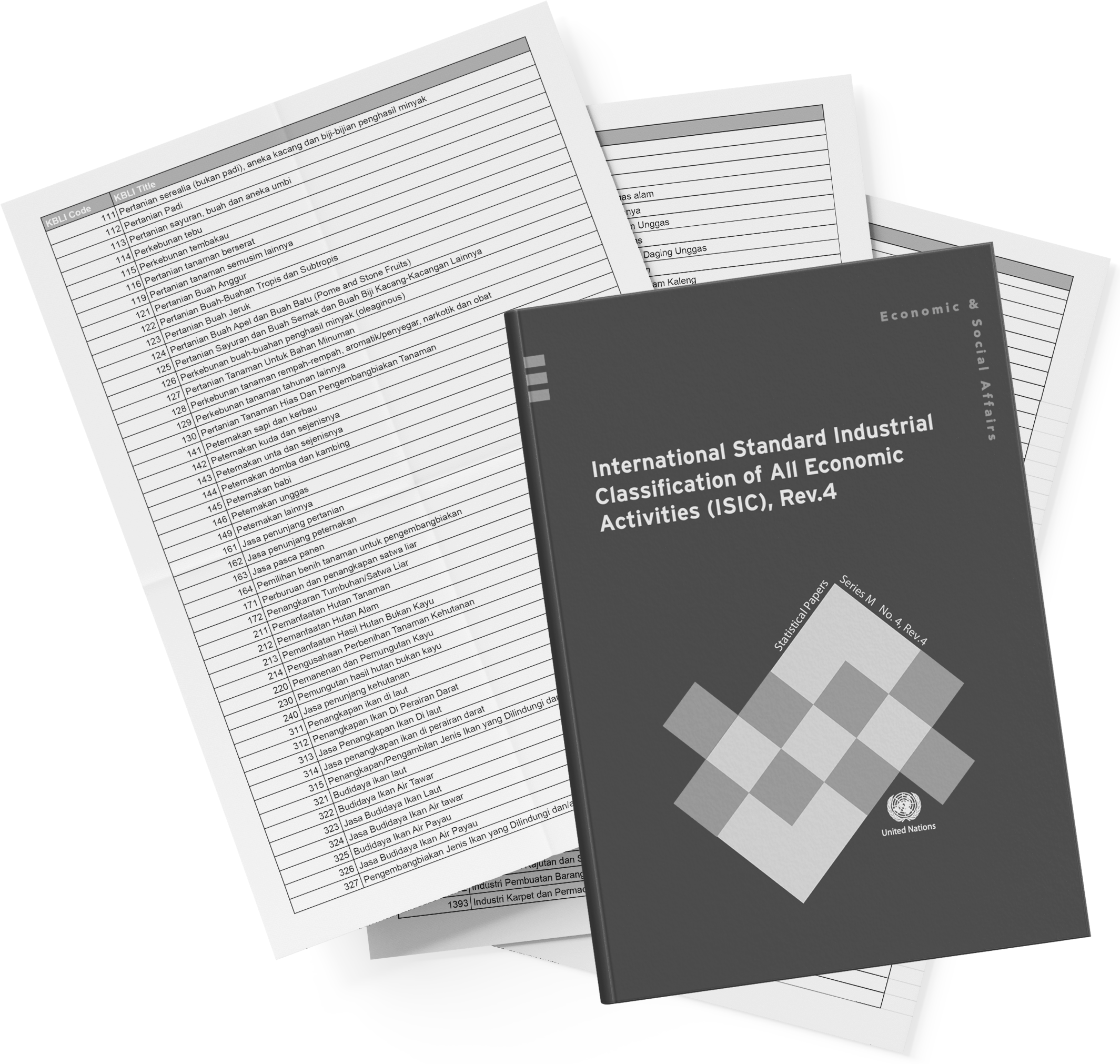
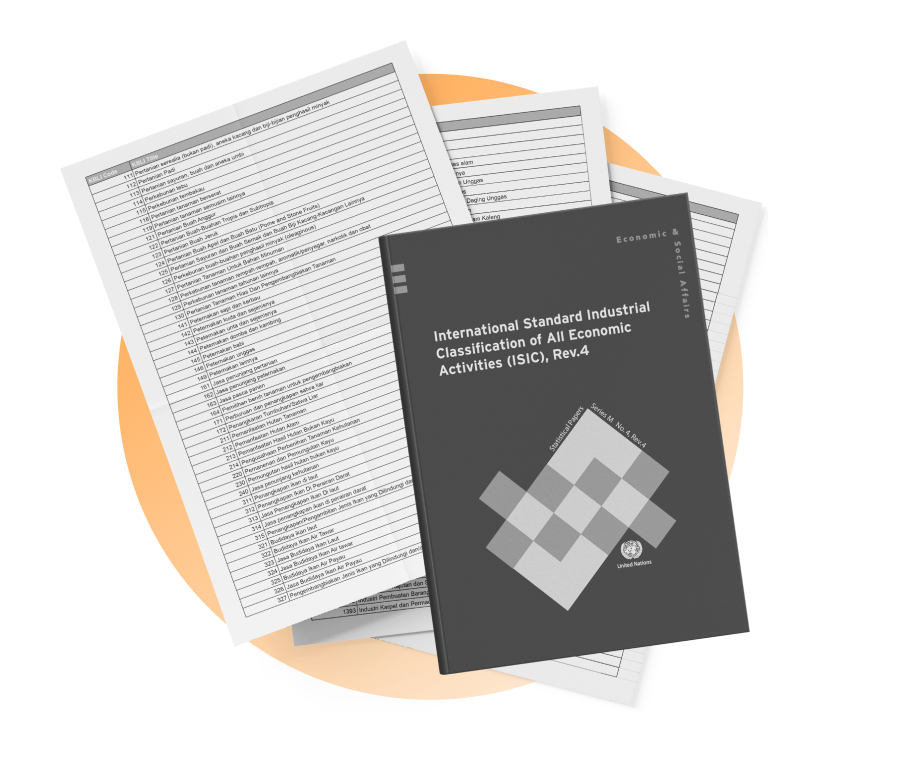
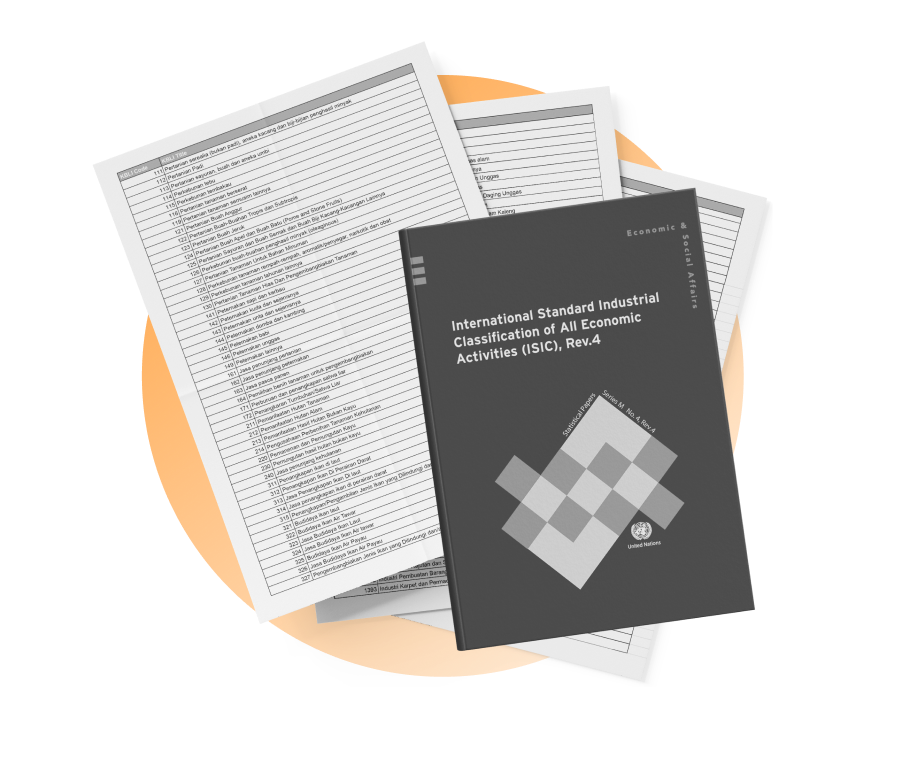
KBLI 2399 covers manufacturing abrasive products (grinding/sharpening stones, coated abrasives), mineral insulators (rock/slag wool, expanded clays/vermiculite), and niche articles from mica, graphite (non-electrical), asphalt, or calcined kaolin—transforming raw minerals via grinding, bonding, melting, or firing into functional industrials. Boundaries exclude glass wool (2310), pottery/ceramics (234), cement/plaster (235), and electrical graphite (272).
Activities span powder milling (clay/kaolin), fiber spinning (wool insulators), grain bonding (wheels/discs), and composite forming (friction pads), often in batch processes tailored to mineral purity and end-use grit.
Indonesia in Focus
Indonesia's archipelago geography creates unique distribution challenges requiring adapted logistics and storage solutions.
High humidity and tropical climate demand specific technical approaches to quality preservation and product integrity.
Industry Classification
Conceptually, industry activities sit under specific regulatory frameworks with classification by operational scale and service model.
Operators may be classified by activity type, by service delivery model, and by end-use applications.
KBLI: 2399: Other Non-Metallic Mineral Product Manufacturing Industry in Indonesia
ISIC: Reference: International Standard Industrial Classification
NAICS: Comparable: North American Industry Classification System
Industry Terms
Key terminology for understanding the Other Non-Metallic Mineral Product Manufacturing Industry in Indonesia industry.
Bonded abrasives
Grains like corundum fixed in resin/vitrified bonds to form wheels or sticks for heavy grinding.
Dominates high-volume metal removal in Indonesia's welding shops; bond strength dictates wheel life vs. shatter risk under vibration.
Rock wool
Fibrous insulation spun from molten basalt/slag, used for thermal/acoustic barriers in buildings.
Fire-resistant alternative to foam in high-rise construction; density trade-off affects install labor vs. performance.
Calcined kaolin
Heat-treated clay powder with improved brightness/whiteness for fillers in paints or paper.
Local sourcing cuts costs for Java paint makers; calcination energy spikes margins during gas shortages.
Industry Overview – Business Types
Different business models operate within the Other Non-Metallic Mineral Product Manufacturing Industry in Indonesia industry.
Abrasive wheel fabricators
Mix grains/resins, press into molds, cure in kilns; sell B2B to workshops via distributors.
Custom grit/bond recipes for local steels, extending wheel life 20% over imports.
Standard industry practices apply.
Insulation fiber producers
Melt minerals in cupolas, spin into mats/boards, compress for density; target construction contractors.
On-spec fire ratings with lower melt energy via biomass slag blends.
Standard industry practices apply.
Mineral powder processors
Mine/mill/calcine clays into bagged powders; supply fillers to paints/ceramics.
Purity grading for export kaolin, bypassing domestic low-end dumps.
Standard industry practices apply.
Industry Performance & Outlook
Performance outlook for Other Non-Metallic Mineral Product Manufacturing Industry in Indonesia
Sector rides construction/manufacturing cycles, with abrasives stable amid shipbuilding; insulators lag on import dumping but poised for IKN localization.
Outlook favors mid-tier integrators scaling kilns for export, as raw mineral duties rise.
Key performance indicators
Market growth
Industry expansion rate
Driven by domestic demand
Operational efficiency
Cost management
Key competitive factor
Outlook: what to watch
Monitor regulatory changes
Track infrastructure developments
Watch for technology adoption
Industry Growth Drivers
Key factors driving growth in Other Non-Metallic Mineral Product Manufacturing Industry in Indonesia.
Growth Driver 1
Domestic consumption growth driven by expanding middle class and rising disposable incomes
Monitor industry reports and market data for trends.
Growth Driver 2
Infrastructure development reducing logistics costs and improving market access
Monitor industry reports and market data for trends.
Growth Driver 3
Government policy support including investment incentives and industrial development programs
Monitor industry reports and market data for trends.
Growth Driver 4
Technology adoption improving productivity and enabling new business models
Monitor industry reports and market data for trends.
Growth Driver 5
Regional economic integration expanding market access and supply chain opportunities
Monitor industry reports and market data for trends.
Growth Driver 6
Urbanization creating concentrated demand centers and distribution efficiencies
Monitor industry reports and market data for trends.
Industry Trends & Development
Industry Development
Evolution of Other Non-Metallic Mineral Product Manufacturing Industry in Indonesia
From manual stone grinding to automated wheel pressing: evolution mirrors metalworking mechanization, with Java plants adopting CNC mixing for consistent bonds.
Insulation shifts from imported boards to local fiber lines, driven by anti-dumping probes and logistics costs.
Key Trends
Major trends shaping the Other Non-Metallic Mineral Product Manufacturing Industry in Indonesia industry.
Digitalization and technology adoption
Industry trend shaping market dynamics.
Operators
Investors
Policymakers
Regulatory developments
Industry trend shaping market dynamics.
Operators
Investors
Policymakers
Impact and Sustainability
Sustainability and impact considerations for the manufacture of other non-metallic mineral products not elsewhere classified industry.
Economic Impact
Contribution to national economic development.
Balancing growth with sustainability.
Environmental Considerations
Industry practices and environmental impact.
Operational costs vs sustainability.
Industry Segmentation
Industry Segmentation – Product/Service A
Primary market segments based on service type.
Segmentation by offering
Primary Segment
Core offerings
Main market
Addresses primary demand
Secondary Segment
Supporting services
Niche markets
Specialized needs
Segments may overlap based on customer needs.
Industry Segmentation – Product/Service B
Alternative segmentation perspectives.
Segmentation by characteristics
Mass Market
Broad appeal
General consumers
Volume-driven
Premium
High-value offerings
Discerning buyers
Quality-focused
Segment boundaries are fluid.
Customer Segmentation
Different customer segments and their characteristics.
Customer segments and what they value
B2B customers
Various
Multiple needs
Different channels
B2C consumers
Various
Multiple needs
Different channels
Key Players
Ecosystem Mapping
Other Non-Metallic Mineral Product Manufacturing Industry in Indonesia ecosystem includes various stakeholders.
Suppliers
Provide inputs and raw materials.
Primary producers
Input suppliers
Operators
Core industry participants.
Main industry operators
Service providers
Distribution
Channel to end customers.
Distributors
Retailers
How value flows across the ecosystem
Value is created through coordinated activities across the ecosystem.
Leading Players
Competitive landscape and key player archetypes.
Competitive archetypes
Market Leader
Dominant position
Scale, brand recognition
Market saturation
Specialist
Niche focus
Expertise, agility
Limited scale
How competition typically plays out
Competition is shaped by scale advantages, operational efficiency, and customer relationships.
Differentiation strategies vary by segment, with some players competing on price and others on service quality.
Operating Conditions
Operating Model & Cost Structure
Operating models in Other Non-Metallic Mineral Product Manufacturing Industry in Indonesia vary by business type.
Direct costs
Primary operational expenses
Input costs
Labor
Utilities
Major cost component
Overhead
Indirect operational costs
Administration
Facilities
Marketing
Scale-dependent
Cost structure summary
Direct costs
Volume and input prices
Operations
Efficiency improvements
Overhead
Scale and complexity
Administration
Process optimization
Cost structure varies by business model and scale.
Regulation & Compliance Considerations
Regulatory framework and compliance requirements.
Common compliance topics
Business licensing
Operating permits
Legal operation
Maintain valid licenses
Quality standards
Product/service requirements
Market access
Quality control systems
Stay current with regulatory changes.
FAQs & Sources
FAQs
What is Other Non-Metallic Mineral Product Manufacturing Industry in Indonesia?
Other Non-Metallic Mineral Product Manufacturing Industry in Indonesia encompasses various business activities in the Indonesian market.
Sources & Notes
This report is a synthesized overview based on industry analysis and desk research.
BPS (Statistics Indonesia)
Official statistics and industry data.
Ministry of Industry regulations
Regulatory framework and compliance requirements.
This report is for informational purposes and should not be treated as legal, regulatory, or investment advice.