Other Electrical Equipment Manufacturing Industry in Indonesia
A practical guide to Other Electrical Equipment Manufacturing Industry in Indonesia—market dynamics, operational realities, and strategic considerations in Indonesia
Manufacture of Other Electrical Equipment produces niche electrical devices and assemblies that enable signaling, safety, ignition, and control functions across vehicles, buildings, infrastructure, and industry. This residual category captures fabrication of spark plugs via ceramic pressing and electrode welding, electric horns through diaphragm assembly and coil winding, traffic signals with LED integration and weatherproof enclosures, turning commodity inputs into certified components that withstand vibration, moisture, and voltage surges. Operators focus on low-to-medium volume runs, blending stamping, soldering, testing benches, and packaging to meet SNI durability specs while minimizing rejects from inconsistent power supply or humid assembly environments.
Clear industry definition and scope of activities
Operational realities across Indonesia's regions
Market segmentation and customer analysis
Ecosystem mapping and competitive dynamics
Cost structure and unit economics
Regulatory and compliance considerations
Executive Summary
Manufacture of Other Electrical Equipment produces niche electrical devices and assemblies that enable signaling, safety, ignition, and control functions across vehicles, buildings, infrastructure, and industry. This residual category captures fabrication of spark plugs via ceramic pressing and electrode welding, electric horns through diaphragm assembly and coil winding, traffic signals with LED integration and weatherproof enclosures, turning commodity inputs into certified components that withstand vibration, moisture, and voltage surges.
Operators focus on low-to-medium volume runs, blending stamping, soldering, testing benches, and packaging to meet SNI durability specs while minimizing rejects from inconsistent power supply or humid assembly environments.
Catch-all KBLI hides diverse products from automotive spark plugs to railway signals, with automotive and safety gear comprising most output.
Java's Bekasi-Tangerang belt hosts 70%+ capacity due to proximity to ports, steel mills, and OEMs like Astra.
Export fillers to ASEAN auto markets offset domestic price pressure from unbranded imports.
SNI certification gates access to public projects, enforcing testing that small shops outsource.
Peak demand ties to infra cycles: toll openings boost signals, new factories demand alarms.
Why this industry matters in Indonesia
Supports Indonesia's economic growth and development objectives.
Creates employment opportunities across diverse skill levels.
Critical for service delivery and value chain integration.
Enables Indonesia's competitiveness in regional and global markets.
So what: Practical implications
Operators: Focus on quality consistency and process standardization
Buyers: Evaluate supplier capabilities beyond pricing
Investors: Look for operational efficiency and scalability
Policymakers: Support infrastructure development
Indonesia at a Glance
Republic of Indonesia: Large and fragmented market
Indonesia's KBLI 2790 sector clusters around Greater Jakarta and Surabaya, supplying automotive aftermarket, toll road signaling, and factory safety amid national electrification push. Fragmented into 100+ SMEs plus MNC arms, it rides infrastructure spend but faces import erosion on commoditized horns and plugs.
Demand pulses with projects like Trans-Java tolls and IKN development, prioritizing TKDN-compliant traffic controls over pure price.
Market dynamics continue to evolve with changing economic conditions.
Hyperlocalization is key to navigate Indonesia's market
Bekasi-Tangerang thrives on auto ecosystem for spark plugs and horns, sourcing stampings locally while importing precision coils to cut lead times versus full China reliance.
Surabaya serves Eastern Java factories with custom alarms, adapting designs for humid conditions that corrode imported alternatives faster.
Opportunities extend beyond cities
Sumatra's palm oil and mining sites demand explosion-proof signals, shipped via inter-island RoRo ferries with moisture-proof packaging to survive 2-week transits.
Papua's remote infra projects rely on air-freighted high-margin safety gear, favoring durable local builds over fragile budget imports.
Growing middle class driving premiumization trends across product categories and services
Digital adoption accelerating with mobile-first consumer behavior creating new channel opportunities
Infrastructure investment improving connectivity and reducing logistics costs across the archipelago
Government initiatives supporting domestic industry development and foreign investment attraction
Regional economic integration through ASEAN creating expanded market access and trade opportunities
Sustainability and ESG considerations creating differentiation opportunities for responsible businesses
Distribution realities: logistics, infrastructure, and channel reach
Road trucking dominates Java distribution to OEMs and depots, but inter-island sea freight adds 20-30% cost and delay risks for Kalimantan orders.
Just-in-time delivery pressures assemblers to hold buffer stock, trading inventory costs against stockouts during monsoon-disrupted ports.
Establish robust distribution partnerships covering both modern trade and traditional channels
Invest in localized supply chain capabilities to navigate logistics complexities and reduce costs
Develop region-specific market entry strategies accounting for local competitive dynamics
Build flexibility into operations to adapt to regulatory changes and infrastructure variations
Industry Definition
What is Other Electrical Equipment Manufacturing Industry in Indonesia?
Industry Definition
KBLI 2790 encompasses assembly and fabrication of electrical equipment not fitting power distribution, appliances, or vehicle lighting categories, focusing on signaling, ignition, and safety devices. Boundaries exclude upstream wiring (273x), motors/generators (271x), batteries (2720), and lighting fixtures (274x), but include spark plugs, horns, traffic controllers, and insulation fittings produced via specialized tooling.
In practice, firms handle from component stamping to final calibration, ensuring electromagnetic compatibility and environmental resilience for Indonesian conditions like high humidity and seismic activity.
Indonesia in Focus
Indonesia's archipelago geography creates unique distribution challenges requiring adapted logistics and storage solutions.
High humidity and tropical climate demand specific technical approaches to quality preservation and product integrity.
Industry Classification
Conceptually, industry activities sit under specific regulatory frameworks with classification by operational scale and service model.
Operators may be classified by activity type, by service delivery model, and by end-use applications.
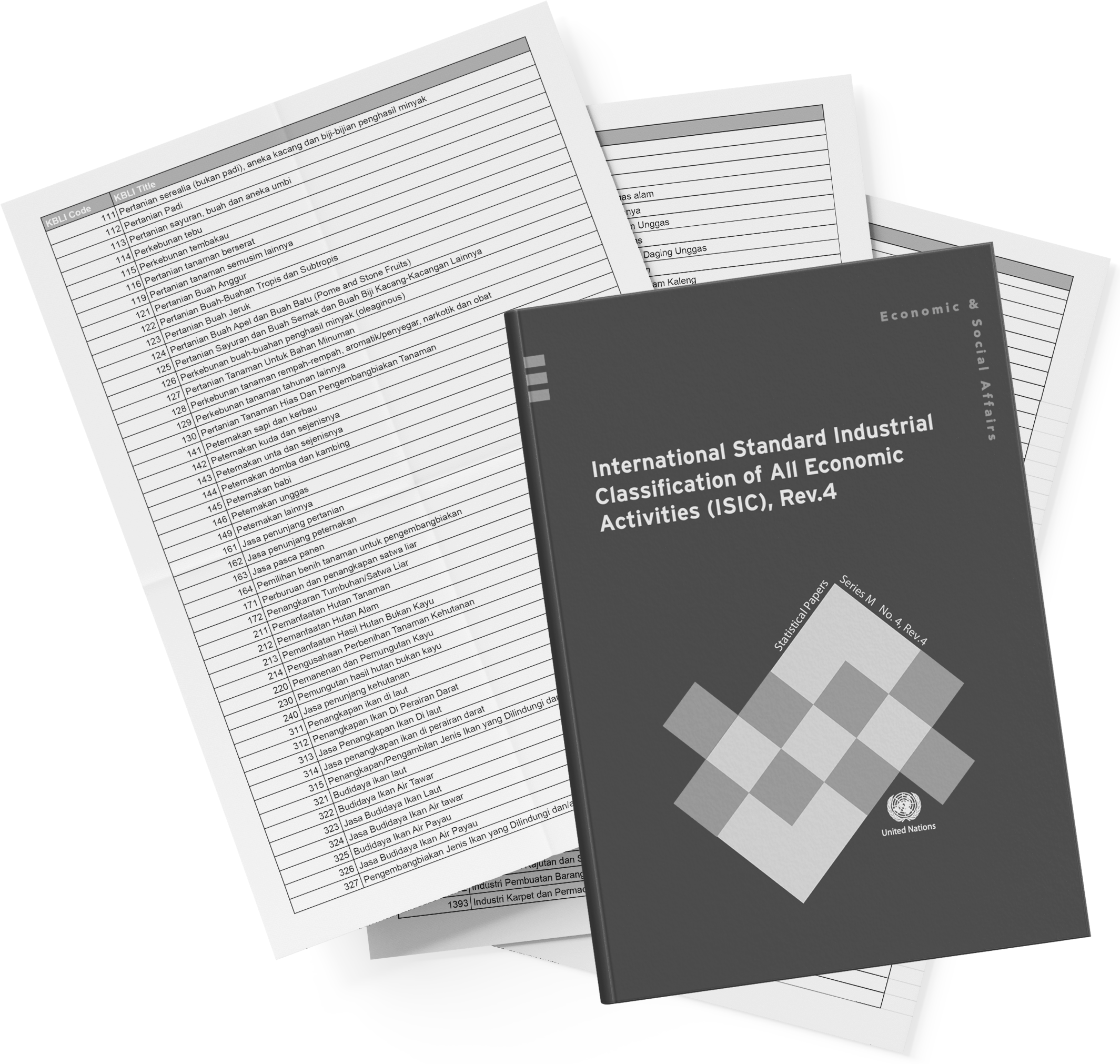
KBLI: 2790: Other Electrical Equipment Manufacturing Industry in Indonesia
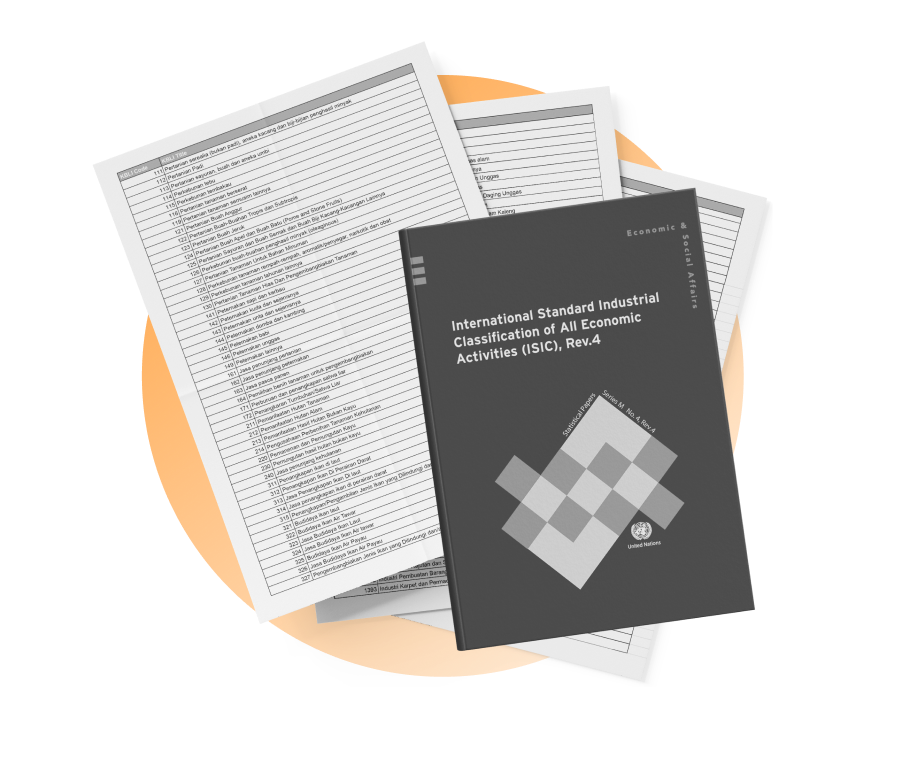
ISIC: Reference: International Standard Industrial Classification
NAICS: Comparable: North American Industry Classification System
Industry Terms
Key terminology for understanding the Other Electrical Equipment Manufacturing Industry in Indonesia industry.
Spark Plug
Ceramic-insulated electrode assembly that ignites fuel-air mix in ICE engines via high-voltage arc.
Local production cuts auto repair costs in archipelago, but requires precise gap tolerances to avoid misfires amid variable fuel quality.
Electrical Signaling Equipment
Devices like railway semaphores or factory alarms using relays, LEDs, and buzzers for visual/auditory alerts.
Mandated for safety compliance in infra projects, driving demand spikes but exposing firms to project delay risks.
TKDN (Tingkat Komponen Dalam Negeri)
Local content percentage required for govt procurement, calculated on bill-of-materials value.
Unlocks 40%+ of market via tenders but demands supply chain audits, favoring integrated assemblers over pure traders.
Industry Overview – Business Types
Different business models operate within the Other Electrical Equipment Manufacturing Industry in Indonesia industry.
Automotive Component Assemblers
Source electrodes/insulators, assemble/test in high-volume lines for OEMs like Toyota or aftermarket via distributors.
JIT delivery and SNI automotive certs beat imports on speed, despite 10-15% higher costs.
Standard industry practices apply.
Infrastructure Project Suppliers
Custom-build traffic signals/alarms per tender specs, installing enclosures for tropical durability.
TKDN compliance and local service networks secure repeat govt contracts over one-off exporters.
Standard industry practices apply.
Safety Equipment Specialists
Produce horns, bells, fire alarms with IP-rated housings, selling B2B to factories/mines.
Hazardous area certs (ATEX-like) command premiums in Sumatra mining, offsetting low volumes.
Standard industry practices apply.
Industry Performance & Outlook
Performance outlook for Other Electrical Equipment Manufacturing Industry in Indonesia
Sector tracks infra/auto cycles, with steady 5-7% growth from toll expansions offsetting ICE decline via hybrids.
Outlook brightens with IKN signaling needs and export to EV-adjacent accessories, but import duties key to margins.
Key performance indicators
Market growth
Industry expansion rate
Driven by domestic demand
Operational efficiency
Cost management
Key competitive factor
Outlook: what to watch
Monitor regulatory changes
Track infrastructure developments
Watch for technology adoption
Industry Growth Drivers
Key factors driving growth in Other Electrical Equipment Manufacturing Industry in Indonesia.
Growth Driver 1
Domestic consumption growth driven by expanding middle class and rising disposable incomes
Monitor industry reports and market data for trends.
Growth Driver 2
Infrastructure development reducing logistics costs and improving market access
Monitor industry reports and market data for trends.
Growth Driver 3
Government policy support including investment incentives and industrial development programs
Monitor industry reports and market data for trends.
Growth Driver 4
Technology adoption improving productivity and enabling new business models
Monitor industry reports and market data for trends.
Growth Driver 5
Regional economic integration expanding market access and supply chain opportunities
Monitor industry reports and market data for trends.
Growth Driver 6
Urbanization creating concentrated demand centers and distribution efficiencies
Monitor industry reports and market data for trends.
Industry Trends & Development
Industry Development
Evolution of Other Electrical Equipment Manufacturing Industry in Indonesia
From manual horn winding to CNC-machined spark plugs: mechanization cuts defects but raises capex barriers for SMEs.
Shift to LED signaling slashes power draw 80%, enabling solar-hybrid traffic lights for off-grid sites.
Key Trends
Major trends shaping the Other Electrical Equipment Manufacturing Industry in Indonesia industry.
Digitalization and technology adoption
Industry trend shaping market dynamics.
Operators
Investors
Policymakers
Regulatory developments
Industry trend shaping market dynamics.
Operators
Investors
Policymakers
Impact and Sustainability
Sustainability and impact considerations for the manufacture of other electrical equipment industry.
Economic Impact
Contribution to national economic development.
Balancing growth with sustainability.
Environmental Considerations
Industry practices and environmental impact.
Operational costs vs sustainability.
Industry Segmentation
Industry Segmentation – Product/Service A
Primary market segments based on service type.
Segmentation by offering
Primary Segment
Core offerings
Main market
Addresses primary demand
Secondary Segment
Supporting services
Niche markets
Specialized needs
Segments may overlap based on customer needs.
Industry Segmentation – Product/Service B
Alternative segmentation perspectives.
Segmentation by characteristics
Mass Market
Broad appeal
General consumers
Volume-driven
Premium
High-value offerings
Discerning buyers
Quality-focused
Segment boundaries are fluid.
Customer Segmentation
Different customer segments and their characteristics.
Customer segments and what they value
B2B customers
Various
Multiple needs
Different channels
B2C consumers
Various
Multiple needs
Different channels
Key Players
Ecosystem Mapping
Other Electrical Equipment Manufacturing Industry in Indonesia ecosystem includes various stakeholders.
Suppliers
Provide inputs and raw materials.
Primary producers
Input suppliers
Operators
Core industry participants.
Main industry operators
Service providers
Distribution
Channel to end customers.
Distributors
Retailers
How value flows across the ecosystem
Value is created through coordinated activities across the ecosystem.
Leading Players
Competitive landscape and key player archetypes.
Competitive archetypes
Market Leader
Dominant position
Scale, brand recognition
Market saturation
Specialist
Niche focus
Expertise, agility
Limited scale
How competition typically plays out
Competition is shaped by scale advantages, operational efficiency, and customer relationships.
Differentiation strategies vary by segment, with some players competing on price and others on service quality.
Operating Conditions
Operating Model & Cost Structure
Operating models in Other Electrical Equipment Manufacturing Industry in Indonesia vary by business type.
Direct costs
Primary operational expenses
Input costs
Labor
Utilities
Major cost component
Overhead
Indirect operational costs
Administration
Facilities
Marketing
Scale-dependent
Cost structure summary
Direct costs
Volume and input prices
Operations
Efficiency improvements
Overhead
Scale and complexity
Administration
Process optimization
Cost structure varies by business model and scale.
Regulation & Compliance Considerations
Regulatory framework and compliance requirements.
Common compliance topics
Business licensing
Operating permits
Legal operation
Maintain valid licenses
Quality standards
Product/service requirements
Market access
Quality control systems
Stay current with regulatory changes.
FAQs & Sources
FAQs
What is Other Electrical Equipment Manufacturing Industry in Indonesia?
Other Electrical Equipment Manufacturing Industry in Indonesia encompasses various business activities in the Indonesian market.
Sources & Notes
This report is a synthesized overview based on industry analysis and desk research.
BPS (Statistics Indonesia)
Official statistics and industry data.
Ministry of Industry regulations
Regulatory framework and compliance requirements.
This report is for informational purposes and should not be treated as legal, regulatory, or investment advice.