Motor Vehicle Manufacturing Industry in Indonesia
A practical guide to Motor Vehicle Manufacturing Industry in Indonesia—market dynamics, operational realities, and strategic considerations in Indonesia
Manufacture of Motor Vehicles involves the assembly and production of four-wheeled or more vehicles such as passenger cars, SUVs, MPVs, pickup trucks, light commercial vans, buses, and heavy-duty trucks from completely knocked-down (CKD) kits, semi-knocked-down (SKD) units, or increasingly localized components. Core processes include body stamping, welding, painting, engine and transmission installation, interior trim, and final quality checks to produce vehicles meeting SNI standards and export specifications, excluding standalone parts production or body fabrication.
Clear industry definition and scope of activities
Operational realities across Indonesia's regions
Market segmentation and customer analysis
Ecosystem mapping and competitive dynamics
Cost structure and unit economics
Regulatory and compliance considerations
Executive Summary
Manufacture of Motor Vehicles involves the assembly and production of four-wheeled or more vehicles such as passenger cars, SUVs, MPVs, pickup trucks, light commercial vans, buses, and heavy-duty trucks from completely knocked-down (CKD) kits, semi-knocked-down (SKD) units, or increasingly localized components.
Core processes include body stamping, welding, painting, engine and transmission installation, interior trim, and final quality checks to produce vehicles meeting SNI standards and export specifications, excluding standalone parts production or body fabrication.
Japanese OEMs hold over 80% market share through local JVs, prioritizing reliable MPV and pickup models suited to Indonesian roads and family needs.
Production peaks align with fiscal year-end bonuses driving consumer purchases, requiring flexible capacity management.
EV manufacturing is ramping up with nickel-based battery incentives, but infrastructure lags limit immediate scale.
High localization (40-70% TKDN) reduces import costs but ties plants to volatile local supplier quality.
Exports now exceed 500,000 units annually, offsetting domestic slumps and funding tech upgrades.
Labor-intensive assembly demands skilled welders and painters, with automation creeping in for paint and stamping.
Why this industry matters in Indonesia
Supports Indonesia's economic growth and development objectives.
Creates employment opportunities across diverse skill levels.
Critical for service delivery and value chain integration.
Enables Indonesia's competitiveness in regional and global markets.
So what: Practical implications
Operators: Focus on quality consistency and process standardization
Buyers: Evaluate supplier capabilities beyond pricing
Investors: Look for operational efficiency and scalability
Policymakers: Support infrastructure development
Indonesia at a Glance
Republic of Indonesia: Large and fragmented market
Vehicle production hovers around 1 million units yearly, with exports surpassing domestic wholesales amid 2025 sales contraction to under 800,000 units due to economic slowdowns.
Passenger cars dominate at 70%, followed by pickups and light trucks; buses and heavy vehicles serve logistics and public transport needs across archipelago.
Market dynamics continue to evolve with changing economic conditions.
Hyperlocalization is key to navigate Indonesia's market
West Java plants like Karawang produce 90% of output for Java's dense urban markets, customizing suspensions for potholed roads and flood-prone areas.
Outer-island adaptations include higher ground clearance models for Sumatra plantations and reinforced chassis for Papua mining hauls.
Opportunities extend beyond cities
Rural demand drives pickup and minibus production for agriculture and informal transport, distributed via regional dealers facing poor road access.
Eastern Indonesia relies on inter-island ferries for vehicle delivery, inflating costs and favoring durable, low-maintenance models.
Growing middle class driving premiumization trends across product categories and services
Digital adoption accelerating with mobile-first consumer behavior creating new channel opportunities
Infrastructure investment improving connectivity and reducing logistics costs across the archipelago
Government initiatives supporting domestic industry development and foreign investment attraction
Regional economic integration through ASEAN creating expanded market access and trade opportunities
Sustainability and ESG considerations creating differentiation opportunities for responsible businesses
Distribution realities: logistics, infrastructure, and channel reach
Completed vehicles ship from Java ports like Tanjung Priok to regional hubs, with trucking clusters handling last-mile to dealers amid frequent congestion.
Dealers stockpile for promo seasons, managing inventory risks from import bans on used cars that protect new vehicle sales.
Establish robust distribution partnerships covering both modern trade and traditional channels
Invest in localized supply chain capabilities to navigate logistics complexities and reduce costs
Develop region-specific market entry strategies accounting for local competitive dynamics
Build flexibility into operations to adapt to regulatory changes and infrastructure variations
Industry Definition
What is Motor Vehicle Manufacturing Industry in Indonesia?
Industry Definition
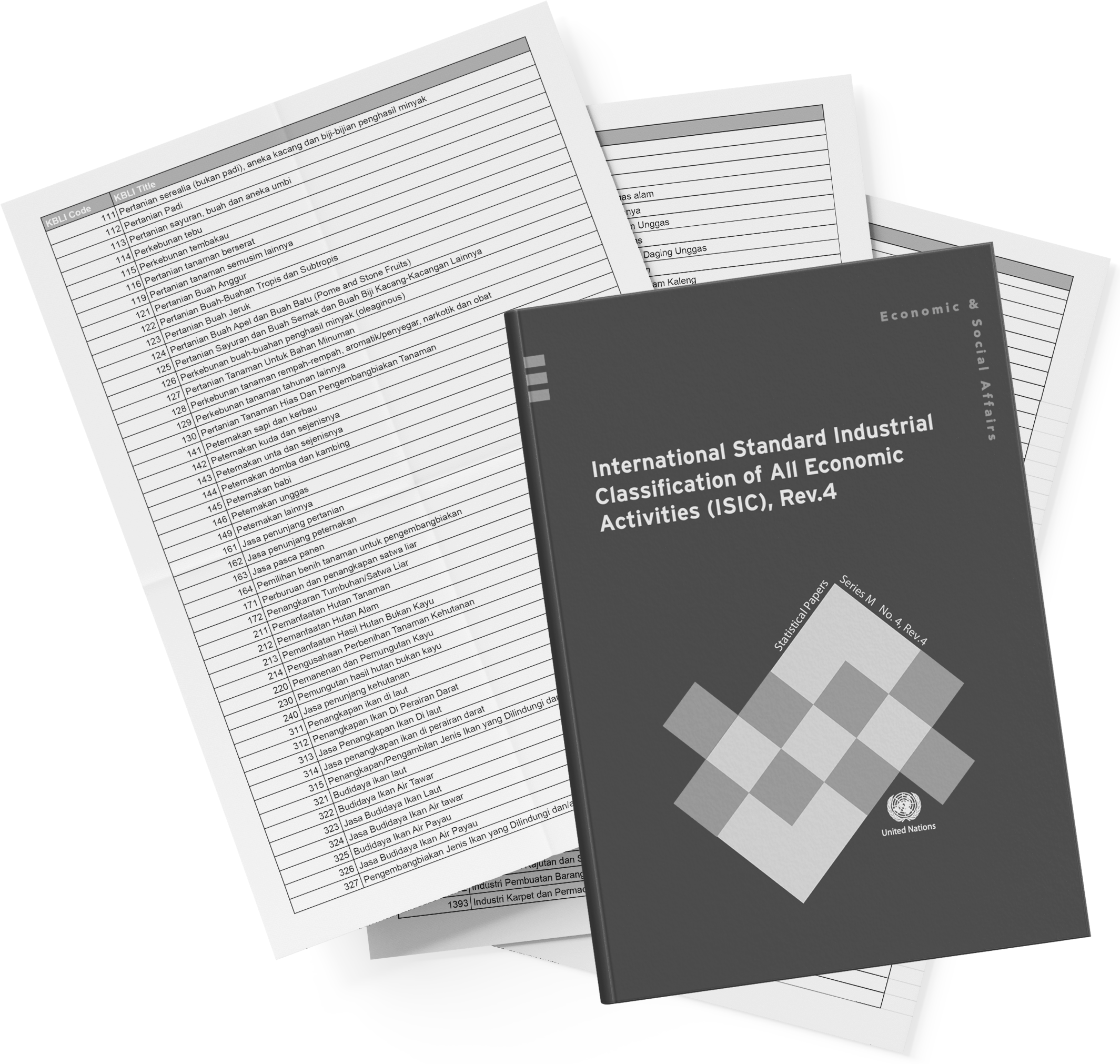
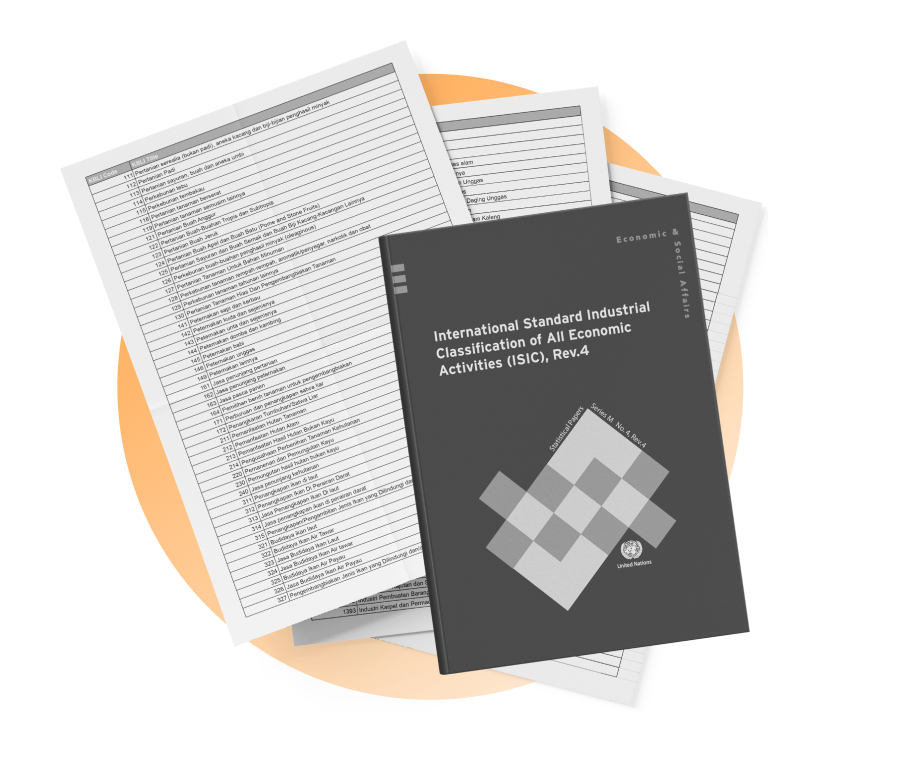
KBLI 2910 covers the manufacture of complete motor vehicles with four or more wheels for passenger or cargo transport, including assembly of chassis, body, engine, drivetrain, and electronics into functional units.
Boundaries exclude parts manufacturing (KBLI 293), body fabrication alone (KBLI 292), motorcycles (3091), or repair services; includes taxis, ambulances if factory-built.
Indonesia in Focus
Indonesia's archipelago geography creates unique distribution challenges requiring adapted logistics and storage solutions.
High humidity and tropical climate demand specific technical approaches to quality preservation and product integrity.
Industry Classification
Conceptually, industry activities sit under specific regulatory frameworks with classification by operational scale and service model.
Operators may be classified by activity type, by service delivery model, and by end-use applications.
KBLI: 2910: Motor Vehicle Manufacturing Industry in Indonesia
ISIC: Reference: International Standard Industrial Classification
NAICS: Comparable: North American Industry Classification System
Industry Terms
Key terminology for understanding the Motor Vehicle Manufacturing Industry in Indonesia industry.
CKD Assembly
Completely Knocked Down kits imported as loose parts for local assembly, allowing high localization of labor and sub-assemblies.
Reduces import duties versus CBU, enables TKDN compliance, but demands precise supply chain timing to avoid line stoppages.
TKDN
Tingkat Komponen Dalam Negeri, the percentage of local content by value in vehicle bill of materials.
Mandated at 40% for ICE vehicles rising to 70% for EVs to qualify for incentives, driving vendor development but raising costs if locals underperform.
TPVP
Target Public Cumulative Volume, government-set sales thresholds for EV models to unlock luxury tax exemptions.
Accelerates EV production ramps by subsidizing pioneers, but risks oversupply if infrastructure doesn't match.
Industry Overview – Business Types
Different business models operate within the Motor Vehicle Manufacturing Industry in Indonesia industry.
OEM Passenger Car Plants
High-volume lines assemble 200,000+ units/year from CKD, focusing on stamping, biw welding, electrocoat paint, and trim for models like Avanza or HR-V.
Brand pull and dealer networks enable premium pricing, with export certifications for ASEAN markets.
Standard industry practices apply.
Commercial Vehicle Assemblers
Lower-volume flexible lines build pickups, vans, buses using SKD chassis mated to local bodies, emphasizing durability testing.
Customization for fleet buyers like miners or transporters, with higher margins on specials.
Standard industry practices apply.
EV/Battery-Integrated Manufacturers
Dedicated lines integrate imported battery packs with localized nickel cells, adapting legacy processes for high-voltage safety.
Government subsidies and export potential to Europe, but high capex for clean rooms and testing.
Standard industry practices apply.
Industry Performance & Outlook
Performance outlook for Motor Vehicle Manufacturing Industry in Indonesia
2025 saw production resilience via exports amid domestic contraction, positioning for 2026 recovery on lower rates and EV subsidies.
Outlook hinges on commodity stabilization and ASEAN demand, with EV share targeting 20% by decade end.
Key performance indicators
Market growth
Industry expansion rate
Driven by domestic demand
Operational efficiency
Cost management
Key competitive factor
Outlook: what to watch
Monitor regulatory changes
Track infrastructure developments
Watch for technology adoption
Industry Growth Drivers
Key factors driving growth in Motor Vehicle Manufacturing Industry in Indonesia.
Growth Driver 1
Domestic consumption growth driven by expanding middle class and rising disposable incomes
Monitor industry reports and market data for trends.
Growth Driver 2
Infrastructure development reducing logistics costs and improving market access
Monitor industry reports and market data for trends.
Growth Driver 3
Government policy support including investment incentives and industrial development programs
Monitor industry reports and market data for trends.
Growth Driver 4
Technology adoption improving productivity and enabling new business models
Monitor industry reports and market data for trends.
Growth Driver 5
Regional economic integration expanding market access and supply chain opportunities
Monitor industry reports and market data for trends.
Growth Driver 6
Urbanization creating concentrated demand centers and distribution efficiencies
Monitor industry reports and market data for trends.
Industry Trends & Development
Industry Development
Evolution of Motor Vehicle Manufacturing Industry in Indonesia
From import substitution in 1970s via CKD to export-oriented manufacturing post-2010, with clusters forming around vendor ecosystems.
Digitalization of lines for traceability, amid shift from ICE to hybrid/EV platforms.
Key Trends
Major trends shaping the Motor Vehicle Manufacturing Industry in Indonesia industry.
Digitalization and technology adoption
Industry trend shaping market dynamics.
Operators
Investors
Policymakers
Regulatory developments
Industry trend shaping market dynamics.
Operators
Investors
Policymakers
Impact and Sustainability
Sustainability and impact considerations for the manufacture of motor vehicles industry.
Economic Impact
Contribution to national economic development.
Balancing growth with sustainability.
Environmental Considerations
Industry practices and environmental impact.
Operational costs vs sustainability.
Industry Segmentation
Industry Segmentation – Product/Service A
Primary market segments based on service type.
Segmentation by offering
Primary Segment
Core offerings
Main market
Addresses primary demand
Secondary Segment
Supporting services
Niche markets
Specialized needs
Segments may overlap based on customer needs.
Industry Segmentation – Product/Service B
Alternative segmentation perspectives.
Segmentation by characteristics
Mass Market
Broad appeal
General consumers
Volume-driven
Premium
High-value offerings
Discerning buyers
Quality-focused
Segment boundaries are fluid.
Customer Segmentation
Different customer segments and their characteristics.
Customer segments and what they value
B2B customers
Various
Multiple needs
Different channels
B2C consumers
Various
Multiple needs
Different channels
Key Players
Ecosystem Mapping
Motor Vehicle Manufacturing Industry in Indonesia ecosystem includes various stakeholders.
Suppliers
Provide inputs and raw materials.
Primary producers
Input suppliers
Operators
Core industry participants.
Main industry operators
Service providers
Distribution
Channel to end customers.
Distributors
Retailers
How value flows across the ecosystem
Value is created through coordinated activities across the ecosystem.
Leading Players
Competitive landscape and key player archetypes.
Competitive archetypes
Market Leader
Dominant position
Scale, brand recognition
Market saturation
Specialist
Niche focus
Expertise, agility
Limited scale
How competition typically plays out
Competition is shaped by scale advantages, operational efficiency, and customer relationships.
Differentiation strategies vary by segment, with some players competing on price and others on service quality.
Operating Conditions
Operating Model & Cost Structure
Operating models in Motor Vehicle Manufacturing Industry in Indonesia vary by business type.
Direct costs
Primary operational expenses
Input costs
Labor
Utilities
Major cost component
Overhead
Indirect operational costs
Administration
Facilities
Marketing
Scale-dependent
Cost structure summary
Direct costs
Volume and input prices
Operations
Efficiency improvements
Overhead
Scale and complexity
Administration
Process optimization
Cost structure varies by business model and scale.
Regulation & Compliance Considerations
Regulatory framework and compliance requirements.
Common compliance topics
Business licensing
Operating permits
Legal operation
Maintain valid licenses
Quality standards
Product/service requirements
Market access
Quality control systems
Stay current with regulatory changes.
FAQs & Sources
FAQs
What is Motor Vehicle Manufacturing Industry in Indonesia?
Motor Vehicle Manufacturing Industry in Indonesia encompasses various business activities in the Indonesian market.
Sources & Notes
This report is a synthesized overview based on industry analysis and desk research.
BPS (Statistics Indonesia)
Official statistics and industry data.
Ministry of Industry regulations
Regulatory framework and compliance requirements.
This report is for informational purposes and should not be treated as legal, regulatory, or investment advice.