Metallurgy Machinery Manufacturing Industry in Indonesia
A practical guide to Metallurgy Machinery Manufacturing Industry in Indonesia—market dynamics, operational realities, and strategic considerations in Indonesia
Manufacture of Machinery for Metallurgy produces specialized equipment essential for metal processing operations, including converters, ladles, ingot moulds, casting machines, rolling mills, and furnaces for handling and shaping hot metals. These machines support core metallurgy processes like melting, casting, rolling, and forging by providing precise control over temperature, pressure, and material flow, turning raw ores or scrap into semi-finished products like billets, slabs, and sheets.
Clear industry definition and scope of activities
Operational realities across Indonesia's regions
Market segmentation and customer analysis
Ecosystem mapping and competitive dynamics
Cost structure and unit economics
Regulatory and compliance considerations
Executive Summary
Manufacture of Machinery for Metallurgy produces specialized equipment essential for metal processing operations, including converters, ladles, ingot moulds, casting machines, rolling mills, and furnaces for handling and shaping hot metals.
These machines support core metallurgy processes like melting, casting, rolling, and forging by providing precise control over temperature, pressure, and material flow, turning raw ores or scrap into semi-finished products like billets, slabs, and sheets.
Demand spikes with new smelters in Morowali and Weda Bay, requiring furnaces and casting gear tailored to nickel processing.
Most firms are SMEs in West Java clusters, specializing in mill rolls and ladle linings rather than full plants.
Heavy reliance on Chinese and European imports for high-tech parts, with local value-add through welding and machining.
Government incentives under industrial downstreaming favor local content in smelter projects, pressuring machinery makers to certify capabilities.
Logistics dominate costs due to oversized shipments to island-based plants, often via Ro-Ro vessels from Surabaya or Jakarta.
Why this industry matters in Indonesia
Supports Indonesia's economic growth and development objectives.
Creates employment opportunities across diverse skill levels.
Critical for service delivery and value chain integration.
Enables Indonesia's competitiveness in regional and global markets.
So what: Practical implications
Operators: Focus on quality consistency and process standardization
Buyers: Evaluate supplier capabilities beyond pricing
Investors: Look for operational efficiency and scalability
Policymakers: Support infrastructure development
Indonesia at a Glance
Republic of Indonesia: Large and fragmented market
Indonesia's metallurgy machinery manufacturing remains niche and import-dependent, supporting a steel capacity exceeding 20 million tons and surging nickel smelting from EV battery demand.
Local production centers on auxiliary equipment like slag pots and roller stands, with full-scale rolling mills mostly assembled from kits amid policy pushes for 20-30% local content in mega-projects.
Market dynamics continue to evolve with changing economic conditions.
Hyperlocalization is key to navigate Indonesia's market
West Java hubs like Bekasi fabricate rolling mill components for nearby Cilegon steel mills, leveraging skilled welders and proximity to scrap suppliers.
Central Sulawesi's Morowali IEZ hosts ad-hoc fabricators serving nickel HPAL and RKEF plants, adapting designs for high-corrosive laterite ores unique to Indonesian deposits.
Opportunities extend beyond cities
Industrial estates in Banten and Sulawesi dominate, where machinery makers co-locate with end-users to minimize transport risks for heavy gear.
Remote Weda Bay in Maluku sees pop-up workshops for on-site ladle repairs, trading off quality control for speed during smelter ramp-ups.
Growing middle class driving premiumization trends across product categories and services
Digital adoption accelerating with mobile-first consumer behavior creating new channel opportunities
Infrastructure investment improving connectivity and reducing logistics costs across the archipelago
Government initiatives supporting domestic industry development and foreign investment attraction
Regional economic integration through ASEAN creating expanded market access and trade opportunities
Sustainability and ESG considerations creating differentiation opportunities for responsible businesses
Distribution realities: logistics, infrastructure, and channel reach
Oversized machinery travels by flat-rack containers or breakbulk via inter-island ferries, with bottlenecks at ports like Bitung and Sorong during peak monsoon seasons.
Just-in-time delivery is rare; firms stockpile components in Java warehouses to serve archipelago-wide projects, inflating inventory costs by 15-20%.
Establish robust distribution partnerships covering both modern trade and traditional channels
Invest in localized supply chain capabilities to navigate logistics complexities and reduce costs
Develop region-specific market entry strategies accounting for local competitive dynamics
Build flexibility into operations to adapt to regulatory changes and infrastructure variations
Industry Definition
What is Metallurgy Machinery Manufacturing Industry in Indonesia?
Industry Definition
KBLI 2823 covers the manufacture of machinery specifically for metallurgy, including equipment for processing hot metals such as converters, ladles for molten metal transport, ingot moulds, continuous casting machines, rolling mills, and annealing furnaces.
Boundaries exclude general metalworking machine tools (KBLI 2822), mining equipment (2824), or installation services; focuses on design, fabrication, and testing of metallurgy-specific gear, often customized for steel or non-ferrous plants.
Indonesia in Focus
Indonesia's archipelago geography creates unique distribution challenges requiring adapted logistics and storage solutions.
High humidity and tropical climate demand specific technical approaches to quality preservation and product integrity.
Industry Classification
Conceptually, industry activities sit under specific regulatory frameworks with classification by operational scale and service model.
Operators may be classified by activity type, by service delivery model, and by end-use applications.
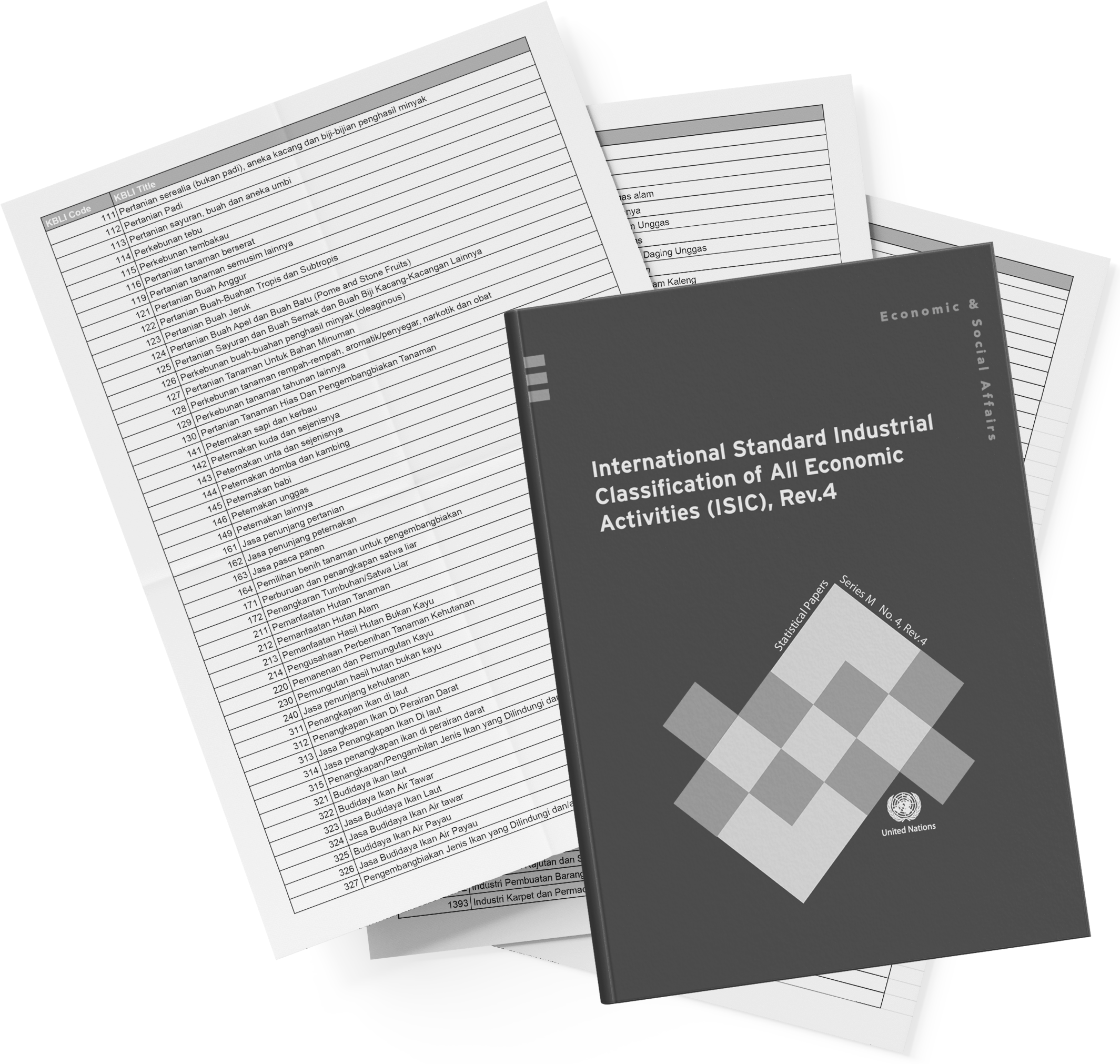
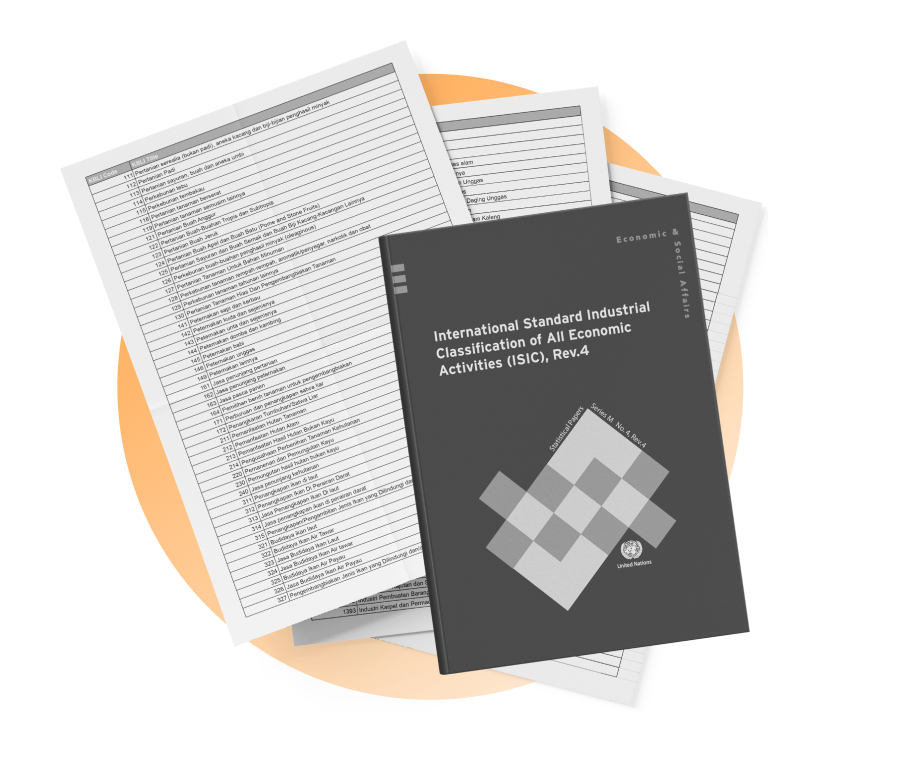
KBLI: 2823: Metallurgy Machinery Manufacturing Industry in Indonesia
ISIC: Reference: International Standard Industrial Classification
NAICS: Comparable: North American Industry Classification System
Industry Terms
Key terminology for understanding the Metallurgy Machinery Manufacturing Industry in Indonesia industry.
Converter
Vessel used to refine molten metal by blowing oxygen or air to remove impurities like carbon in steelmaking.
In Indonesia's stainless steel boom for batteries, efficient converters reduce energy use and slag volume, critical for cost-competitive exports.
Rolling Mill
Series of powered rollers that reduce metal thickness by compression, producing sheets, bars, or wires.
Local mills enable downstream products like battery foil; trade-off is high precision needed to avoid defects in tropical humidity.
Ladle Metallurgy
Secondary refining station using ladles to add alloys and stir molten metal for uniform composition.
Vital for nickel alloys in EV cathodes; Indonesian firms excel in refractory linings suited to aggressive local ores.
Industry Overview – Business Types
Different business models operate within the Metallurgy Machinery Manufacturing Industry in Indonesia industry.
Heavy Fabrication Shops
Weld and assemble steel structures like mill housings from imported plates, using cranes and plasma cutters.
Proximity to steel scrap yards in Java cuts material costs, enabling quick prototypes for Krakatau Steel upgrades.
Standard industry practices apply.
Furnace and Heat Treatment Specialists
Build electric arc or induction furnaces with refractory bricks and control systems sourced abroad.
Customization for HPAL nickel processes, incorporating acid-resistant features absent in standard imports.
Standard industry practices apply.
Casting Equipment Assemblers
Integrate molds, vibrators, and cooling systems into continuous casters, testing at client sites.
Modular kits for remote smelters reduce shipping risks across Indonesian seas.
Standard industry practices apply.
Industry Performance & Outlook
Performance outlook for Metallurgy Machinery Manufacturing Industry in Indonesia
Performance hinges on commodity cycles; steel slumps curb orders, but nickel downstreaming sustains 10-15% annual growth through 2030.
Outlook brightens with bans on raw exports, spurring 50+ new smelters needing local-adapted machinery amid US-China trade shifts.
Key performance indicators
Market growth
Industry expansion rate
Driven by domestic demand
Operational efficiency
Cost management
Key competitive factor
Outlook: what to watch
Monitor regulatory changes
Track infrastructure developments
Watch for technology adoption
Industry Growth Drivers
Key factors driving growth in Metallurgy Machinery Manufacturing Industry in Indonesia.
Growth Driver 1
Domestic consumption growth driven by expanding middle class and rising disposable incomes
Monitor industry reports and market data for trends.
Growth Driver 2
Infrastructure development reducing logistics costs and improving market access
Monitor industry reports and market data for trends.
Growth Driver 3
Government policy support including investment incentives and industrial development programs
Monitor industry reports and market data for trends.
Growth Driver 4
Technology adoption improving productivity and enabling new business models
Monitor industry reports and market data for trends.
Growth Driver 5
Regional economic integration expanding market access and supply chain opportunities
Monitor industry reports and market data for trends.
Growth Driver 6
Urbanization creating concentrated demand centers and distribution efficiencies
Monitor industry reports and market data for trends.
Industry Trends & Development
Industry Development
Evolution of Metallurgy Machinery Manufacturing Industry in Indonesia
From import substitution in 2010s to localized assembly today, the sector evolves with smelter mega-projects requiring hybrid Chinese-local designs.
Shift to digital twins and IoT monitoring in mills, adapting global tech to Indonesia's variable power grids.
Key Trends
Major trends shaping the Metallurgy Machinery Manufacturing Industry in Indonesia industry.
Digitalization and technology adoption
Industry trend shaping market dynamics.
Operators
Investors
Policymakers
Regulatory developments
Industry trend shaping market dynamics.
Operators
Investors
Policymakers
Impact and Sustainability
Sustainability and impact considerations for the manufacture of machinery for metallurgy industry.
Economic Impact
Contribution to national economic development.
Balancing growth with sustainability.
Environmental Considerations
Industry practices and environmental impact.
Operational costs vs sustainability.
Industry Segmentation
Industry Segmentation – Product/Service A
Primary market segments based on service type.
Segmentation by offering
Primary Segment
Core offerings
Main market
Addresses primary demand
Secondary Segment
Supporting services
Niche markets
Specialized needs
Segments may overlap based on customer needs.
Industry Segmentation – Product/Service B
Alternative segmentation perspectives.
Segmentation by characteristics
Mass Market
Broad appeal
General consumers
Volume-driven
Premium
High-value offerings
Discerning buyers
Quality-focused
Segment boundaries are fluid.
Customer Segmentation
Different customer segments and their characteristics.
Customer segments and what they value
B2B customers
Various
Multiple needs
Different channels
B2C consumers
Various
Multiple needs
Different channels
Key Players
Ecosystem Mapping
Metallurgy Machinery Manufacturing Industry in Indonesia ecosystem includes various stakeholders.
Suppliers
Provide inputs and raw materials.
Primary producers
Input suppliers
Operators
Core industry participants.
Main industry operators
Service providers
Distribution
Channel to end customers.
Distributors
Retailers
How value flows across the ecosystem
Value is created through coordinated activities across the ecosystem.
Leading Players
Competitive landscape and key player archetypes.
Competitive archetypes
Market Leader
Dominant position
Scale, brand recognition
Market saturation
Specialist
Niche focus
Expertise, agility
Limited scale
How competition typically plays out
Competition is shaped by scale advantages, operational efficiency, and customer relationships.
Differentiation strategies vary by segment, with some players competing on price and others on service quality.
Operating Conditions
Operating Model & Cost Structure
Operating models in Metallurgy Machinery Manufacturing Industry in Indonesia vary by business type.
Direct costs
Primary operational expenses
Input costs
Labor
Utilities
Major cost component
Overhead
Indirect operational costs
Administration
Facilities
Marketing
Scale-dependent
Cost structure summary
Direct costs
Volume and input prices
Operations
Efficiency improvements
Overhead
Scale and complexity
Administration
Process optimization
Cost structure varies by business model and scale.
Regulation & Compliance Considerations
Regulatory framework and compliance requirements.
Common compliance topics
Business licensing
Operating permits
Legal operation
Maintain valid licenses
Quality standards
Product/service requirements
Market access
Quality control systems
Stay current with regulatory changes.
FAQs & Sources
FAQs
What is Metallurgy Machinery Manufacturing Industry in Indonesia?
Metallurgy Machinery Manufacturing Industry in Indonesia encompasses various business activities in the Indonesian market.
Sources & Notes
This report is a synthesized overview based on industry analysis and desk research.
BPS (Statistics Indonesia)
Official statistics and industry data.
Ministry of Industry regulations
Regulatory framework and compliance requirements.
This report is for informational purposes and should not be treated as legal, regulatory, or investment advice.