Metal Treatment, Coating, and Machining Industry in Indonesia
A practical guide to Metal Treatment, Coating, and Machining Industry in Indonesia—market dynamics, operational realities, and strategic considerations in Indonesia
Treatment and Coating of Metals; Machining provides specialized post-fabrication services that enhance metal components' durability, appearance, and precision through surface treatments and subtractive shaping. Operators apply processes like electroplating for corrosion resistance, powder coating for aesthetics and protection, heat treatments such as quenching for hardness, and machining via CNC mills or lathes to meet exact dimensional specs demanded by assemblers.
Clear industry definition and scope of activities
Operational realities across Indonesia's regions
Market segmentation and customer analysis
Ecosystem mapping and competitive dynamics
Cost structure and unit economics
Regulatory and compliance considerations
Executive Summary
Treatment and Coating of Metals; Machining provides specialized post-fabrication services that enhance metal components' durability, appearance, and precision through surface treatments and subtractive shaping.
Operators apply processes like electroplating for corrosion resistance, powder coating for aesthetics and protection, heat treatments such as quenching for hardness, and machining via CNC mills or lathes to meet exact dimensional specs demanded by assemblers.
Machining tolerances under 0.01mm are routine for export-oriented electronics but rare for domestic construction fittings due to cost trade-offs.
Coatings must navigate Indonesia's humid climate, prioritizing epoxy over zinc for marine-exposed parts in shipyards.
Heat treatment furnaces run batch-mode during peak seasons tied to OEM production ramps, creating capacity bottlenecks.
TKDN compliance favors firms that source local alloys, but imported specialty chemicals like chrome alternatives drive 30-50% of input costs.
SMEs dominate 80% of jobs but struggle with certification for high-value auto contracts held by certified job shops.
Why this industry matters in Indonesia
Supports Indonesia's economic growth and development objectives.
Creates employment opportunities across diverse skill levels.
Critical for service delivery and value chain integration.
Enables Indonesia's competitiveness in regional and global markets.
So what: Practical implications
Operators: Focus on quality consistency and process standardization
Buyers: Evaluate supplier capabilities beyond pricing
Investors: Look for operational efficiency and scalability
Policymakers: Support infrastructure development
Indonesia at a Glance
Republic of Indonesia: Large and fragmented market
Indonesia's metal treatment and machining sector underpins the nation's manufacturing push, with demand surging from automotive expansion in West Java and EV battery components in Morowali.
Job shops process everything from palm oil machinery shafts in Sumatra to precision gears for Batam-assembled hard drives, fueled by FDI in assembly lines that outsource non-core finishing.
Market dynamics continue to evolve with changing economic conditions.
Hyperlocalization is key to navigate Indonesia's market
West Java (Bekasi, Karawang) hosts volume plating for Astra auto parts, leveraging dense vendor ecosystems and rail links but contending with wastewater discharge regs.
Batam specializes in anodizing for Singapore-export electronics, benefiting from FTZ duty waivers on CNC imports but limited by island power grid fluctuations.
Opportunities extend beyond cities
Sulawesi's nickel processing hubs demand custom heat-treated valves, served by pop-up mobile machining units trucked from Makassar amid infrastructure gaps.
Sumatra's oil refineries rely on fly-in specialists for on-site coating repairs, as inter-island barge delays make permanent facilities uneconomic.
Growing middle class driving premiumization trends across product categories and services
Digital adoption accelerating with mobile-first consumer behavior creating new channel opportunities
Infrastructure investment improving connectivity and reducing logistics costs across the archipelago
Government initiatives supporting domestic industry development and foreign investment attraction
Regional economic integration through ASEAN creating expanded market access and trade opportunities
Sustainability and ESG considerations creating differentiation opportunities for responsible businesses
Distribution realities: logistics, infrastructure, and channel reach
Finished parts travel via container trucks within Java or RoRo ferries to outer islands, with protective packaging critical to avoid salt-air corrosion en route.
Machined components for urgent OEM needs use air freight from Soekarno-Hatta, trading 5x cost for 24-hour delivery versus 5-day sea.
Establish robust distribution partnerships covering both modern trade and traditional channels
Invest in localized supply chain capabilities to navigate logistics complexities and reduce costs
Develop region-specific market entry strategies accounting for local competitive dynamics
Build flexibility into operations to adapt to regulatory changes and infrastructure variations
Industry Definition
What is Metal Treatment, Coating, and Machining Industry in Indonesia?
Industry Definition
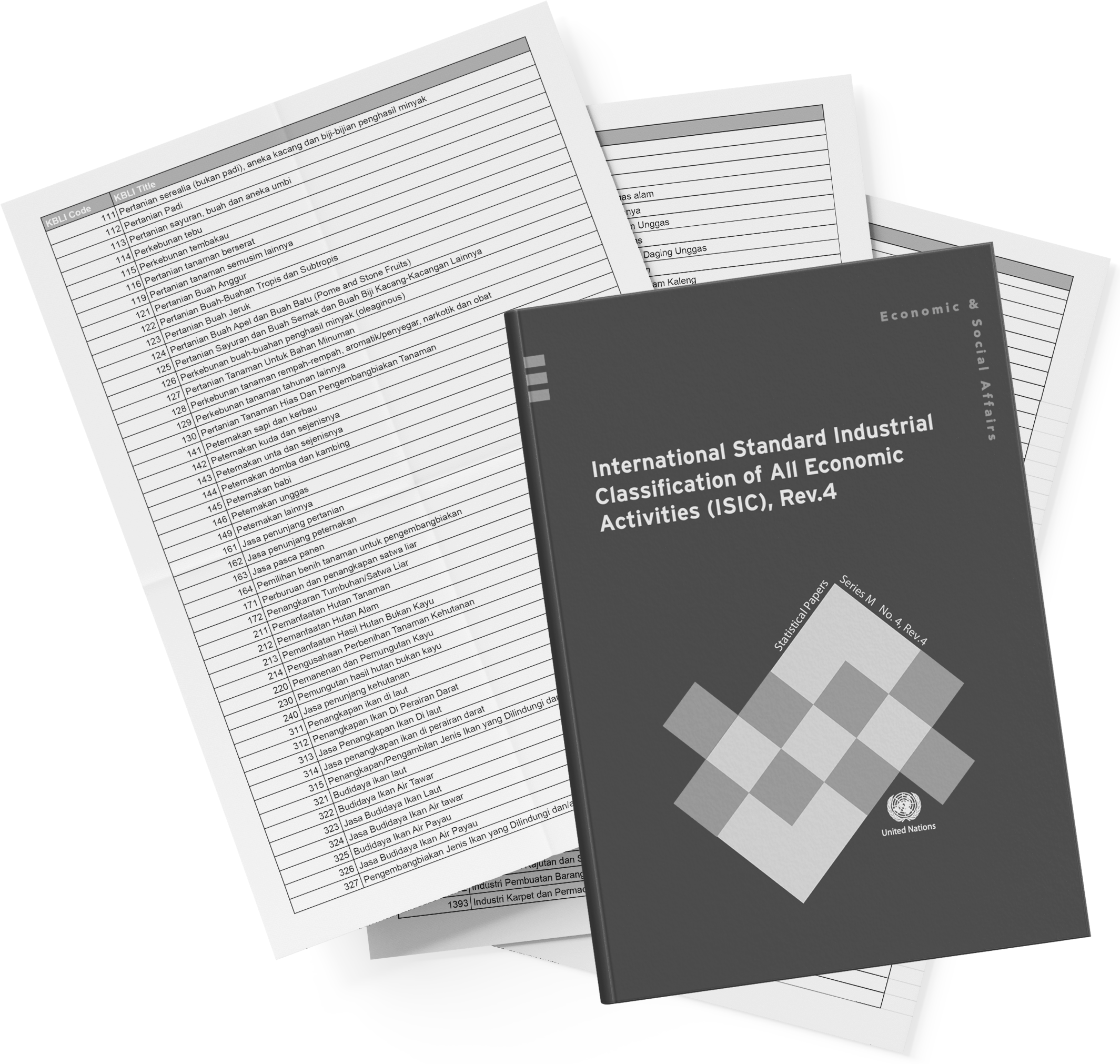
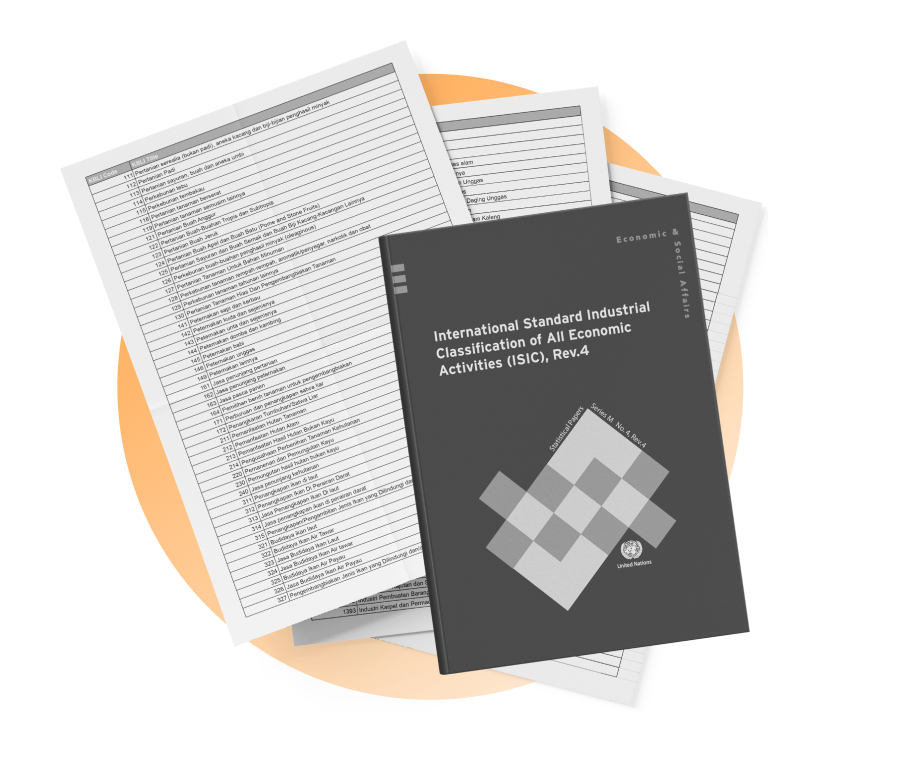
KBLI 2592 covers jobbing services that treat metal surfaces for protection, function, or looks—plating, anodizing, powder coating—and alter properties via heat treatment, plus precision removal of material through machining like turning or grinding.
Boundaries exclude primary metal making (KBLI 24), structural fab (25.1), or full assembly (28); it's the 'finishing shop' layer serving fabricators who ship semi-finished blanks.
Indonesia in Focus
Indonesia's archipelago geography creates unique distribution challenges requiring adapted logistics and storage solutions.
High humidity and tropical climate demand specific technical approaches to quality preservation and product integrity.
Industry Classification
Conceptually, industry activities sit under specific regulatory frameworks with classification by operational scale and service model.
Operators may be classified by activity type, by service delivery model, and by end-use applications.
KBLI: 2592: Metal Treatment, Coating, and Machining Industry in Indonesia
ISIC: Reference: International Standard Industrial Classification
NAICS: Comparable: North American Industry Classification System
Industry Terms
Key terminology for understanding the Metal Treatment, Coating, and Machining Industry in Indonesia industry.
Anodizing
Electrochemical process thickening oxide layer on aluminum for corrosion resistance and dye adhesion.
Essential for Batam electronics casings exposed to humid tropics; poor anodizing leads to pitting failures in 6-12 months.
Heat Treating
Controlled heating/cooling cycles like hardening (quench) or annealing to adjust metal hardness and ductility.
Transforms soft stampings into durable gears for heavy equipment; mistimed cycles cause cracking under load in mining apps.
CNC Machining
Computer-controlled turning, milling, or drilling for sub-0.05mm tolerances on prototypes or small batches.
Enables just-in-time delivery for OEM changes; manual alternatives can't match speed or repeatability for auto prototypes.
Industry Overview – Business Types
Different business models operate within the Metal Treatment, Coating, and Machining Industry in Indonesia industry.
Full-Service Job Shops
Multi-process facilities with plating lines, furnaces, and 5-axis CNCs handling end-to-end from blank to spec'd part.
One-stop convenience wins repeat OEM contracts, trading capex intensity for throughput scale.
Standard industry practices apply.
Specialist Coaters
Dedicated lines for electroplating or powder coat, receiving pre-machined parts and returning treated ones.
Depth in chemistry/process control secures high-margin niche like chrome-free for EU exports.
Standard industry practices apply.
Precision Machinists
CNC-focused with metrology labs, taking CAD files to finished components without surface work.
Tight tolerances and prototyping speed capture R&D jobs from multinationals testing Indonesia viability.
Standard industry practices apply.
Industry Performance & Outlook
Performance outlook for Metal Treatment, Coating, and Machining Industry in Indonesia
Sector utilization peaks with manufacturing cycles, strained by imported equipment lead times amid rupiah volatility.
Outlook ties to 'Making Indonesia 4.0' with EV and downstreaming boosting demand for coated battery housings and machined nickel parts.
Key performance indicators
Market growth
Industry expansion rate
Driven by domestic demand
Operational efficiency
Cost management
Key competitive factor
Outlook: what to watch
Monitor regulatory changes
Track infrastructure developments
Watch for technology adoption
Industry Growth Drivers
Key factors driving growth in Metal Treatment, Coating, and Machining Industry in Indonesia.
Growth Driver 1
Domestic consumption growth driven by expanding middle class and rising disposable incomes
Monitor industry reports and market data for trends.
Growth Driver 2
Infrastructure development reducing logistics costs and improving market access
Monitor industry reports and market data for trends.
Growth Driver 3
Government policy support including investment incentives and industrial development programs
Monitor industry reports and market data for trends.
Growth Driver 4
Technology adoption improving productivity and enabling new business models
Monitor industry reports and market data for trends.
Growth Driver 5
Regional economic integration expanding market access and supply chain opportunities
Monitor industry reports and market data for trends.
Growth Driver 6
Urbanization creating concentrated demand centers and distribution efficiencies
Monitor industry reports and market data for trends.
Industry Trends & Development
Industry Development
Evolution of Metal Treatment, Coating, and Machining Industry in Indonesia
From manual grinders and dip tanks to automated powder lines and 5-axis CNCs: evolution driven by OEM quality gates rejecting inconsistent finishes.
Indonesia lags ASEAN peers in adoption but accelerates via FTZ incentives for machine imports.
Key Trends
Major trends shaping the Metal Treatment, Coating, and Machining Industry in Indonesia industry.
Digitalization and technology adoption
Industry trend shaping market dynamics.
Operators
Investors
Policymakers
Regulatory developments
Industry trend shaping market dynamics.
Operators
Investors
Policymakers
Impact and Sustainability
Sustainability and impact considerations for the treatment and coating of metals; machining industry.
Economic Impact
Contribution to national economic development.
Balancing growth with sustainability.
Environmental Considerations
Industry practices and environmental impact.
Operational costs vs sustainability.
Industry Segmentation
Industry Segmentation – Product/Service A
Primary market segments based on service type.
Segmentation by offering
Primary Segment
Core offerings
Main market
Addresses primary demand
Secondary Segment
Supporting services
Niche markets
Specialized needs
Segments may overlap based on customer needs.
Industry Segmentation – Product/Service B
Alternative segmentation perspectives.
Segmentation by characteristics
Mass Market
Broad appeal
General consumers
Volume-driven
Premium
High-value offerings
Discerning buyers
Quality-focused
Segment boundaries are fluid.
Customer Segmentation
Different customer segments and their characteristics.
Customer segments and what they value
B2B customers
Various
Multiple needs
Different channels
B2C consumers
Various
Multiple needs
Different channels
Key Players
Ecosystem Mapping
Metal Treatment, Coating, and Machining Industry in Indonesia ecosystem includes various stakeholders.
Suppliers
Provide inputs and raw materials.
Primary producers
Input suppliers
Operators
Core industry participants.
Main industry operators
Service providers
Distribution
Channel to end customers.
Distributors
Retailers
How value flows across the ecosystem
Value is created through coordinated activities across the ecosystem.
Leading Players
Competitive landscape and key player archetypes.
Competitive archetypes
Market Leader
Dominant position
Scale, brand recognition
Market saturation
Specialist
Niche focus
Expertise, agility
Limited scale
How competition typically plays out
Competition is shaped by scale advantages, operational efficiency, and customer relationships.
Differentiation strategies vary by segment, with some players competing on price and others on service quality.
Operating Conditions
Operating Model & Cost Structure
Operating models in Metal Treatment, Coating, and Machining Industry in Indonesia vary by business type.
Direct costs
Primary operational expenses
Input costs
Labor
Utilities
Major cost component
Overhead
Indirect operational costs
Administration
Facilities
Marketing
Scale-dependent
Cost structure summary
Direct costs
Volume and input prices
Operations
Efficiency improvements
Overhead
Scale and complexity
Administration
Process optimization
Cost structure varies by business model and scale.
Regulation & Compliance Considerations
Regulatory framework and compliance requirements.
Common compliance topics
Business licensing
Operating permits
Legal operation
Maintain valid licenses
Quality standards
Product/service requirements
Market access
Quality control systems
Stay current with regulatory changes.
FAQs & Sources
FAQs
What is Metal Treatment, Coating, and Machining Industry in Indonesia?
Metal Treatment, Coating, and Machining Industry in Indonesia encompasses various business activities in the Indonesian market.
Sources & Notes
This report is a synthesized overview based on industry analysis and desk research.
BPS (Statistics Indonesia)
Official statistics and industry data.
Ministry of Industry regulations
Regulatory framework and compliance requirements.
This report is for informational purposes and should not be treated as legal, regulatory, or investment advice.