Metal-Forming Machinery and Machine Tool Manufacturing Industry in Indonesia
A practical guide to Metal-Forming Machinery and Machine Tool Manufacturing Industry in Indonesia—market dynamics, operational realities, and strategic considerations in Indonesia
Manufacture of metal-forming machinery and machine tools produces specialized equipment that deforms metal workpieces through mechanical force, heat, or pressure without removing material, enabling efficient shaping for components like chassis frames, body panels, and structural parts. Key products include hydraulic and mechanical presses, forging hammers, bending brakes, roll formers, shears, and punching machines, often integrated with tooling dies and basic automation for precision repeatability. The process starts with heavy steel frame fabrication via welding and machining, followed by assembly of drive systems—hydraulic cylinders for high-force low-speed operations or servo-electric for precise control—and electrical controls, culminating in testing under load to ensure forming accuracy and safety.
Clear industry definition and scope of activities
Operational realities across Indonesia's regions
Market segmentation and customer analysis
Ecosystem mapping and competitive dynamics
Cost structure and unit economics
Regulatory and compliance considerations
Executive Summary
Manufacture of metal-forming machinery and machine tools produces specialized equipment that deforms metal workpieces through mechanical force, heat, or pressure without removing material, enabling efficient shaping for components like chassis frames, body panels, and structural parts. Key products include hydraulic and mechanical presses, forging hammers, bending brakes, roll formers, shears, and punching machines, often integrated with tooling dies and basic automation for precision repeatability.
The process starts with heavy steel frame fabrication via welding and machining, followed by assembly of drive systems—hydraulic cylinders for high-force low-speed operations or servo-electric for precise control—and electrical controls, culminating in testing under load to ensure forming accuracy and safety.
Customization dominates: machines are tailored to specific part geometries and production volumes, trading off standardization for client fit in Indonesia's fragmented manufacturing base.
Heavy reliance on imported high-precision parts like linear guides and servos, exposing margins to forex fluctuations and supply chain disruptions via Singapore ports.
Growth syncs with manufacturing PMI and FDI inflows, particularly automotive and construction sectors demanding mid-tonnage presses.
Geographic concentration in West Java (70%+ capacity) due to proximity to end-users, with logistics hurdles limiting scale-up in outer islands.
Shift to semi-automated CNC controls improves throughput but requires upskilling operators beyond traditional manual setups common in local factories.
TKDN compliance (40-60% local content) favors incumbents with domestic welding and assembly, but certification delays slow new entrants.
Why this industry matters in Indonesia
Supports Indonesia's economic growth and development objectives.
Creates employment opportunities across diverse skill levels.
Critical for service delivery and value chain integration.
Enables Indonesia's competitiveness in regional and global markets.
So what: Practical implications
Operators: Focus on quality consistency and process standardization
Buyers: Evaluate supplier capabilities beyond pricing
Investors: Look for operational efficiency and scalability
Policymakers: Support infrastructure development
Indonesia at a Glance
Republic of Indonesia: Large and fragmented market
Indonesia's metal-forming machinery sector remains small-scale and assembly-oriented, with output centered on mid-capacity presses (50-1000 tons) serving automotive tier suppliers and metal fabricators in Java's industrial corridors. Demand pulses with manufacturing cycles, amplified by EV incentives and infrastructure projects like high-speed rail requiring specialized bending equipment.
Capacity utilization peaks seasonally around fiscal-year equipment upgrades, but overall fragmentation limits economies of scale, with most players handling 10-50 units annually versus global giants producing thousands.
Market dynamics continue to evolve with changing economic conditions.
Hyperlocalization is key to navigate Indonesia's market
West Java hubs like Bekasi adapt presses for hot-rolled local steel grades prone to scale formation, incorporating robust rust-proof coatings and simplified hydraulics suited to humid climates and intermittent power.
Batam facilities prioritize compact shearing lines for electronics chassis, while Surabaya outfits focus on heavy forging for ship propellers, each tuning cycle times to regional labor productivity and material availability.
Opportunities extend beyond cities
Central Java's agribusiness crossover sees roll formers for silo panels, leveraging cheaper land but challenged by poor road access delaying heavy deliveries from Java Sea ports.
Sumatra and Sulawesi palm oil processors demand custom punching for machinery guards, favoring modular designs transportable via RoRo ferries to bypass underdeveloped rail networks.
Growing middle class driving premiumization trends across product categories and services
Digital adoption accelerating with mobile-first consumer behavior creating new channel opportunities
Infrastructure investment improving connectivity and reducing logistics costs across the archipelago
Government initiatives supporting domestic industry development and foreign investment attraction
Regional economic integration through ASEAN creating expanded market access and trade opportunities
Sustainability and ESG considerations creating differentiation opportunities for responsible businesses
Distribution realities: logistics, infrastructure, and channel reach
Distribution hinges on Tanjung Priok and Surabaya ports for component imports, then flatbed convoys to Java factories; inter-island moves via PELNI ferries incur 2-4 week delays, pressuring just-in-time models.
Local service depots in Karawang stock common spares like seals, but major overhauls require Japan/Germany technicians, trading cost savings for extended downtime risks.
Establish robust distribution partnerships covering both modern trade and traditional channels
Invest in localized supply chain capabilities to navigate logistics complexities and reduce costs
Develop region-specific market entry strategies accounting for local competitive dynamics
Build flexibility into operations to adapt to regulatory changes and infrastructure variations
Industry Definition
What is Metal-Forming Machinery and Machine Tool Manufacturing Industry in Indonesia?
Industry Definition
KBLI 2822 encompasses manufacturing of dedicated metal-forming machinery that alters workpiece shape via compressive, tensile, or shear forces, including presses (hydraulic/mechanical), hammers, benders, shears, and punchers, plus integral tooling and basic controls. Excludes material-removal machine tools (e.g., lathes, mills in 28229) and end-use machinery like extruders.
Boundaries focus on production equipment for ferrous/non-ferrous metals, stopping at factory-floor assembly; downstream installation, software customization, or repair services fall outside, while general fabrication stands (non-specialized) are classified under metalworking services.
Indonesia in Focus
Indonesia's archipelago geography creates unique distribution challenges requiring adapted logistics and storage solutions.
High humidity and tropical climate demand specific technical approaches to quality preservation and product integrity.
Industry Classification
Conceptually, industry activities sit under specific regulatory frameworks with classification by operational scale and service model.
Operators may be classified by activity type, by service delivery model, and by end-use applications.
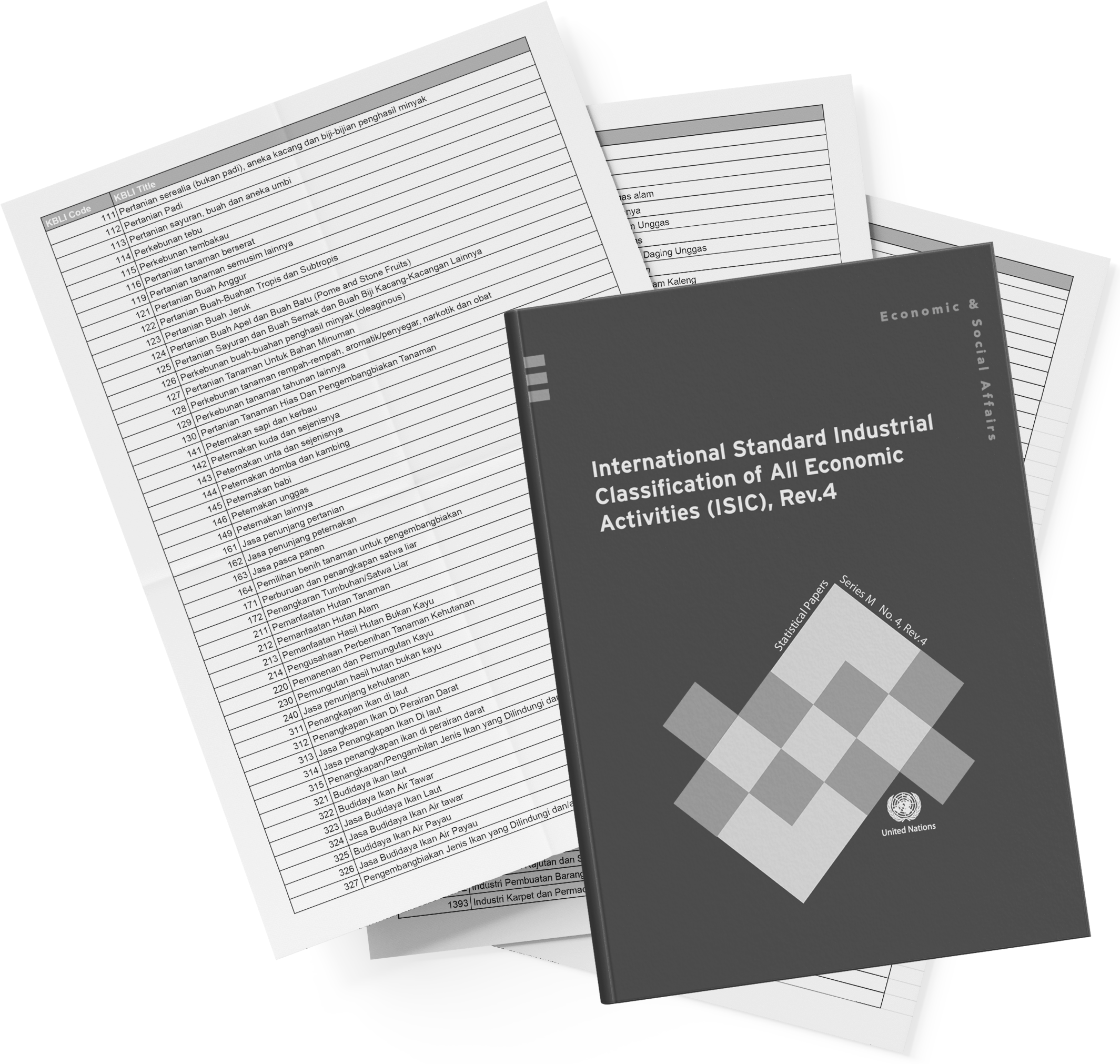
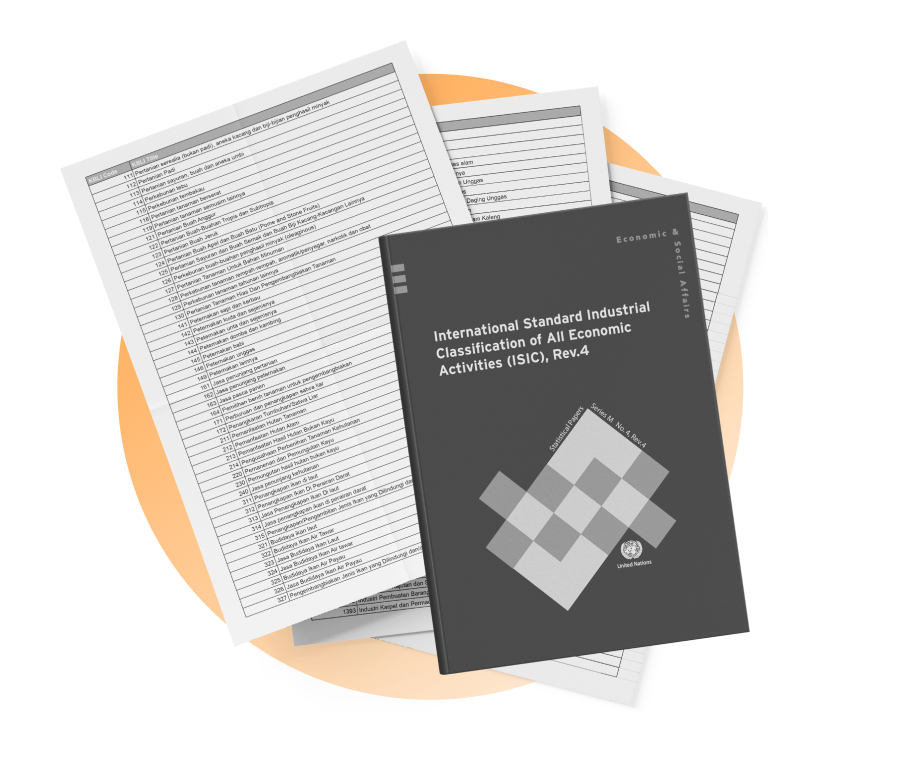
KBLI: 2822: Metal-Forming Machinery and Machine Tool Manufacturing Industry in Indonesia
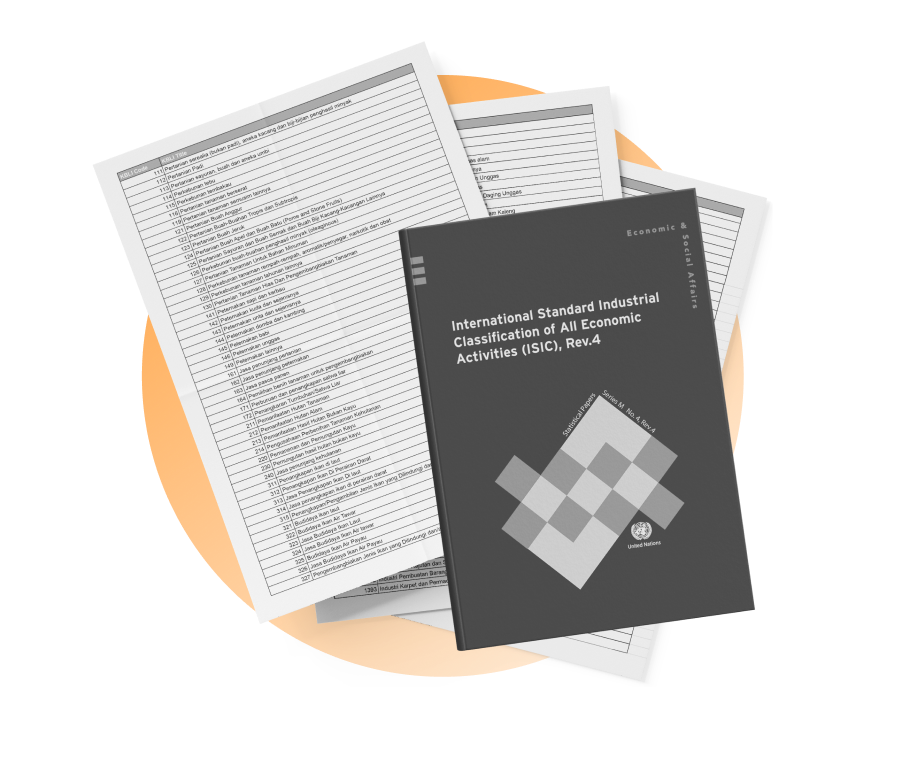
ISIC: Reference: International Standard Industrial Classification
NAICS: Comparable: North American Industry Classification System
Industry Terms
Key terminology for understanding the Metal-Forming Machinery and Machine Tool Manufacturing Industry in Indonesia industry.
Hydraulic Press
Force-multiplying machine using pressurized fluid in cylinders to drive platens for deep drawing or blanking.
Prevalent in Indonesia for affordable high-tonnage forming (up to 5000 tons) in automotive panels, balancing cost against slower cycles versus servo alternatives.
Transfer Press
Multi-station automated line transferring parts between dies for progressive forming in high-volume runs.
Enables complex geometries like car doors at scale, critical for TKDN-compliant local production but demands precise die alignment challenging in humid environments.
TKDN Certification
Government mandate for minimum local content percentage in manufactured goods to qualify for procurement.
Drives assembly localization over full import, favoring players with domestic welding capacity but inflating costs via suboptimal sourcing.
Industry Overview – Business Types
Different business models operate within the Metal-Forming Machinery and Machine Tool Manufacturing Industry in Indonesia industry.
Standalone Press Fabricators
Weld frames locally, import cylinders/controls, assemble/test for single-unit sales to small fabricators.
Quick turnaround (4-6 weeks) and price 30-50% below imports, via simplified designs.
Standard industry practices apply.
Line Integrators
Engineer full forming cells combining presses, feeders, robots; source globally but localize frames.
Turnkey efficiency reducing client setup time by 40%, targeting OEMs.
Standard industry practices apply.
Tooling Specialists
Design/fabricate custom dies complementary to imported presses, using local tool steels.
Rapid prototyping cuts iteration cycles, essential for part-specific tweaks.
Standard industry practices apply.
Industry Performance & Outlook
Performance outlook for Metal-Forming Machinery and Machine Tool Manufacturing Industry in Indonesia
Sector performance tracks manufacturing capex, with steady mid-single-digit growth post-2020 recovery, buoyed by automotive FDI but pressured by Chinese import surges during slowdowns.
Outlook brightens with EV and downstreaming mandates through 2030, potentially doubling capacity if TKDN evolves to reward tech integration over mere assembly.
Key performance indicators
Market growth
Industry expansion rate
Driven by domestic demand
Operational efficiency
Cost management
Key competitive factor
Outlook: what to watch
Monitor regulatory changes
Track infrastructure developments
Watch for technology adoption
Industry Growth Drivers
Key factors driving growth in Metal-Forming Machinery and Machine Tool Manufacturing Industry in Indonesia.
Growth Driver 1
Domestic consumption growth driven by expanding middle class and rising disposable incomes
Monitor industry reports and market data for trends.
Growth Driver 2
Infrastructure development reducing logistics costs and improving market access
Monitor industry reports and market data for trends.
Growth Driver 3
Government policy support including investment incentives and industrial development programs
Monitor industry reports and market data for trends.
Growth Driver 4
Technology adoption improving productivity and enabling new business models
Monitor industry reports and market data for trends.
Growth Driver 5
Regional economic integration expanding market access and supply chain opportunities
Monitor industry reports and market data for trends.
Growth Driver 6
Urbanization creating concentrated demand centers and distribution efficiencies
Monitor industry reports and market data for trends.
Industry Trends & Development
Industry Development
Evolution of Metal-Forming Machinery and Machine Tool Manufacturing Industry in Indonesia
From manual forging hammers to servo-electric presses: evolution prioritizes precision and energy efficiency as downstream fabricators scale from artisanal to serial production.
Integration with robotics and IoT marks the shift, enabling lights-out forming but requiring grid-stable power rare outside Java hubs.
Key Trends
Major trends shaping the Metal-Forming Machinery and Machine Tool Manufacturing Industry in Indonesia industry.
Digitalization and technology adoption
Industry trend shaping market dynamics.
Operators
Investors
Policymakers
Regulatory developments
Industry trend shaping market dynamics.
Operators
Investors
Policymakers
Impact and Sustainability
Sustainability and impact considerations for the manufacture of metal-forming machinery and machine tools industry.
Economic Impact
Contribution to national economic development.
Balancing growth with sustainability.
Environmental Considerations
Industry practices and environmental impact.
Operational costs vs sustainability.
Industry Segmentation
Industry Segmentation – Product/Service A
Primary market segments based on service type.
Segmentation by offering
Primary Segment
Core offerings
Main market
Addresses primary demand
Secondary Segment
Supporting services
Niche markets
Specialized needs
Segments may overlap based on customer needs.
Industry Segmentation – Product/Service B
Alternative segmentation perspectives.
Segmentation by characteristics
Mass Market
Broad appeal
General consumers
Volume-driven
Premium
High-value offerings
Discerning buyers
Quality-focused
Segment boundaries are fluid.
Customer Segmentation
Different customer segments and their characteristics.
Customer segments and what they value
B2B customers
Various
Multiple needs
Different channels
B2C consumers
Various
Multiple needs
Different channels
Key Players
Ecosystem Mapping
Metal-Forming Machinery and Machine Tool Manufacturing Industry in Indonesia ecosystem includes various stakeholders.
Suppliers
Provide inputs and raw materials.
Primary producers
Input suppliers
Operators
Core industry participants.
Main industry operators
Service providers
Distribution
Channel to end customers.
Distributors
Retailers
How value flows across the ecosystem
Value is created through coordinated activities across the ecosystem.
Leading Players
Competitive landscape and key player archetypes.
Competitive archetypes
Market Leader
Dominant position
Scale, brand recognition
Market saturation
Specialist
Niche focus
Expertise, agility
Limited scale
How competition typically plays out
Competition is shaped by scale advantages, operational efficiency, and customer relationships.
Differentiation strategies vary by segment, with some players competing on price and others on service quality.
Operating Conditions
Operating Model & Cost Structure
Operating models in Metal-Forming Machinery and Machine Tool Manufacturing Industry in Indonesia vary by business type.
Direct costs
Primary operational expenses
Input costs
Labor
Utilities
Major cost component
Overhead
Indirect operational costs
Administration
Facilities
Marketing
Scale-dependent
Cost structure summary
Direct costs
Volume and input prices
Operations
Efficiency improvements
Overhead
Scale and complexity
Administration
Process optimization
Cost structure varies by business model and scale.
Regulation & Compliance Considerations
Regulatory framework and compliance requirements.
Common compliance topics
Business licensing
Operating permits
Legal operation
Maintain valid licenses
Quality standards
Product/service requirements
Market access
Quality control systems
Stay current with regulatory changes.
FAQs & Sources
FAQs
What is Metal-Forming Machinery and Machine Tool Manufacturing Industry in Indonesia?
Metal-Forming Machinery and Machine Tool Manufacturing Industry in Indonesia encompasses various business activities in the Indonesian market.
Sources & Notes
This report is a synthesized overview based on industry analysis and desk research.
BPS (Statistics Indonesia)
Official statistics and industry data.
Ministry of Industry regulations
Regulatory framework and compliance requirements.
This report is for informational purposes and should not be treated as legal, regulatory, or investment advice.