Metal Forging, Pressing, Stamping, and Roll-Forming Industry in Indonesia
A practical guide to Metal Forging, Pressing, Stamping, and Roll-Forming Industry in Indonesia—market dynamics, operational realities, and strategic considerations in Indonesia
Forging, pressing, stamping, roll-forming, and powder metallurgy shape metal into high-strength components by applying force to deform billets, sheets, or powders without melting. Forging hammers or presses refine grain structure for durability; stamping punches dies into sheet metal for precise 2D/3D parts; roll-forming bends strips continuously into profiles; powder metallurgy compacts alloy powders then sinters them for complex, near-net shapes with minimal waste. These processes produce gears, chassis brackets, body panels, engine mounts, and bushings that integrate into vehicles, machinery, appliances, and construction equipment, prioritizing repeatability, material efficiency, and mechanical properties over casting or machining.
Clear industry definition and scope of activities
Operational realities across Indonesia's regions
Market segmentation and customer analysis
Ecosystem mapping and competitive dynamics
Cost structure and unit economics
Regulatory and compliance considerations
Executive Summary
Forging, pressing, stamping, roll-forming, and powder metallurgy shape metal into high-strength components by applying force to deform billets, sheets, or powders without melting. Forging hammers or presses refine grain structure for durability; stamping punches dies into sheet metal for precise 2D/3D parts; roll-forming bends strips continuously into profiles; powder metallurgy compacts alloy powders then sinters them for complex, near-net shapes with minimal waste.
These processes produce gears, chassis brackets, body panels, engine mounts, and bushings that integrate into vehicles, machinery, appliances, and construction equipment, prioritizing repeatability, material efficiency, and mechanical properties over casting or machining.
High upfront tooling costs lock in designs, favoring long-run orders from OEMs over custom jobs.
Energy-intensive presses demand reliable grid power, a chronic issue outside Java's industrial parks.
Scrap recovery offsets 20-30% material costs, but contamination risks reject entire lots.
Local content certification (TKDN) unlocks government procurement but requires traceability audits.
Labor skill gaps push automation in precision stamping, widening moats for scaled players.
Why this industry matters in Indonesia
Metal forging provides durable components for automotive and machinery.
Local production reduces import dependency.
Heavy industry supports manufacturing ecosystem.
So what: Practical implications
Maintain precision tolerances and quality certifications.
Invest in modern forging equipment.
Develop expertise in specialized alloys.
Build long-term relationships with OEM customers.
Indonesia at a Glance
Republic of Indonesia: Large and fragmented market
Concentrated in Bekasi, Karawang, and Purwakarta industrial estates, the industry feeds Astra-Honda, Yamaha, and Toyota suppliers with stamped panels and forged cranks. Output ties to automotive cycles, with two-wheelers driving 60%+ demand amid 10M+ annual units; powder metallurgy trails at <5%, serving niche transmissions.
Java dominates due to port proximity (Tanjung Priok) and OEM clusters, while outer islands rely on fly-in billets and barge shipments, inflating costs 15-20%.
Market dynamics continue to evolve with changing economic conditions.
Hyperlocalization is key to navigate Indonesia's market
West Java hubs like Cikarang specialize in high-volume stamping for 2W frames, leveraging flat logistics and skilled welders. East Java (Sidoarjo) favors forging for heavy machinery, trading off higher power tariffs for land cost savings.
Sumatra's Batam FTZ hosts roll-forming for electronics enclosures, benefiting from Singapore feeder ships but facing humidity-induced rust risks on uncoated stock.
Opportunities extend beyond cities
Tier-2 clusters in Purwakarta and Cikande (Banten) host mid-tier stampers serving local assemblers, avoiding Jakarta congestion but dependent on toll road trucking.
Emerging nodes in Morowali SEZ (Sulawesi) blend forging with nickel smelting, targeting EV battery casings via integrated supply.
Automotive component localization supporting EV transition
Aerospace forging partnerships with global tier-1 suppliers
Renewable energy component manufacturing (wind, hydro turbines)
Defense and military equipment domestic production programs
Oil and gas equipment forging for domestic exploration
Railway and heavy machinery component supply opportunities
Distribution realities: logistics, infrastructure, and channel reach
Inbound: Bulk steel coils via Priok/Semarang ports to Java yards; powders air-freighted for PM. Outbound: JIT trucking to OEMs (1-2 day windows), inter-island ferries for exports.
Challenges include monsoon delays, bridge weight limits on rural routes, and container shortages, pushing players toward vertical integration or 3PLs like JNE.
Establish robust distribution partnerships covering both modern trade and traditional channels
Invest in localized supply chain capabilities to navigate logistics complexities and reduce costs
Develop region-specific market entry strategies accounting for local competitive dynamics
Build flexibility into operations to adapt to regulatory changes and infrastructure variations
Industry Definition
What is Metal Forging, Pressing, Stamping, and Roll-Forming Industry in Indonesia?
Industry Definition
KBLI 2591 encompasses cold/hot deformation of ferrous/non-ferrous metals via forging (open/die), hydraulic/mechanical pressing, progressive stamping, roll-forming profiles, and powder metallurgy (pressing-sintering-infiltration). Excludes upstream melting (2420), downstream machining/coating (2592), and wire drawing (2430).
Core output: Precision components with enhanced fatigue resistance, tight tolerances (±0.1mm), and geometries unachievable by casting, serving as 'black box' inputs to assembly lines.
Indonesia in Focus
Indonesia's large population and growing economy create substantial market opportunities.
Archipelagic geography presents unique distribution and logistics challenges.
Industry Classification
Primary classification: Based on core business activity
Secondary classification: Related supporting activities
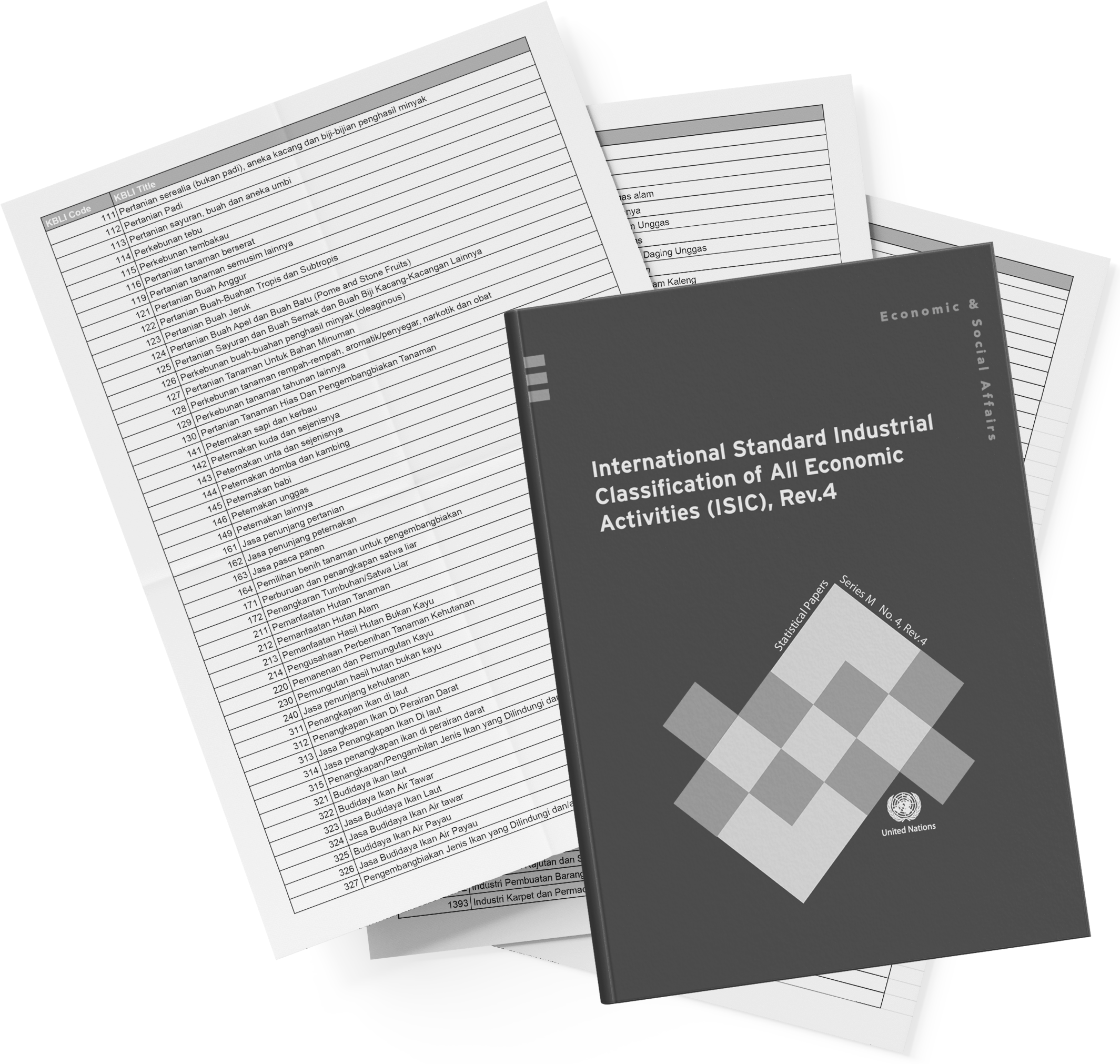
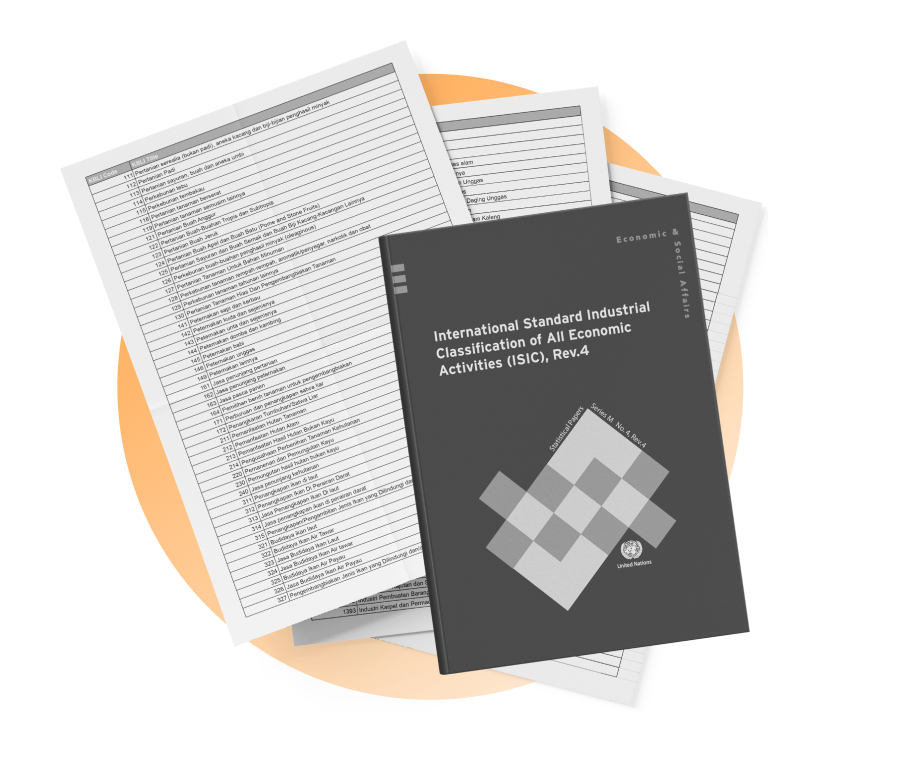
KBLI: 2591: Metal Forging, Pressing, Stamping, and Roll-Forming Industry in Indonesia
ISIC: Reference: International Standard Industrial Classification
NAICS: Comparable: North American Industry Classification System
Industry Terms
Key terminology for understanding the Metal Forging, Pressing, Stamping, and Roll-Forming Industry in Indonesia industry.
Progressive Stamping
Sequential die stations form sheet metal in one continuous press stroke, yielding complex parts like brackets.
Boosts throughput 10x vs single-stage, critical for Indonesia's high-volume 2W production but demands ±0.05mm die precision.
Cold Forging
Room-temp deformation of wire/bar stock into heads/shafts using multi-stage tooling.
Yields denser, stronger parts than machining; key for cost-sensitive auto bolts in rupiah-volatile markets.
Powder Metallurgy (PM)
Compacting alloy powders in dies, sintering to fuse, optional secondary ops.
Near-net shapes minimize waste (5% vs 50% machining), ideal for porous bearings/gears but sensitive to powder import costs.
Industry Overview – Business Types
Different business models operate within the Metal Forging, Pressing, Stamping, and Roll-Forming Industry in Indonesia industry.
High-Volume Stamping Contractor
Dedicated progressive lines run OEM specs, with tool amortization over millions of cycles.
Die maintenance uptime >95%, serving JIT auto lines.
Standard industry practices apply.
Jobbing Forge Shop
Flexible hammers/presses handle low-volume custom orders, often hot forging for ag/machinery.
Rapid prototyping via CAD-CAM, bridging design to production.
Standard industry practices apply.
PM Component Specialist
Vertical from powder blending to sintering, targeting wear parts like synchronizers.
Custom alloy recipes for oil-embedded bearings.
Standard industry practices apply.
Industry Performance & Outlook
Performance outlook for Metal Forging, Pressing, Stamping, and Roll-Forming Industry in Indonesia
Sector tracks manufacturing PMI, buoyed by auto recovery post-COVID but pressured by steel duties (5-10%). Outlook positive with EV/Nickel push localizing casings/gears.
Capacity utilization 70-80% in Java peaks, strained by skilled press operators shortage.
Key performance indicators
Market growth
Industry expansion rate
Driven by domestic demand
Operational efficiency
Cost management
Key competitive factor
Outlook: what to watch
Monitor regulatory changes
Track infrastructure developments
Watch for technology adoption
Industry Growth Drivers
Key factors driving growth in Metal Forging, Pressing, Stamping, and Roll-Forming Industry in Indonesia.
Growth Driver 1
Domestic consumption growth driven by expanding middle class and rising disposable incomes
Monitor industry reports and market data for trends.
Growth Driver 2
Infrastructure development reducing logistics costs and improving market access
Monitor industry reports and market data for trends.
Growth Driver 3
Government policy support including investment incentives and industrial development programs
Monitor industry reports and market data for trends.
Growth Driver 4
Technology adoption improving productivity and enabling new business models
Monitor industry reports and market data for trends.
Growth Driver 5
Regional economic integration expanding market access and supply chain opportunities
Monitor industry reports and market data for trends.
Growth Driver 6
Urbanization creating concentrated demand centers and distribution efficiencies
Monitor industry reports and market data for trends.
Industry Trends & Development
Industry Development
Evolution of Metal Forging, Pressing, Stamping, and Roll-Forming Industry in Indonesia
From manual hammers to CNC-controlled servo presses: Digitization cuts setup 50%, enables micro-stamping for electronics.
Integration with upstream (steel service centers) and downstream (welding lines) via Industry 4.0 traceability.
Key Trends
Major trends shaping the Metal Forging, Pressing, Stamping, and Roll-Forming Industry in Indonesia industry.
Digitalization and technology adoption
Industry trend shaping market dynamics.
Operators
Investors
Policymakers
Regulatory developments
Industry trend shaping market dynamics.
Operators
Investors
Policymakers
Impact and Sustainability
Sustainability and impact considerations for the forging, pressing, stamping and roll-forming of metal; powder metallurgy industry.
Economic Impact
Contribution to national economic development.
Balancing growth with sustainability.
Environmental Considerations
Industry practices and environmental impact.
Operational costs vs sustainability.
Industry Segmentation
Industry Segmentation – Product/Service A
Primary market segments based on service type.
Segmentation by offering
Primary Segment
Core offerings
Main market
Addresses primary demand
Secondary Segment
Supporting services
Niche markets
Specialized needs
Segments may overlap based on customer needs.
Industry Segmentation – Product/Service B
Alternative segmentation perspectives.
Segmentation by characteristics
Mass Market
Broad appeal
General consumers
Volume-driven
Premium
High-value offerings
Discerning buyers
Quality-focused
Segment boundaries are fluid.
Customer Segmentation
Different customer segments and their characteristics.
Customer segments and what they value
B2B customers
Various
Multiple needs
Different channels
B2C consumers
Various
Multiple needs
Different channels
Key Players
Ecosystem Mapping
Metal Forging, Pressing, Stamping, and Roll-Forming Industry in Indonesia ecosystem includes various stakeholders.
Suppliers
Provide inputs and raw materials.
Primary producers
Input suppliers
Operators
Core industry participants.
Main industry operators
Service providers
Distribution
Channel to end customers.
Distributors
Retailers
How value flows across the ecosystem
Value is created through coordinated activities across the ecosystem.
Leading Players
Competitive landscape and key player archetypes.
Competitive archetypes
Market Leader
Dominant position
Scale, brand recognition
Market saturation
Specialist
Niche focus
Expertise, agility
Limited scale
How competition typically plays out
Competition is shaped by scale advantages, operational efficiency, and customer relationships.
Differentiation strategies vary by segment, with some players competing on price and others on service quality.
Operating Conditions
Operating Model & Cost Structure
Operating models in Metal Forging, Pressing, Stamping, and Roll-Forming Industry in Indonesia vary by business type.
Direct costs
Primary operational expenses
Input costs
Labor
Utilities
Major cost component
Overhead
Indirect operational costs
Administration
Facilities
Marketing
Scale-dependent
Cost structure summary
Direct costs
Volume and input prices
Operations
Efficiency improvements
Overhead
Scale and complexity
Administration
Process optimization
Cost structure varies by business model and scale.
Regulation & Compliance Considerations
Regulatory framework and compliance requirements.
Common compliance topics
Business licensing
Operating permits
Legal operation
Maintain valid licenses
Quality standards
Product/service requirements
Market access
Quality control systems
Stay current with regulatory changes.
FAQs & Sources
FAQs
What is Metal Forging, Pressing, Stamping, and Roll-Forming Industry in Indonesia?
Metal Forging, Pressing, Stamping, and Roll-Forming Industry in Indonesia encompasses various business activities in the Indonesian market.
Sources & Notes
This report is a synthesized overview based on industry analysis and desk research.
BPS (Statistics Indonesia)
Official statistics and industry data.
Ministry of Industry regulations
Regulatory framework and compliance requirements.
This report is for informational purposes and should not be treated as legal, regulatory, or investment advice.