Man-Made Fibre Manufacturing Industry in Indonesia
A practical guide to Man-Made Fibre Manufacturing Industry in Indonesia—market dynamics, operational realities, and strategic considerations in Indonesia
Manufacture of Man-Made Fibres produces synthetic or artificial fibres by extruding molten polymers like polyester precursors or cellulose solutions like viscose through spinnerets to form continuous filaments or cut staple lengths, creating inputs for textile spinning with tailored strength, elongation, and dyeability. Core activities span polymerization integration, spinning, drawing, crimping for staples, and basic quality checks, but stop before yarn twisting or texturing, enabling downstream textile producers to blend with natural fibres for apparel, home textiles, and industrial uses.
Clear industry definition and scope of activities
Operational realities across Indonesia's regions
Market segmentation and customer analysis
Ecosystem mapping and competitive dynamics
Cost structure and unit economics
Regulatory and compliance considerations
Executive Summary
Manufacture of Man-Made Fibres produces synthetic or artificial fibres by extruding molten polymers like polyester precursors or cellulose solutions like viscose through spinnerets to form continuous filaments or cut staple lengths, creating inputs for textile spinning with tailored strength, elongation, and dyeability.
Core activities span polymerization integration, spinning, drawing, crimping for staples, and basic quality checks, but stop before yarn twisting or texturing, enabling downstream textile producers to blend with natural fibres for apparel, home textiles, and industrial uses.
Polyester staple fibre (PSF) dominates as low-cost cotton substitute, with continuous filament (POY/FDY) enabling direct weaving efficiencies.
Viscose rayon offers breathability mimicking cotton but demands pulp supply chains vulnerable to plantation regulations.
Feedstock costs from imported monomers swing with global oil prices, squeezing margins unless hedged via long-term contracts.
Export-oriented plants prioritize ISO-certified quality for US/EU apparel chains, while domestic sales face informal blending practices.
Sustainability shift pressures viscose producers on effluent treatment to meet AMDAL standards, trading higher capex for licence renewals.
Capacity expansions tie to downstream spinners' investments, creating symbiotic clusters but exposing to garment demand slumps.
Why this industry matters in Indonesia
Supports Indonesia's economic growth and development objectives.
Creates employment opportunities across diverse skill levels.
Critical for service delivery and value chain integration.
Enables Indonesia's competitiveness in regional and global markets.
So what: Practical implications
Operators: Focus on quality consistency and process standardization
Buyers: Evaluate supplier capabilities beyond pricing
Investors: Look for operational efficiency and scalability
Policymakers: Support infrastructure development
Indonesia at a Glance
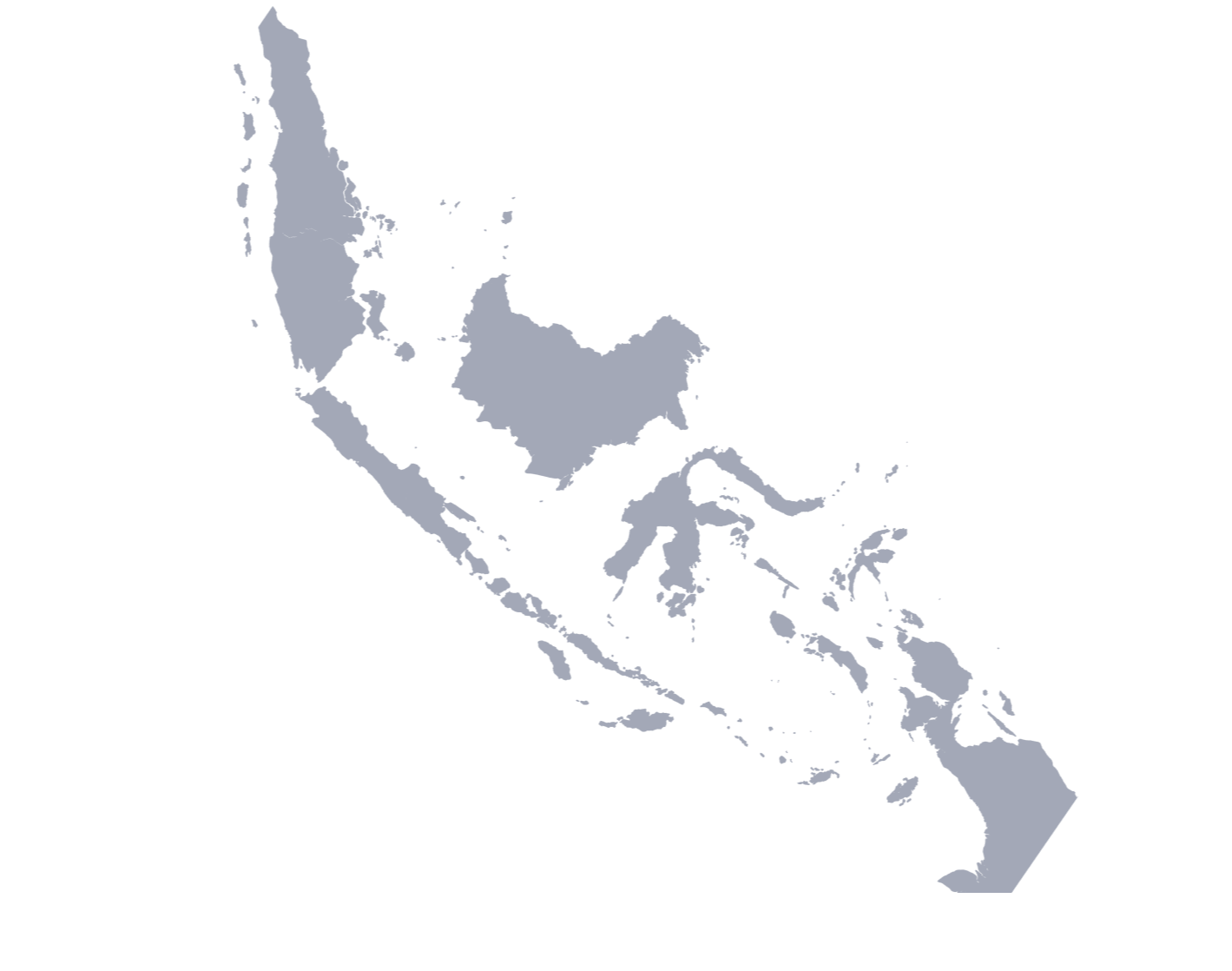
Republic of Indonesia: Large and fragmented market
Indonesia ranks among Asia's top man-made fibre producers, with polyester capacity centred in West Java feeding 70%+ of local spinning mills and exports to Bangladesh/Vietnam garment hubs, while viscose output from Purwakarta serves towel/bedding segments.
Production cycles align with textile off-seasons, with Java facilities ramping for Ramadan apparel peaks but idling during global slowdowns, highlighting the need for multi-fibre versatility to buffer PTA price spikes.
Market dynamics continue to evolve with changing economic conditions.
Hyperlocalization is key to navigate Indonesia's market
West Java's Bekasi-Karawang corridor hosts integrated polyester plants near Lotte Chemical's PTA facility, minimizing logistics lags while viscose in Purwakarta accesses Java pulp trucking routes under 8-hour viability windows.
Sumatra pulp suppliers feed viscose via inter-island RoRo ferries, creating trade-offs in freshness versus cost for non-Java sites attempting staple production.
Opportunities extend beyond cities
Outer islands like Kalimantan eye polyester via Plaju refinery synergies, but lack skilled operators and power grids force reliance on Java exports, limiting rural textile self-sufficiency.
Sulawesi garment zones import fibres via Bitung port, underscoring Java's hub status despite decentralization pushes under industrial peta jalan.
Growing middle class driving premiumization trends across product categories and services
Digital adoption accelerating with mobile-first consumer behavior creating new channel opportunities
Infrastructure investment improving connectivity and reducing logistics costs across the archipelago
Government initiatives supporting domestic industry development and foreign investment attraction
Regional economic integration through ASEAN creating expanded market access and trade opportunities
Sustainability and ESG considerations creating differentiation opportunities for responsible businesses
Distribution realities: logistics, infrastructure, and channel reach
Fibre bales move via trucking to nearby spinners (under 100km) or containerized sea freight for exports, with humidity-controlled warehousing critical to prevent clumping in humid archipelago climate.
Downstream integration via captive spinning reduces trucking risks, but spot sales expose to port congestion at Tanjung Priok during monsoon peaks.
Establish robust distribution partnerships covering both modern trade and traditional channels
Invest in localized supply chain capabilities to navigate logistics complexities and reduce costs
Develop region-specific market entry strategies accounting for local competitive dynamics
Build flexibility into operations to adapt to regulatory changes and infrastructure variations
Industry Definition
What is Man-Made Fibre Manufacturing Industry in Indonesia?
Industry Definition
KBLI 2030 encompasses extrusion-based production of man-made fibres from petrochemicals (polyester, nylon, acrylic) or regenerated cellulose (viscose, lyocell), yielding filament tow for cut-to-staple or direct draw-textured yarn precursors, excluding natural spinning fibres or post-spinning yarn operations.
Boundaries exclude upstream polymerization if standalone (2017), downstream yarn texturing (13112), or fabric finishing, focusing on fibre form-giving where denier uniformity and crimp dictate spinning performance.
Indonesia in Focus
Indonesia's archipelago geography creates unique distribution challenges requiring adapted logistics and storage solutions.
High humidity and tropical climate demand specific technical approaches to quality preservation and product integrity.
Industry Classification
Conceptually, industry activities sit under specific regulatory frameworks with classification by operational scale and service model.
Operators may be classified by activity type, by service delivery model, and by end-use applications.
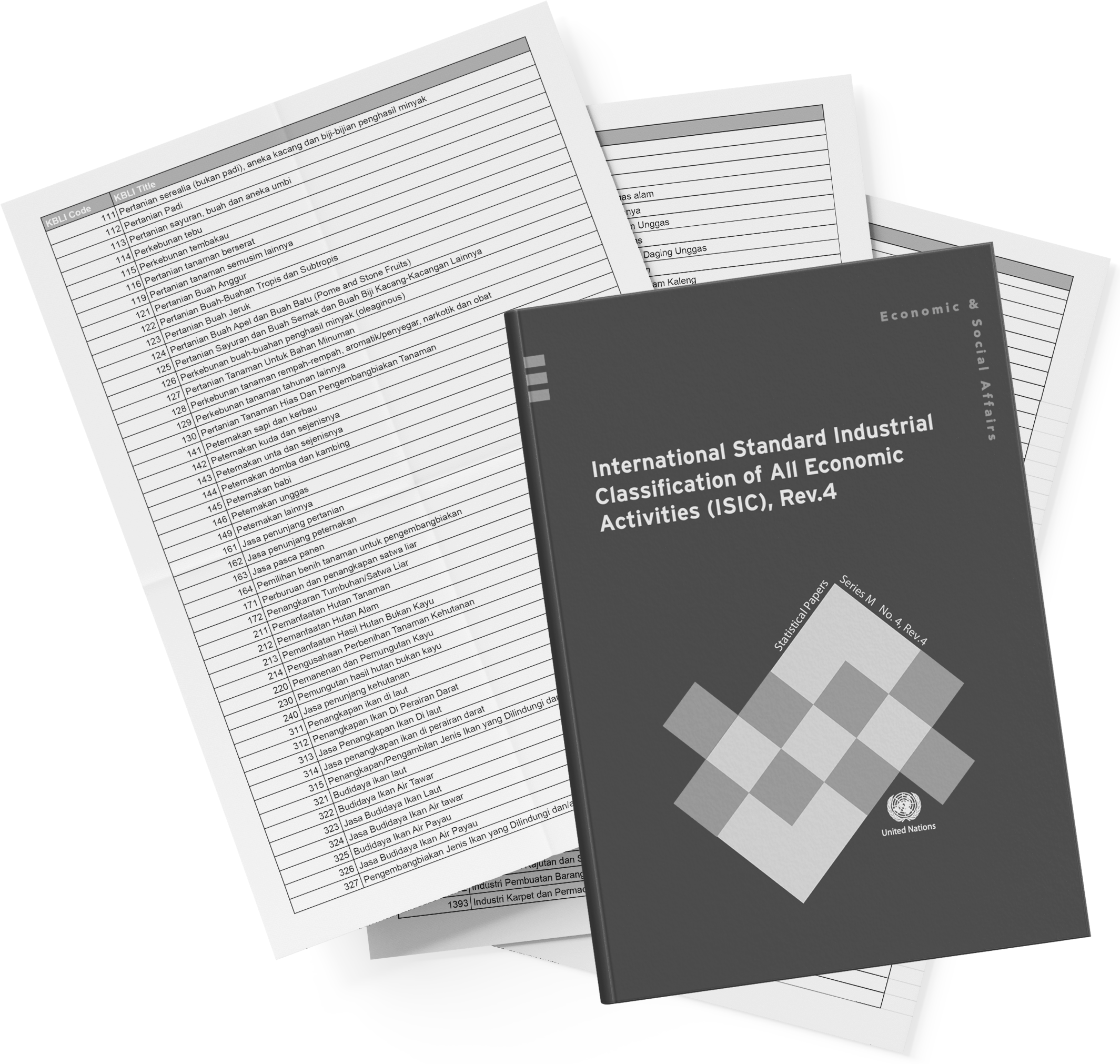
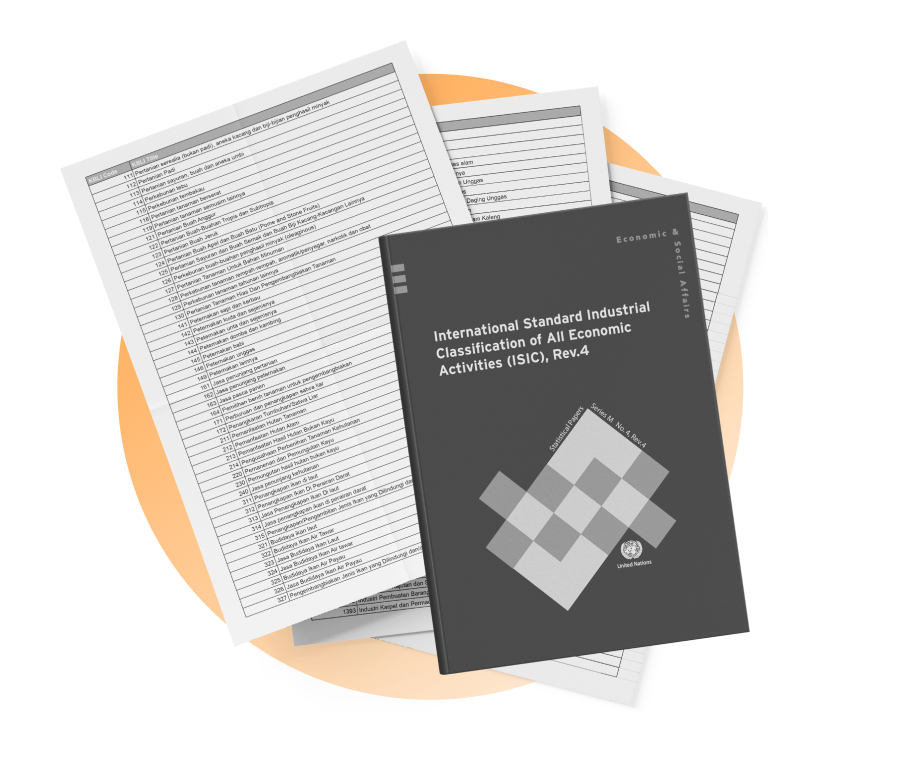
KBLI: 2030: Man-Made Fibre Manufacturing Industry in Indonesia
ISIC: Reference: International Standard Industrial Classification
NAICS: Comparable: North American Industry Classification System
Industry Terms
Key terminology for understanding the Man-Made Fibre Manufacturing Industry in Indonesia industry.
Spinneret
Precision plate with microscopic holes that shapes molten polymer into filaments during extrusion.
Hole count and diameter set fibre fineness (denier), directly impacting yarn evenness and fabric handfeel in Indonesia's price-sensitive apparel chains.
Denier
Weight in grams of 9,000m fibre length, measuring coarseness from fine (1-3d for microfilaments) to coarse (15d+ for industrial).
Guides blending ratios for cotton-like feel versus durability, with Indonesian spinners demanding consistent denier to avoid breakage in open-end spinning.
Viscose process
Dissolving wood pulp in caustic soda/CS2 to xanthate dope, extruded into acid bath for regeneration as rayon staple.
Enables semi-synthetic breathability but generates H2S effluents, pressuring Indonesian plants for zero-discharge upgrades to sustain export licences.
Industry Overview – Business Types
Different business models operate within the Man-Made Fibre Manufacturing Industry in Indonesia industry.
Commodity Polyester Staple Fibre (PSF) Plant
High-volume melt-spinning of PET chips into crimped bales for cotton blending, with automated cutting and baling.
Scale economies via 300,000+ ton capacities, low capex per ton but vulnerable to PTA gluts.
Standard industry practices apply.
Viscose Staple Fibre (VSF) Producer
Batch-wise pulp dissolution, wet-spinning into tow, stretching, cutting amid effluent neutralization.
Modal/lyocell variants for premium towels, trading higher yields for pulp traceability certifications.
Standard industry practices apply.
Specialty Filament Tow Maker
Custom spinnerets for trilobal or hollow fibres, sold as tow to texturers avoiding staple crimping.
Niche properties like wicking for sportswear, commanding 20-30% premiums despite lower volumes.
Standard industry practices apply.
Industry Performance & Outlook
Performance outlook for Man-Made Fibre Manufacturing Industry in Indonesia
Capacity utilization swings with global textile cycles, buoyed by Indonesia's EV growth demanding tyre cord nylon but pressured by Vietnam's faster PTA ramps.
Outlook favours integrated players linking to spinning amid US-China trade shifts, with recycled content mandates reshaping viscose baselines by 2030.
Key performance indicators
Market growth
Industry expansion rate
Driven by domestic demand
Operational efficiency
Cost management
Key competitive factor
Outlook: what to watch
Monitor regulatory changes
Track infrastructure developments
Watch for technology adoption
Industry Growth Drivers
Key factors driving growth in Man-Made Fibre Manufacturing Industry in Indonesia.
Growth Driver 1
Domestic consumption growth driven by expanding middle class and rising disposable incomes
Monitor industry reports and market data for trends.
Growth Driver 2
Infrastructure development reducing logistics costs and improving market access
Monitor industry reports and market data for trends.
Growth Driver 3
Government policy support including investment incentives and industrial development programs
Monitor industry reports and market data for trends.
Growth Driver 4
Technology adoption improving productivity and enabling new business models
Monitor industry reports and market data for trends.
Growth Driver 5
Regional economic integration expanding market access and supply chain opportunities
Monitor industry reports and market data for trends.
Growth Driver 6
Urbanization creating concentrated demand centers and distribution efficiencies
Monitor industry reports and market data for trends.
Industry Trends & Development
Industry Development
Evolution of Man-Made Fibre Manufacturing Industry in Indonesia
From import-dependent 1990s spinning feeds to integrated Java mega-plants, the sector matured via FDI from Thailand/India, shifting from viscose dominance to polyester scale.
Digitalization introduces AI-monitored spinning for denier consistency, reducing defects amid labour shortages in ageing facilities.
Key Trends
Major trends shaping the Man-Made Fibre Manufacturing Industry in Indonesia industry.
Digitalization and technology adoption
Industry trend shaping market dynamics.
Operators
Investors
Policymakers
Regulatory developments
Industry trend shaping market dynamics.
Operators
Investors
Policymakers
Impact and Sustainability
Sustainability and impact considerations for the manufacture of man-made fibres industry.
Economic Impact
Contribution to national economic development.
Balancing growth with sustainability.
Environmental Considerations
Industry practices and environmental impact.
Operational costs vs sustainability.
Industry Segmentation
Industry Segmentation – Product/Service A
Primary market segments based on service type.
Segmentation by offering
Primary Segment
Core offerings
Main market
Addresses primary demand
Secondary Segment
Supporting services
Niche markets
Specialized needs
Segments may overlap based on customer needs.
Industry Segmentation – Product/Service B
Alternative segmentation perspectives.
Segmentation by characteristics
Mass Market
Broad appeal
General consumers
Volume-driven
Premium
High-value offerings
Discerning buyers
Quality-focused
Segment boundaries are fluid.
Customer Segmentation
Different customer segments and their characteristics.
Customer segments and what they value
B2B customers
Various
Multiple needs
Different channels
B2C consumers
Various
Multiple needs
Different channels
Key Players
Ecosystem Mapping
Man-Made Fibre Manufacturing Industry in Indonesia ecosystem includes various stakeholders.
Suppliers
Provide inputs and raw materials.
Primary producers
Input suppliers
Operators
Core industry participants.
Main industry operators
Service providers
Distribution
Channel to end customers.
Distributors
Retailers
How value flows across the ecosystem
Value is created through coordinated activities across the ecosystem.
Leading Players
Competitive landscape and key player archetypes.
Competitive archetypes
Market Leader
Dominant position
Scale, brand recognition
Market saturation
Specialist
Niche focus
Expertise, agility
Limited scale
How competition typically plays out
Competition is shaped by scale advantages, operational efficiency, and customer relationships.
Differentiation strategies vary by segment, with some players competing on price and others on service quality.
Operating Conditions
Operating Model & Cost Structure
Operating models in Man-Made Fibre Manufacturing Industry in Indonesia vary by business type.
Direct costs
Primary operational expenses
Input costs
Labor
Utilities
Major cost component
Overhead
Indirect operational costs
Administration
Facilities
Marketing
Scale-dependent
Cost structure summary
Direct costs
Volume and input prices
Operations
Efficiency improvements
Overhead
Scale and complexity
Administration
Process optimization
Cost structure varies by business model and scale.
Regulation & Compliance Considerations
Regulatory framework and compliance requirements.
Common compliance topics
Business licensing
Operating permits
Legal operation
Maintain valid licenses
Quality standards
Product/service requirements
Market access
Quality control systems
Stay current with regulatory changes.
FAQs & Sources
FAQs
What is Man-Made Fibre Manufacturing Industry in Indonesia?
Man-Made Fibre Manufacturing Industry in Indonesia encompasses various business activities in the Indonesian market.
Sources & Notes
This report is a synthesized overview based on industry analysis and desk research.
BPS (Statistics Indonesia)
Official statistics and industry data.
Ministry of Industry regulations
Regulatory framework and compliance requirements.
This report is for informational purposes and should not be treated as legal, regulatory, or investment advice.