Iron and Steel Casting Industry in Indonesia
A practical guide to Iron and Steel Casting Industry in Indonesiaโmarket dynamics, operational realities, and strategic considerations in Indonesia
Casting of iron and steel involves melting scrap, pig iron, or steel billets in furnaces, pouring molten metal into sand or metal molds to form raw castings, followed by cooling, shakeout, fettling, and basic finishing for use in machinery, construction, and vehicles. Processes range from low-cost sand casting for bulky parts to precision investment casting for complex geometries, enabling mass production of components like engine blocks, valves, and structural fittings that downstream manufacturers machine into final products.
Clear industry definition and scope of activities
Operational realities across Indonesia's regions
Market segmentation and customer analysis
Ecosystem mapping and competitive dynamics
Cost structure and unit economics
Regulatory and compliance considerations
Executive Summary
Casting of iron and steel involves melting scrap, pig iron, or steel billets in furnaces, pouring molten metal into sand or metal molds to form raw castings, followed by cooling, shakeout, fettling, and basic finishing for use in machinery, construction, and vehicles.
Processes range from low-cost sand casting for bulky parts to precision investment casting for complex geometries, enabling mass production of components like engine blocks, valves, and structural fittings that downstream manufacturers machine into final products.
Scrap dependency exposes margins to global prices and quality variability, as imported HMS 1/2 from Australia or US arrives via Tanjung Priok but risks contamination ruining melts.
Energy costs dominate at 40-50% of expenses, with LPG furnaces common in Java but coal alternatives riskier amid emission crackdowns.
Seasonal demand peaks with construction tenders, leading to underutilized capacity outside rainy season delays.
Skilled labor shortage for patternmaking pushes reliance on imported designs or 3D printing trials.
Export potential grows via ASEAN FTA, but SNI certification barriers protect local infra projects.
Why this industry matters in Indonesia
Supports Indonesia's economic growth and development objectives.
Creates employment opportunities across diverse skill levels.
Critical for service delivery and value chain integration.

Enables Indonesia's competitiveness in regional and global markets.
So what: Practical implications
Operators: Focus on quality consistency and process standardization
Buyers: Evaluate supplier capabilities beyond pricing
Investors: Look for operational efficiency and scalability
Policymakers: Support infrastructure development
Indonesia at a Glance
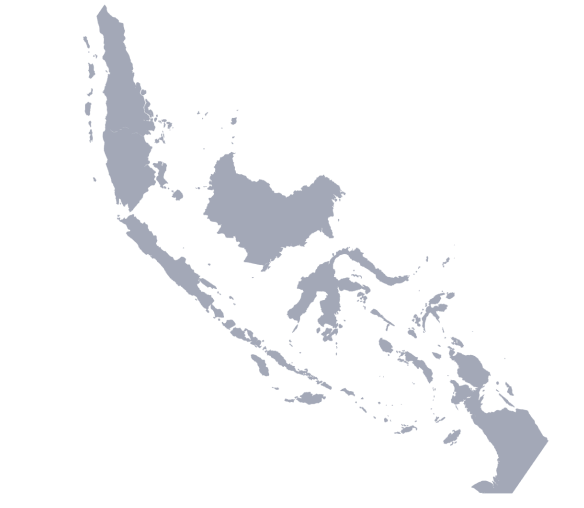
Republic of Indonesia: Large and fragmented market
Indonesia's iron and steel casting underpins infrastructure surges like toll roads and dams, with Java hubs supplying 70-80% of domestic needs amid construction-led growth.
Demand shifts toward steel castings for automotive localization and renewables, as EV battery casings and wind turbine bases emerge alongside traditional pump housings.
Market dynamics continue to evolve with changing economic conditions.
Hyperlocalization is key to navigate Indonesia's market
West Java's EJIP and Jababeka clusters excel in gray iron for construction fittings, leveraging shared testing labs and vendor networks for just-in-time delivery.
East Java's Sidoarjo-Gresik belt specializes in ductile iron for marine propellers, with Tanjung Perak port enabling scrap imports and export of finished parts.
Opportunities extend beyond cities
Tier-2 sites like Purwakarta host jobbing foundries for agro-machinery castings, dodging Jakarta congestion but battling inconsistent grid power during melts.
Batam and Morowali emerging for high-alloy steel serving electronics and nickel smelters, attracted by FTZ perks and proximity to Singapore scrap flows.
Growing middle class driving premiumization trends across product categories and services
Digital adoption accelerating with mobile-first consumer behavior creating new channel opportunities
Infrastructure investment improving connectivity and reducing logistics costs across the archipelago
Government initiatives supporting domestic industry development and foreign investment attraction
Regional economic integration through ASEAN creating expanded market access and trade opportunities
Sustainability and ESG considerations creating differentiation opportunities for responsible businesses
Distribution realities: logistics, infrastructure, and channel reach
Intra-Java trucking dominates for finished castings under 5 tons, but oversize loads to Sumatra require permits and ferries, adding 20-30% to lead times.
Scrap logistics reverse: bulk vessels to hubs, then rail to foundries; monsoon disruptions stockpile inventories, pressuring cash flow.
Establish robust distribution partnerships covering both modern trade and traditional channels
Invest in localized supply chain capabilities to navigate logistics complexities and reduce costs
Develop region-specific market entry strategies accounting for local competitive dynamics
Build flexibility into operations to adapt to regulatory changes and infrastructure variations
Industry Definition
What is Iron and Steel Casting Industry in Indonesia?
Industry Definition
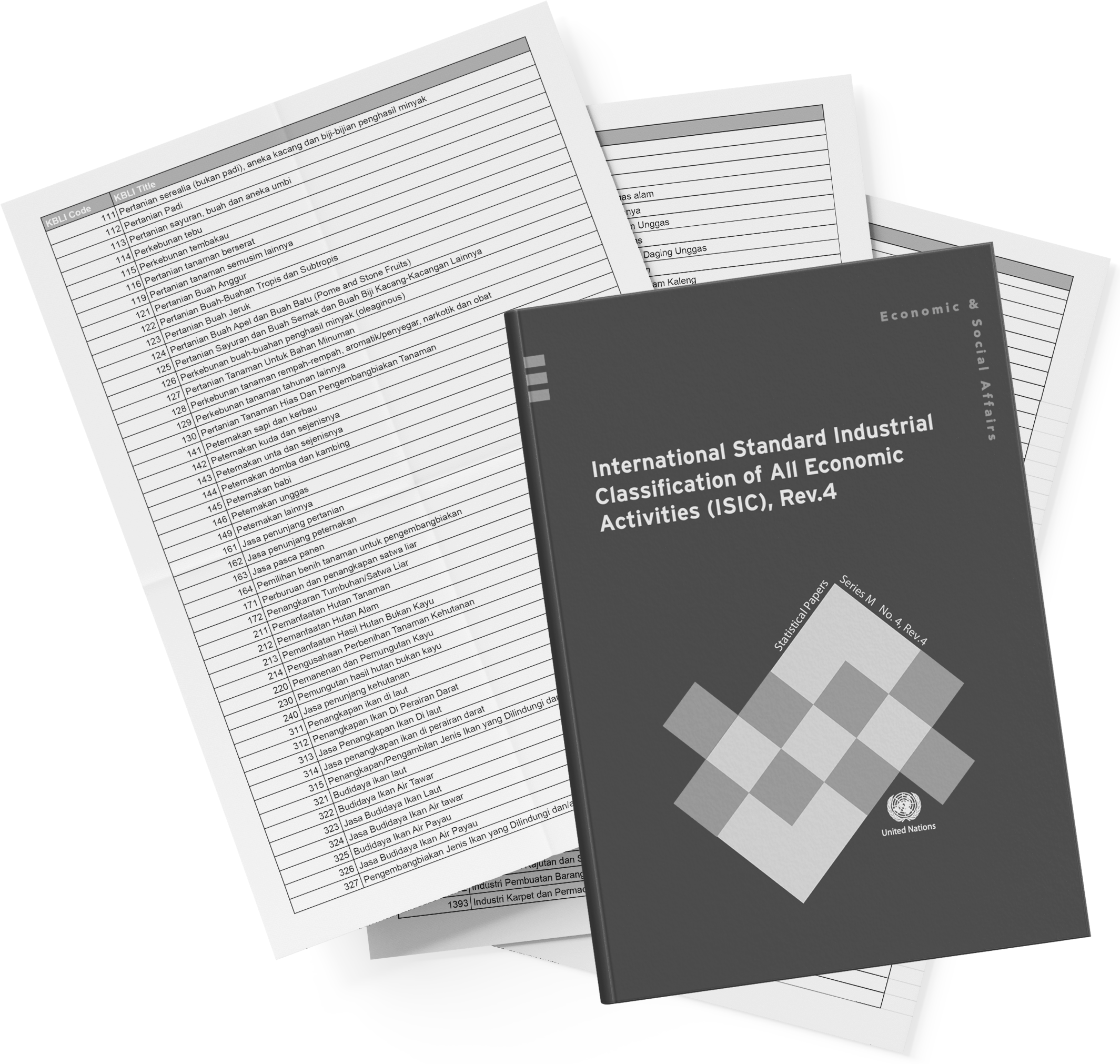
KBLI 2431 covers ferrous foundry operations: melting iron/steel alloys, mold filling, solidification, and initial cleanup, producing semi-finished castings but excluding melting from ore (2410) or extensive machining (2510+).
Scope includes gray/ductile iron and steel castings up to basic heat treatment; coated abrasives or powder metallurgy fall outside.
Indonesia in Focus
Indonesia's archipelago geography creates unique distribution challenges requiring adapted logistics and storage solutions.
High humidity and tropical climate demand specific technical approaches to quality preservation and product integrity.
Industry Classification
Conceptually, industry activities sit under specific regulatory frameworks with classification by operational scale and service model.
Operators may be classified by activity type, by service delivery model, and by end-use applications.
KBLI: 2431: Iron and Steel Casting Industry in Indonesia
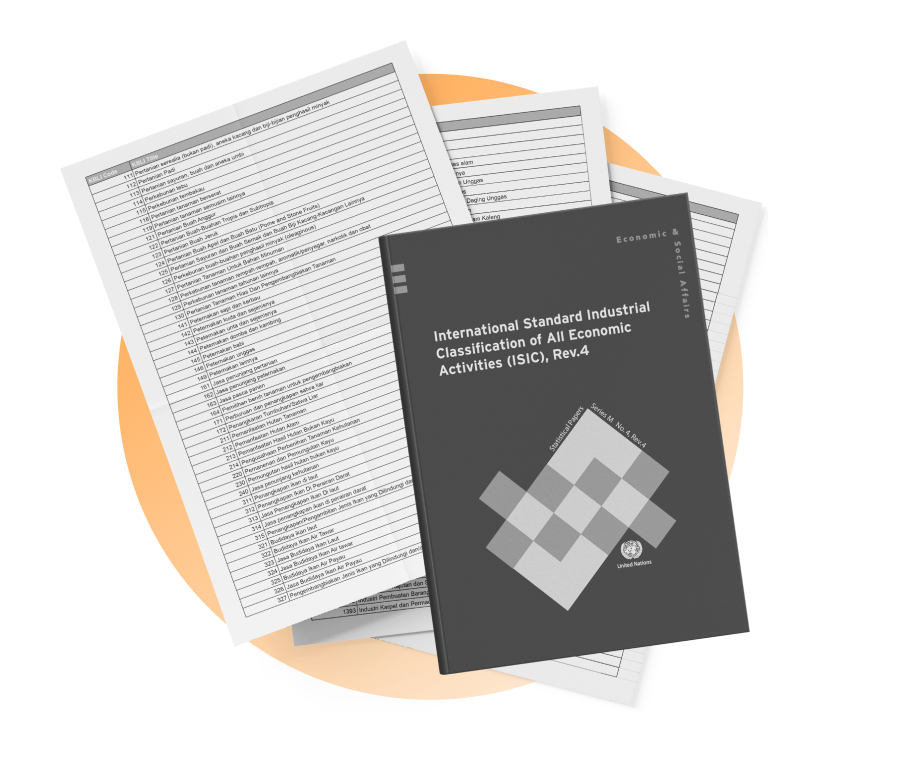
ISIC: Reference: International Standard Industrial Classification
NAICS: Comparable: North American Industry Classification System
Industry Terms
Key terminology for understanding the Iron and Steel Casting Industry in Indonesia industry.
Sand Casting
Pouring molten metal into sand molds formed around disposable patterns, then breaking mold post-solidification.

Dominates Indonesia's low-med volume needs for cost (Rp 20-50k/kg) and shape flexibility, using local silica sand but generating waste sand disposal challenges.
Fettling
Removing risers, gates, and surface defects via grinding, chipping, or shot blasting after shakeout.
Labor-intensive step ensuring dimensional accuracy; poor execution rejects 10-20% of lots, critical for SNI-compliant infra parts.
Melting Furnace
Cupola, induction, or EAF vessels heating scrap to 1400-1600C for alloying and degassing.
Choice dictates energy efficiency and emissions; induction preferred in urban Java for cleaner ops amid KLHK monitoring.
Industry Overview โ Business Types
Different business models operate within the Iron and Steel Casting Industry in Indonesia industry.
Jobbing Foundry
One-off or small runs using customer patterns, full manual process from melt to inspect.
High customization for prototypes, but 2-3x unit costs vs production scale.
Standard industry practices apply.
Semi-Automated Production Foundry
Repeat orders on molding lines with match plates, automated pouring and conveyor shakeout.
Balances volume pricing with flexibility for OEM variants like auto brackets.
Standard industry practices apply.
Integrated Captive Foundry
Dedicated to parent firm, linked to CNC machining and assembly for end-to-end control.
Internal transfer pricing stabilizes revenue amid market swings.
Standard industry practices apply.
Industry Performance & Outlook
Performance outlook for Iron and Steel Casting Industry in Indonesia
Capacity utilization swings 60-90% with public tenders, margins squeezed by scrap volatility but buoyed by localization mandates.
Positive trajectory from IKN buildout and manufacturing PMI upticks, targeting 5-7% CAGR through 2030 via infra and exports.
Key performance indicators
Market growth
Industry expansion rate
Driven by domestic demand
Operational efficiency
Cost management
Key competitive factor
Outlook: what to watch
Monitor regulatory changes
Track infrastructure developments
Watch for technology adoption
Industry Growth Drivers
Key factors driving growth in Iron and Steel Casting Industry in Indonesia.
Growth Driver 1
Domestic consumption growth driven by expanding middle class and rising disposable incomes
Monitor industry reports and market data for trends.
Growth Driver 2
Infrastructure development reducing logistics costs and improving market access
Monitor industry reports and market data for trends.
Growth Driver 3
Government policy support including investment incentives and industrial development programs
Monitor industry reports and market data for trends.
Growth Driver 4
Technology adoption improving productivity and enabling new business models
Monitor industry reports and market data for trends.
Growth Driver 5
Regional economic integration expanding market access and supply chain opportunities
Monitor industry reports and market data for trends.
Growth Driver 6
Urbanization creating concentrated demand centers and distribution efficiencies
Monitor industry reports and market data for trends.
Industry Trends & Development
Industry Development
Evolution of Iron and Steel Casting Industry in Indonesia
Evolution from backyard cupolas to induction melters in estates, driven by scale needs and emission norms.
Steel overtakes iron share as high-strength apps proliferate in EVs and heavy lifts.
Key Trends
Major trends shaping the Iron and Steel Casting Industry in Indonesia industry.
Digitalization and technology adoption
Industry trend shaping market dynamics.
Operators
Investors
Policymakers
Regulatory developments
Industry trend shaping market dynamics.
Operators
Investors
Policymakers
Impact and Sustainability
Sustainability and impact considerations for the casting of iron and steel industry.
Economic Impact
Contribution to national economic development.
Balancing growth with sustainability.
Environmental Considerations
Industry practices and environmental impact.
Operational costs vs sustainability.
Industry Segmentation
Industry Segmentation โ Product/Service A
Primary market segments based on service type.
Segmentation by offering
Primary Segment
Core offerings
Main market
Addresses primary demand
Secondary Segment
Supporting services
Niche markets
Specialized needs
Segments may overlap based on customer needs.
Industry Segmentation โ Product/Service B
Alternative segmentation perspectives.
Segmentation by characteristics
Mass Market
Broad appeal
General consumers
Volume-driven
Premium
High-value offerings
Discerning buyers
Quality-focused
Segment boundaries are fluid.
Customer Segmentation
Different customer segments and their characteristics.
Customer segments and what they value
B2B customers
Various
Multiple needs
Different channels
B2C consumers
Various
Multiple needs
Different channels
Key Players
Ecosystem Mapping
Iron and Steel Casting Industry in Indonesia ecosystem includes various stakeholders.
Suppliers
Provide inputs and raw materials.
Primary producers
Input suppliers
Operators
Core industry participants.
Main industry operators
Service providers
Distribution
Channel to end customers.
Distributors
Retailers
How value flows across the ecosystem
Value is created through coordinated activities across the ecosystem.
Leading Players
Competitive landscape and key player archetypes.
Competitive archetypes
Market Leader
Dominant position
Scale, brand recognition
Market saturation
Specialist
Niche focus
Expertise, agility
Limited scale
How competition typically plays out
Competition is shaped by scale advantages, operational efficiency, and customer relationships.
Differentiation strategies vary by segment, with some players competing on price and others on service quality.
Operating Conditions
Operating Model & Cost Structure
Operating models in Iron and Steel Casting Industry in Indonesia vary by business type.
Direct costs
Primary operational expenses
Input costs
Labor
Utilities
Major cost component
Overhead
Indirect operational costs
Administration
Facilities
Marketing
Scale-dependent
Cost structure summary
Direct costs
Volume and input prices
Operations
Efficiency improvements
Overhead
Scale and complexity
Administration
Process optimization
Cost structure varies by business model and scale.
Regulation & Compliance Considerations
Regulatory framework and compliance requirements.
Common compliance topics
Business licensing
Operating permits
Legal operation
Maintain valid licenses
Quality standards
Product/service requirements
Market access
Quality control systems
Stay current with regulatory changes.
FAQs & Sources
FAQs
What is Iron and Steel Casting Industry in Indonesia?
Iron and Steel Casting Industry in Indonesia encompasses various business activities in the Indonesian market.
Sources & Notes
This report is a synthesized overview based on industry analysis and desk research.
BPS (Statistics Indonesia)
Official statistics and industry data.
Ministry of Industry regulations
Regulatory framework and compliance requirements.
This report is for informational purposes and should not be treated as legal, regulatory, or investment advice.