Household Non-Electric Heating and Cooking Equipment Manufacturing Industry in Indonesia
A practical guide to Household Non-Electric Heating and Cooking Equipment Manufacturing Industry in Indonesia—market dynamics, operational realities, and strategic considerations in Indonesia
The Household Non-Electric Heating and Cooking Equipment Manufacturing Industry in Indonesia manufactures stoves and appliances for household cooking and heating that operate on LPG gas, kerosene, biogas, or solid fuels like wood and charcoal, bypassing electricity dependency. Key products include compact 2-3 burner gas stoves prevalent in urban homes, portable kerosene stoves for transitional rural use, biogas digester-linked stoves for sustainable off-grid cooking, along with grills, non-electric water heaters via gas, food warmers, and traditional room heaters like braziers. Production processes emphasize durable sheet metal fabrication, vitreous enamel coating for corrosion resistance in humid climates, precision burner assembly for even flames, and mandatory safety testing for gas leaks and pressure stability, ensuring appliances meet SNI standards while minimizing explosion risks common in dense settlements.
Clear industry definition and scope of activities
Operational realities across Indonesia's regions
Market segmentation and customer analysis
Ecosystem mapping and competitive dynamics
Cost structure and unit economics
Regulatory and compliance considerations
Executive Summary
The Household Non-Electric Heating and Cooking Equipment Manufacturing Industry in Indonesia manufactures stoves and appliances for household cooking and heating that operate on LPG gas, kerosene, biogas, or solid fuels like wood and charcoal, bypassing electricity dependency. Key products include compact 2-3 burner gas stoves prevalent in urban homes, portable kerosene stoves for transitional rural use, biogas digester-linked stoves for sustainable off-grid cooking, along with grills, non-electric water heaters via gas, food warmers, and traditional room heaters like braziers.
Production processes emphasize durable sheet metal fabrication, vitreous enamel coating for corrosion resistance in humid climates, precision burner assembly for even flames, and mandatory safety testing for gas leaks and pressure stability, ensuring appliances meet SNI standards while minimizing explosion risks common in dense settlements.
LPG gas stoves form 80%+ of output, tied to national fuel subsidy chains that dictate canister compatibility and low-price positioning.
Kerosene stoves linger in Papua and Maluku due to logistics premiums on LPG delivery, offering a bridge until full conversion.
Biogas stoves gain traction via rural ministry programs, requiring anaerobic digester integration for zero-fuel-cost cooking.
Safety compliance drives costs up 20-30%, as flame-failure devices prevent gas buildup in poorly ventilated warungs and kampungs.
Seasonal peaks before Ramadan strain capacity, forcing stockpiling and just-in-time steel sourcing from Cilegon mills.
Why this industry matters in Indonesia
Supports Indonesia's economic growth and development objectives.
Creates employment opportunities across diverse skill levels.
Critical for service delivery and value chain integration.
Enables Indonesia's competitiveness in regional and global markets.
So what: Practical implications
Operators: Focus on quality consistency and process standardization
Buyers: Evaluate supplier capabilities beyond pricing
Investors: Look for operational efficiency and scalability
Policymakers: Support infrastructure development
Indonesia at a Glance
Republic of Indonesia: Large and fragmented market
Indonesia's household cooking market hinges on non-electric appliances amid 270 million population's rice-centric diets, with LPG stoves as staple in 90% urban homes per Pertamina data; production clusters in Sidoarjo and Tangerang factories churning affordable models under Rp500,000 retail.
Imports from China dominate burners and components, but local assembly qualifies for TKDN incentives, balancing cost with 40% domestic value-add mandates for government procurement.
Market dynamics continue to evolve with changing economic conditions.
Hyperlocalization is key to navigate Indonesia's market
Urban Java markets favor tempered-glass top gas stoves for modern aesthetics and easy cleaning, integrated with hoods in apartment kitchens.
Rural Sumatra and Sulawesi prefer stamped-steel traditional stoves compatible with wood/charcoal inserts, durable against rough handling and multi-fuel switching.
Opportunities extend beyond cities
Eastern Indonesia's remote desas rely on lightweight kerosene-biogas hybrids, portable for nomadic farming households with erratic fuel supply.
Plantation worker camps in Kalimantan use bulk grills and warmers for communal cooking, prioritizing high-BTU burners over finesse.
Growing middle class driving premiumization trends across product categories and services
Digital adoption accelerating with mobile-first consumer behavior creating new channel opportunities
Infrastructure investment improving connectivity and reducing logistics costs across the archipelago
Government initiatives supporting domestic industry development and foreign investment attraction
Regional economic integration through ASEAN creating expanded market access and trade opportunities
Sustainability and ESG considerations creating differentiation opportunities for responsible businesses
Distribution realities: logistics, infrastructure, and channel reach
Products flow from Java hubs via Pelni ships and Lion Air cargo to outer islands, with 20-30% markup from factory gate to pasar tradisional stalls.
Hypermarkets like ACE and Informa handle premium branded lines, while e-commerce via Shopee accelerates urban penetration but struggles with rural last-mile via agents.
Establish robust distribution partnerships covering both modern trade and traditional channels
Invest in localized supply chain capabilities to navigate logistics complexities and reduce costs
Develop region-specific market entry strategies accounting for local competitive dynamics
Build flexibility into operations to adapt to regulatory changes and infrastructure variations
Industry Definition
What is Household Non-Electric Heating and Cooking Equipment Manufacturing Industry in Indonesia?
Industry Definition
KBLI 2753 precisely covers manufacturing of household-scale non-electric heating/cooking gear: gas stoves (single/dual/multi-burner), kerosene lamps/stoves, biogas converters, grills/panggangan, gas water heaters, food/plate warmers, and braziers/tungku—excluding any electric ignition, heating elements, or industrial scales.
Boundaries exclude electric stoves (2752), large ovens (2751), or commercial kitchenware (2754); focuses on flame-based household tools, with subcodes delineating fuel types to track policy-driven shifts like kerosene bans.
Indonesia in Focus
Indonesia's tropical climate with high humidity and temperature extremes places unique demands on household equipment, requiring manufacturers to design products with enhanced corrosion resistance, efficient cooling capabilities, and robust moisture protection.
The archipelagic geography creates distribution challenges for bulky household appliances, with manufacturers needing to optimize packaging for inter-island shipping and establish service networks capable of reaching remote islands where repair access is limited.
Industry Classification
Household equipment manufacturers are classified by product category: cooking appliances (gas and electric stoves, cookers), cleaning equipment (vacuums, washing machines), and climate control devices (fans, air conditioners, water heaters).
Secondary classification distinguishes between mass-market producers targeting price-sensitive consumers with basic functionality, and premium manufacturers offering advanced features, energy efficiency, and smart home integration for higher-income segments.
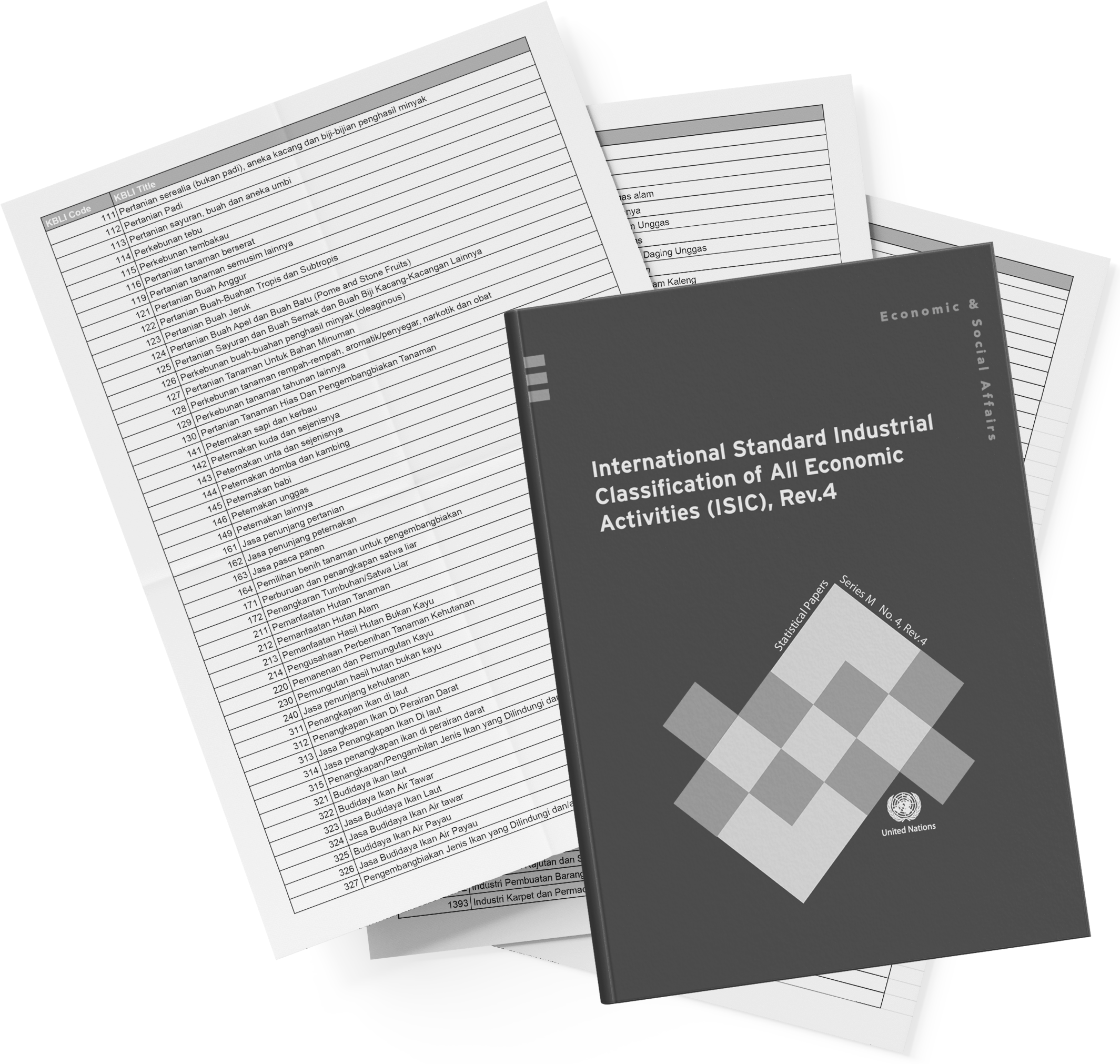
KBLI: 2753: Household Non-Electric Heating and Cooking Equipment Manufacturing Industry in Indonesia
ISIC: Reference: International Standard Industrial Classification
NAICS: Comparable: North American Industry Classification System
Industry Terms
Key terminology for understanding the Household Non-Electric Heating and Cooking Equipment Manufacturing Industry in Indonesia industry.
Flame Failure Device (FFD)
Safety valve that cuts gas flow if flame extinguishes, using thermocouple to detect heat absence.
Prevents lethal leaks in Indonesia's humid, gusty kitchens; mandatory SNI certification boosts premium pricing by 15% while reducing liability.
TKDN (Tingkat Komponen Dalam Negeri)
Local content requirement measuring domestic parts percentage in final product.
Unlocks government contracts and subsidies; assemblers hit 40% via Indonesian steel/enamel, trading import costs for policy access.
High-Pressure Burner
Burner designed for 2.8kg LPG cylinders, delivering stable blue flame under variable pressure.
Essential for 3kg canister ubiquity; differentiates reliable brands in volatile supply chains prone to underfilled tubes.
Industry Overview – Business Types
Different business models operate within the Household Non-Electric Heating and Cooking Equipment Manufacturing Industry in Indonesia industry.
Branded Gas Stove OEM
High-volume assembly lines stamp steel bodies, import precision burners from China, enamel-coat, test, and brand for retail chains.
SNI-certified safety features and 1-year warranties capture urban hypermarkets.
Standard industry practices apply.
Traditional Fuel Workshop
Artisanal welding of mild steel into portable stoves, customized for wood/charcoal grates, sold direct to rural pasar.
Multi-fuel flexibility suits fuel-scarce islands, low overhead enables 20% margins.
Standard industry practices apply.
Biogas System Integrator
Pairs stove burners with household digesters, installs in rural programs, services via village agents.
Government grants subsidize installs, creating recurring maintenance revenue.
Standard industry practices apply.
Industry Performance & Outlook
Performance outlook for Household Non-Electric Heating and Cooking Equipment Manufacturing Industry in Indonesia
Sector grows 5-7% annually tracking LPG household penetration, but margins squeeze from steel inflation and Chinese imports; Java factories operate at 70% capacity utilization.
Outlook brightens with biogas mandates and export potential to ASEAN, offset by electrification eroding kerosene demand.
Key performance indicators
Market growth
Industry expansion rate
Driven by domestic demand
Operational efficiency
Cost management
Key competitive factor
Outlook: what to watch
Monitor regulatory changes
Track infrastructure developments
Watch for technology adoption
Industry Growth Drivers
Key factors driving growth in Household Non-Electric Heating and Cooking Equipment Manufacturing Industry in Indonesia.
Growth Driver 1
Domestic consumption growth driven by expanding middle class and rising disposable incomes
Monitor industry reports and market data for trends.
Growth Driver 2
Infrastructure development reducing logistics costs and improving market access
Monitor industry reports and market data for trends.
Growth Driver 3
Government policy support including investment incentives and industrial development programs
Monitor industry reports and market data for trends.
Growth Driver 4
Technology adoption improving productivity and enabling new business models
Monitor industry reports and market data for trends.
Growth Driver 5
Regional economic integration expanding market access and supply chain opportunities
Monitor industry reports and market data for trends.
Growth Driver 6
Urbanization creating concentrated demand centers and distribution efficiencies
Monitor industry reports and market data for trends.
Industry Trends & Development
Industry Development
Evolution of Household Non-Electric Heating and Cooking Equipment Manufacturing Industry in Indonesia
From rudimentary kerosene tins to regulated gas factories post-2007 conversion, maturing via SNI enforcement and scale-up in Sidoarjo clusters.
Shift to modular burners enables quick fuel swaps, adapting to policy pivots like biogas subsidies.
Key Trends
Major trends shaping the Household Non-Electric Heating and Cooking Equipment Manufacturing Industry in Indonesia industry.
Digitalization and technology adoption
Industry trend shaping market dynamics.
Operators
Investors
Policymakers
Regulatory developments
Industry trend shaping market dynamics.
Operators
Investors
Policymakers
Impact and Sustainability
Sustainability and impact considerations for the household non-electric heating and cooking equipment industry industry.
Economic Impact
Contribution to national economic development.
Balancing growth with sustainability.
Environmental Considerations
Industry practices and environmental impact.
Operational costs vs sustainability.
Industry Segmentation
Industry Segmentation – Product/Service A
Primary market segments based on service type.
Segmentation by offering
Primary Segment
Core offerings
Main market
Addresses primary demand
Secondary Segment
Supporting services
Niche markets
Specialized needs
Segments may overlap based on customer needs.
Industry Segmentation – Product/Service B
Alternative segmentation perspectives.
Segmentation by characteristics
Mass Market
Broad appeal
General consumers
Volume-driven
Premium
High-value offerings
Discerning buyers
Quality-focused
Segment boundaries are fluid.
Customer Segmentation
Different customer segments and their characteristics.
Customer segments and what they value
B2B customers
Various
Multiple needs
Different channels
B2C consumers
Various
Multiple needs
Different channels
Key Players
Ecosystem Mapping
Household Non-Electric Heating and Cooking Equipment Manufacturing Industry in Indonesia ecosystem includes various stakeholders.
Suppliers
Provide inputs and raw materials.
Primary producers
Input suppliers
Operators
Core industry participants.
Main industry operators
Service providers
Distribution
Channel to end customers.
Distributors
Retailers
How value flows across the ecosystem
Value is created through coordinated activities across the ecosystem.
Leading Players
Competitive landscape and key player archetypes.
Competitive archetypes
Market Leader
Dominant position
Scale, brand recognition
Market saturation
Specialist
Niche focus
Expertise, agility
Limited scale
How competition typically plays out
Competition is shaped by scale advantages, operational efficiency, and customer relationships.
Differentiation strategies vary by segment, with some players competing on price and others on service quality.
Operating Conditions
Operating Model & Cost Structure
Operating models in Household Non-Electric Heating and Cooking Equipment Manufacturing Industry in Indonesia vary by business type.
Direct costs
Primary operational expenses
Input costs
Labor
Utilities
Major cost component
Overhead
Indirect operational costs
Administration
Facilities
Marketing
Scale-dependent
Cost structure summary
Direct costs
Volume and input prices
Operations
Efficiency improvements
Overhead
Scale and complexity
Administration
Process optimization
Cost structure varies by business model and scale.
Regulation & Compliance Considerations
Regulatory framework and compliance requirements.
Common compliance topics
Business licensing
Operating permits
Legal operation
Maintain valid licenses
Quality standards
Product/service requirements
Market access
Quality control systems
Stay current with regulatory changes.
FAQs & Sources
FAQs
What is Household Non-Electric Heating and Cooking Equipment Manufacturing Industry in Indonesia?
Household Non-Electric Heating and Cooking Equipment Manufacturing Industry in Indonesia encompasses various business activities in the Indonesian market.
Sources & Notes
This report is a synthesized overview based on industry analysis and desk research.
BPS (Statistics Indonesia)
Official statistics and industry data.
Ministry of Industry regulations
Regulatory framework and compliance requirements.
This report is for informational purposes and should not be treated as legal, regulatory, or investment advice.