Freight Rail Transport Industry in Indonesia
A practical guide to Freight Rail Transport Industry in Indonesiaโmarket dynamics, operational realities, and strategic considerations in Indonesia
Freight rail transport moves goods like coal, cement, containers, and hazardous materials via long-distance main lines or short dedicated spurs. It provides high-capacity, low-cost-per-ton bulk haulage, integrating with trucks and ports for end-to-end logistics.
Clear industry definition and scope of activities
Operational realities across Indonesia's regions
Market segmentation and customer analysis
Ecosystem mapping and competitive dynamics
Cost structure and unit economics
Regulatory and compliance considerations
Executive Summary
Freight rail transport moves goods like coal, cement, containers, and hazardous materials via long-distance main lines or short dedicated spurs.
It provides high-capacity, low-cost-per-ton bulk haulage, integrating with trucks and ports for end-to-end logistics.
Coal dominates volumes, accounting for over 70% of freight, linking mines to export ports.
Infrastructure bottlenecks on Java limit growth, with double-tracking and new locomotives addressing capacity.
Government targets 10%+ annual volume growth via national logistics blueprint.
Intermodal integration via KAI Logistik enables door-to-door service.
Sustainability edge over trucks drives policy support amid rising fuel costs.
Why this industry matters in Indonesia
This industry contributes to economic development and employment generation.

Quality products and services meet growing consumer and business needs.
Local production reduces import dependency and supports domestic value chains.
So what: Practical implications
Maintain high quality and service standards.
Ensure regulatory compliance and certifications.
Invest in workforce development and technology.
Build strong relationships with customers and suppliers.
Indonesia at a Glance
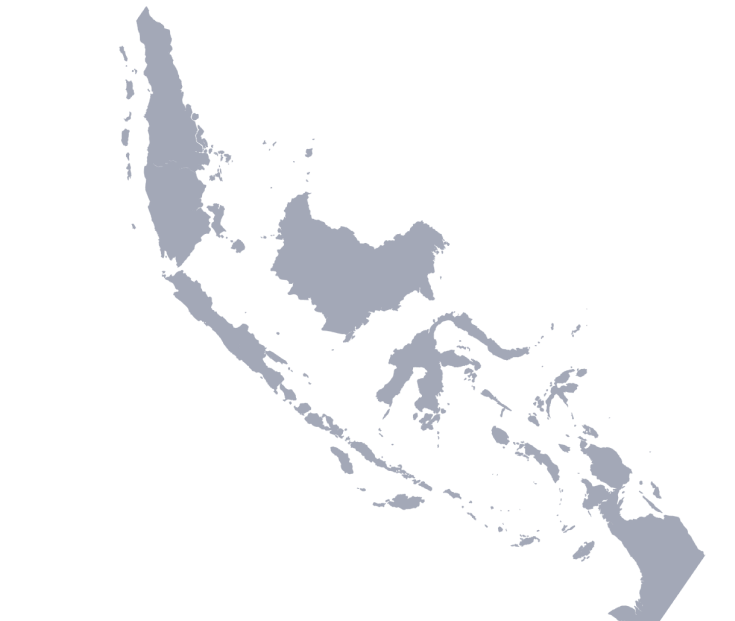
Republic of Indonesia: Large and fragmented market
Volumes exceeded 70 million tons in 2024, growing 9% year-on-year, led by coal from Kalimantan and Sumatra.
Java handles 80% of traffic; Sumatra lines ramping up for palm oil and minerals.
Market dynamics continue to evolve with changing economic conditions.
Hyperlocalization is key to navigate Indonesia's market
Java's dense network supports cement distribution from factories in Tuban to Jakarta markets.
Sumatra's Medan-Tebing Tinggi line shuttles coal and fertilizer amid regional mining booms.
Opportunities extend beyond cities
Serves remote mine sites in South Sumatra and East Kalimantan via spur lines to ports.
Limited penetration in outer islands due to nascent infrastructure investments.
Local dairy farming development programs reducing import dependency
Functional dairy products (probiotics, high-protein) commanding premium pricing
Cold chain infrastructure expansion enabling fresh product reach to tier-2 cities
Cafe and F&B sector growth driving bulk milk and cream demand
School milk program (Susu Murni Nasional) providing institutional volume stability
Aseptic packaging investments allowing ambient distribution without refrigeration
Distribution realities: logistics, infrastructure, and channel reach
Trucks handle last-mile from railheads; ports like Tanjung Priok integrate container trains.
KAI Logistik coordinates multi-modal chains, reducing reliance on congested highways.
Establish robust distribution partnerships covering both modern trade and traditional channels
Invest in localized supply chain capabilities to navigate logistics complexities and reduce costs
Develop region-specific market entry strategies accounting for local competitive dynamics
Build flexibility into operations to adapt to regulatory changes and infrastructure variations
Industry Definition
What is Freight Rail Transport Industry in Indonesia?
Industry Definition
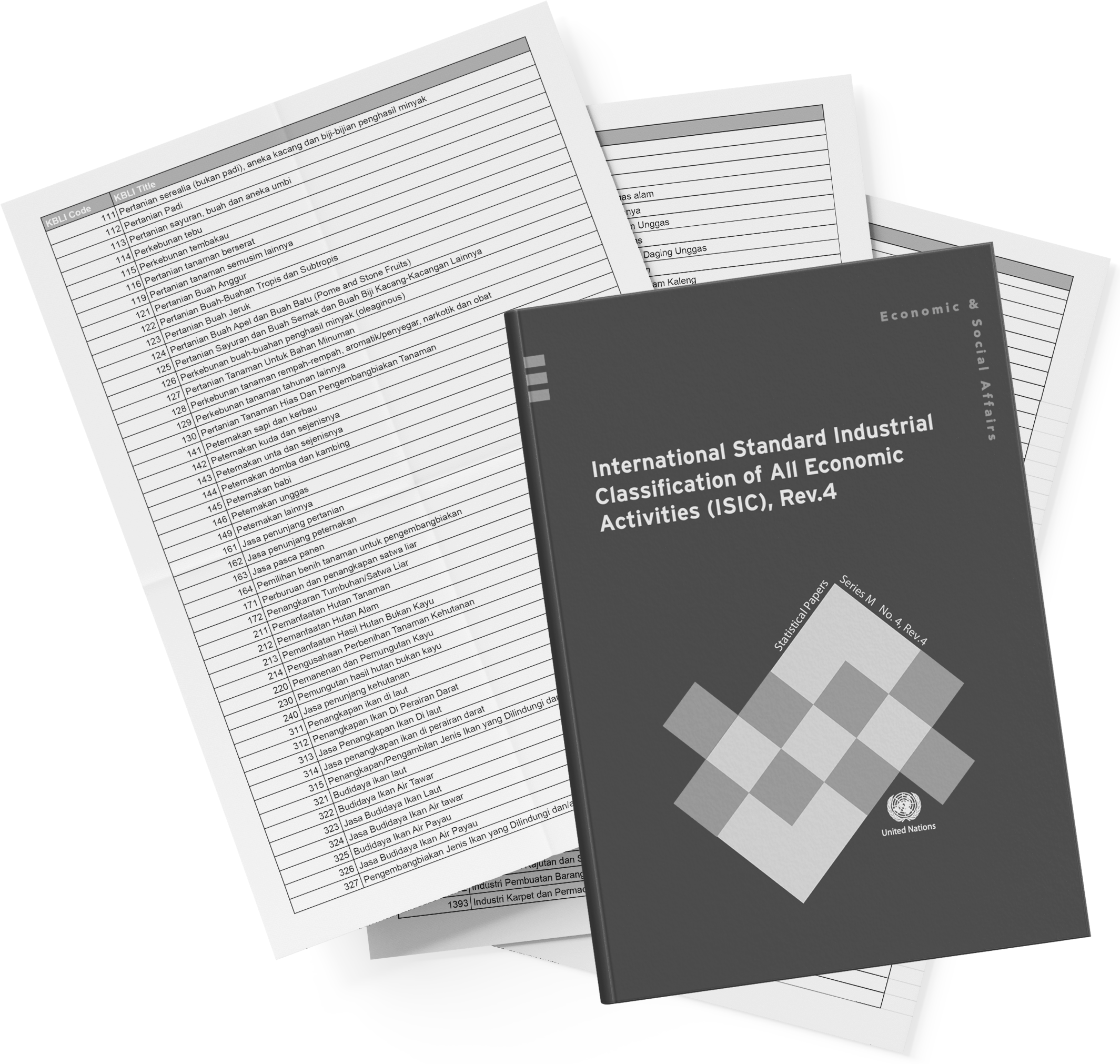
KBLI 4912 covers rail transport of non-passenger goods on public or private tracks, excluding pipelines and urban shuttles.
Includes loading/unloading but excludes warehousing; boundaries align with track ownership by KAI or concessions.
Indonesia in Focus
Indonesia's large population and growing economy create substantial market opportunities.
Archipelagic geography presents unique distribution and logistics challenges.
Industry Classification
Primary classification: Based on core business activity
Secondary classification: Related supporting activities
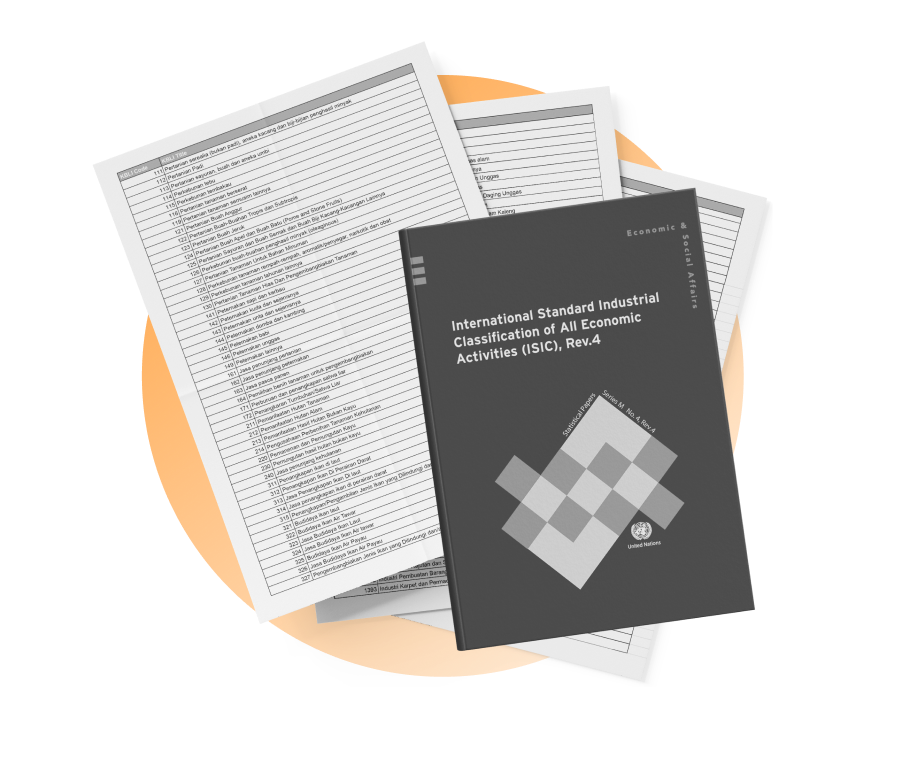
KBLI: 4912: Freight Rail Transport Industry in Indonesia
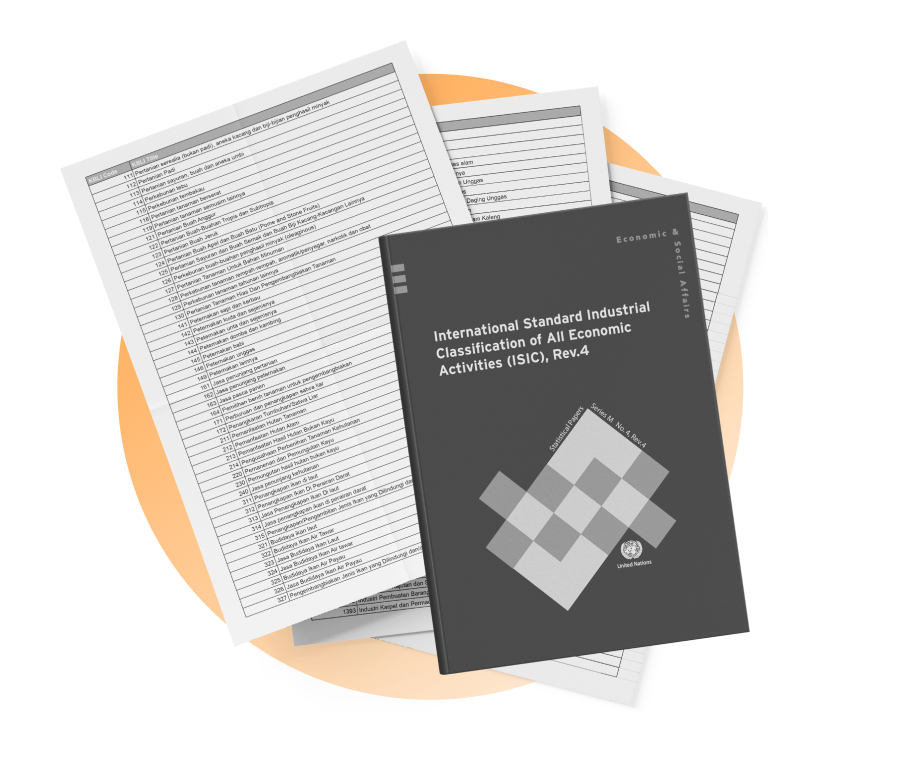
ISIC: Reference: International Standard Industrial Classification
NAICS: Comparable: North American Industry Classification System
Industry Terms
Key terminology for understanding the Freight Rail Transport Industry in Indonesia industry.
Bulk Cargo
Unpackaged commodities like coal or ore loaded in open wagons.
Enables lowest cost per ton-km for high-volume minerals, core to Indonesia's export economy.
Intermodal Container
Standard 20/40ft boxes transferred between rail, truck, and ship.
Facilitates efficient manufactured goods flow, competing with trucking on Java corridors.
Dedicated Freight Corridor
Track reserved for goods trains, avoiding passenger conflicts.
Boosts reliability and speed, critical for time-sensitive exports like fertilizer.
Industry Overview โ Business Types
Different business models operate within the Freight Rail Transport Industry in Indonesia industry.
Bulk Hauler
Long trains of hopper wagons from mines to ports on scheduled runs.
Economies of scale for 50,000+ ton monthly contracts.
Standard industry practices apply.
Container Operator
Double-stack trains linking ICDs to seaports with crane handling.
Faster transit times for importers via Tanjung Priok integration.

Standard industry practices apply.
Logistics Integrator
End-to-end service bundling rail with trucking and customs.
Door-to-door reliability via KAI Logistik model.
Standard industry practices apply.
Industry Performance & Outlook
Performance outlook for Freight Rail Transport Industry in Indonesia
2024 volumes hit 73 million tons, up 9% on new locomotives and Sumatra lines.
Outlook strong with Rp100 trillion infra spend targeting 100 million tons by 2030.
Key performance indicators
Market growth
Industry expansion rate
Driven by domestic demand
Operational efficiency
Cost management
Key competitive factor
Outlook: what to watch
Monitor regulatory changes
Track infrastructure developments
Watch for technology adoption
Industry Growth Drivers
Key factors driving growth in Freight Rail Transport Industry in Indonesia.
Growth Driver 1
Domestic consumption growth driven by expanding middle class and rising disposable incomes
Monitor industry reports and market data for trends.
Growth Driver 2
Infrastructure development reducing logistics costs and improving market access
Monitor industry reports and market data for trends.
Growth Driver 3
Government policy support including investment incentives and industrial development programs
Monitor industry reports and market data for trends.
Growth Driver 4
Technology adoption improving productivity and enabling new business models
Monitor industry reports and market data for trends.
Growth Driver 5
Regional economic integration expanding market access and supply chain opportunities
Monitor industry reports and market data for trends.
Growth Driver 6
Urbanization creating concentrated demand centers and distribution efficiencies
Monitor industry reports and market data for trends.
Industry Trends & Development
Industry Development
Evolution of Freight Rail Transport Industry in Indonesia
From Dutch-era Java lines to post-2000s expansions, freight shifted from 20M tons in 2010 to 70M+ today via privatization pushes.
Sumatra network grew 50% since 2020, enabling palm oil and coal hauls.
Key Trends
Major trends shaping the Freight Rail Transport Industry in Indonesia industry.
Digitalization and technology adoption
Industry trend shaping market dynamics.
Operators
Investors
Policymakers
Regulatory developments
Industry trend shaping market dynamics.
Operators
Investors
Policymakers
Impact and Sustainability
Sustainability and impact considerations for the freight rail transport industry.
Economic Impact
Contribution to national economic development.
Balancing growth with sustainability.
Environmental Considerations
Industry practices and environmental impact.
Operational costs vs sustainability.
Industry Segmentation
Industry Segmentation โ Product/Service A
Primary market segments based on service type.
Segmentation by offering
Primary Segment
Core offerings
Main market
Addresses primary demand
Secondary Segment
Supporting services
Niche markets
Specialized needs
Segments may overlap based on customer needs.
Industry Segmentation โ Product/Service B
Alternative segmentation perspectives.
Segmentation by characteristics
Mass Market
Broad appeal
General consumers
Volume-driven
Premium
High-value offerings
Discerning buyers
Quality-focused
Segment boundaries are fluid.
Customer Segmentation
Different customer segments and their characteristics.
Customer segments and what they value
B2B customers
Various
Multiple needs
Different channels
B2C consumers
Various
Multiple needs
Different channels
Key Players
Ecosystem Mapping
Freight Rail Transport Industry in Indonesia ecosystem includes various stakeholders.
Suppliers
Provide inputs and raw materials.
Primary producers
Input suppliers
Operators
Core industry participants.
Main industry operators
Service providers
Distribution
Channel to end customers.
Distributors
Retailers
How value flows across the ecosystem
Value is created through coordinated activities across the ecosystem.
Leading Players
Competitive landscape and key player archetypes.
Competitive archetypes
Market Leader
Dominant position
Scale, brand recognition
Market saturation
Specialist
Niche focus
Expertise, agility
Limited scale
How competition typically plays out
Competition is shaped by scale advantages, operational efficiency, and customer relationships.
Differentiation strategies vary by segment, with some players competing on price and others on service quality.
Operating Conditions
Operating Model & Cost Structure
Operating models in Freight Rail Transport Industry in Indonesia vary by business type.
Direct costs
Primary operational expenses
Input costs
Labor
Utilities
Major cost component
Overhead
Indirect operational costs
Administration
Facilities
Marketing
Scale-dependent
Cost structure summary
Direct costs
Volume and input prices
Operations
Efficiency improvements
Overhead
Scale and complexity
Administration
Process optimization
Cost structure varies by business model and scale.
Regulation & Compliance Considerations
Regulatory framework and compliance requirements.
Common compliance topics
Business licensing
Operating permits
Legal operation
Maintain valid licenses
Quality standards
Product/service requirements
Market access
Quality control systems
Stay current with regulatory changes.
FAQs & Sources
FAQs
What is Freight Rail Transport Industry in Indonesia?
Freight Rail Transport Industry in Indonesia encompasses various business activities in the Indonesian market.
Sources & Notes
This report is a synthesized overview based on industry analysis and desk research.
BPS (Statistics Indonesia)
Official statistics and industry data.
Ministry of Industry regulations
Regulatory framework and compliance requirements.
This report is for informational purposes and should not be treated as legal, regulatory, or investment advice.