Fluid Power Equipment Manufacturing Industry in Indonesia
A practical guide to Fluid Power Equipment Manufacturing Industry in Indonesia—market dynamics, operational realities, and strategic considerations in Indonesia
Manufacture of Fluid Power Equipment produces hydraulic and pneumatic systems that transmit power via pressurized fluids or compressed air, enabling precise control of heavy machinery. Core products include hydraulic pumps converting mechanical energy to fluid pressure, cylinders and motors reversing that to linear or rotary motion, control valves directing flow, and flexible hoses containing it—all tested for leak-proof performance under cyclic loads. Firms perform machining of manifolds, welding of cylinders, assembly of valve blocks, and pressure testing, often customizing standard designs for applications like excavator booms or palm oil hydraulic presses where systems must endure high temperatures, contaminants, and overloads without failure.
Clear industry definition and scope of activities
Operational realities across Indonesia's regions
Market segmentation and customer analysis
Ecosystem mapping and competitive dynamics
Cost structure and unit economics
Regulatory and compliance considerations
Executive Summary
Manufacture of Fluid Power Equipment produces hydraulic and pneumatic systems that transmit power via pressurized fluids or compressed air, enabling precise control of heavy machinery. Core products include hydraulic pumps converting mechanical energy to fluid pressure, cylinders and motors reversing that to linear or rotary motion, control valves directing flow, and flexible hoses containing it—all tested for leak-proof performance under cyclic loads.
Firms perform machining of manifolds, welding of cylinders, assembly of valve blocks, and pressure testing, often customizing standard designs for applications like excavator booms or palm oil hydraulic presses where systems must endure high temperatures, contaminants, and overloads without failure.
Customization drives margins: generic imports suffice for simple uses, but tailored pressures/flows for mining trucks command premiums via faster integration.
TKDN local content rules favor assemblers over pure importers, but require certified suppliers, raising entry barriers for small shops.
Skilled shortages pinch: certified welders and hydraulic technicians cluster in Java, forcing outer-island ops to train or relocate.
Peak demand aligns with dry season mining/construction, idling capacity in rains—stockpiling ties up capital.
Testing regimes ensure reliability: burst tests, cycle fatigue, and contamination resistance prevent field failures costing downtime in remote sites.
Why this industry matters in Indonesia
Supports Indonesia's economic growth and development objectives.
Creates employment opportunities across diverse skill levels.
Critical for service delivery and value chain integration.
Enables Indonesia's competitiveness in regional and global markets.
So what: Practical implications
Operators: Focus on quality consistency and process standardization
Buyers: Evaluate supplier capabilities beyond pricing
Investors: Look for operational efficiency and scalability
Policymakers: Support infrastructure development
Indonesia at a Glance
Republic of Indonesia: Large and fragmented market
Fluid power equipment manufacturing remains niche within Indonesia's machinery sector, with output tied to capex cycles in mining and infrastructure; local assembly fills 40-60% of mid-range needs, supplemented by imports for high-precision items.
Growth mirrors 5%+ manufacturing expansion, boosted by IKN Nusantara projects and EV battery plants needing hydraulic tooling, though volatile commodity prices create boom-bust patterns.
Market dynamics continue to evolve with changing economic conditions.
Hyperlocalization is key to navigate Indonesia's market
Java dominates with 70% capacity in Bekasi-Cikarang for construction OEMs, while Batam specializes in export-oriented pneumatic valves for electronics assembly.
Sumatra outfits palm oil mills with corrosion-resistant hydraulics adapted to acidic effluents, Kalimantan focuses heavy-duty cylinders for overburden removal in open-pit mines.
Opportunities extend beyond cities
Remote ops in Sulawesi nickel hubs fabricate on-site repairs for excavators, minimizing airfreight delays from Java.
Papua's LNG projects demand explosion-proof pneumatics, sourced via ad-hoc assembly to bypass import bottlenecks.
Growing middle class driving premiumization trends across product categories and services
Digital adoption accelerating with mobile-first consumer behavior creating new channel opportunities
Infrastructure investment improving connectivity and reducing logistics costs across the archipelago
Government initiatives supporting domestic industry development and foreign investment attraction
Regional economic integration through ASEAN creating expanded market access and trade opportunities
Sustainability and ESG considerations creating differentiation opportunities for responsible businesses
Distribution realities: logistics, infrastructure, and channel reach
Heavy components travel by RoRo ships inter-island or trucking Java corridors, with 2-4 week lags prompting regional warehousing in Balikpapan and Medan.
OEM bundling with machinery reduces logistics layers, but aftermarket parts face fragmentation via dealer networks prone to counterfeits.
Establish robust distribution partnerships covering both modern trade and traditional channels
Invest in localized supply chain capabilities to navigate logistics complexities and reduce costs
Develop region-specific market entry strategies accounting for local competitive dynamics
Build flexibility into operations to adapt to regulatory changes and infrastructure variations
Industry Definition
What is Fluid Power Equipment Manufacturing Industry in Indonesia?
Industry Definition
KBLI 2812 encompasses manufacture of fluid power components: hydraulic (oil-based incompressible) and pneumatic (air-based compressible) systems for non-electrical power transmission. Boundaries include pumps/motors generating pressure, actuators (cylinders/motors) consuming it, valves controlling direction/volume, and accessories like filters/hoses; excludes electric motors or full machinery assembly.
Activities span design adaptation, precision fabrication (CNC machining bores), welding/assembly, hydrostatic testing, and coating for corrosion—distinct from general metalworking by pressure integrity requirements.
Indonesia in Focus
Indonesia's archipelago geography creates unique distribution challenges requiring adapted logistics and storage solutions.
High humidity and tropical climate demand specific technical approaches to quality preservation and product integrity.
Industry Classification
Conceptually, industry activities sit under specific regulatory frameworks with classification by operational scale and service model.
Operators may be classified by activity type, by service delivery model, and by end-use applications.
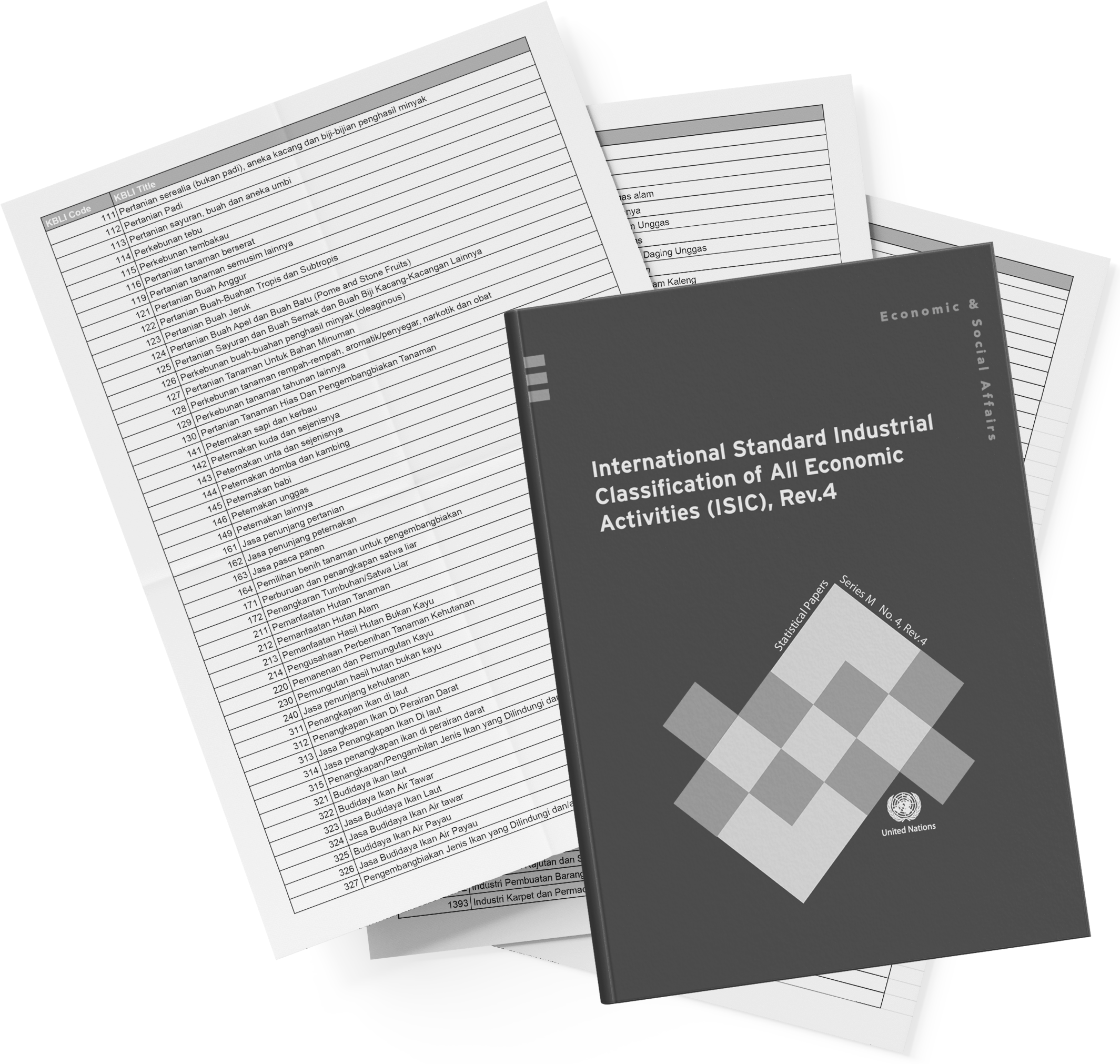
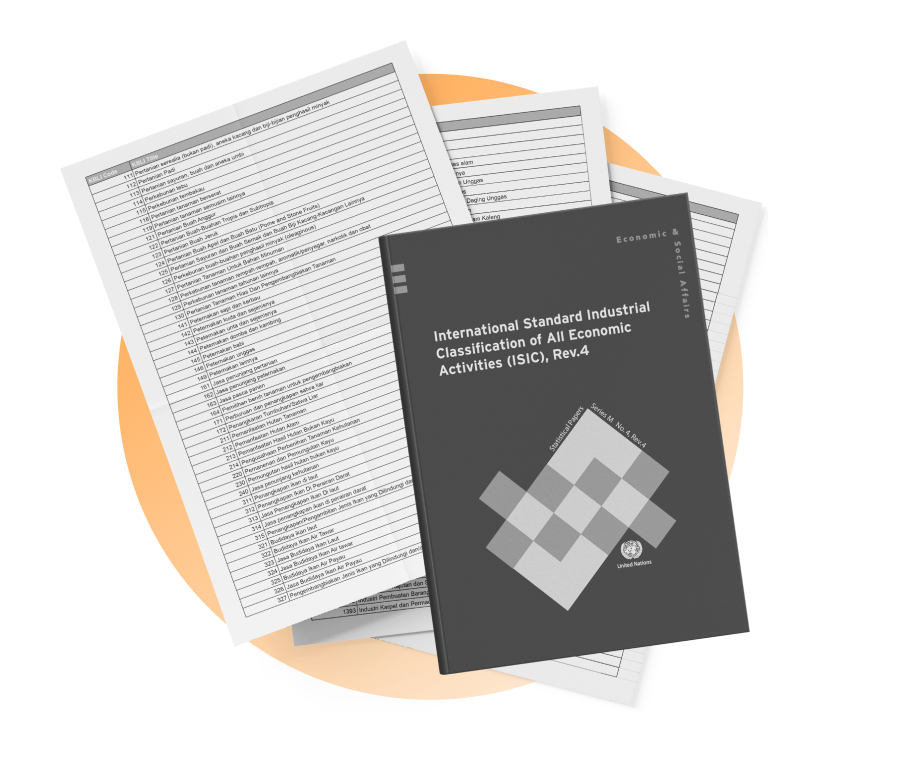
KBLI: 2812: Fluid Power Equipment Manufacturing Industry in Indonesia
ISIC: Reference: International Standard Industrial Classification
NAICS: Comparable: North American Industry Classification System
Industry Terms
Key terminology for understanding the Fluid Power Equipment Manufacturing Industry in Indonesia industry.
Hydraulic Power Unit (HPU)
Integrated assembly of pump, reservoir, valves, and filters delivering pressurized fluid to actuators.
Serves as plug-and-play for machinery retrofits, standardizing interfaces amid custom end-uses in Indonesia's diverse equipment fleet.
Accumulator
Pressure vessel storing hydraulic energy via compressed gas bladder, smoothing flow surges.
Enables compact emergency power in mining breakers, critical where grid outages hit remote sites.
Proportional Valve
Electronically modulated valve varying flow/pressure precisely versus on/off solenoids.
Boosts efficiency in modern excavators, aligning with fuel-saving mandates but requiring skilled calibration scarce locally.
Industry Overview – Business Types
Different business models operate within the Fluid Power Equipment Manufacturing Industry in Indonesia industry.
Component Fabricator
Machine raw billets/tubes into cylinders/valves, weld manifolds, test individually for OEM supply.
In-house metrology for tight tolerances, enabling TKDN credits over pure traders.
Standard industry practices apply.
System Assembler
Integrate imported pumps with local hoses/fittings into HPUs, customize manifolds per spec.
Rapid prototyping via CAD-CAM, shortening lead times for project tenders.
Standard industry practices apply.
Aftermarket Rebuilder
Disassemble used units, hone bores, replace seals, recertify for field service.
Mobile teams for on-site overhauls, capturing 20-30% margins in downtime-sensitive mines.
Standard industry practices apply.
Industry Performance & Outlook
Performance outlook for Fluid Power Equipment Manufacturing Industry in Indonesia
Sector tracks machinery output with 4-6% CAGR through 2026, buoyed by infrastructure but vulnerable to commodity slumps delaying capex.
Outlook positive from nickel/EV supply chains demanding specialized hydraulics, though electrification nibbles at low-pressure pneumatics.
Key performance indicators
Market growth
Industry expansion rate
Driven by domestic demand
Operational efficiency
Cost management
Key competitive factor
Outlook: what to watch
Monitor regulatory changes
Track infrastructure developments
Watch for technology adoption
Industry Growth Drivers
Key factors driving growth in Fluid Power Equipment Manufacturing Industry in Indonesia.
Growth Driver 1
Domestic consumption growth driven by expanding middle class and rising disposable incomes
Monitor industry reports and market data for trends.
Growth Driver 2
Infrastructure development reducing logistics costs and improving market access
Monitor industry reports and market data for trends.
Growth Driver 3
Government policy support including investment incentives and industrial development programs
Monitor industry reports and market data for trends.
Growth Driver 4
Technology adoption improving productivity and enabling new business models
Monitor industry reports and market data for trends.
Growth Driver 5
Regional economic integration expanding market access and supply chain opportunities
Monitor industry reports and market data for trends.
Growth Driver 6
Urbanization creating concentrated demand centers and distribution efficiencies
Monitor industry reports and market data for trends.
Industry Trends & Development
Industry Development
Evolution of Fluid Power Equipment Manufacturing Industry in Indonesia
From import substitution in 2010s via simple hose/cylinder makers to integrated assemblers today, evolution driven by OEM localization.
Shift to electro-hydraulics adds sensors/valves for IoT monitoring, extending service intervals in predictive maintenance.
Key Trends
Major trends shaping the Fluid Power Equipment Manufacturing Industry in Indonesia industry.
Digitalization and technology adoption
Industry trend shaping market dynamics.
Operators
Investors
Policymakers
Regulatory developments
Industry trend shaping market dynamics.
Operators
Investors
Policymakers
Impact and Sustainability
Sustainability and impact considerations for the manufacture of fluid power equipment industry.
Economic Impact
Contribution to national economic development.
Balancing growth with sustainability.
Environmental Considerations
Industry practices and environmental impact.
Operational costs vs sustainability.
Industry Segmentation
Industry Segmentation – Product/Service A
Primary market segments based on service type.
Segmentation by offering
Primary Segment
Core offerings
Main market
Addresses primary demand
Secondary Segment
Supporting services
Niche markets
Specialized needs
Segments may overlap based on customer needs.
Industry Segmentation – Product/Service B
Alternative segmentation perspectives.
Segmentation by characteristics
Mass Market
Broad appeal
General consumers
Volume-driven
Premium
High-value offerings
Discerning buyers
Quality-focused
Segment boundaries are fluid.
Customer Segmentation
Different customer segments and their characteristics.
Customer segments and what they value
B2B customers
Various
Multiple needs
Different channels
B2C consumers
Various
Multiple needs
Different channels
Key Players
Ecosystem Mapping
Fluid Power Equipment Manufacturing Industry in Indonesia ecosystem includes various stakeholders.
Suppliers
Provide inputs and raw materials.
Primary producers
Input suppliers
Operators
Core industry participants.
Main industry operators
Service providers
Distribution
Channel to end customers.
Distributors
Retailers
How value flows across the ecosystem
Value is created through coordinated activities across the ecosystem.
Leading Players
Competitive landscape and key player archetypes.
Competitive archetypes
Market Leader
Dominant position
Scale, brand recognition
Market saturation
Specialist
Niche focus
Expertise, agility
Limited scale
How competition typically plays out
Competition is shaped by scale advantages, operational efficiency, and customer relationships.
Differentiation strategies vary by segment, with some players competing on price and others on service quality.
Operating Conditions
Operating Model & Cost Structure
Operating models in Fluid Power Equipment Manufacturing Industry in Indonesia vary by business type.
Direct costs
Primary operational expenses
Input costs
Labor
Utilities
Major cost component
Overhead
Indirect operational costs
Administration
Facilities
Marketing
Scale-dependent
Cost structure summary
Direct costs
Volume and input prices
Operations
Efficiency improvements
Overhead
Scale and complexity
Administration
Process optimization
Cost structure varies by business model and scale.
Regulation & Compliance Considerations
Regulatory framework and compliance requirements.
Common compliance topics
Business licensing
Operating permits
Legal operation
Maintain valid licenses
Quality standards
Product/service requirements
Market access
Quality control systems
Stay current with regulatory changes.
FAQs & Sources
FAQs
What is Fluid Power Equipment Manufacturing Industry in Indonesia?
Fluid Power Equipment Manufacturing Industry in Indonesia encompasses various business activities in the Indonesian market.
Sources & Notes
This report is a synthesized overview based on industry analysis and desk research.
BPS (Statistics Indonesia)
Official statistics and industry data.
Ministry of Industry regulations
Regulatory framework and compliance requirements.
This report is for informational purposes and should not be treated as legal, regulatory, or investment advice.