Event Catering Services Industry in Indonesia
A practical guide to Event Catering Services Industry in Indonesiaโmarket dynamics, operational realities, and strategic considerations in Indonesia
Event catering provides customized food and beverage services for specific occasions like weddings, corporate meetings, conferences, and social gatherings. Operators handle menu design, procurement, preparation, transportation, on-site setup, and often staffing to ensure seamless execution at client-specified venues.
Clear industry definition and scope of activities
Operational realities across Indonesia's regions
Market segmentation and customer analysis
Ecosystem mapping and competitive dynamics
Cost structure and unit economics
Regulatory and compliance considerations
Executive Summary
Event catering provides customized food and beverage services for specific occasions like weddings, corporate meetings, conferences, and social gatherings.
Operators handle menu design, procurement, preparation, transportation, on-site setup, and often staffing to ensure seamless execution at client-specified venues.
Halal certification is non-negotiable, driving 90%+ of business in Muslim-majority markets.
Seasonal peaks around holidays like Lebaran and wedding seasons strain supply chains.
Bali dominates luxury segment due to international events, while Java focuses on volume corporate catering.
Post-pandemic shift to hybrid events boosts demand for flexible, contactless services.
Food waste and sustainability pressures are rising with eco-conscious clients.
Why this industry matters in Indonesia
Event catering enables social celebrations and business gatherings.
Quality F&B services differentiate venues and event experiences.
Catering provides flexible employment and entrepreneurship opportunities.
So what: Practical implications
Maintain food safety certifications and hygiene protocols.
Develop scalable operations for events of varying sizes.
Create diverse menu options accommodating dietary restrictions.
Build reliable logistics for timely service delivery.
Indonesia at a Glance
Republic of Indonesia: Large and fragmented market
Event catering rides Indonesia's expanding events sector, fueled by middle-class weddings and corporate expansions, with steady recovery post-COVID.
Urban concentration in Greater Jakarta and Bali accounts for majority revenue, but tier-2 cities like Bandung grow via local business events.
Market dynamics continue to evolve with changing economic conditions.
Hyperlocalization is key to navigate Indonesia's market
Menus blend Javanese, Sundanese, or Balinese flavors with international fusion to match regional palates and event themes.
Sourcing prioritizes local spices and proteins, reducing costs but requiring quality checks for consistency across islands.
Opportunities extend beyond cities
In rural Sumatra or Sulawesi, community events rely on mobile kitchens and truck deliveries, facing longer lead times.
Tier-3 markets emphasize affordable, communal-style catering for adat ceremonies, with operators partnering local transporters.
Wedding industry recovery with pent-up demand for large celebrations
Corporate event hybridization requiring tech-integrated catering solutions
Government and state-owned enterprise events representing stable institutional demand
Destination weddings in Bali and Lombok driving high-value catering contracts
Cloud kitchen and ghost kitchen models for catering-only operations
Sustainable catering with local sourcing and zero-waste goals differentiating providers
Distribution realities: logistics, infrastructure, and channel reach
Cold chain logistics critical for perishables; Jakarta traffic demands early prep and GPS-tracked fleets.
Inter-island events use air freight for premium items, but ferries for bulk, balancing cost vs. freshness.
Establish robust distribution partnerships covering both modern trade and traditional channels
Invest in localized supply chain capabilities to navigate logistics complexities and reduce costs
Develop region-specific market entry strategies accounting for local competitive dynamics
Build flexibility into operations to adapt to regulatory changes and infrastructure variations
Industry Definition
What is Event Catering Services Industry in Indonesia?
Industry Definition
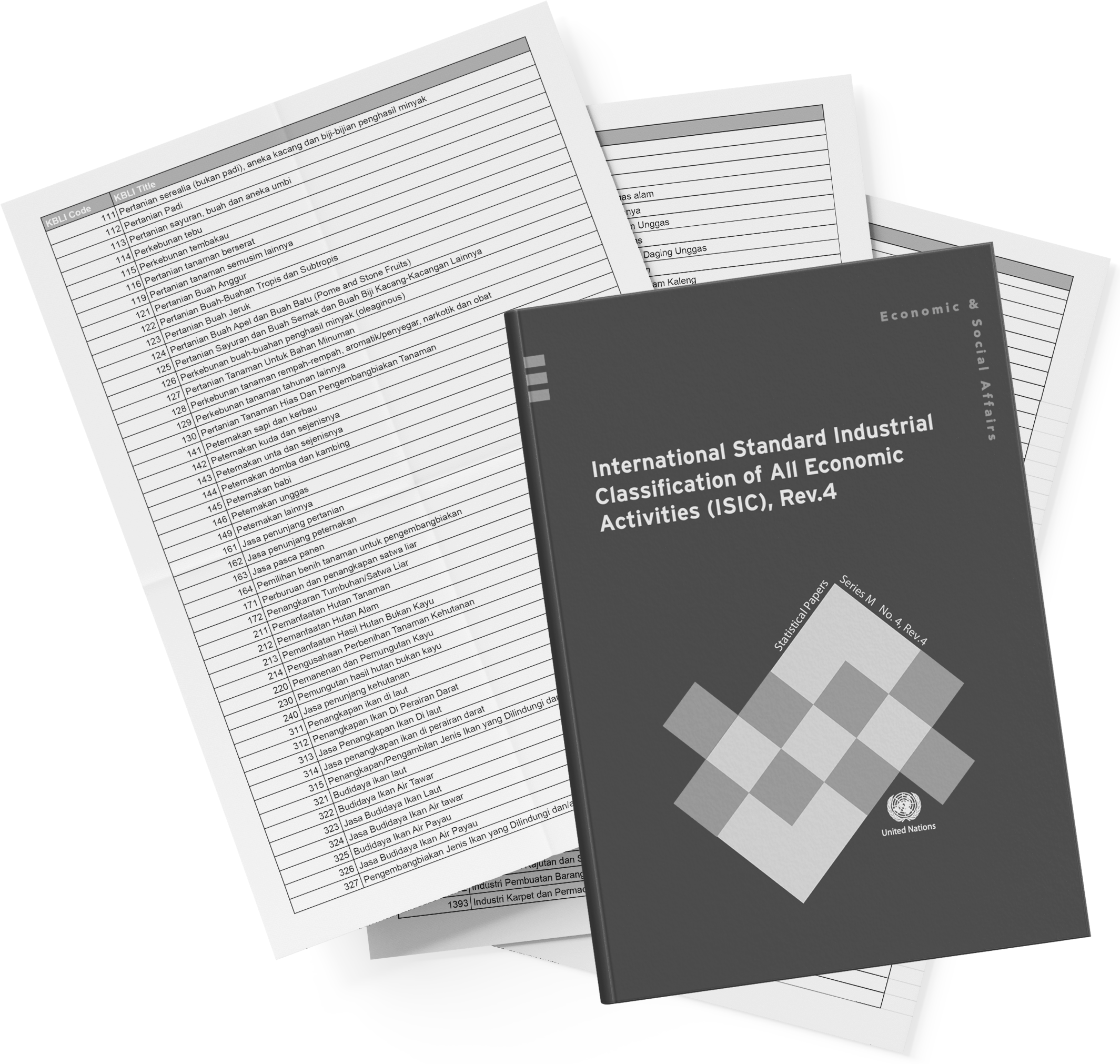
KBLI 5621 covers contract-based food services for discrete events, excluding ongoing cafeteria or restaurant operations.
Boundaries include full-service (prep to service) but exclude venue rental or standalone food stalls.
Indonesia in Focus
Indonesia's large population and growing economy create substantial market opportunities.
Archipelagic geography presents unique distribution and logistics challenges.
Industry Classification
Primary classification: Based on core business activity
Secondary classification: Related supporting activities
KBLI: 5621: Event Catering Services Industry in Indonesia
ISIC: Reference: International Standard Industrial Classification
NAICS: Comparable: North American Industry Classification System
Industry Terms
Key terminology for understanding the Event Catering Services Industry in Indonesia industry.
Turnkey Catering
Complete event food solution from planning to cleanup under one contract.
Simplifies client coordination, allowing caterers to upsell integrated services and command premiums.
Banquet Menu
Pre-set multi-course meals scaled for large groups at fixed prices.
Enables predictable costing amid fluctuating ingredients, popular for weddings.
Off-Premise Catering
Food prepared in central kitchen and delivered to event site.
Lowers on-site equipment needs but heightens transport risks in Indonesia's archipelago.
Industry Overview โ Business Types
Different business models operate within the Event Catering Services Industry in Indonesia industry.
Wedding Specialists
Custom ornate menus with tasting sessions, peak-season staffing surges.
Themed decor integration and family-style service for cultural rituals.
Standard industry practices apply.
Corporate Caterers
Volume buffets or boxed meals for conferences, with quick turnaround contracts.
Reliable halal compliance and AV-friendly setups for MICE events.
Standard industry practices apply.
Luxury Event Providers
Chef-led live stations with imported ingredients for high-end galas.
Personalized experiential dining for international clients in Bali resorts.
Standard industry practices apply.
Industry Performance & Outlook
Performance outlook for Event Catering Services Industry in Indonesia
Sector shows resilient growth post-2023 recovery, buoyed by events rebound and inflation-adjusted pricing.
Outlook positive with tourism revival, though vulnerable to economic slowdowns curbing discretionary spends.
Key performance indicators
Market growth
Industry expansion rate
Driven by domestic demand
Operational efficiency
Cost management
Key competitive factor
Outlook: what to watch
Monitor regulatory changes
Track infrastructure developments
Watch for technology adoption
Industry Growth Drivers
Key factors driving growth in Event Catering Services Industry in Indonesia.
Growth Driver 1
Domestic consumption growth driven by expanding middle class and rising disposable incomes
Monitor industry reports and market data for trends.
Growth Driver 2
Infrastructure development reducing logistics costs and improving market access
Monitor industry reports and market data for trends.
Growth Driver 3
Government policy support including investment incentives and industrial development programs
Monitor industry reports and market data for trends.
Growth Driver 4
Technology adoption improving productivity and enabling new business models
Monitor industry reports and market data for trends.
Growth Driver 5
Regional economic integration expanding market access and supply chain opportunities
Monitor industry reports and market data for trends.
Growth Driver 6
Urbanization creating concentrated demand centers and distribution efficiencies
Monitor industry reports and market data for trends.
Industry Trends & Development
Industry Development
Evolution of Event Catering Services Industry in Indonesia
Evolution from family-run kitchens to professional outfits with centralized production and branded fleets.
Digital shift via apps for virtual tastings and real-time tracking amid urban mobility challenges.
Key Trends
Major trends shaping the Event Catering Services Industry in Indonesia industry.
Digitalization and technology adoption
Industry trend shaping market dynamics.
Operators
Investors
Policymakers
Regulatory developments
Industry trend shaping market dynamics.
Operators
Investors
Policymakers
Impact and Sustainability
Sustainability and impact considerations for the event catering industry.
Economic Impact
Contribution to national economic development.
Balancing growth with sustainability.
Environmental Considerations
Industry practices and environmental impact.
Operational costs vs sustainability.
Industry Segmentation
Industry Segmentation โ Product/Service A
Primary market segments based on service type.
Segmentation by offering
Primary Segment
Core offerings
Main market
Addresses primary demand
Secondary Segment
Supporting services
Niche markets
Specialized needs
Segments may overlap based on customer needs.
Industry Segmentation โ Product/Service B
Alternative segmentation perspectives.
Segmentation by characteristics
Mass Market
Broad appeal
General consumers
Volume-driven
Premium
High-value offerings
Discerning buyers
Quality-focused
Segment boundaries are fluid.
Customer Segmentation
Different customer segments and their characteristics.
Customer segments and what they value
B2B customers
Various
Multiple needs
Different channels
B2C consumers
Various
Multiple needs
Different channels
Key Players
Ecosystem Mapping
Event Catering Services Industry in Indonesia ecosystem includes various stakeholders.
Suppliers
Provide inputs and raw materials.
Primary producers
Input suppliers
Operators
Core industry participants.
Main industry operators
Service providers
Distribution
Channel to end customers.
Distributors
Retailers
How value flows across the ecosystem
Value is created through coordinated activities across the ecosystem.
Leading Players
Competitive landscape and key player archetypes.
Competitive archetypes
Market Leader
Dominant position
Scale, brand recognition
Market saturation
Specialist
Niche focus
Expertise, agility
Limited scale
How competition typically plays out
Competition is shaped by scale advantages, operational efficiency, and customer relationships.
Differentiation strategies vary by segment, with some players competing on price and others on service quality.
Operating Conditions
Operating Model & Cost Structure
Operating models in Event Catering Services Industry in Indonesia vary by business type.
Direct costs
Primary operational expenses
Input costs
Labor
Utilities
Major cost component
Overhead
Indirect operational costs
Administration
Facilities
Marketing
Scale-dependent
Cost structure summary
Direct costs
Volume and input prices
Operations
Efficiency improvements
Overhead
Scale and complexity
Administration
Process optimization
Cost structure varies by business model and scale.
Regulation & Compliance Considerations
Regulatory framework and compliance requirements.
Common compliance topics
Business licensing
Operating permits
Legal operation
Maintain valid licenses
Quality standards
Product/service requirements
Market access
Quality control systems
Stay current with regulatory changes.
FAQs & Sources
FAQs
What is Event Catering Services Industry in Indonesia?
Event Catering Services Industry in Indonesia encompasses various business activities in the Indonesian market.
Sources & Notes
This report is a synthesized overview based on industry analysis and desk research.
BPS (Statistics Indonesia)
Official statistics and industry data.
Ministry of Industry regulations
Regulatory framework and compliance requirements.
This report is for informational purposes and should not be treated as legal, regulatory, or investment advice.