Electronic Tube and Connector Manufacturing Industry in Indonesia
A practical guide to Electronic Tube and Connector Manufacturing Industry in Indonesiaโmarket dynamics, operational realities, and strategic considerations in Indonesia
The Electronic Tube and Connector Manufacturing Industry in Indonesia produces critical passive components for electronic devices, including vacuum tubes for niche high-power applications and connectors that enable reliable electrical and signal interconnections. Manufacturing involves precision assembly of metal contacts, insulators, housings, and plating processes to ensure durability, conductivity, and compatibility with standards like USB, HDMI, or automotive connectors.
Clear industry definition and scope of activities
Operational realities across Indonesia's regions
Market segmentation and customer analysis
Ecosystem mapping and competitive dynamics
Cost structure and unit economics
Regulatory and compliance considerations
Executive Summary
The Electronic Tube and Connector Manufacturing Industry in Indonesia produces critical passive components for electronic devices, including vacuum tubes for niche high-power applications and connectors that enable reliable electrical and signal interconnections.
Manufacturing involves precision assembly of metal contacts, insulators, housings, and plating processes to ensure durability, conductivity, and compatibility with standards like USB, HDMI, or automotive connectors.
Connectors dominate over tubes, as vacuum tube production is nearly obsolete globally but persists in Indonesia for industrial spares.
High precision plating and testing are key to avoid failures in humid tropical conditions common in Indonesia.
Export focus: 70%+ output from Batam goes to ASEAN and global OEMs, leveraging FTZ incentives.
TKDN compliance drives material localization, trading off cost for government procurement access.
Supply chain vulnerable to imported raw metals like copper and gold plating chemicals.
Why this industry matters in Indonesia
This industry contributes to economic development and employment generation.

Quality products and services meet growing consumer and business needs.
Local production reduces import dependency and supports domestic value chains.
So what: Practical implications
Maintain high quality and service standards.
Ensure regulatory compliance and certifications.
Invest in workforce development and technology.
Build strong relationships with customers and suppliers.
Indonesia at a Glance
Republic of Indonesia: Large and fragmented market
Indonesia's electronic components sector, including connectors, benefits from FDI in assembly hubs, with KBLI 2611 players feeding into a market growing on EV and 5G adoption; tubes remain marginal for radar/military uses.
Production clusters in Batam (export-focused) and Bekasi (domestic), where just-in-time delivery to assemblers like Polytron or Sharp Indonesia creates steady demand for custom connectors.
Market dynamics continue to evolve with changing economic conditions.
Hyperlocalization is key to navigate Indonesia's market
Operators customize connectors for Indonesia-specific appliances, like high-humidity resistant plugs for air conditioners or rugged types for motorbike electronics in Java's traffic.
Regional variations: Batam emphasizes high-volume standard USB/HDMI for export, while Java firms adapt automotive connectors for local LCGC vehicles under low-carbon initiatives.
Opportunities extend beyond cities
In outer islands like Sumatra and Sulawesi, small workshops handle basic cable assemblies for mining equipment, relying on Jakarta imports for precision parts due to logistics gaps.
East Java's Surabaya serves as a secondary hub for mid-tier connectors, bridging urban assembly with rural appliance makers via inter-island shipping.
Local dairy farming development programs reducing import dependency
Functional dairy products (probiotics, high-protein) commanding premium pricing
Cold chain infrastructure expansion enabling fresh product reach to tier-2 cities
Cafe and F&B sector growth driving bulk milk and cream demand
School milk program (Susu Murni Nasional) providing institutional volume stability
Aseptic packaging investments allowing ambient distribution without refrigeration
Distribution realities: logistics, infrastructure, and channel reach
Distribution mixes air freight from Batam to Singapore hubs for exports with road trucking in Java; ESD-safe packaging prevents damage in humid transit.
Challenges include customs delays for imported alloys and port congestion at Tanjung Priok, pushing operators toward bonded zones for seamless flow.
Establish robust distribution partnerships covering both modern trade and traditional channels
Invest in localized supply chain capabilities to navigate logistics complexities and reduce costs
Develop region-specific market entry strategies accounting for local competitive dynamics
Build flexibility into operations to adapt to regulatory changes and infrastructure variations
Industry Definition
What is Electronic Tube and Connector Manufacturing Industry in Indonesia?
Industry Definition
KBLI 2611 covers manufacturing of electronic tubes (vacuum tubes, CRTs for legacy displays) and connectors (electrical plugs, sockets, terminals, including printer cables), excluding semiconductors (2612) or wiring harnesses (2733).
Boundaries focus on precision interconnection components: stamping contacts, molding housings, crimping, plating, and testing for IP ratings and cycle durability.
Indonesia in Focus
Indonesia's large population and growing economy create substantial market opportunities.
Archipelagic geography presents unique distribution and logistics challenges.
Industry Classification
Primary classification: Based on core business activity
Secondary classification: Related supporting activities
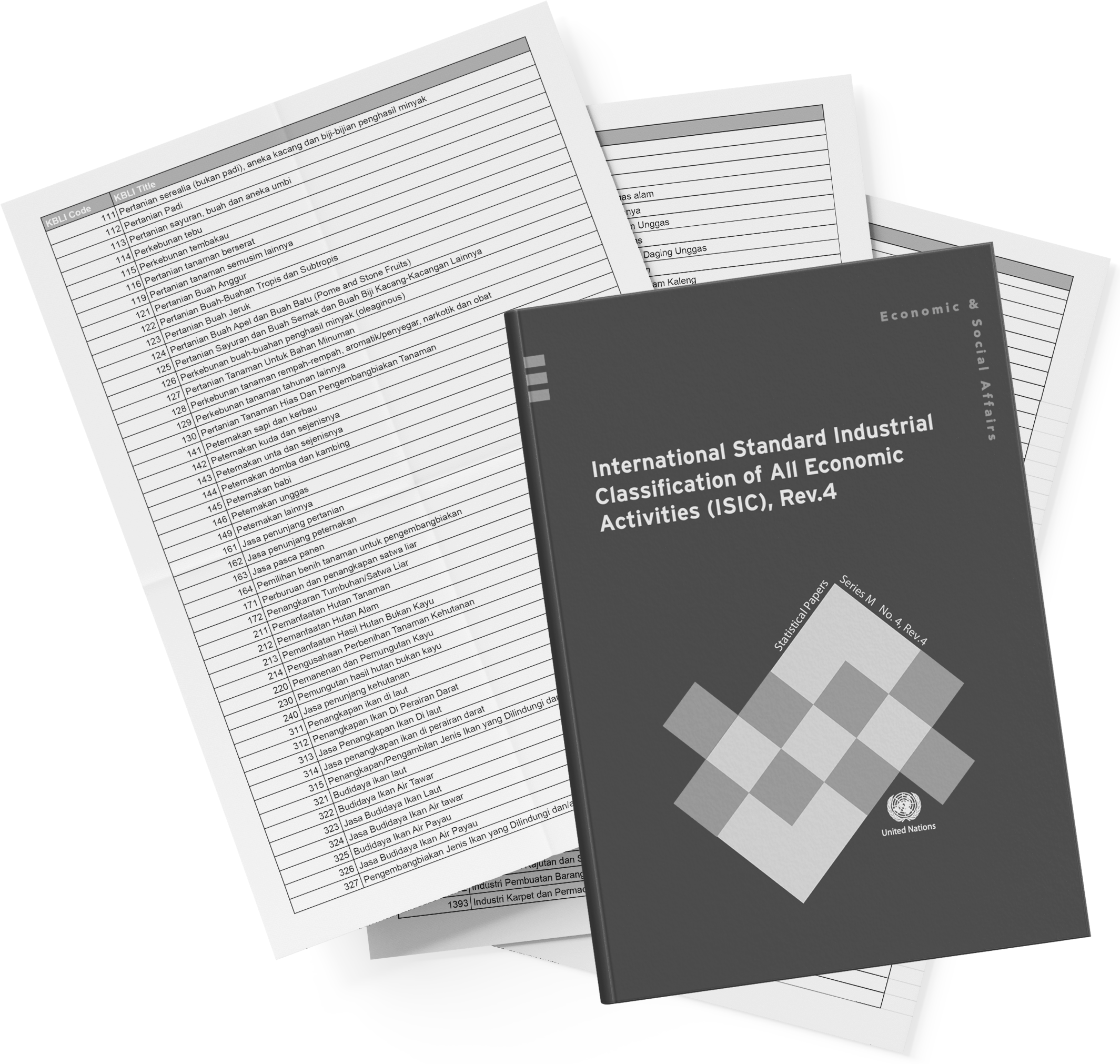
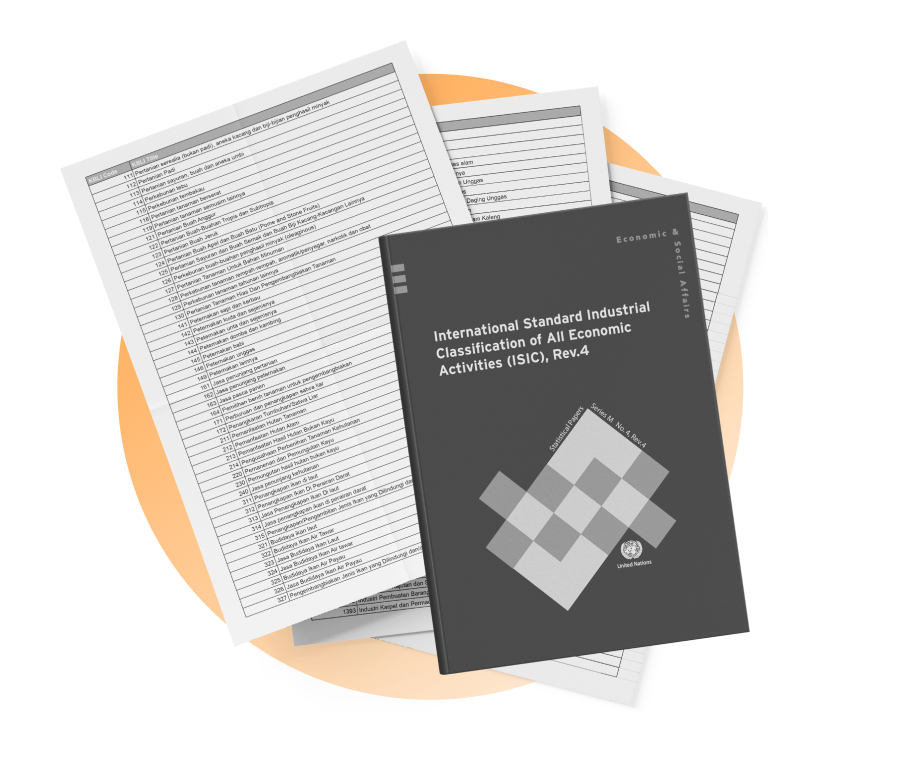
KBLI: 2611: Electronic Tube and Connector Manufacturing Industry in Indonesia
ISIC: Reference: International Standard Industrial Classification
NAICS: Comparable: North American Industry Classification System
Industry Terms
Key terminology for understanding the Electronic Tube and Connector Manufacturing Industry in Indonesia industry.
Crimp Termination
Process of deforming a metal ferrule around a wire to create a gas-tight electrical connection without soldering.
Ensures vibration-resistant joints critical for Indonesia's automotive and motorbike sectors, reducing field failures in potholed roads.
IP Rating
Ingress Protection code (e.g., IP67) indicating dust/water resistance of connector enclosures.
Vital in tropical Indonesia to prevent corrosion in humid/outdoor uses like agriculture machinery or coastal exports.
Gold Plating
Thin layer of gold over base metals like nickel for corrosion resistance and low contact resistance.
Balances cost vs. reliability in high-frequency signals for 5G/IoT, but import dependency exposes to price swings.
Industry Overview โ Business Types
Different business models operate within the Electronic Tube and Connector Manufacturing Industry in Indonesia industry.
High-Volume Standard Connector Maker
Automated stamping, injection molding, and plating lines produce USB/Type-C connectors for consumer electronics OEMs.
Scale economies in Batam FTZs enable low-cost exports, with quick-change tooling for variants.
Standard industry practices apply.
Custom Cable Assembler
Semi-automated crimping and overmolding for printer cables or automotive harness subsets, often to client specs.
Flexibility for low-volume runs serving local assemblers, leveraging skilled labor in Java clusters.
Standard industry practices apply.
Niche Tube Reconditioner
Refurbishing vacuum tubes for industrial amplifiers or broadcasting via evacuation and getter activation.

Rare expertise sustains legacy demand in telecom spares, with minimal capex.
Standard industry practices apply.
Industry Performance & Outlook
Performance outlook for Electronic Tube and Connector Manufacturing Industry in Indonesia
Connectors see steady growth from electronics localization, while tubes stagnate; overall sector aligns with Indonesia's 8-10% electronics CAGR amid EV/5G push.
Outlook positive for exporters but pressured by China competition; TKDN boosts domestic sales.
Key performance indicators
Market growth
Industry expansion rate
Driven by domestic demand
Operational efficiency
Cost management
Key competitive factor
Outlook: what to watch
Monitor regulatory changes
Track infrastructure developments
Watch for technology adoption
Industry Growth Drivers
Key factors driving growth in Electronic Tube and Connector Manufacturing Industry in Indonesia.
Growth Driver 1
Domestic consumption growth driven by expanding middle class and rising disposable incomes
Monitor industry reports and market data for trends.
Growth Driver 2
Infrastructure development reducing logistics costs and improving market access
Monitor industry reports and market data for trends.
Growth Driver 3
Government policy support including investment incentives and industrial development programs
Monitor industry reports and market data for trends.
Growth Driver 4
Technology adoption improving productivity and enabling new business models
Monitor industry reports and market data for trends.
Growth Driver 5
Regional economic integration expanding market access and supply chain opportunities
Monitor industry reports and market data for trends.
Growth Driver 6
Urbanization creating concentrated demand centers and distribution efficiencies
Monitor industry reports and market data for trends.
Industry Trends & Development
Industry Development
Evolution of Electronic Tube and Connector Manufacturing Industry in Indonesia
From legacy tube dominance to connector focus: post-2000s CRT phase-out shifted investments to stamping/molding for data cables.
Digitalization drives miniaturization: USB4 and automotive Ethernet connectors replace bulkier analog types.
Key Trends
Major trends shaping the Electronic Tube and Connector Manufacturing Industry in Indonesia industry.
Digitalization and technology adoption
Industry trend shaping market dynamics.
Operators
Investors
Policymakers
Regulatory developments
Industry trend shaping market dynamics.
Operators
Investors
Policymakers
Impact and Sustainability
Sustainability and impact considerations for the electronic tube and electronic connector industry industry.
Economic Impact
Contribution to national economic development.
Balancing growth with sustainability.
Environmental Considerations
Industry practices and environmental impact.
Operational costs vs sustainability.
Industry Segmentation
Industry Segmentation โ Product/Service A
Primary market segments based on service type.
Segmentation by offering
Primary Segment
Core offerings
Main market
Addresses primary demand
Secondary Segment
Supporting services
Niche markets
Specialized needs
Segments may overlap based on customer needs.
Industry Segmentation โ Product/Service B
Alternative segmentation perspectives.
Segmentation by characteristics
Mass Market
Broad appeal
General consumers
Volume-driven
Premium
High-value offerings
Discerning buyers
Quality-focused
Segment boundaries are fluid.
Customer Segmentation
Different customer segments and their characteristics.
Customer segments and what they value
B2B customers
Various
Multiple needs
Different channels
B2C consumers
Various
Multiple needs
Different channels
Key Players
Ecosystem Mapping
Electronic Tube and Connector Manufacturing Industry in Indonesia ecosystem includes various stakeholders.
Suppliers
Provide inputs and raw materials.
Primary producers
Input suppliers
Operators
Core industry participants.
Main industry operators
Service providers
Distribution
Channel to end customers.
Distributors
Retailers
How value flows across the ecosystem
Value is created through coordinated activities across the ecosystem.
Leading Players
Competitive landscape and key player archetypes.
Competitive archetypes
Market Leader
Dominant position
Scale, brand recognition
Market saturation
Specialist
Niche focus
Expertise, agility
Limited scale
How competition typically plays out
Competition is shaped by scale advantages, operational efficiency, and customer relationships.
Differentiation strategies vary by segment, with some players competing on price and others on service quality.
Operating Conditions
Operating Model & Cost Structure
Operating models in Electronic Tube and Connector Manufacturing Industry in Indonesia vary by business type.
Direct costs
Primary operational expenses
Input costs
Labor
Utilities
Major cost component
Overhead
Indirect operational costs
Administration
Facilities
Marketing
Scale-dependent
Cost structure summary
Direct costs
Volume and input prices
Operations
Efficiency improvements
Overhead
Scale and complexity
Administration
Process optimization
Cost structure varies by business model and scale.
Regulation & Compliance Considerations
Regulatory framework and compliance requirements.
Common compliance topics
Business licensing
Operating permits
Legal operation
Maintain valid licenses
Quality standards
Product/service requirements
Market access
Quality control systems
Stay current with regulatory changes.
FAQs & Sources
FAQs
What is Electronic Tube and Connector Manufacturing Industry in Indonesia?
Electronic Tube and Connector Manufacturing Industry in Indonesia encompasses various business activities in the Indonesian market.
Sources & Notes
This report is a synthesized overview based on industry analysis and desk research.
BPS (Statistics Indonesia)
Official statistics and industry data.
Ministry of Industry regulations
Regulatory framework and compliance requirements.
This report is for informational purposes and should not be treated as legal, regulatory, or investment advice.