Electrical Wire and Cable Manufacturing Industry in Indonesia
A practical guide to Electrical Wire and Cable Manufacturing Industry in Indonesiaโmarket dynamics, operational realities, and strategic considerations in Indonesia
Manufacture of Other Electronic and Electric Wires and Cables produces insulated or sheathed conductors from copper, aluminum, or steel for transmitting power, signals, and control impulses. This involves drawing wires to precise gauges, stranding them for flexibility, extruding insulation like PVC or XLPE, and adding protective sheaths or armors. Products range from low-voltage building wires (e.g., NYA singles) to medium-voltage power cables, instrumentation pairs, and coaxial cables for electronics, excluding fiber optics or vehicle ignition sets.
Clear industry definition and scope of activities
Operational realities across Indonesia's regions
Market segmentation and customer analysis
Ecosystem mapping and competitive dynamics
Cost structure and unit economics
Regulatory and compliance considerations
Executive Summary
Manufacture of Other Electronic and Electric Wires and Cables produces insulated or sheathed conductors from copper, aluminum, or steel for transmitting power, signals, and control impulses. This involves drawing wires to precise gauges, stranding them for flexibility, extruding insulation like PVC or XLPE, and adding protective sheaths or armors.
Products range from low-voltage building wires (e.g., NYA singles) to medium-voltage power cables, instrumentation pairs, and coaxial cables for electronics, excluding fiber optics or vehicle ignition sets.
Raw material costs (copper/aluminum) dominate 60-70% of expenses, requiring hedging strategies amid LME fluctuations.
PLN specifications dictate 80% of medium-voltage sales, prioritizing triple-extrusion XLPE cables for reliability.
Batam FTZ plants capture export premiums but face logistics hurdles shipping to Java consumers.
Fire-retardant low-smoke cables gain traction post-building code updates after high-profile fires.
Capacity underutilization hits during tender droughts, pushing operators toward custom industrial cables.
Why this industry matters in Indonesia
Supports Indonesia's economic growth and development objectives.
Creates employment opportunities across diverse skill levels.
Critical for service delivery and value chain integration.

Enables Indonesia's competitiveness in regional and global markets.
So what: Practical implications
Operators: Focus on quality consistency and process standardization
Buyers: Evaluate supplier capabilities beyond pricing
Investors: Look for operational efficiency and scalability
Policymakers: Support infrastructure development
Indonesia at a Glance
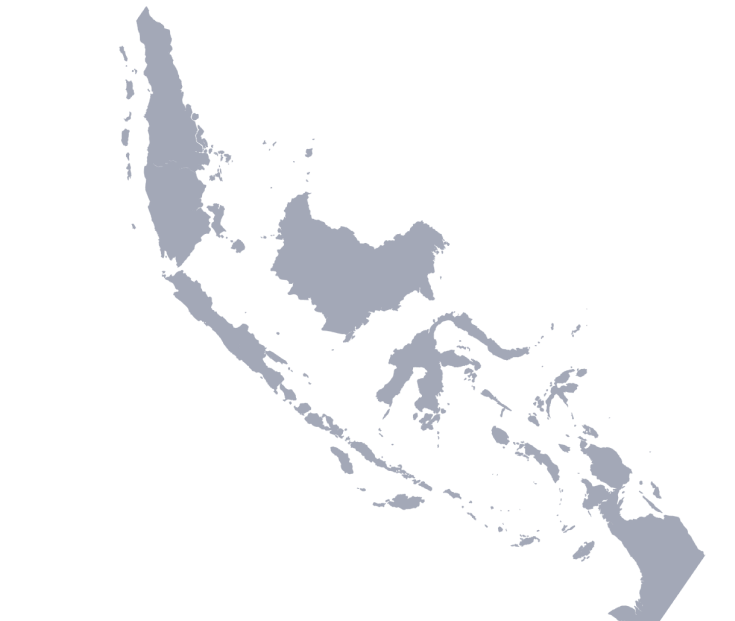
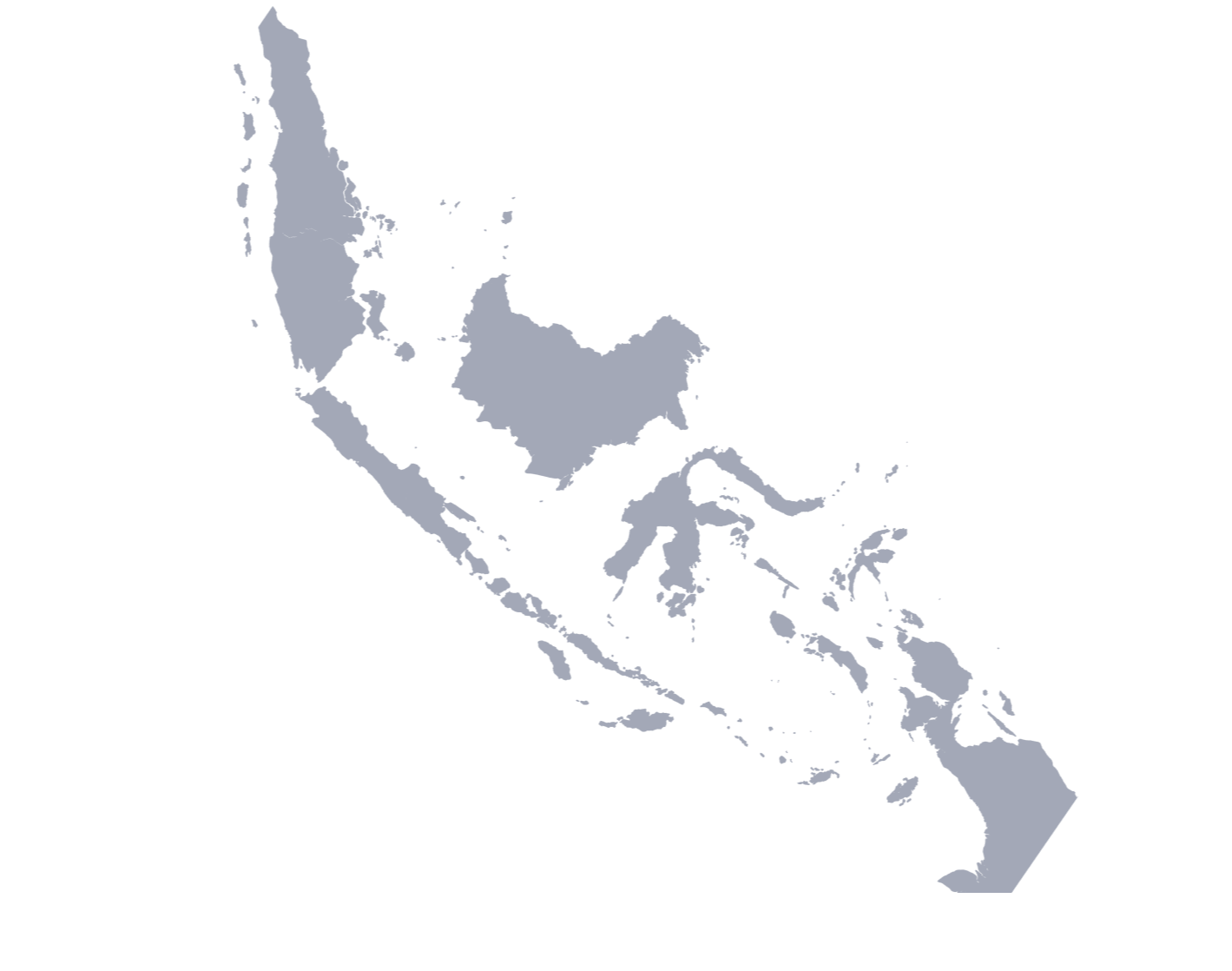
Republic of Indonesia: Large and fragmented market
Indonesia's wire and cable production supports electrification across 17k islands, with Java hubs feeding urban boom and outer-island grids. Growth aligns with PLN's Rp500T+ annual capex on transmission and distribution upgrades.
Demand diversifies into renewables (solar farms), data centers (e.g., hyperscalers in Batam-Cikarang), and mining electrification, offsetting residential slowdowns.
Market dynamics continue to evolve with changing economic conditions.
Hyperlocalization is key to navigate Indonesia's market
West Java plants (Bekasi, Tangerang) specialize in high-volume LV building wires for Jabodetabek constructors, benefiting from cheap toll roads and nearby copper importers.
Batam FTZ focuses on export-oriented MV cables with advanced armoring for seismic ASEAN markets, while Sumatra facilities produce rubber-sheathed for palm oil estates amid humid conditions.
Opportunities extend beyond cities
Sulawesi and Kalimantan miners demand armored control cables tolerant to vibrations and heat, shipped via bulk carriers to remote sites.
Papua electrification projects favor lightweight aluminum aerial bundles to cut airlift costs in rugged terrain.
Growing middle class driving premiumization trends across product categories and services
Digital adoption accelerating with mobile-first consumer behavior creating new channel opportunities
Infrastructure investment improving connectivity and reducing logistics costs across the archipelago
Government initiatives supporting domestic industry development and foreign investment attraction
Regional economic integration through ASEAN creating expanded market access and trade opportunities
Sustainability and ESG considerations creating differentiation opportunities for responsible businesses
Distribution realities: logistics, infrastructure, and channel reach
Java factories dispatch via trucking to sites, but inter-island moves rely on RoRo ferries from Tanjung Priok, with 2-4 week delays inflating inventory needs.
High-value specialty reels use containers; poor rural roads force oversize escorts, adding 15-25% to delivered costs.
Establish robust distribution partnerships covering both modern trade and traditional channels
Invest in localized supply chain capabilities to navigate logistics complexities and reduce costs
Develop region-specific market entry strategies accounting for local competitive dynamics
Build flexibility into operations to adapt to regulatory changes and infrastructure variations
Industry Definition
What is Electrical Wire and Cable Manufacturing Industry in Indonesia?
Industry Definition
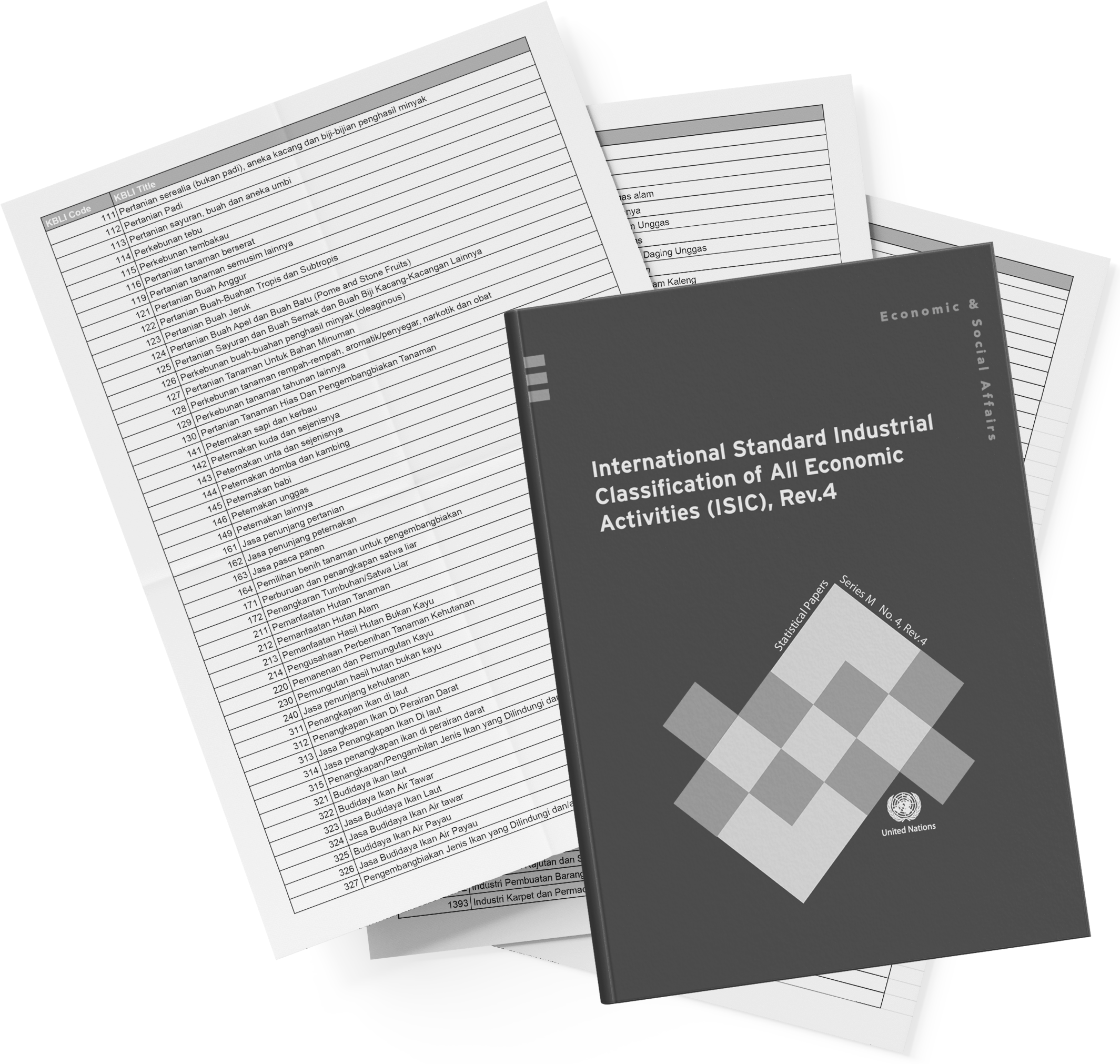
KBLI 2732 covers manufacturing insulated wires and cables from base metals (copper primary, aluminum secondary) via drawing, bunching/stranding, insulating (PVC/XLPE/rubber), screening, and sheathing/armoring. Outputs serve power distribution, control systems, instrumentation, and electronics interconnects.
Boundaries exclude bare conductors (2420), fiber optic cables (2731), telecom subscriber lines (2731), ignition harnesses (2930), and lighting wiring assemblies (2740).
Indonesia in Focus
Indonesia's archipelago geography creates unique distribution challenges requiring adapted logistics and storage solutions.
High humidity and tropical climate demand specific technical approaches to quality preservation and product integrity.
Industry Classification
Conceptually, industry activities sit under specific regulatory frameworks with classification by operational scale and service model.
Operators may be classified by activity type, by service delivery model, and by end-use applications.
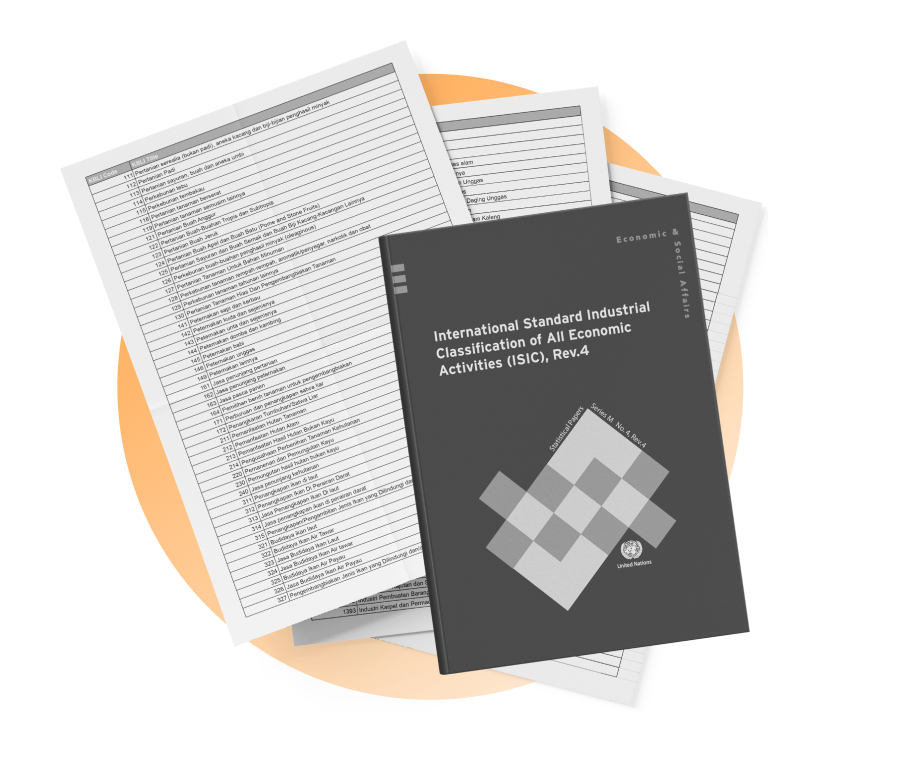
KBLI: 2732: Electrical Wire and Cable Manufacturing Industry in Indonesia
ISIC: Reference: International Standard Industrial Classification
NAICS: Comparable: North American Industry Classification System
Industry Terms
Key terminology for understanding the Electrical Wire and Cable Manufacturing Industry in Indonesia industry.
Stranding
Twisting individual wires or groups into helical bundles to form multi-core cables.
Provides flexibility for routing in conduits/buildings and mechanical strength against tensile loads, essential for Indonesia's seismic-prone installations.
Extrusion
Forcing molten polymer (e.g., XLPE) through a die around the conductor to form uniform insulation.

Achieves precise dielectric thickness for voltage ratings, preventing breakdowns in humid tropical climates.
Armoring
Helically wrapping steel wires or tapes over the sheath for rodent/mechanical protection.

Protects underground/direct-buried cables from digging/jembatan damage common in Indonesia's construction frenzy.
Industry Overview โ Business Types
Different business models operate within the Electrical Wire and Cable Manufacturing Industry in Indonesia industry.
Commodity LV wire producers
High-speed continuous extrusion of single/twin PVC-insulated wires (e.g., 1.5-6mmยฒ) from copper rods, sold via distributors.
Scale economies and fast delivery for retail/contractor volumes.
Standard industry practices apply.
MV power cable manufacturers
Triple-layer extrusion (semicon-conductor-insulation-semicon-XLPE-sheath) for 6-20kV, tested per IEC/PLN specs.
SNI/ISO certifications securing utility tenders.
Standard industry practices apply.
Specialty cable assemblers
Custom stranding, screening, and jacketing for instrumentation/control (e.g., CY/SY cables) with low EMI.
Engineering customization for mining/O&G exports.
Standard industry practices apply.
Industry Performance & Outlook
Performance outlook for Electrical Wire and Cable Manufacturing Industry in Indonesia
Post-pandemic recovery boosted by infrastructure stimulus, with capacity utilization rebounding via PLN's grid densification.
Outlook strong through 2030 on EV infra, data center power feeds, and renewables, tempered by copper import duties.
Key performance indicators
Market growth
Industry expansion rate
Driven by domestic demand
Operational efficiency
Cost management
Key competitive factor
Outlook: what to watch
Monitor regulatory changes
Track infrastructure developments
Watch for technology adoption
Industry Growth Drivers
Key factors driving growth in Electrical Wire and Cable Manufacturing Industry in Indonesia.
Growth Driver 1
Domestic consumption growth driven by expanding middle class and rising disposable incomes
Monitor industry reports and market data for trends.
Growth Driver 2
Infrastructure development reducing logistics costs and improving market access
Monitor industry reports and market data for trends.
Growth Driver 3
Government policy support including investment incentives and industrial development programs
Monitor industry reports and market data for trends.
Growth Driver 4
Technology adoption improving productivity and enabling new business models
Monitor industry reports and market data for trends.
Growth Driver 5
Regional economic integration expanding market access and supply chain opportunities
Monitor industry reports and market data for trends.
Growth Driver 6
Urbanization creating concentrated demand centers and distribution efficiencies
Monitor industry reports and market data for trends.
Industry Trends & Development
Industry Development
Evolution of Electrical Wire and Cable Manufacturing Industry in Indonesia
Evolution from basic PVC housewiring to XLPE MV cables with fire-retardant low-smoke zero-halogen (LSZH) sheaths meeting updated SNI standards.
Line automation via PLC controls enhances precision, reducing scrap in high-spec exports.
Key Trends
Major trends shaping the Electrical Wire and Cable Manufacturing Industry in Indonesia industry.
Digitalization and technology adoption
Industry trend shaping market dynamics.
Operators
Investors
Policymakers
Regulatory developments
Industry trend shaping market dynamics.
Operators
Investors
Policymakers
Impact and Sustainability
Sustainability and impact considerations for the manufacture of other electronic and electric wires and cables industry.
Economic Impact
Contribution to national economic development.
Balancing growth with sustainability.
Environmental Considerations
Industry practices and environmental impact.
Operational costs vs sustainability.
Industry Segmentation
Industry Segmentation โ Product/Service A
Primary market segments based on service type.
Segmentation by offering
Primary Segment
Core offerings
Main market
Addresses primary demand
Secondary Segment
Supporting services
Niche markets
Specialized needs
Segments may overlap based on customer needs.
Industry Segmentation โ Product/Service B
Alternative segmentation perspectives.
Segmentation by characteristics
Mass Market
Broad appeal
General consumers
Volume-driven
Premium
High-value offerings
Discerning buyers
Quality-focused
Segment boundaries are fluid.
Customer Segmentation
Different customer segments and their characteristics.
Customer segments and what they value
B2B customers
Various
Multiple needs
Different channels
B2C consumers
Various
Multiple needs
Different channels
Key Players
Ecosystem Mapping
Electrical Wire and Cable Manufacturing Industry in Indonesia ecosystem includes various stakeholders.
Suppliers
Provide inputs and raw materials.
Primary producers
Input suppliers
Operators
Core industry participants.
Main industry operators
Service providers
Distribution
Channel to end customers.
Distributors
Retailers
How value flows across the ecosystem
Value is created through coordinated activities across the ecosystem.
Leading Players
Competitive landscape and key player archetypes.
Competitive archetypes
Market Leader
Dominant position
Scale, brand recognition
Market saturation
Specialist
Niche focus
Expertise, agility
Limited scale
How competition typically plays out
Competition is shaped by scale advantages, operational efficiency, and customer relationships.
Differentiation strategies vary by segment, with some players competing on price and others on service quality.
Operating Conditions
Operating Model & Cost Structure
Operating models in Electrical Wire and Cable Manufacturing Industry in Indonesia vary by business type.
Direct costs
Primary operational expenses
Input costs
Labor
Utilities
Major cost component
Overhead
Indirect operational costs
Administration
Facilities
Marketing
Scale-dependent
Cost structure summary
Direct costs
Volume and input prices
Operations
Efficiency improvements
Overhead
Scale and complexity
Administration
Process optimization
Cost structure varies by business model and scale.
Regulation & Compliance Considerations
Regulatory framework and compliance requirements.
Common compliance topics
Business licensing
Operating permits
Legal operation
Maintain valid licenses
Quality standards
Product/service requirements
Market access
Quality control systems
Stay current with regulatory changes.
FAQs & Sources
FAQs
What is Electrical Wire and Cable Manufacturing Industry in Indonesia?
Electrical Wire and Cable Manufacturing Industry in Indonesia encompasses various business activities in the Indonesian market.
Sources & Notes
This report is a synthesized overview based on industry analysis and desk research.
BPS (Statistics Indonesia)
Official statistics and industry data.
Ministry of Industry regulations
Regulatory framework and compliance requirements.
This report is for informational purposes and should not be treated as legal, regulatory, or investment advice.