Electric Power Support Activities Industry in Indonesia
A practical guide to Electric Power Support Activities Industry in Indonesiaโmarket dynamics, operational realities, and strategic considerations in Indonesia
Electric power support services provide essential ancillary functions to ensure reliable electricity supply and efficient utilization across generation, transmission, distribution, and end-user installations. Key activities include power system testing and metering, operation of customer utilization facilities, and specialized support like repairs and consulting, all excluding core power generation or transmission.
Clear industry definition and scope of activities
Operational realities across Indonesia's regions
Market segmentation and customer analysis
Ecosystem mapping and competitive dynamics
Cost structure and unit economics
Regulatory and compliance considerations
Executive Summary
Electric power support services provide essential ancillary functions to ensure reliable electricity supply and efficient utilization across generation, transmission, distribution, and end-user installations.
Key activities include power system testing and metering, operation of customer utilization facilities, and specialized support like repairs and consulting, all excluding core power generation or transmission.
PLN tenders drive most revenue through competitive bidding for O&M contracts.
Renewable energy push increases demand for specialized testing of solar and wind integrations.
High reliance on certified technicians due to safety regulations for high-voltage work.
Archipelagic logistics inflate costs for spare parts delivery to remote sites.
Digital trends like smart metering open niches for tech-enabled services.
Local content rules (TKDN) favor Indonesian firms in procurement.
Why this industry matters in Indonesia
This industry contributes to economic development and employment generation.

Quality products and services meet growing consumer and business needs.
Local production reduces import dependency and supports domestic value chains.
So what: Practical implications
Maintain high quality and service standards.
Ensure regulatory compliance and certifications.
Invest in workforce development and technology.
Build strong relationships with customers and suppliers.
Indonesia at a Glance
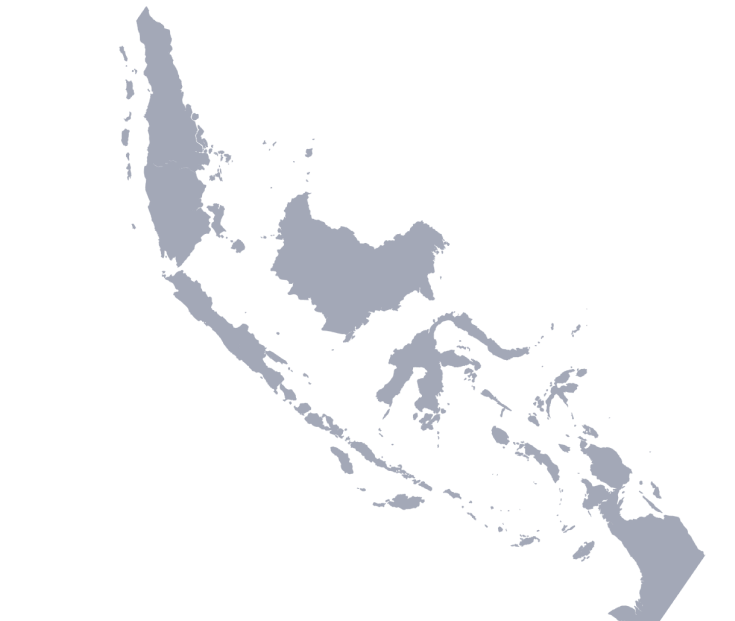
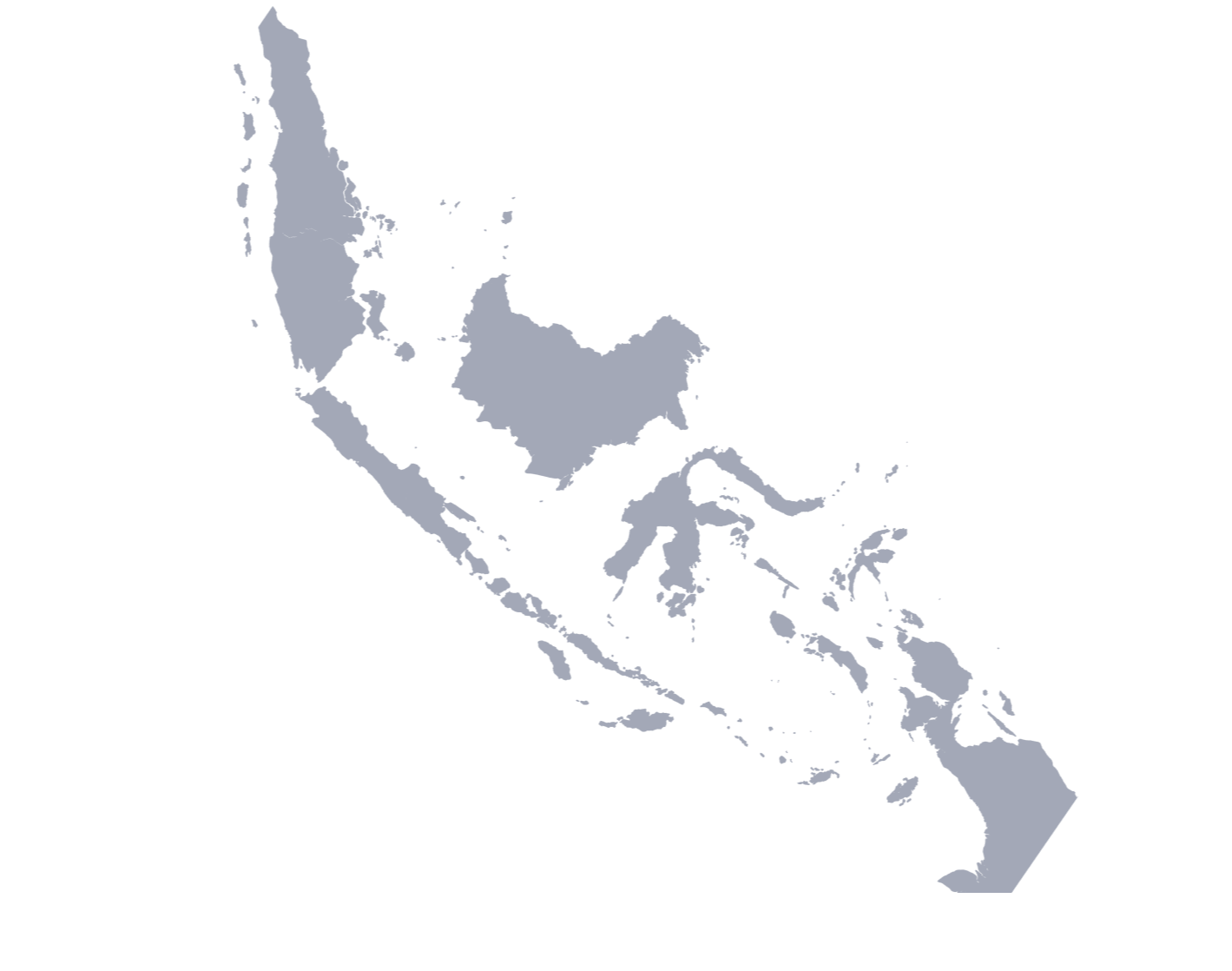
Republic of Indonesia: Large and fragmented market
Sector growth mirrors power demand expansion, fueled by industrialization and household electrification under PLN's RUPTL.
Private participation rises with IPPs handling 40% of generation, outsourcing support to cut capex.
Market dynamics continue to evolve with changing economic conditions.
Hyperlocalization is key to navigate Indonesia's market
Java-Bali grid supports advanced services like AMI rollout, while eastern Indonesia relies on basic genset maintenance.
Firms adapt to local fuels: coal-heavy Sumatra vs. hydro-rich Papua.
Opportunities extend beyond cities
Rural microgrids in Maluku and NTT require rugged, off-grid support models with diesel-solar hybrids.
Community-based operations trade scale for proximity in hard-to-reach areas.
Local dairy farming development programs reducing import dependency
Functional dairy products (probiotics, high-protein) commanding premium pricing
Cold chain infrastructure expansion enabling fresh product reach to tier-2 cities
Cafe and F&B sector growth driving bulk milk and cream demand
School milk program (Susu Murni Nasional) providing institutional volume stability
Aseptic packaging investments allowing ambient distribution without refrigeration
Distribution realities: logistics, infrastructure, and channel reach
Inter-island shipping via Pelni or RoRo ferries delays equipment to outer islands by weeks.
Firms stockpile critical spares in regional hubs like Makassar or Manado to mitigate disruptions.
Establish robust distribution partnerships covering both modern trade and traditional channels
Invest in localized supply chain capabilities to navigate logistics complexities and reduce costs
Develop region-specific market entry strategies accounting for local competitive dynamics
Build flexibility into operations to adapt to regulatory changes and infrastructure variations
Industry Definition
What is Electric Power Support Activities Industry in Indonesia?
Industry Definition
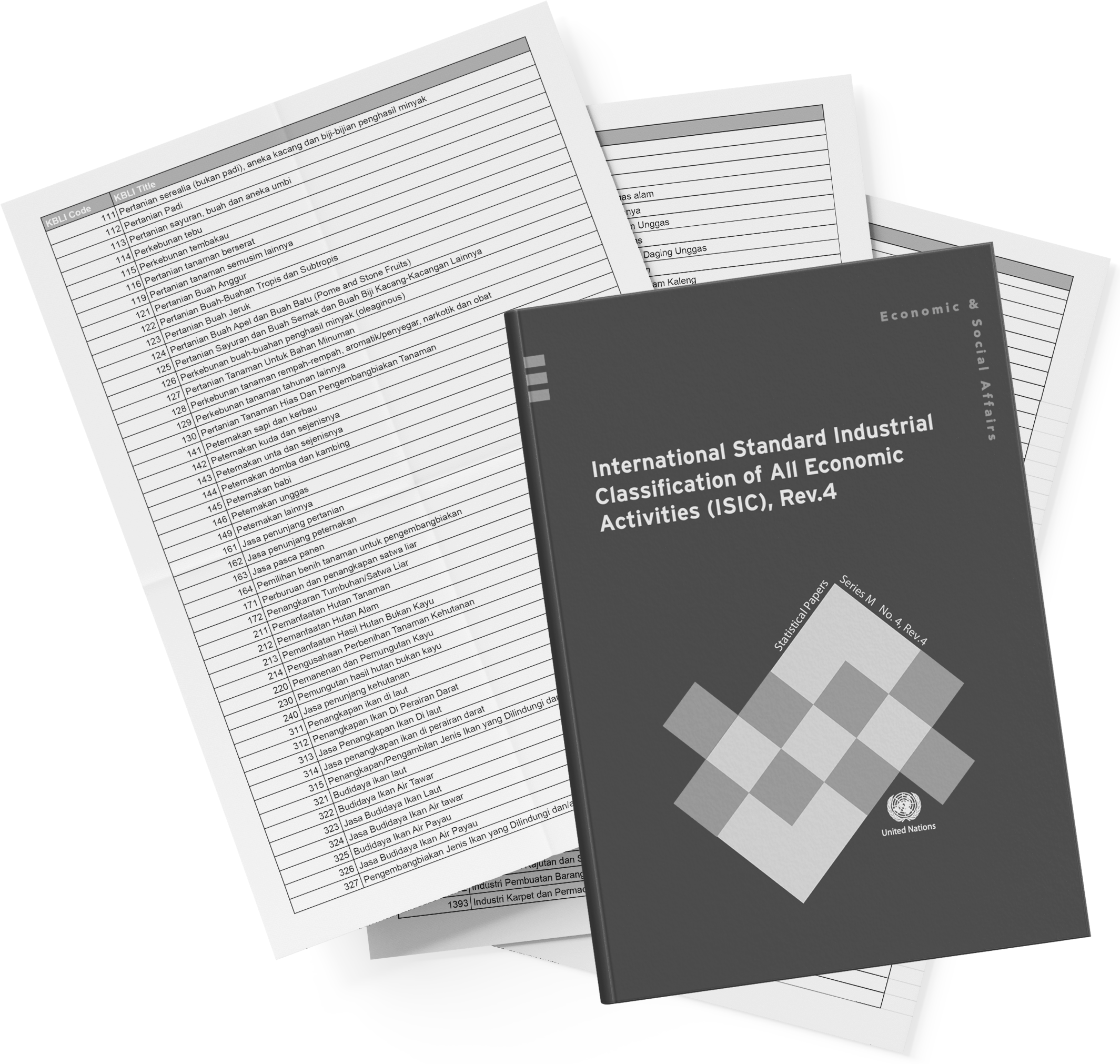
KBLI 3512 covers support activities integral to electricity infrastructure: 35121 (testing/metering), 35122 (utilization ops), 35129 (other support like repairs).
Excludes power generation (3510), transmission/distribution (3511), and equipment manufacturing (2720); focuses on service provision.

Indonesia in Focus
Indonesia's large population and growing economy create substantial market opportunities.
Archipelagic geography presents unique distribution and logistics challenges.
Industry Classification
Primary classification: Based on core business activity
Secondary classification: Related supporting activities
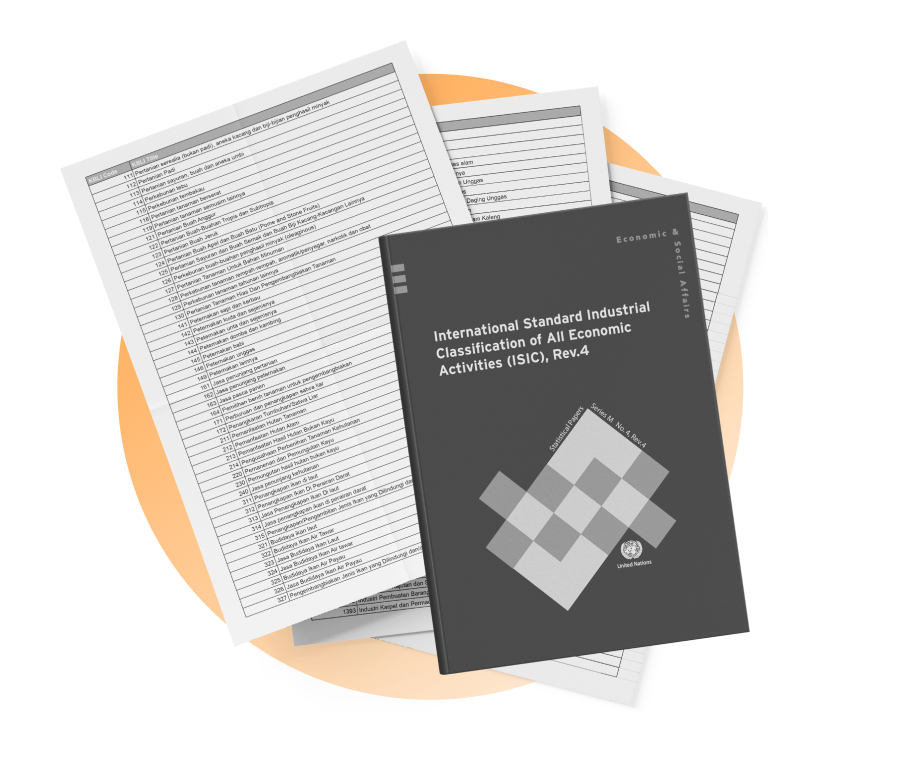
KBLI: 3512: Electric Power Support Activities Industry in Indonesia
ISIC: Reference: International Standard Industrial Classification
NAICS: Comparable: North American Industry Classification System
Industry Terms
Key terminology for understanding the Electric Power Support Activities Industry in Indonesia industry.
Pengujian dan Pengukuran
Testing and metering of electric power systems for quality, load, and billing accuracy.
Ensures compliance with PLN standards, prevents disputes, and supports smart grid transitions.
Pengoperasian Instalasi
Operation of end-user power utilization facilities like substations or industrial plants.
Maintains uptime under service level agreements, freeing utilities for core functions.
RUPTL
PLN's Electricity Supply Business Plan outlining capacity and grid expansions.
Drives tender opportunities for support services aligned with national targets.
Industry Overview โ Business Types
Different business models operate within the Electric Power Support Activities Industry in Indonesia industry.
Testing & Metering Services
Deploys calibrated equipment for periodic or real-time power assessments, issuing reports for billing and diagnostics.
ISO-accredited labs enable premium pricing in high-stakes industrial contracts.
Standard industry practices apply.
Utilization O&M
On-site teams manage daily operations, preventive maintenance, and emergency repairs for customer installations.
Long-term contracts lock in revenue stability vs. one-off projects.
Standard industry practices apply.
Specialized Support
Provides engineering consulting, retrofits, and niche repairs like transformer servicing.
Tech integration (IoT, AI predictive maintenance) wins renewable-focused tenders.
Standard industry practices apply.
Industry Performance & Outlook
Performance outlook for Electric Power Support Activities Industry in Indonesia
Performance stable, linked to PLN capex cycles; renewables shift boosts specialized segments.
Outlook strong through 2030s with energy transition, though outer-island margins pressured by logistics.
Key performance indicators
Market growth
Industry expansion rate
Driven by domestic demand
Operational efficiency
Cost management
Key competitive factor
Outlook: what to watch
Monitor regulatory changes
Track infrastructure developments
Watch for technology adoption
Industry Growth Drivers
Key factors driving growth in Electric Power Support Activities Industry in Indonesia.
Growth Driver 1
Domestic consumption growth driven by expanding middle class and rising disposable incomes
Monitor industry reports and market data for trends.
Growth Driver 2
Infrastructure development reducing logistics costs and improving market access
Monitor industry reports and market data for trends.
Growth Driver 3
Government policy support including investment incentives and industrial development programs
Monitor industry reports and market data for trends.
Growth Driver 4
Technology adoption improving productivity and enabling new business models
Monitor industry reports and market data for trends.
Growth Driver 5
Regional economic integration expanding market access and supply chain opportunities
Monitor industry reports and market data for trends.
Growth Driver 6
Urbanization creating concentrated demand centers and distribution efficiencies
Monitor industry reports and market data for trends.
Industry Trends & Development
Industry Development
Evolution of Electric Power Support Activities Industry in Indonesia
Shift from manual maintenance to digital monitoring via SCADA and IoT for predictive analytics.
Integration with renewables demands hybrid skillsets for solar-battery and wind support.
Key Trends
Major trends shaping the Electric Power Support Activities Industry in Indonesia industry.
Digitalization and technology adoption
Industry trend shaping market dynamics.
Operators
Investors
Policymakers
Regulatory developments
Industry trend shaping market dynamics.
Operators
Investors
Policymakers
Impact and Sustainability
Sustainability and impact considerations for the electric power support industry.
Economic Impact
Contribution to national economic development.
Balancing growth with sustainability.
Environmental Considerations
Industry practices and environmental impact.
Operational costs vs sustainability.
Industry Segmentation
Industry Segmentation โ Product/Service A
Primary market segments based on service type.
Segmentation by offering
Primary Segment
Core offerings
Main market
Addresses primary demand
Secondary Segment
Supporting services
Niche markets
Specialized needs
Segments may overlap based on customer needs.
Industry Segmentation โ Product/Service B
Alternative segmentation perspectives.
Segmentation by characteristics
Mass Market
Broad appeal
General consumers
Volume-driven
Premium
High-value offerings
Discerning buyers
Quality-focused
Segment boundaries are fluid.
Customer Segmentation
Different customer segments and their characteristics.
Customer segments and what they value
B2B customers
Various
Multiple needs
Different channels
B2C consumers
Various
Multiple needs
Different channels
Key Players
Ecosystem Mapping
Electric Power Support Activities Industry in Indonesia ecosystem includes various stakeholders.
Suppliers
Provide inputs and raw materials.
Primary producers
Input suppliers
Operators
Core industry participants.
Main industry operators
Service providers
Distribution
Channel to end customers.
Distributors
Retailers
How value flows across the ecosystem
Value is created through coordinated activities across the ecosystem.
Leading Players
Competitive landscape and key player archetypes.
Competitive archetypes
Market Leader
Dominant position
Scale, brand recognition
Market saturation
Specialist
Niche focus
Expertise, agility
Limited scale
How competition typically plays out
Competition is shaped by scale advantages, operational efficiency, and customer relationships.
Differentiation strategies vary by segment, with some players competing on price and others on service quality.
Operating Conditions
Operating Model & Cost Structure
Operating models in Electric Power Support Activities Industry in Indonesia vary by business type.
Direct costs
Primary operational expenses
Input costs
Labor
Utilities
Major cost component
Overhead
Indirect operational costs
Administration
Facilities
Marketing
Scale-dependent
Cost structure summary
Direct costs
Volume and input prices
Operations
Efficiency improvements
Overhead
Scale and complexity
Administration
Process optimization
Cost structure varies by business model and scale.
Regulation & Compliance Considerations
Regulatory framework and compliance requirements.
Common compliance topics
Business licensing
Operating permits
Legal operation
Maintain valid licenses
Quality standards
Product/service requirements
Market access
Quality control systems
Stay current with regulatory changes.
FAQs & Sources
FAQs
What is Electric Power Support Activities Industry in Indonesia?
Electric Power Support Activities Industry in Indonesia encompasses various business activities in the Indonesian market.
Sources & Notes
This report is a synthesized overview based on industry analysis and desk research.
BPS (Statistics Indonesia)
Official statistics and industry data.
Ministry of Industry regulations
Regulatory framework and compliance requirements.
This report is for informational purposes and should not be treated as legal, regulatory, or investment advice.