Domestic Sea Freight Transport Industry in Indonesia
A practical guide to Domestic Sea Freight Transport Industry in Indonesiaโmarket dynamics, operational realities, and strategic considerations in Indonesia
Transports cargo by sea between Indonesian ports, serving as the primary mode for inter-island goods movement in the archipelago. Handles diverse cargoes including dry bulk like coal and palm oil, liquid bulk, containers, and break-bulk goods using liner, tramper, and feeder vessels.
Clear industry definition and scope of activities
Operational realities across Indonesia's regions
Market segmentation and customer analysis
Ecosystem mapping and competitive dynamics
Cost structure and unit economics
Regulatory and compliance considerations
Executive Summary
Transports cargo by sea between Indonesian ports, serving as the primary mode for inter-island goods movement in the archipelago.
Handles diverse cargoes including dry bulk like coal and palm oil, liquid bulk, containers, and break-bulk goods using liner, tramper, and feeder vessels.
Strict cabotage laws require Indonesian-flagged vessels and national operators, limiting foreign participation to 49% equity.
Major routes link industrial hubs like Tanjung Priok (Jakarta) to regional ports in Sumatra and Sulawesi, with high volumes of minerals and agricultural products.
Fleet aging poses efficiency challenges, prompting government incentives for modernization.

Port congestion at key gateways like Belawan and Makassar disrupts schedules, favoring operators with strong terminal relationships.
Rapid volume growth, with H1 2025 domestic sea freight at 242.1 million tons, up 22.4% year-on-year.
Why this industry matters in Indonesia
Sea freight connects Indonesia's 17,000 islands, enabling trade and supply chain integration.

Cost-effective transport supports commodity exports and consumer goods distribution.

Maritime connectivity is essential for food security and price stabilization across regions.
So what: Practical implications
Optimize vessel scheduling to reduce empty backhauls and improve utilization.
Invest in cold chain capabilities for agricultural and fisheries products.
Develop port infrastructure to reduce turnaround times.
Leverage digital platforms for cargo matching and booking efficiency.
Indonesia at a Glance
Republic of Indonesia: Large and fragmented market
Domestic sea freight dominates inter-island logistics, handling commodities like coal from Kalimantan, palm oil from Sumatra, and nickel from Sulawesi.
Strong demand from mining and agriculture drives expansion, supported by infrastructure projects like new deep-sea ports.
Market dynamics continue to evolve with changing economic conditions.
Hyperlocalization is key to navigate Indonesia's market
Feeder vessels adapted for shallow drafts serve secondary ports in Maluku and NTT, enabling access to remote commodity sources.
Route-specific optimizations, like weather-resilient scheduling for monsoon-prone eastern seas, differentiate local operators.
Opportunities extend beyond cities
Vital lifeline for Papua and Maluku, transporting essentials where air freight is costly and roads underdeveloped.
Tol Laut ensures weekly sailings to 200+ small ports, reducing price disparities between Java and outer islands.
Pelni and private shipping fleet modernization improving inter-island connectivity
Cold chain logistics expansion enabling fresh produce distribution to outer islands
Digital freight platforms matching shippers with vessel capacity reducing empty runs
New port developments in Sorong, Bitung, and Makassar creating hub opportunities
E-commerce growth driving parcel and container volume on domestic routes
Specialized project cargo for energy and mining developments in frontier areas
Distribution realities: logistics, infrastructure, and channel reach
Seamless handoff to trucking at ports like Sorong or Bitung, though hinterland roads limit efficiency in eastern regions.
BIM (Bongkar Muat) fees and dwell times at ports add costs, pushing operators toward integrated logistics partnerships.
Establish robust distribution partnerships covering both modern trade and traditional channels
Invest in localized supply chain capabilities to navigate logistics complexities and reduce costs
Develop region-specific market entry strategies accounting for local competitive dynamics
Build flexibility into operations to adapt to regulatory changes and infrastructure variations
Industry Definition
What is Domestic Sea Freight Transport Industry in Indonesia?
Industry Definition
KBLI 5013 includes all sea-based transport of goods between domestic ports, encompassing scheduled liners, unscheduled trampers, and short-sea feeders; excludes international voyages (KBLI 5014) and passenger services.
Covers vessel operations from loading at origin ports to discharge, including incidental stevedoring but not warehousing or overland legs.
Indonesia in Focus
Indonesia's large population and growing economy create substantial market opportunities.
Archipelagic geography presents unique distribution and logistics challenges.
Industry Classification
Primary classification: Based on core business activity
Secondary classification: Related supporting activities
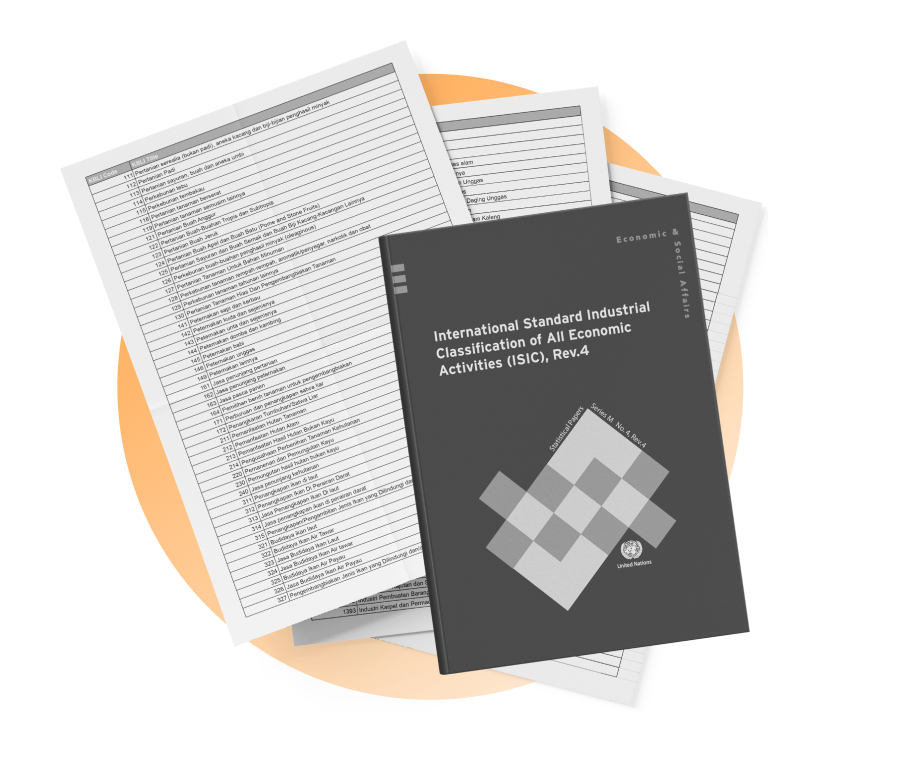
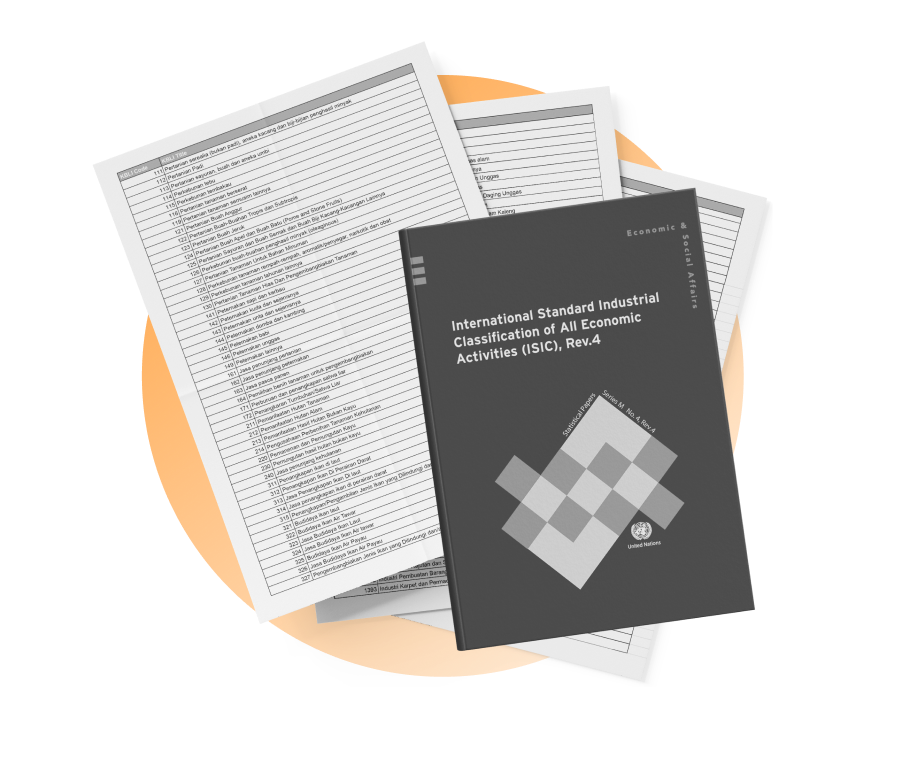
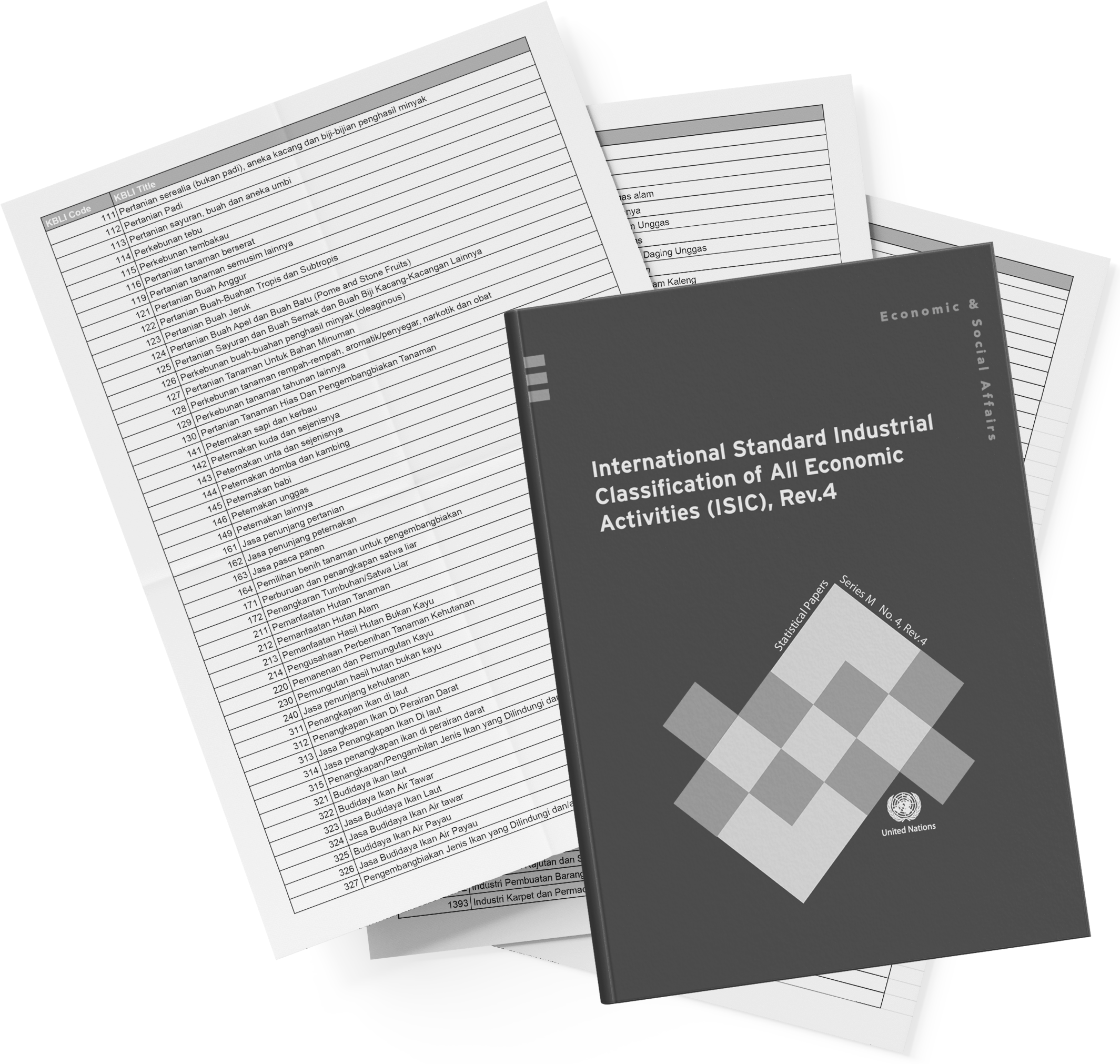
KBLI: 5013: Domestic Sea Freight Transport Industry in Indonesia
ISIC: Reference: International Standard Industrial Classification
NAICS: Comparable: North American Industry Classification System
Industry Terms
Key terminology for understanding the Domestic Sea Freight Transport Industry in Indonesia industry.
Cabotage
Policy mandating domestic sea transport uses Indonesian-flagged ships operated by national companies.
Protects local players but limits capital access, raising costs via older fleets; trade-off between sovereignty and efficiency.
Tol Laut
Government-subsidized sea highway program providing fixed tariffs on designated inter-island routes.
Stabilizes rates for remote areas, enabling volume guarantees but requiring compliance with rigid schedules.
Tramper
Non-scheduled vessel that loads cargo opportunistically across ports.
Offers flexibility for irregular bulk flows like mining outputs, contrasting liner predictability.
Industry Overview โ Business Types
Different business models operate within the Domestic Sea Freight Transport Industry in Indonesia industry.
Liner Operator
Fixed schedules and rates on high-density routes, aggregating cargo from multiple shippers.
Reliability and frequency build volume loyalty.
Standard industry practices apply.
Tramper/Charter
Vessels hired per voyage or time-charter for specific cargoes, negotiating spot rates.
Flexibility suits seasonal or project-based hauls like palm oil harvests.
Standard industry practices apply.
Feeder Service
Short-sea shuttles from hub ports to spokes, handing off to mainline vessels.
Shallow-draft expertise unlocks secondary ports.
Standard industry practices apply.
Industry Performance & Outlook
Performance outlook for Domestic Sea Freight Transport Industry in Indonesia
Post-pandemic recovery boosted volumes via commodity exports, though margins squeezed by fuel and congestion.
Positive outlook with new ports and Tol Laut expansions supporting 5-10% annual growth through 2030.
Key performance indicators
Market growth
Industry expansion rate
Driven by domestic demand
Operational efficiency
Cost management
Key competitive factor
Outlook: what to watch
Monitor regulatory changes
Track infrastructure developments
Watch for technology adoption
Industry Growth Drivers
Key factors driving growth in Domestic Sea Freight Transport Industry in Indonesia.
Growth Driver 1
Domestic consumption growth driven by expanding middle class and rising disposable incomes
Monitor industry reports and market data for trends.
Growth Driver 2
Infrastructure development reducing logistics costs and improving market access
Monitor industry reports and market data for trends.
Growth Driver 3
Government policy support including investment incentives and industrial development programs
Monitor industry reports and market data for trends.
Growth Driver 4
Technology adoption improving productivity and enabling new business models
Monitor industry reports and market data for trends.
Growth Driver 5
Regional economic integration expanding market access and supply chain opportunities
Monitor industry reports and market data for trends.
Growth Driver 6
Urbanization creating concentrated demand centers and distribution efficiencies
Monitor industry reports and market data for trends.
Industry Trends & Development
Industry Development
Evolution of Domestic Sea Freight Transport Industry in Indonesia
Containerization rising on main routes, displacing break-bulk for efficiency.
Digital platforms for booking and real-time tracking integrating with forwarders.
Key Trends
Major trends shaping the Domestic Sea Freight Transport Industry in Indonesia industry.
Digitalization and technology adoption
Industry trend shaping market dynamics.
Operators
Investors
Policymakers
Regulatory developments
Industry trend shaping market dynamics.
Operators
Investors
Policymakers
Impact and Sustainability
Sustainability and impact considerations for the domestic sea freight transport for goods industry.
Economic Impact
Contribution to national economic development.
Balancing growth with sustainability.
Environmental Considerations
Industry practices and environmental impact.
Operational costs vs sustainability.
Industry Segmentation
Industry Segmentation โ Product/Service A
Primary market segments based on service type.
Segmentation by offering
Primary Segment
Core offerings
Main market
Addresses primary demand
Secondary Segment
Supporting services
Niche markets
Specialized needs
Segments may overlap based on customer needs.
Industry Segmentation โ Product/Service B
Alternative segmentation perspectives.
Segmentation by characteristics
Mass Market
Broad appeal
General consumers
Volume-driven
Premium
High-value offerings
Discerning buyers
Quality-focused
Segment boundaries are fluid.
Customer Segmentation
Different customer segments and their characteristics.
Customer segments and what they value
B2B customers
Various
Multiple needs
Different channels
B2C consumers
Various
Multiple needs
Different channels
Key Players
Ecosystem Mapping
Domestic Sea Freight Transport Industry in Indonesia ecosystem includes various stakeholders.
Suppliers
Provide inputs and raw materials.
Primary producers
Input suppliers
Operators
Core industry participants.
Main industry operators
Service providers
Distribution
Channel to end customers.
Distributors
Retailers
How value flows across the ecosystem
Value is created through coordinated activities across the ecosystem.
Leading Players
Competitive landscape and key player archetypes.
Competitive archetypes
Market Leader
Dominant position
Scale, brand recognition
Market saturation
Specialist
Niche focus
Expertise, agility
Limited scale
How competition typically plays out
Competition is shaped by scale advantages, operational efficiency, and customer relationships.
Differentiation strategies vary by segment, with some players competing on price and others on service quality.
Operating Conditions
Operating Model & Cost Structure
Operating models in Domestic Sea Freight Transport Industry in Indonesia vary by business type.
Direct costs
Primary operational expenses
Input costs
Labor
Utilities
Major cost component
Overhead
Indirect operational costs
Administration
Facilities
Marketing
Scale-dependent
Cost structure summary
Direct costs
Volume and input prices
Operations
Efficiency improvements
Overhead
Scale and complexity
Administration
Process optimization
Cost structure varies by business model and scale.
Regulation & Compliance Considerations
Regulatory framework and compliance requirements.
Common compliance topics
Business licensing
Operating permits
Legal operation
Maintain valid licenses
Quality standards
Product/service requirements
Market access
Quality control systems
Stay current with regulatory changes.
FAQs & Sources
FAQs
What is Domestic Sea Freight Transport Industry in Indonesia?
Domestic Sea Freight Transport Industry in Indonesia encompasses various business activities in the Indonesian market.
Sources & Notes
This report is a synthesized overview based on industry analysis and desk research.
BPS (Statistics Indonesia)
Official statistics and industry data.
Ministry of Industry regulations
Regulatory framework and compliance requirements.
This report is for informational purposes and should not be treated as legal, regulatory, or investment advice.