Demolition Industry in Indonesia
A practical guide to Demolition Industry in Indonesiaโmarket dynamics, operational realities, and strategic considerations in Indonesia
Demolition Industry in Indonesia services involve the systematic dismantling, destruction, or leveling of buildings, bridges, and other structures to clear sites for redevelopment. Operators use manual labor, heavy machinery like excavators and hydraulic breakers, or controlled explosives, while managing debris removal and site safety.
Clear industry definition and scope of activities
Operational realities across Indonesia's regions
Market segmentation and customer analysis
Ecosystem mapping and competitive dynamics
Cost structure and unit economics
Regulatory and compliance considerations
Executive Summary
Demolition Industry in Indonesia services involve the systematic dismantling, destruction, or leveling of buildings, bridges, and other structures to clear sites for redevelopment.
Operators use manual labor, heavy machinery like excavators and hydraulic breakers, or controlled explosives, while managing debris removal and site safety.
Labor-intensive with a mix of skilled machine operators and manual workers; safety compliance under K3 standards is non-negotiable.
Debris recycling into aggregates reduces costs and meets environmental mandates, turning waste into revenue.
Urban operations face logistics hurdles like narrow access and traffic, favoring local firms with street-level knowledge.
Demand cycles align with construction booms, peaking pre-monsoon for dry-site work.
Mechanization is rising but capex-heavy, creating a divide between small manual operators and equipped specialists.
Permits via OSS system streamline entry, but local negotiations remain key.
Why this industry matters in Indonesia
Controlled demolition-industry-in-indonesia enables urban renewal and infrastructure development in dense cities.
Proper dismantling of hazardous structures prevents environmental contamination and public safety risks.
Recycling demolition-industry-in-indonesia materials supports circular economy and reduces landfill burden.
So what: Practical implications
Conduct thorough structural assessments before any demolition-industry-in-indonesia activity.
Obtain all necessary permits and environmental clearances.
Implement dust suppression and debris management protocols.
Develop material recovery and recycling capabilities for sustainability.
Indonesia at a Glance
Republic of Indonesia: Large and fragmented market
Tied to Indonesia's booming construction sector, demolition-industry-in-indonesia sees steady demand from urban renewal and infra projects without standalone market sizing.
Java accounts for 70%+ activity; emerging hubs in IKN and Batam signal geographic shift.
Market dynamics continue to evolve with changing economic conditions.
Hyperlocalization is key to navigate Indonesia's market
Jakarta firms specialize in high-density demos navigating kampung access and flyover constraints.
Surabaya operators leverage port proximity for debris export, differing from Bandung's hillside challenges.
Opportunities extend beyond cities
Mining sites in Sulawesi and Sumatra require industrial structure teardowns for expansions.
Rural dam and irrigation projects under PUPR demand basic leveling services.
Jakarta urban renewal and flood mitigation projects requiring mass demolition-industry-in-indonesia services
New capital (IKN) Nusantara construction creating demand for site clearance
Green demolition-industry-in-indonesia and material recycling regulations driving service differentiation
Mining sector ESG compliance increasing rehabilitation and closure project demand
Specialized underwater demolition-industry-in-indonesia for port expansion and offshore structures
Industrial decommissioning of aging factories in Java industrial zones
Distribution realities: logistics, infrastructure, and channel reach
Debris trucks face urban tolls and odd-hour restrictions; crushers co-located near sites cut hauls.
Inter-island barge transport for bulky waste from remote projects hikes logistics 20-30%.
Establish robust distribution partnerships covering both modern trade and traditional channels
Invest in localized supply chain capabilities to navigate logistics complexities and reduce costs
Develop region-specific market entry strategies accounting for local competitive dynamics
Build flexibility into operations to adapt to regulatory changes and infrastructure variations
Industry Definition
What is Demolition Industry in Indonesia?
Industry Definition
KBLI 4311 encompasses all demolition-industry-in-indonesia activities: dismantling or leveling buildings and structures, including cleanup but excluding excavation (4312) or waste processing.
Focuses on pre-construction phase; boundaries exclude renovation preservation or hazardous material abatement unless integral.
Indonesia in Focus
Indonesia's large population and growing economy create substantial market opportunities.
Archipelagic geography presents unique distribution and logistics challenges.
Industry Classification
Primary classification: Based on core business activity
Secondary classification: Related supporting activities
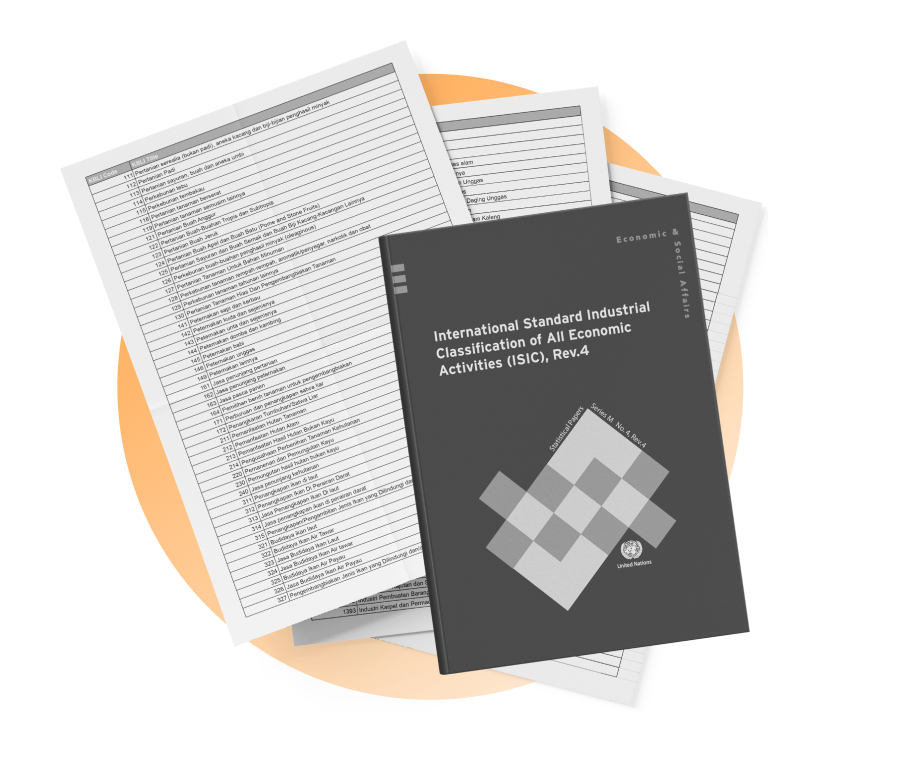
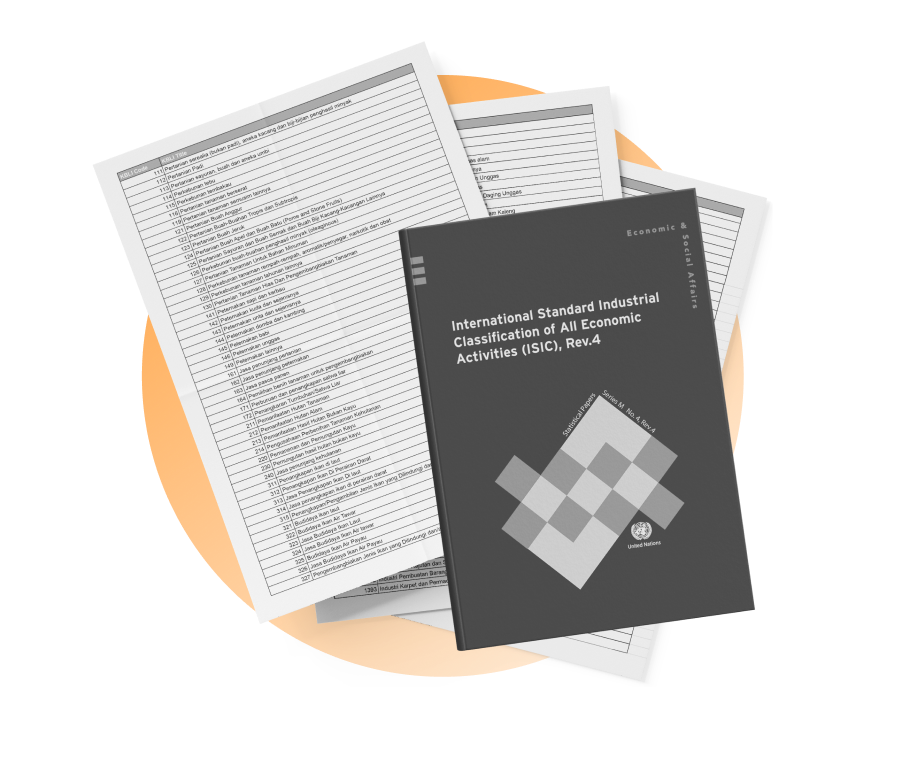
KBLI: 4311: Demolition Industry in Indonesia
ISIC: Reference: International Standard Industrial Classification
NAICS: Comparable: North American Industry Classification System
Industry Terms
Key terminology for understanding the Demolition Industry in Indonesia industry.
Mechanical Demolition Industry in Indonesia
Using excavators, shears, and crushers to topple structures progressively.
Faster and safer for mid-to-high rises in dense areas, reducing manual labor risks.
Selective Demolition Industry in Indonesia
Targeted removal of portions while preserving core structure.
Enables retrofits in Jakarta's mixed-use zones, minimizing downtime and costs.
Debris Recycling
Crushing concrete/steel onsite or offsite for reuse as fill or rebar.
Complies with KLHK waste rules, cuts disposal fees by 40%, and appeals to green developers.
Industry Overview โ Business Types
Different business models operate within the Demolition Industry in Indonesia industry.
Specialist Demolition Industry in Indonesia Contractor
Bids on standalone demo jobs using owned/rented heavy gear; handles permits and cleanup.
Deep expertise in complex urban sites, faster execution than generalists.
Standard industry practices apply.
Integrated Construction Arm
In-house teams demo as first phase of full builds, coordinating seamlessly.
Lower margins but steady pipeline from parent developer.
Standard industry practices apply.
Scrap Value Buyer
Purchases old buildings outright, demos for material resale offsetting costs.
Risk-reward model thrives on metal price spikes, common in industrial zones.
Standard industry practices apply.
Industry Performance & Outlook
Performance outlook for Demolition Industry in Indonesia
Sector tracks construction growth at 4-6% CAGR, resilient to slowdowns as essential precursor.
Positive outlook through 2030 with IKN phases and housing drives, though labor shortages loom.
Key performance indicators
Market growth
Industry expansion rate
Driven by domestic demand
Operational efficiency
Cost management
Key competitive factor
Outlook: what to watch
Monitor regulatory changes
Track infrastructure developments
Watch for technology adoption
Industry Growth Drivers
Key factors driving growth in Demolition Industry in Indonesia.
Growth Driver 1
Domestic consumption growth driven by expanding middle class and rising disposable incomes
Monitor industry reports and market data for trends.
Growth Driver 2
Infrastructure development reducing logistics costs and improving market access
Monitor industry reports and market data for trends.
Growth Driver 3
Government policy support including investment incentives and industrial development programs
Monitor industry reports and market data for trends.
Growth Driver 4
Technology adoption improving productivity and enabling new business models
Monitor industry reports and market data for trends.
Growth Driver 5
Regional economic integration expanding market access and supply chain opportunities
Monitor industry reports and market data for trends.
Growth Driver 6
Urbanization creating concentrated demand centers and distribution efficiencies
Monitor industry reports and market data for trends.
Industry Trends & Development
Industry Development
Evolution of Demolition Industry in Indonesia
Evolution from hammer-and-chisel manual work to excavator fleets, halving timelines.
Digital shift: Drone surveys and BIM for precise planning in high-rises.
Key Trends
Major trends shaping the Demolition Industry in Indonesia industry.
Digitalization and technology adoption
Industry trend shaping market dynamics.
Operators
Investors
Policymakers
Regulatory developments
Industry trend shaping market dynamics.
Operators
Investors
Policymakers
Impact and Sustainability
Sustainability and impact considerations for the demolition-industry-in-indonesia industry.
Economic Impact
Contribution to national economic development.
Balancing growth with sustainability.
Environmental Considerations
Industry practices and environmental impact.
Operational costs vs sustainability.
Industry Segmentation
Industry Segmentation โ Product/Service A
Primary market segments based on service type.
Segmentation by offering
Primary Segment
Core offerings
Main market
Addresses primary demand
Secondary Segment
Supporting services
Niche markets
Specialized needs
Segments may overlap based on customer needs.
Industry Segmentation โ Product/Service B
Alternative segmentation perspectives.
Segmentation by characteristics
Mass Market
Broad appeal
General consumers
Volume-driven
Premium
High-value offerings
Discerning buyers
Quality-focused
Segment boundaries are fluid.
Customer Segmentation
Different customer segments and their characteristics.
Customer segments and what they value
B2B customers
Various
Multiple needs
Different channels
B2C consumers
Various
Multiple needs
Different channels
Key Players
Ecosystem Mapping
Demolition Industry in Indonesia ecosystem includes various stakeholders.
Suppliers
Provide inputs and raw materials.
Primary producers
Input suppliers
Operators
Core industry participants.
Main industry operators
Service providers
Distribution
Channel to end customers.
Distributors
Retailers
How value flows across the ecosystem
Value is created through coordinated activities across the ecosystem.
Leading Players
Competitive landscape and key player archetypes.
Competitive archetypes
Market Leader
Dominant position
Scale, brand recognition
Market saturation
Specialist
Niche focus
Expertise, agility
Limited scale
How competition typically plays out
Competition is shaped by scale advantages, operational efficiency, and customer relationships.
Differentiation strategies vary by segment, with some players competing on price and others on service quality.
Operating Conditions
Operating Model & Cost Structure
Operating models in Demolition Industry in Indonesia vary by business type.
Direct costs
Primary operational expenses
Input costs
Labor
Utilities
Major cost component
Overhead
Indirect operational costs
Administration
Facilities
Marketing
Scale-dependent
Cost structure summary
Direct costs
Volume and input prices
Operations
Efficiency improvements
Overhead
Scale and complexity
Administration
Process optimization
Cost structure varies by business model and scale.
Regulation & Compliance Considerations
Regulatory framework and compliance requirements.
Common compliance topics
Business licensing
Operating permits
Legal operation
Maintain valid licenses
Quality standards
Product/service requirements
Market access
Quality control systems
Stay current with regulatory changes.
FAQs & Sources
FAQs
What is Demolition Industry in Indonesia?
Demolition Industry in Indonesia encompasses various business activities in the Indonesian market.
Sources & Notes
This report is a synthesized overview based on industry analysis and desk research.
BPS (Statistics Indonesia)
Official statistics and industry data.
Ministry of Industry regulations
Regulatory framework and compliance requirements.
This report is for informational purposes and should not be treated as legal, regulatory, or investment advice.