Crumb Rubber and Rubber Processing Industry in Indonesia
A practical guide to Crumb Rubber and Rubber Processing Industry in Indonesiaโmarket dynamics, operational realities, and strategic considerations in Indonesia
The Smoking, Remilling, and Crumb Rubber Industry processes raw natural rubber coagulum or latex into export-standard forms: ribbed smoked sheets (RSS) via smoking, refined sheets via remilling, and granulated crumb rubber (Standard Indonesian Rubber or SIR). Smoking coagulates latex into sheets, ribs them, and dries them in smokehouses to achieve golden-brown color, pliability, and low moisture for storage. Remilling mechanically works existing sheets to whiten and uniformize for premium grades, while crumb mills dry, grind, and screen cup lump or field coagulum into dust-free granules. These steps ensure physical purity, consistent grading (e.g., SIR20, RSS1), and compliance with international specs, turning perishable raw material into shelf-stable products for tire makers and rubber compounders.
Clear industry definition and scope of activities
Operational realities across Indonesia's regions
Market segmentation and customer analysis
Ecosystem mapping and competitive dynamics
Cost structure and unit economics
Regulatory and compliance considerations
Executive Summary
The Smoking, Remilling, and Crumb Rubber Industry processes raw natural rubber coagulum or latex into export-standard forms: ribbed smoked sheets (RSS) via smoking, refined sheets via remilling, and granulated crumb rubber (Standard Indonesian Rubber or SIR). Smoking coagulates latex into sheets, ribs them, and dries them in smokehouses to achieve golden-brown color, pliability, and low moisture for storage. Remilling mechanically works existing sheets to whiten and uniformize for premium grades, while crumb mills dry, grind, and screen cup lump or field coagulum into dust-free granules.
These steps ensure physical purity, consistent grading (e.g., SIR20, RSS1), and compliance with international specs, turning perishable raw material into shelf-stable products for tire makers and rubber compounders.
Crumb rubber (SIR) comprises 95% of exports due to easier bagging, shipping, and tire compounding versus bulky RSS bales.
Smoking remains traditional in Sumatra for RSS grades prized in Japan, but high wood fuel costs push electrification.
Factories cluster near plantations; transporting wet coagulum over 100km risks mold and quality loss.
Quality grading hinges on manual sorting for dirt, bark, and fiberโautomation rare outside top mills.
Export bans on raw latex since 2011 boosted processing capacity, but low prices deter investment.
Why this industry matters in Indonesia
Supports Indonesia's economic growth and development objectives.
Creates employment opportunities across diverse skill levels.
Critical for service delivery and value chain integration.
Enables Indonesia's competitiveness in regional and global markets.
So what: Practical implications
Operators: Focus on quality consistency and process standardization
Buyers: Evaluate supplier capabilities beyond pricing
Investors: Look for operational efficiency and scalability
Policymakers: Support infrastructure development
Indonesia at a Glance
Republic of Indonesia: Large and fragmented market
Indonesia processes ~2.5-3 million tons of natural rubber annually, exporting 75-85% as SIR crumb and RSS, with North Sumatra alone shipping millions in value yearly via regional hubs. Tire demand drives crumb preference, but RSS holds niche for specialty compounds.
Production dips in 2025 from low prices and tree age, yet export volumes hold as processors absorb smallholder supply.
Market dynamics continue to evolve with changing economic conditions.
Hyperlocalization is key to navigate Indonesia's market
Factories embed in plantation districts like Asahan (North Sumatra) or Indragiri Hulu (Riau), sourcing cup lump daily by truck to process within hours and avoid fermentation. This minimizes transport costs but ties viability to local yield cycles.

Regional differences: Sumatra favors crumb from diverse smallholder latex; Kalimantan RSS from estate blocks.
Opportunities extend beyond cities
Rural mill clusters in regencies like Labuhan Batu or Tanjung Jabung process 70% of output, far from Jakarta or Medan urban cores, relying on feeder roads to ports.
Island-hopping logistics challenge expansion; Sulawesi mills serve domestic needs amid underdeveloped infrastructure.
Growing middle class driving premiumization trends across product categories and services
Digital adoption accelerating with mobile-first consumer behavior creating new channel opportunities
Infrastructure investment improving connectivity and reducing logistics costs across the archipelago
Government initiatives supporting domestic industry development and foreign investment attraction
Regional economic integration through ASEAN creating expanded market access and trade opportunities
Sustainability and ESG considerations creating differentiation opportunities for responsible businesses
Distribution realities: logistics, infrastructure, and channel reach
Crumb ships in 35kg polybags on 20ft containers (18-20 tons/load), RSS in bales; both via RoRo ferries to Java ports then deepsea. Congestion at Belawan delays peak-season exports.
Traceability systems like latex-to-factory GPS now mandatory for premium markets, complicating small truck networks.
Establish robust distribution partnerships covering both modern trade and traditional channels
Invest in localized supply chain capabilities to navigate logistics complexities and reduce costs
Develop region-specific market entry strategies accounting for local competitive dynamics
Build flexibility into operations to adapt to regulatory changes and infrastructure variations
Industry Definition
What is Crumb Rubber and Rubber Processing Industry in Indonesia?
Industry Definition
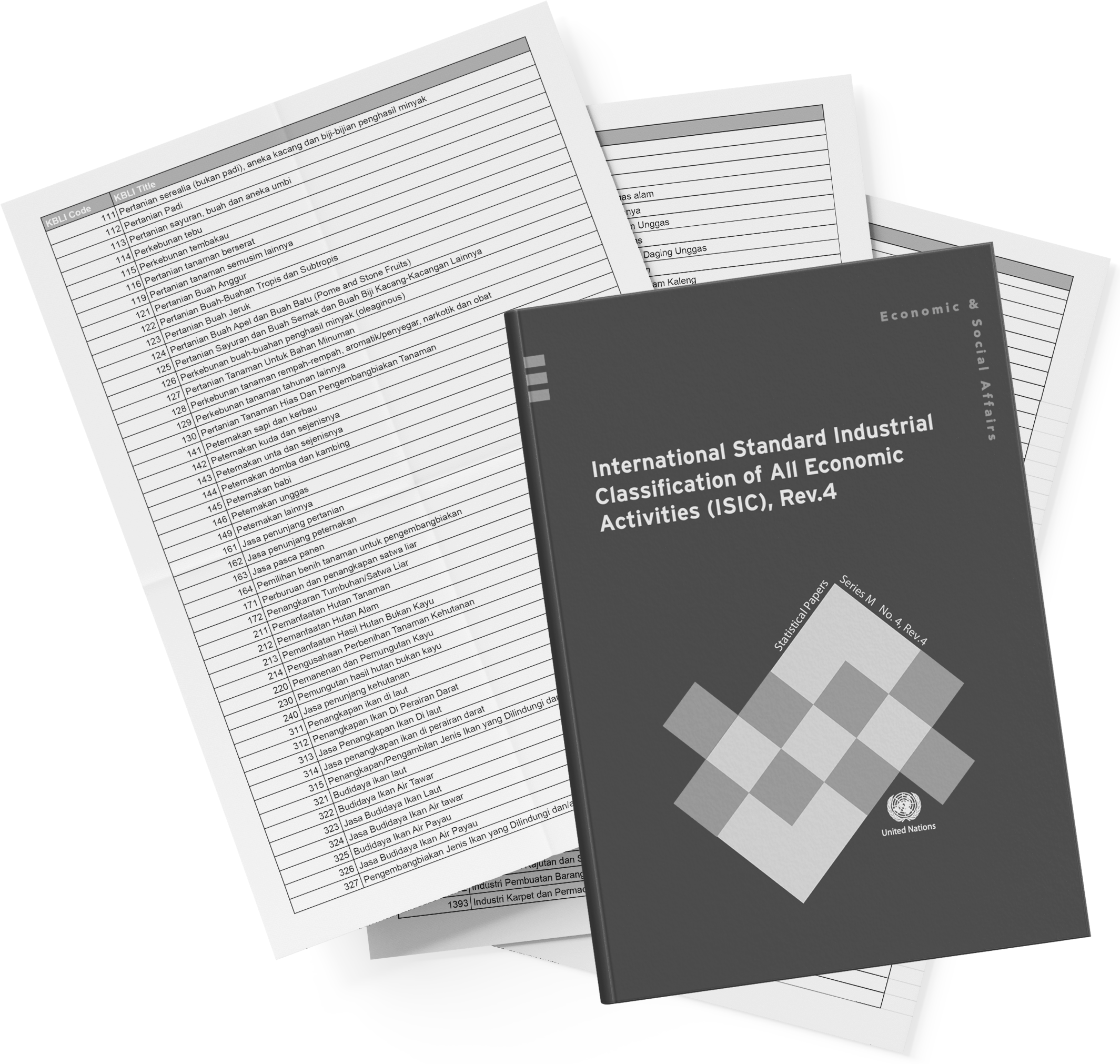
KBLI 2212 covers post-coagulation processing of natural rubber into smoked sheets (22121), remilled sheets (22122), and crumb (22123), excluding upstream tapping or latex concentration and downstream tire molding. Boundaries stop at basic standardization; advanced compounding falls under KBLI 2219.
Core activities: coagulation (if on-site), sheeting/granulating, drying/smoking, milling, screening, baling/bagging, and quality assaying per SIR/RSS specs.
Indonesia in Focus
Indonesia's archipelago geography creates unique distribution challenges requiring adapted logistics and storage solutions.
High humidity and tropical climate demand specific technical approaches to quality preservation and product integrity.
Industry Classification
Conceptually, industry activities sit under specific regulatory frameworks with classification by operational scale and service model.
Operators may be classified by activity type, by service delivery model, and by end-use applications.
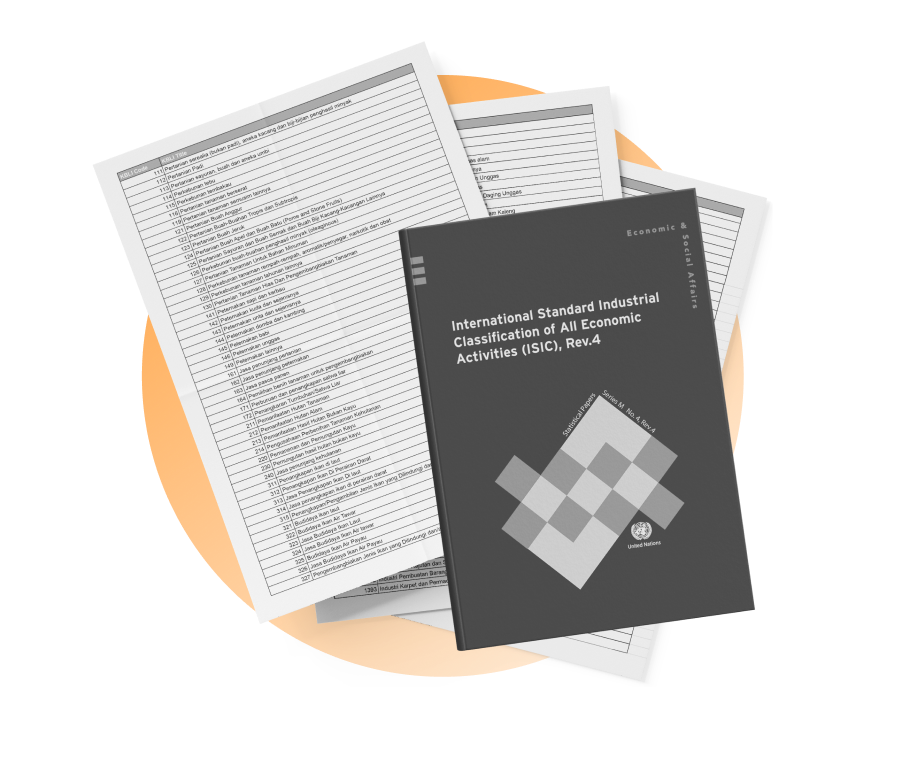
KBLI: 2212: Crumb Rubber and Rubber Processing Industry in Indonesia
ISIC: Reference: International Standard Industrial Classification
NAICS: Comparable: North American Industry Classification System
Industry Terms
Key terminology for understanding the Crumb Rubber and Rubber Processing Industry in Indonesia industry.
Cup Lump
Whole stretched coagulum from smallholder acid-treated latex, dried in cups; main feedstock for crumb.
Variable quality demands rigorous cleaning; price benchmark for factory intake.
RSS (Ribbed Smoked Sheet)
Sheets coagulated, ribbed, air-dried, then smokehouse-dried to 5-7% moisture.
Premium grades (RSS1) fetch higher prices but require skilled smoking control.
SIR (Standard Indonesian Rubber)
Crumb grades (SIR10 to SIR20) from milled, screened granules meeting ISO specs for dirt retention.

Dominates exports; consistent granule size suits automated tire mixing.
Industry Overview โ Business Types
Different business models operate within the Crumb Rubber and Rubber Processing Industry in Indonesia industry.
Standalone Crumb Mills
Buy cup lump, dry in rotary drums, mill to granules, screen impurities, bag SIR20/10.
High-throughput dryers handle seasonal peaks; low capex vs. smoking.
Standard industry practices apply.
RSS Smokehouses
Coagulate latex on-site, sheet/rib via rollers, smoke-dry in wood-fired chambers for RSS3-5.
Artisanal color control appeals to Japan; fuel efficiency key.
Standard industry practices apply.
Integrated Remillers
Re-mill lower-grade RSS on crepe machines to whiten/stretch for RSS1, blending lots.
Quality upgrade margins; serves premium export niches.
Standard industry practices apply.
Industry Performance & Outlook
Performance outlook for Crumb Rubber and Rubber Processing Industry in Indonesia
Capacity utilization swings with latex prices; 2025 sees pressure from global oversupply and weak auto demand.
Outlook ties to tire rebound and replanting; crumb volumes stable, RSS eroding to crumbs.
Key performance indicators
Market growth
Industry expansion rate
Driven by domestic demand
Operational efficiency
Cost management
Key competitive factor
Outlook: what to watch
Monitor regulatory changes
Track infrastructure developments
Watch for technology adoption
Industry Growth Drivers
Key factors driving growth in Crumb Rubber and Rubber Processing Industry in Indonesia.
Growth Driver 1
Domestic consumption growth driven by expanding middle class and rising disposable incomes
Monitor industry reports and market data for trends.
Growth Driver 2
Infrastructure development reducing logistics costs and improving market access
Monitor industry reports and market data for trends.
Growth Driver 3
Government policy support including investment incentives and industrial development programs
Monitor industry reports and market data for trends.
Growth Driver 4
Technology adoption improving productivity and enabling new business models
Monitor industry reports and market data for trends.
Growth Driver 5
Regional economic integration expanding market access and supply chain opportunities
Monitor industry reports and market data for trends.
Growth Driver 6
Urbanization creating concentrated demand centers and distribution efficiencies
Monitor industry reports and market data for trends.
Industry Trends & Development
Industry Development
Evolution of Crumb Rubber and Rubber Processing Industry in Indonesia
From manual smoke sheds to semi-automated crumb lines: post-2011 latex ban spurred factory builds near smallholders.
Crumb overtook RSS as mills prioritized granule efficiency for container shipping.
Key Trends
Major trends shaping the Crumb Rubber and Rubber Processing Industry in Indonesia industry.
Digitalization and technology adoption
Industry trend shaping market dynamics.
Operators
Investors
Policymakers
Regulatory developments
Industry trend shaping market dynamics.
Operators
Investors
Policymakers
Impact and Sustainability
Sustainability and impact considerations for the smoking, remilling and crumb rubber industry industry.
Economic Impact
Contribution to national economic development.
Balancing growth with sustainability.
Environmental Considerations
Industry practices and environmental impact.
Operational costs vs sustainability.
Industry Segmentation
Industry Segmentation โ Product/Service A
Primary market segments based on service type.
Segmentation by offering
Primary Segment
Core offerings
Main market
Addresses primary demand
Secondary Segment
Supporting services
Niche markets
Specialized needs
Segments may overlap based on customer needs.
Industry Segmentation โ Product/Service B
Alternative segmentation perspectives.
Segmentation by characteristics
Mass Market
Broad appeal
General consumers
Volume-driven
Premium
High-value offerings
Discerning buyers
Quality-focused
Segment boundaries are fluid.
Customer Segmentation
Different customer segments and their characteristics.
Customer segments and what they value
B2B customers
Various
Multiple needs
Different channels
B2C consumers
Various
Multiple needs
Different channels
Key Players
Ecosystem Mapping
Crumb Rubber and Rubber Processing Industry in Indonesia ecosystem includes various stakeholders.
Suppliers
Provide inputs and raw materials.
Primary producers
Input suppliers
Operators
Core industry participants.
Main industry operators
Service providers
Distribution
Channel to end customers.
Distributors
Retailers
How value flows across the ecosystem
Value is created through coordinated activities across the ecosystem.
Leading Players
Competitive landscape and key player archetypes.
Competitive archetypes
Market Leader
Dominant position
Scale, brand recognition
Market saturation
Specialist
Niche focus
Expertise, agility
Limited scale
How competition typically plays out
Competition is shaped by scale advantages, operational efficiency, and customer relationships.
Differentiation strategies vary by segment, with some players competing on price and others on service quality.
Operating Conditions
Operating Model & Cost Structure
Operating models in Crumb Rubber and Rubber Processing Industry in Indonesia vary by business type.
Direct costs
Primary operational expenses
Input costs
Labor
Utilities
Major cost component
Overhead
Indirect operational costs
Administration
Facilities
Marketing
Scale-dependent
Cost structure summary
Direct costs
Volume and input prices
Operations
Efficiency improvements
Overhead
Scale and complexity
Administration
Process optimization
Cost structure varies by business model and scale.
Regulation & Compliance Considerations
Regulatory framework and compliance requirements.
Common compliance topics
Business licensing
Operating permits
Legal operation
Maintain valid licenses
Quality standards
Product/service requirements
Market access
Quality control systems
Stay current with regulatory changes.
FAQs & Sources
FAQs
What is Crumb Rubber and Rubber Processing Industry in Indonesia?
Crumb Rubber and Rubber Processing Industry in Indonesia encompasses various business activities in the Indonesian market.
Sources & Notes
This report is a synthesized overview based on industry analysis and desk research.
BPS (Statistics Indonesia)
Official statistics and industry data.
Ministry of Industry regulations
Regulatory framework and compliance requirements.
This report is for informational purposes and should not be treated as legal, regulatory, or investment advice.