Basic Chemical Manufacturing Industry in Indonesia
KBLI 2011 — Petrochemical olefins/aromatics, chlor-alkali, ammonia/urea and industrial gases anchoring downstream manufacturing
Indonesia's basic chemicals industry covers petrochemicals (olefins — ethylene, propylene, butadiene; aromatics — benzene, toluene, xylene; methanol), inorganic chemicals (chlor-alkali, soda ash, sulphuric acid), ammonia/urea fertiliser intermediates, and industrial gases (oxygen, nitrogen, argon, CO2). Petrochemical leader is PT Chandra Asri Pacific (IDX: TPIA — formerly Chandra Asri Petrochemical), Indonesia's only naphtha cracker, with a major capacity expansion (CAP2) underway in Cilegon. Lotte Chemical Titan operates Indonesia's second naphtha cracker (under construction), Tuban; Pupuk Indonesia subsidiaries (Pupuk Kaltim, Pupuk Sriwidjaja Palembang, Pupuk Iskandar Muda, Pupuk Kujang, Petrokimia Gresik) produce ammonia/urea; PT Asahimas Chemical leads chlor-alkali (caustic soda, PVC inputs); PT Air Liquide Indonesia, PT Linde Indonesia (Linde), PT Iwatani Industrial Gas Indonesia and PT Samator Indo Gas (IDX: AGII) lead industrial gases. Indonesia is a net importer of basic chemicals; downstream demand from plastics, agrochemicals, pharma, textiles drives growth.
Chandra Asri Pacific (IDX: TPIA) — Indonesia's only naphtha cracker (Cilegon); CAP2 expansion underway
Lotte Chemical Titan Indonesia — second naphtha cracker (under construction) in Tuban, East Java
Pupuk Indonesia subsidiaries — Pupuk Kaltim, Pupuk Sriwidjaja, Pupuk Iskandar Muda, Pupuk Kujang, Petrokimia Gresik anchor ammonia/urea
Asahimas Chemical — chlor-alkali leader (caustic soda, EDC, VCM for PVC)
Industrial gases: Air Liquide Indonesia, Linde Indonesia, Iwatani Industrial Gas Indonesia, Samator (IDX: AGII)
Indonesia is structurally a net importer; downstream plastics/fertiliser/textile demand drives capacity additions
Executive Summary
Indonesia's basic chemicals industry (KBLI 2011) is anchored by PT Chandra Asri Pacific (IDX: TPIA — formerly Chandra Asri Petrochemical, controlled by Barito Pacific group + SCG Chemicals), operating Indonesia's only naphtha cracker at Cilegon (ethylene ~900 ktpa, propylene ~490 ktpa) with major CAP2 expansion underway (planned >1.5 mtpa ethylene equivalent). Lotte Chemical Titan is building Indonesia's second naphtha cracker (Tuban, East Java) with a Korean parent (Lotte Chemical) — start-up planned mid-decade. Pupuk Indonesia (state-owned holding) operates ammonia/urea via subsidiaries Pupuk Kaltim (Bontang, largest), Pupuk Sriwidjaja Palembang (Pusri), Pupuk Iskandar Muda (Aceh), Pupuk Kujang (Cikampek), and Petrokimia Gresik.
Chlor-alkali (caustic soda, EDC, VCM feeding PVC) is led by PT Asahimas Chemical (joint venture with AGC Inc. Japan, plant at Cilegon) plus Sulfindo Adi Usaha and Polychem. Industrial gases dominated by Air Liquide Indonesia, Linde Indonesia (Linde plc), Iwatani Industrial Gas Indonesia and PT Samator Indo Gas (IDX: AGII, the listed local champion). Methanol via Kaltim Methanol Industri and Pupuk Indonesia adjacent. Indonesia is structurally a net importer of olefins/aromatics; downstream plastics (polyethylene, polypropylene, PVC), urea-based agrochemicals, pharmaceutical intermediates and textile chemicals drive demand and capacity additions.
Chandra Asri (IDX: TPIA) is Indonesia's only operating naphtha cracker; CAP2 expansion is the major capacity event
Lotte Chemical Titan Tuban will add a second naphtha cracker mid-decade
Pupuk Indonesia subsidiaries anchor ammonia/urea (Pupuk Kaltim, Pusri Palembang, Pupuk Iskandar Muda, Pupuk Kujang, Petrokimia Gresik)
Chlor-alkali: Asahimas Chemical (AGC JV), Sulfindo Adi Usaha, Polychem
Industrial gases: Air Liquide, Linde, Iwatani, Samator (IDX: AGII)
Indonesia is net importer; downstream demand drives capacity
Regulation: Kemenperin, KLHK environmental, BPOM (selected chemicals)
Why this industry matters in Indonesia
Basic chemicals underpin nearly all manufacturing — plastics, fertiliser, pharma, textile, paint, detergent, rubber, glass, automotive.
Heavy capex (naphtha cracker is multi-billion-USD) makes capacity additions strategically scarce; Indonesia's net-importer position is a perennial trade-deficit driver.
Pupuk Indonesia ammonia/urea supply underpins food security via fertiliser subsidy.
Industrial gases support healthcare (medical oxygen), food packaging (CO2), electronics, metals processing.
So what: Practical implications
Operators: Lock feedstock (naphtha, natural gas) hedges; monitor CAP2 timing and Lotte Tuban start-up; partner with downstream offtakers
Buyers (plastics, fertiliser, pharma): Diversify supply between Chandra Asri, imports (Singapore, Malaysia, Middle East), Lotte Tuban once online
Investors: Watch TPIA (Chandra Asri) for CAP2 milestones; AGII (Samator) for industrial gases growth; Pupuk Indonesia listing rumours
Policymakers: Petrochemical investment incentives (BKPM tax holiday), gas/naphtha feedstock policy, fertiliser subsidy continuity
Indonesia at a Glance
Republic of Indonesia: net-importer petrochemical economy with capacity build-out
Indonesia is a major basic-chemicals consumer but structurally a net importer of olefins (ethylene, propylene) and aromatics (benzene, toluene, xylene). Chandra Asri's Cilegon cracker is the only operating naphtha cracker; Indonesia imports the balance of ethylene and downstream polymers from Singapore (Shell, ExxonMobil), Malaysia (Petronas), Thailand (PTT Global Chemical), Middle East and Korea.
Pupuk Indonesia ammonia/urea capacity is largely self-sufficient and net-exports urea (mainly to India, ASEAN markets) when domestic surplus permits.
Petrochemical clusters: Cilegon (Banten — Chandra Asri, Asahimas Chemical, Sulfindo Adi Usaha, Polychem); Tuban (East Java — Lotte Chemical Titan under construction); Bontang (East Kalimantan — Pupuk Kaltim, Kaltim Methanol Industri); Palembang (Pusri); Gresik (Petrokimia); Cikampek (Pupuk Kujang).
Industrial gases plants concentrate around major manufacturing zones — Cikarang, Cilegon, Gresik, Surabaya, Batam.
Hyperlocalisation is key to navigate Indonesia's market
Feedstock economics differ regionally — Cilegon (naphtha imports via Tanjung Priok and Merak port); Bontang (natural gas from East Kalimantan upstream); Aceh (natural gas from Arun field, Pupuk Iskandar Muda); Tuban (Lotte cracker, naphtha imports).
Domestic downstream demand concentrates in Java industrial corridor (Cikarang, Bekasi, Karawang, Cilegon, Surabaya, Gresik) for plastics-converting and textile chemicals.
Opportunities extend beyond cities
Beyond Java: Sumatra (Pupuk Iskandar Muda Aceh ammonia/urea, Pusri Palembang ammonia/urea, Asahimas adjacent), Kalimantan (Pupuk Kaltim Bontang, Kaltim Methanol Industri, Tanjung Enim coal gasification ambitions), Sulawesi and Maluku (limited basic chemicals; downstream focus).
Coal-to-chemicals (Bukit Asam, Pertamina ambitions) and gas-to-chemicals are policy-supported diversification pathways but face capex and economics hurdles.
Chandra Asri CAP2 expansion (Cilegon) — multi-billion-USD capex programme
Lotte Chemical Titan Tuban naphtha cracker start-up planned mid-decade
Pupuk Indonesia revitalisation of older plants (Pusri-IIIB, Pupuk Iskandar Muda)
Coal-to-chemicals/methanol (Bukit Asam, Pertamina) policy-supported but slow
Industrial-gas growth (Samator AGII, Linde, Air Liquide, Iwatani) tracks manufacturing GDP
Specialty chemicals — surfactants, adhesives, paint resins — adjacent growth
Distribution realities: pipelines, tank trucks, ISO tanks, cylinders
Distribution: pipelines (intra-cluster Cilegon, Bontang), tank trucks (regional), ISO tanks (export, inter-island), bulk vessels (port-to-port), gas cylinders (industrial gases), bulk gas tanks (medical oxygen, food CO2).
Feedstock imports of naphtha and ammonia via Tanjung Priok (Jakarta), Merak/Cigading (Banten), Tanjung Perak (Surabaya), Belawan (Medan), Balikpapan (East Kalimantan) ports.
Secure feedstock import logistics for olefins/aromatics
Build intra-cluster pipeline integration (Cilegon)
Develop ISO tank and bulk vessel capacity for export markets
Industrial gas cylinder logistics for nationwide healthcare/manufacturing
Industry Overview
What is the basic chemical manufacturing industry?
Definition & Boundaries
KBLI 2011 covers Industri Kimia Dasar — manufacture of basic chemicals including petrochemicals (olefins, aromatics, methanol), inorganic chemicals (chlor-alkali, soda ash, sulphuric acid, ammonia/urea precursors), industrial gases (oxygen, nitrogen, argon, CO2) and basic organic intermediates.
Included: naphtha cracking, aromatics extraction, chlor-alkali electrolysis, ammonia synthesis, industrial gas separation/liquefaction, methanol synthesis.
Excluded: petroleum refining (KBLI 1920), plastics in primary form (KBLI 2013), agrochemicals/pesticides (KBLI 2021), paint/coatings (KBLI 2022), soap and detergent (KBLI 2023), pharmaceuticals (KBLI 2101), synthetic fibres (KBLI 2030), wholesale chemicals (KBLI 4669).
Indonesia in Focus
Highly concentrated — single petrochemical incumbent (Chandra Asri) at Cilegon; Lotte Tuban under construction will be second.
State-owned Pupuk Indonesia anchors ammonia/urea via multiple subsidiaries; chlor-alkali led by Asahimas (AGC JV).
Net-importer position drives perennial trade deficit; capacity additions are policy priority.
Classification
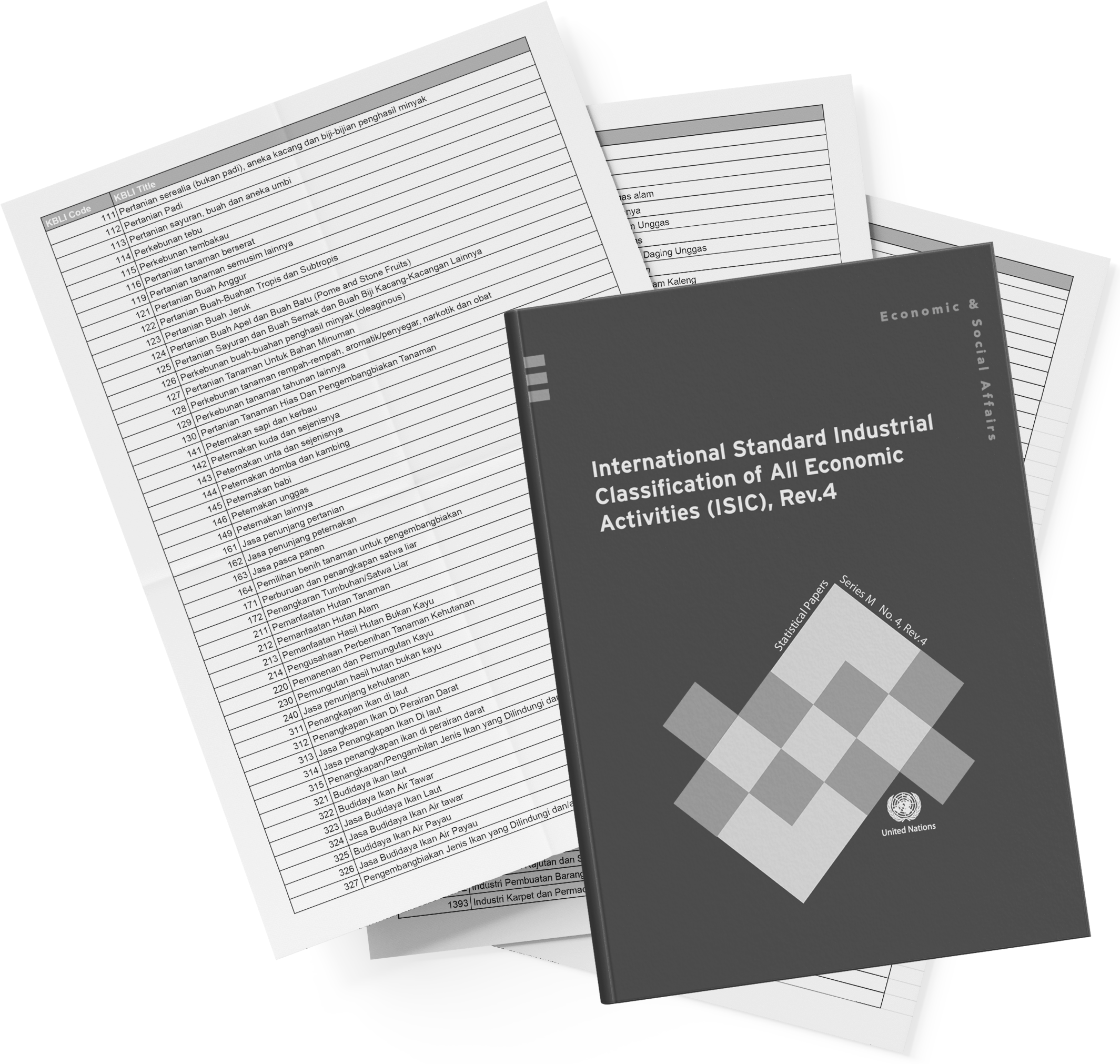
KBLI: 2011 — Industri Kimia Dasar.
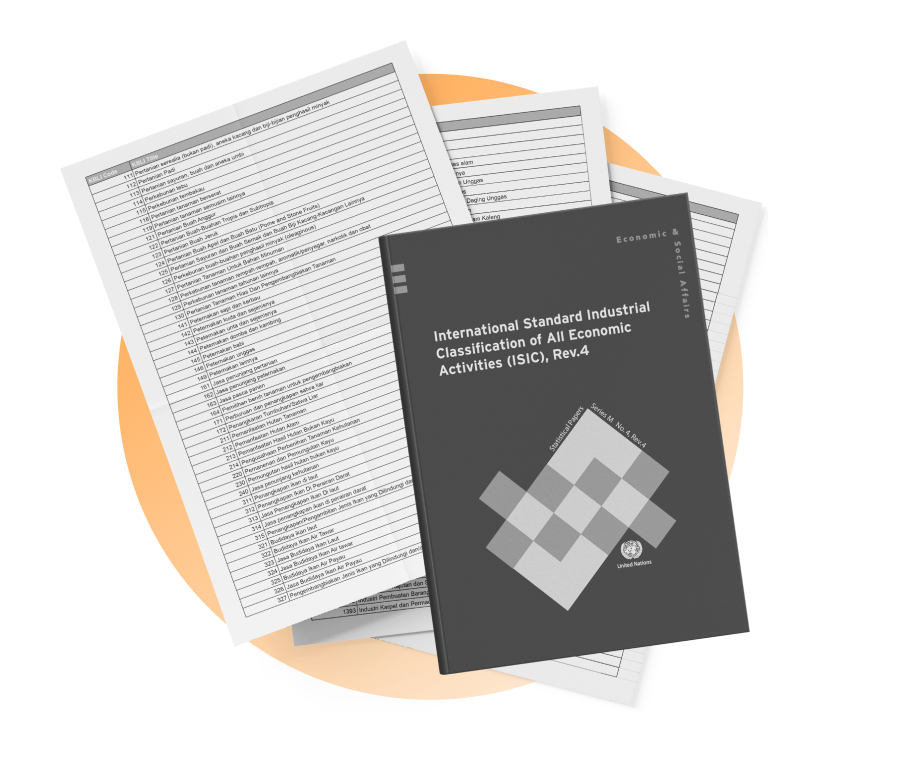
ISIC Rev. 4: 2011 — Manufacture of basic chemicals.
NAICS comparable: 3251 — Basic Chemical Manufacturing.
Industry Terms
Petrochemical and basic-chemical vocabulary blends process engineering with Indonesian regulatory anchors.
Naphtha cracker
Steam cracker breaking naphtha into ethylene, propylene, butadiene.
Chandra Asri Cilegon and Lotte Tuban (under construction) are Indonesia's only ones.
Olefins
Ethylene, propylene, butadiene — base for polymers.
Polyethylene, polypropylene feed.
Aromatics
Benzene, toluene, xylene (BTX).
Inputs to styrene, polystyrene, polyester, paint solvents.
Chlor-alkali
Electrolysis of brine producing chlorine + caustic soda.
PVC, paper bleaching, water treatment.
EDC / VCM
Ethylene dichloride / vinyl chloride monomer.
PVC plastic feedstock.
Ammonia / urea
NH3 and urea fertiliser intermediate.
Pupuk Indonesia core; food security tie.
Methanol
CH3OH — solvent, MTBE, formaldehyde input.
Kaltim Methanol Industri main producer.
Industrial gases
Oxygen, nitrogen, argon, CO2, hydrogen, helium.
Healthcare, food, electronics, metals.
TPIA
PT Chandra Asri Pacific (IDX: TPIA).
Sole petrochemical incumbent.
AGII
PT Samator Indo Gas (IDX: AGII).
Listed industrial gas champion.
Pupuk Indonesia Holding
State-owned fertiliser holding (Persero).
Anchors ammonia/urea via subsidiaries.
AMDAL
Environmental impact assessment.
Mandatory for chemical plants.
B3 / Limbah B3
Hazardous and toxic waste regulation.
KLHK regulatory framework.
Business Types & Models — how value is created
Five archetypes share KBLI 2011 — petrochemical olefins/aromatics, ammonia/urea, chlor-alkali, methanol, industrial gases.
Petrochemical olefins and aromatics (PT Chandra Asri Pacific, Lotte Chemical Titan Indonesia)
Naphtha-cracker based olefins and aromatics production. PT Chandra Asri Pacific (IDX: TPIA, formerly Chandra Asri Petrochemical) — controlled by Barito Pacific (Prajogo Pangestu group) and SCG Chemicals (Siam Cement Group of Thailand) — operates Cilegon naphtha cracker (ethylene ~900 ktpa, propylene ~490 ktpa, butadiene, pygas/aromatics). CAP2 expansion (Chandra Asri Petrochemical 2) is the major capex programme.
Lotte Chemical Titan Indonesia (LCT Indonesia, subsidiary of Lotte Chemical Korea) is constructing Indonesia's second naphtha cracker at Tuban, East Java; start-up planned mid-decade with multi-billion-USD capex.
Olefin sales (ethylene, propylene, butadiene) to integrated polymer plants and merchant market
Aromatic sales (BTX) to downstream styrene/polyester/solvent
By-product sales (pygas, fuel gas)
Integrated downstream polymer sales (Chandra Asri polyethylene/polypropylene affiliates)
Multi-billion-USD capex per cracker
Long-term feedstock contracts (naphtha)
Integrated with downstream polymer plants for value capture
Ammonia and urea (Pupuk Indonesia Holding subsidiaries)
State-owned Pupuk Indonesia Holding (PIHC) anchors ammonia/urea production via subsidiaries: PT Pupuk Kaltim (Bontang, largest urea capacity in Asia), PT Pupuk Sriwidjaja Palembang (Pusri, oldest), PT Pupuk Iskandar Muda (Aceh, gas-based), PT Pupuk Kujang (Cikampek), PT Petrokimia Gresik (multi-product including phosphate, NPK).
Feedstock from natural gas — long-term Pertamina/PHE/Medco supply contracts.
Subsidised urea sales to Indonesian farmers (via Pupuk Indonesia distribution + Kementerian Pertanian subsidy)
Non-subsidised urea sales (industrial, plantation, export)
Ammonia merchant sales
Specialty fertilisers (NPK, phosphate, ZA from Petrokimia Gresik)
BUMN state-owned
Feedstock natural gas (long-term contracts)
Subsidy mechanism for farmer urea (Pupuk Indonesia distribution + government subsidy)
Chlor-alkali (PT Asahimas Chemical, PT Sulfindo Adi Usaha, PT Polychem Indonesia, Solvay Cilegon)
PT Asahimas Chemical (joint venture with AGC Inc. Japan, plant at Cilegon) is Indonesia's largest chlor-alkali producer, manufacturing caustic soda, EDC, VCM (vinyl chloride monomer) feeding PVC plants. Sulfindo Adi Usaha, Polychem Indonesia and Solvay (Cilegon) also produce chlor-alkali and intermediates.
Tied to PVC industry — Asahimas EDC/VCM feeds PT Asahimas (and Asahimas itself produces some PVC); also caustic soda to paper, textile, water treatment.
Caustic soda sales (paper, textile, water treatment, alumina)
EDC and VCM sales for PVC manufacture
Chlorine and HCl sales
Hydrogen by-product
Energy-intensive electrolysis (large power draw)
Asahimas: AGC Japan JV
Integrated PVC value chain
Methanol (PT Kaltim Methanol Industri)
PT Kaltim Methanol Industri at Bontang (East Kalimantan) operates Indonesia's main methanol plant using natural gas feedstock. Indonesia is otherwise net importer of methanol from Middle East, China.
Methanol feeds formaldehyde, MTBE, biodiesel methylation, solvents.
Methanol merchant sales (domestic and export)
Formaldehyde and downstream derivatives sales
Biodiesel methanol supply (B35 mandate adjacent)
Natural gas feedstock from East Kalimantan upstream
Export-meaningful when economics permit
Industrial gases (Air Liquide Indonesia, Linde Indonesia, Iwatani Industrial Gas Indonesia, Samator Indo Gas)
Multinational and local operators producing oxygen, nitrogen, argon, CO2, hydrogen, helium, specialty gases for healthcare, manufacturing, electronics, food and metals. Air Liquide Indonesia (French parent), Linde Indonesia (Linde plc), Iwatani Industrial Gas Indonesia (Japan), Aneka Gas Industri / Samator Indo Gas (IDX: AGII — listed local champion of Samator group).
Air separation units (ASU) near major manufacturing hubs supply pipeline gas to anchor customers; bulk and cylinder distribution for general industry.
Pipeline gas to anchor customers (steel, glass, refining)
Bulk liquid delivery (LIN, LOX, LAR, CO2)
Cylinder gases (medical, welding, specialty)
On-site ASU contracts
ASU near anchor manufacturing
Long-term gas-supply contracts
Healthcare medical oxygen demand
Performance & Outlook
Net-importer position, CAP2 + Lotte Tuban capacity wave, Pupuk Indonesia stability, industrial gas growth
Indonesia consumes basic chemicals on a multi-billion-USD scale annually; net-importer position drives sustained trade deficit on chemicals. Chandra Asri (IDX: TPIA) consolidated revenue runs in the multi-billion-USD range (peaked higher in 2021–2022 with petrochemical-price surge).
Forward variables: CAP2 (Chandra Asri Petrochemical 2 expansion) timing and economics; Lotte Chemical Titan Tuban start-up; global oil/naphtha price (Brent, naphtha CFR Japan); USD/IDR; Pupuk Indonesia gas-feedstock contracts; downstream plastics/fertiliser demand.
Key performance indicators
Chandra Asri (TPIA) ethylene capacity
Petrochemical scale
~900 ktpa (Cilegon)
CAP2 planned addition
Capacity expansion
>1.5 mtpa ethylene equivalent target
Lotte Chemical Titan Tuban capacity
Second cracker
Multi-billion-USD project; start-up mid-decade
Pupuk Indonesia urea capacity
Fertiliser scale
~7–9 million tpa across subsidiaries
Asahimas Chemical capacity
Chlor-alkali scale
Hundreds of ktpa caustic soda + EDC/VCM
Samator (AGII) revenue
Industrial gas benchmark
Multi-trillion-rupiah revenue
Chemicals trade deficit
Net-importer scale
Multi-billion-USD annually
Outlook: what to watch
CAP2 expansion milestones (Chandra Asri TPIA)
Lotte Chemical Titan Tuban start-up timing
Brent crude / naphtha CFR Japan price
Pupuk Indonesia natural gas feedstock contracts
Fertiliser subsidy policy under Kementerian Pertanian
Industrial gas growth tracking manufacturing GDP
Growth Drivers
Six drivers — half demand, half structural — set medium-term direction.
Downstream plastics demand
Polyethylene, polypropylene, PVC demand from packaging, automotive, construction drives olefin/aromatic offtake.
Polymer demand growth
Packaging industry growth
Construction PVC pipe demand
Fertiliser demand and food security
Government fertiliser subsidy and food-security agenda sustain urea/NPK demand; Pupuk Indonesia continues capacity revitalisation.
Pupuk Indonesia revitalisation
Subsidy budget
Agricultural production trends
Naphtha cracker capacity wave
CAP2 (Chandra Asri) and Lotte Tuban will materially expand domestic olefin capacity; reduces import dependence.
CAP2 milestones
Lotte Tuban progress
Polymer import substitution
Industrial-gas growth (healthcare, electronics, metals)
Medical oxygen, food CO2, electronics specialty gases, metals processing drive Air Liquide/Linde/Iwatani/Samator growth.
AGII Samator revenue
Healthcare gas demand
Electronics manufacturing growth
Methanol-to-derivatives and biofuel adjacency
Methanol demand from formaldehyde, MTBE, biodiesel methylation, solvents grows; coal-to-methanol policy ambitions.
Methanol prices
Biodiesel B35/B40 methanol demand
Coal-to-methanol projects
Specialty chemical and downstream diversification
Specialty chemicals (surfactants, adhesives, paint resins, performance polymers) grow with industrial diversification.
Specialty chemical imports
Downstream industrial growth
BKPM chemical-investment approvals
Industry Trends & Development
Industry Development
From Pertamina-era plants to Chandra Asri privatisation to CAP2/Lotte Tuban capacity wave
Indonesia's basic chemicals evolved from 1970s–80s state-led Pertamina/Pupuk plants, through 1990s Asahimas/Chandra Asri arrival, 2000s Barito Pacific consolidation, 2010s TPIA IDX listing, to 2020s CAP2 and Lotte Tuban capacity wave.
Next five years pivot on CAP2 commissioning, Lotte Tuban start-up, Pupuk Indonesia revitalisation, industrial-gas expansion, specialty chemicals adjacency.
Pertamina and Pupuk state-led era
Pupuk plants established (Pusri 1959, Pupuk Kujang 1975, Pupuk Kaltim 1977); Pertamina petrochemical adjacent
Asahimas, Chandra Asri arrive
Asahimas Chemical (AGC JV) commissioned 1989 at Cilegon; Chandra Asri petrochemical commissioned 1995
Barito Pacific consolidation
Barito Pacific (Prajogo Pangestu) acquires Chandra Asri; TPIA IDX listing 2008; SCG Chemicals takes strategic stake
Capacity studies and Pupuk Indonesia consolidation
Pupuk Indonesia Holding consolidates fertiliser BUMNs (2012); Chandra Asri capacity expansion studies; Lotte Chemical Titan announces Tuban project
CAP2 capex wave and Lotte Tuban construction
Chandra Asri renamed Chandra Asri Pacific; CAP2 expansion progresses; Lotte Tuban under construction; Pupuk Indonesia revitalisation accelerates; Samator AGII listed; industrial-gas demand from healthcare boosted post-pandemic
Key Trends Shaping the Industry (Business Model Canvas view)
Five BMC dimensions are most active: Key Activities, Cost Structure, Key Partners, Customer Segments and Revenue Streams.
[Key Activities] CAP2 + Lotte Tuban materially expand olefin capacity
Chandra Asri CAP2 expansion and Lotte Chemical Titan Tuban naphtha cracker will materially expand domestic olefin capacity, reducing import dependence and reshaping regional polymer supply.
Chandra Asri (TPIA)
Lotte Chemical Titan
Polymer converters
Importers
[Cost Structure] Naphtha and natural gas feedstock economics dominate
Brent crude / naphtha CFR Japan flow into Chandra Asri cost base; natural gas (Pertamina, PHE, Medco contracts) into Pupuk Indonesia ammonia/urea; USD/IDR amplifies.
All petrochemical and ammonia producers
Feedstock suppliers
Customers
[Key Partners] BUMN gas-supply contracts shape ammonia economics
Pupuk Indonesia ammonia/urea economics depend on Pertamina/PHE/Medco gas-supply contracts; gas-price reform is policy variable.
Pupuk Indonesia subsidiaries
Gas suppliers
Kementerian Pertanian subsidy
[Customer Segments] Industrial-gas customer mix shifts to healthcare, electronics
Industrial gas demand pivots towards healthcare (medical oxygen post-pandemic), electronics (specialty gases for semiconductor/display), food (CO2 packaging).
Air Liquide
Linde
Iwatani
Samator AGII
[Revenue Streams] Specialty and performance chemicals diversification
Diversification into specialty chemicals (surfactants, adhesives, paint resins, performance polymers) supports margin via differentiation.
Chandra Asri downstream
Petrokimia Gresik
Specialty importers
[Channels] ESG/decarbonisation reshapes supply expectations
Major buyers increasingly require carbon-footprint, recycled-content and ESG disclosures; chemical recycling, blue/green ammonia, low-carbon methanol emerge.
All producers
Downstream FMCG/automotive
KLHK
Impact and Sustainability
Impact runs through trade balance, food security, emissions, hazardous waste and circularity.
Trade balance and chemicals deficit
Chemicals net-imports are a perennial trade-deficit contributor; capacity additions (CAP2, Lotte Tuban) reduce dependence.
Import vs domestic build economics
Capex risk vs trade-deficit goal
Food security via fertiliser subsidy
Pupuk Indonesia subsidised urea underpins agricultural productivity; subsidy is fiscal expense but food-security cornerstone.
Subsidy cost vs farm productivity
Targeting vs broad subsidy
Emissions and decarbonisation
Chemical manufacturing is energy- and emissions-intensive; blue/green ammonia, low-carbon methanol, chemical recycling emerge.
Decarbonisation capex vs cost competitiveness
Domestic vs import emissions accounting
Hazardous waste and B3 regulation
KLHK B3 (limbah berbahaya dan beracun) regulation, AMDAL, PROPER rating drive environmental performance.
Compliance cost vs scale
Cluster integration vs B3 burden
Industry Segmentation
Product Segmentation
Products differ in chemistry, feedstock and downstream use.
Segmentation by product family
Olefins
Ethylene, propylene, butadiene
Chandra Asri Pacific (TPIA), Lotte Chemical Titan (under construction)
PE, PP, SBR, polymer feed
Aromatics
Benzene, toluene, xylene (BTX)
Chandra Asri (pygas extraction), TPPI Tuban
Styrene, polyester PTA, paint solvents
Chlor-alkali
Caustic soda, chlorine, EDC, VCM
Asahimas Chemical, Sulfindo Adi Usaha, Polychem, Solvay Cilegon
PVC, paper, textile, water treatment
Ammonia/urea
Ammonia, urea, NPK, ZA, phosphate
Pupuk Kaltim, Pusri Palembang, Pupuk Iskandar Muda, Pupuk Kujang, Petrokimia Gresik
Fertiliser, industrial ammonia
Methanol
Methanol, formaldehyde
Kaltim Methanol Industri
Formaldehyde, MTBE, biodiesel, solvents
Industrial gases
Oxygen, nitrogen, argon, CO2, hydrogen, helium
Air Liquide Indonesia, Linde Indonesia, Iwatani Industrial Gas Indonesia, Samator (AGII)
Healthcare, food, electronics, metals
Sulphuric acid
H2SO4 (single super phosphate, smelter acid)
Petrokimia Gresik, smelter by-product (Freeport/Amman copper smelters)
Fertiliser, batteries, metallurgy
Soda ash and other inorganics
Na2CO3, sodium silicate, ferrosilicon
Limited domestic; mostly imported
Glass, detergent, ceramics
Olefins/aromatics dominated by Chandra Asri (sole producer) with Lotte Tuban entering.
Pupuk Indonesia subsidiaries dominate ammonia/urea.
Industrial gases multi-player (Air Liquide, Linde, Iwatani, Samator).
Process/Format Segmentation
Process formats and integration patterns shape economics.
Segmentation by process/format
Naphtha cracker
Steam cracking naphtha to olefins
Chandra Asri Cilegon; Lotte Tuban (construction)
1 operating, 1 under construction
Ammonia synthesis (steam reforming)
Natural gas to ammonia via Haber-Bosch
Pupuk Kaltim, Pusri, Pupuk Iskandar Muda, Pupuk Kujang, Petrokimia Gresik
Multiple operating plants
Chlor-alkali (membrane electrolysis)
Brine electrolysis to chlorine + caustic soda
Asahimas, Sulfindo Adi Usaha, Polychem
Several plants Cilegon-anchored
Methanol synthesis
Natural gas to methanol
Kaltim Methanol Industri
Single operating plant (Bontang)
Aromatics extraction (BTX)
Pygas/reformate extraction of BTX
TPPI Tuban, Chandra Asri pygas
Limited domestic
Air separation (ASU)
Cryogenic separation of air gases
Air Liquide, Linde, Iwatani, Samator
Multiple ASUs near manufacturing hubs
On-site / pipeline industrial gas
Pipeline supply from ASU to anchor customer
Air Liquide, Linde
Major manufacturing hubs
Coal-to-chemicals (DME/methanol)
Coal gasification to chemicals
Bukit Asam, Pertamina ambitions
Policy ambition; limited operating
Customer Profiles
Customers vary by chemical family and downstream industry.
Customer profiles and what they value
Polymer converter (PE, PP, PVC, PS)
Plastics manufacturer
Olefin/VCM/styrene feed
Consistent supply, quality, price competitiveness
Direct from Chandra Asri, Asahimas; imports
Agrochemical / fertiliser distributor
Pupuk Indonesia distributor, farmer
Subsidised urea, NPK
Subsidy eligibility, regional availability
Pupuk Indonesia + distributor network
Pharmaceutical manufacturer
Pharma intermediate buyer
API and excipient intermediates
Quality, regulatory compliance, GMP
Domestic + imports (mostly imports)
Paint / coatings / adhesive maker
Industrial paint, adhesive manufacturer
Solvents, resins, intermediates
Quality, technical service, range
Domestic + imports
Textile / dye chemicals buyer
Textile mill
Caustic soda, dye intermediates, sulphate
Quality, supply reliability
Asahimas (caustic), imports (dye)
Healthcare medical oxygen
Hospital, clinic
Medical oxygen cylinders + bulk
Quality, reliability, safety, regulatory
Air Liquide, Linde, Iwatani, Samator
Electronics / semiconductor
Semiconductor, display manufacturer
Specialty gases (N2, Ar, hydrides)
Ultra-high purity, on-site supply
Air Liquide, Linde, Iwatani
Food and beverage
F&B manufacturer, beverage carbonation
CO2, N2, oxygen for packaging
Food-grade, MAP packaging, reliability
Air Liquide, Linde, Samator
Metals / steel / smelter
Steel mill, smelter
Oxygen for steelmaking, argon for stainless
Volume, pipeline supply
On-site ASU contracts
Ecosystem & Key Players
Ecosystem Mapping
Ecosystem layers from feedstock suppliers through basic-chemical producers to downstream industries and regulators.
Core (basic chemical producers)
Entities providing KBLI 2011 services.
Petrochemical: PT Chandra Asri Pacific (IDX: TPIA, Barito Pacific + SCG), Lotte Chemical Titan Indonesia (Tuban, construction)
Ammonia/urea: PT Pupuk Kaltim, PT Pupuk Sriwidjaja Palembang (Pusri), PT Pupuk Iskandar Muda, PT Pupuk Kujang, PT Petrokimia Gresik (all under Pupuk Indonesia Holding)
Chlor-alkali: PT Asahimas Chemical (AGC JV), PT Sulfindo Adi Usaha, PT Polychem Indonesia, Solvay Cilegon
Methanol: PT Kaltim Methanol Industri
Aromatics: TPPI (Tuban Petrochemicals/Trans-Pacific Petrochemical Indotama), Chandra Asri pygas
Industrial gases: PT Air Liquide Indonesia, PT Linde Indonesia, PT Iwatani Industrial Gas Indonesia, PT Aneka Gas Industri / Samator Indo Gas (IDX: AGII)
Sulphuric acid: Petrokimia Gresik, copper-smelter by-product (Freeport Indonesia smelter, Amman Mineral)
Extension (feedstock, downstream, logistics)
Upstream and downstream partners.
Feedstock: Pertamina, Pertamina Hulu Energi, Medco, PHE Mahakam, ENI, Mubadala (gas); naphtha imports
Downstream polymers: Polypet Indonesia, Asahimas PVC, Lotte Chemical Indonesia, Polytama Propindo, PT Trans Pacific Petrochemical Indotama (TPPI)
Logistics: Pertamina Trans Kontinental, ISO-tank operators, port operators (Pelindo)
Downstream specialty: paint (Nippon Paint, Akzo Nobel, Mowilex, Avian), adhesive (Pidilite, Henkel), surfactant (KAO, Wilmar)
Enabling (regulators, finance, certifications)
Regulators and infrastructure.
Regulators: Kemenperin (industrial), Kementerian ESDM (gas allocation), KLHK (environmental, B3 waste, AMDAL), Kementerian BUMN (Pupuk Indonesia oversight)
Standards: SNI chemical specifications, ISO 9001/14001, OHSAS 18001, REACH (for export to EU)
Finance: BNI, Mandiri, BCA, syndication; Chandra Asri bonds; Pupuk Indonesia bonds; foreign DFI
Investment: BKPM (Badan Koordinasi Penanaman Modal) tax holiday and incentives
How value flows across the ecosystem
Naphtha and natural gas (Pertamina/PHE/Medco upstream + imports) → cracker/synthesis (Chandra Asri, Pupuk subsidiaries, Asahimas, Kaltim Methanol) → polymer/derivative manufacture (Asahimas PVC, Lotte Chemical Indonesia, Polytama, downstream specialty) → downstream industries (plastics converters, agriculture, pharma, textile, paint, healthcare). Industrial gas (Air Liquide, Linde, Iwatani, Samator) supplies parallel to manufacturing hubs.
Strategic chokepoints sit at naphtha cracker capacity (Chandra Asri sole operating), gas allocation (Pupuk Indonesia), chlor-alkali concentration (Asahimas), and on-site ASU contracts for industrial gases.
Leading Players
Named players below illustrate structural positions; figures are directional industry estimates.
Leading firms by position
PT Chandra Asri Pacific (IDX: TPIA)
Sole operating naphtha cracker
Cilegon cracker; Barito Pacific + SCG Chemicals; integrated polymer affiliates; CAP2 in progress
Naphtha import cost; FX; CAP2 execution risk
Lotte Chemical Titan Indonesia
Second naphtha cracker (under construction)
Lotte Chemical Korea parent; Tuban site; multi-billion-USD capex
Construction timing; market timing
Pupuk Indonesia Holding (state-owned, Persero)
Ammonia/urea anchor
Multi-subsidiary network; gas supply; food-security mandate
Gas-price reform; subsidy fiscal pressure
Pupuk Kaltim (Bontang)
Largest urea producer in Asia
Bontang gas; capacity scale
Older plant revamps needed
Pusri (Palembang)
Oldest urea producer
Palembang gas; established
Capacity revitalisation pending
Pupuk Iskandar Muda (Aceh)
Aceh ammonia/urea
Arun gas (Aceh)
Gas-field depletion risk
Pupuk Kujang (Cikampek)
Java ammonia/urea
Java logistics advantage
Smaller capacity
Petrokimia Gresik (East Java)
Multi-product fertiliser (NPK, ZA, phosphate)
Diversified product portfolio
Phosphate rock import dependence
PT Asahimas Chemical (AGC JV)
Largest chlor-alkali
Cilegon plant; AGC Japan partnership; integrated EDC/VCM/PVC
Power cost; PVC cycle
PT Sulfindo Adi Usaha, PT Polychem Indonesia
Chlor-alkali plus PVC
Established chlor-alkali
Smaller scale than Asahimas
PT Kaltim Methanol Industri
Methanol producer
Bontang gas-based; only operating methanol plant
Single-asset risk
PT Air Liquide Indonesia
Industrial gas major
Multinational scale; ASU network; healthcare and industry
Capex-heavy
PT Linde Indonesia
Industrial gas major
Linde plc parent; multi-site
Capex-heavy
PT Iwatani Industrial Gas Indonesia
Industrial gas major (Japan)
Iwatani Japan parent; specialty gases
Niche scale
PT Samator Indo Gas / Aneka Gas Industri (IDX: AGII)
Listed local industrial-gas champion
Samator group; nationwide cylinder network
Smaller scale than majors
Competitive dynamics
Petrochemical olefins: Chandra Asri is sole producer; Lotte Tuban will be second once operational; otherwise imports.
Ammonia/urea: Pupuk Indonesia subsidiaries cooperate under holding rather than compete; regulated subsidy regime governs domestic urea.
Chlor-alkali: Asahimas dominant; Sulfindo Adi Usaha and Polychem compete in sub-segments.
Methanol: Kaltim Methanol Industri sole producer; imports fill balance.
Industrial gases: Multinationals (Air Liquide, Linde, Iwatani) and local Samator (AGII) compete on ASU capacity, cylinder network, customer relationships.
Operating Conditions
Concentration, Competition, Cost Structure & Economics
Market is highly concentrated. Petrochemical olefins effectively monopoly (Chandra Asri); ammonia/urea is BUMN holding (Pupuk Indonesia subsidiaries); chlor-alkali concentrated (Asahimas + 2–3 others); methanol single-producer; industrial gases 4–5 majors.
Feedstock (50–70%)
Naphtha (Chandra Asri), natural gas (Pupuk, methanol, Asahimas adjacent), brine (chlor-alkali), air (industrial gases)
Brent / naphtha CFR Japan
Natural gas long-term contracts
USD/IDR
Dominant cost; FX-exposed for naphtha
Energy and utilities (10–20%)
Electricity (electrolysis, ASU), steam, cooling water
PLN industrial tariff
Captive power
Chlor-alkali especially power-intensive
Capex amortisation (10–20%)
Plant capex amortised over decades; cracker, ASU, electrolyser, synthesis loop
Capex cycle
Asset life
Massive at cracker scale; multi-billion-USD
Labour (3–6%)
Process operators, engineers, plant maintenance, technical, sales
Provincial UMR
Engineering skills
Lower share at automated scale
Environmental and waste (1–3%)
B3 waste management, emissions controls, AMDAL compliance, PROPER
KLHK regulation
PROPER rating
Rising under decarbonisation
Logistics and distribution (3–5%)
Pipeline, ISO tank, bulk vessel, cylinder logistics
Distribution density
Port costs
Important for industrial gas and merchant chemicals
Porter's Five Forces — KBLI 2011
Threat of new entrants
Very Low
Multi-billion-USD capex, technology licensing, AMDAL, regulatory complexity make new entry near-impossible at petrochemical scale; industrial gas easier
Bargaining power of customers
Medium
Large downstream buyers (polymer converters, hospitals, smelters) have leverage; smaller buyers price-takers
Bargaining power of suppliers
High
Naphtha import via global trading houses; natural gas from Pertamina/PHE/Medco; oligopoly upstream
Threat of substitutes
Low-Medium
Imports substitute domestic; bio-based and recycled chemicals emerge slowly
Rivalry among existing competitors
Low (petrochemical, methanol)
Olefins effectively monopoly; ammonia BUMN; chlor-alkali concentrated
Chandra Asri (TPIA) EBITDA margins vary widely with petrochemical cycle (10–25% range)
Pupuk Indonesia margins depend on gas-price and subsidy mechanism
Asahimas Chemical margins depend on caustic-soda + PVC chain spread
Industrial gases stable mid-teens EBITDA margins typical
Methanol margins tracking global price (typically tighter)
Regulation & Compliance Considerations
Regulation runs through Kemenperin industrial, KLHK environmental, ESDM gas, BPOM (selected chemicals), and BKPM investment.
Regulatory anchors and operational impact
Kemenperin industrial policy
Chemical industrial roadmap, TKDN
Affects investment, sourcing
Industrial licensing
Kementerian ESDM gas allocation
Natural gas allocation to ammonia/methanol
Pupuk Indonesia, Kaltim Methanol feedstock
Gas-contract management
KLHK / AMDAL
Environmental impact assessment
Required for new plants and expansions
AMDAL submission; compliance
KLHK B3 / Limbah B3
Hazardous waste regulation
Mandatory waste handling and reporting
B3 storage, transport, treatment
KLHK PROPER
Environmental performance rating
Reputation; investor scrutiny
PROPER Hijau/Emas target
UU 32/2009 PPLH and emissions
Environmental protection
Air, water, waste limits
Permit compliance
BKPM investment incentives
Tax holiday, allowances
Capex economics
BKPM submissions
BPOM (selected chemicals)
Chemicals affecting health products
Pharma intermediate compliance
BPOM registration where applicable
Fertiliser subsidy regulation
Subsidy mechanism for urea/NPK
Pupuk Indonesia distribution
Kementerian Pertanian coordination
BPJS / Tax / Customs
Standard tax, labour, import duty
Cost base
Standard processes
Gas-price reform under ESDM affects ammonia economics
Fertiliser subsidy regime continuity
CAP2 / Lotte Tuban capex and execution risk
B3 waste and PROPER compliance increasingly scrutinised
EU REACH and EUDR for export chemicals
FAQs & Sources
FAQs
Who leads Indonesia's petrochemical industry?
PT Chandra Asri Pacific (IDX: TPIA) — controlled by Barito Pacific (Prajogo Pangestu) and SCG Chemicals — operates Indonesia's only naphtha cracker at Cilegon. Lotte Chemical Titan Indonesia is constructing the second cracker at Tuban, East Java, with multi-billion-USD capex.
Who leads ammonia/urea?
PT Pupuk Indonesia (Persero) Holding — state-owned BUMN — operates via subsidiaries: Pupuk Kaltim (Bontang, largest urea capacity in Asia), Pupuk Sriwidjaja Palembang (Pusri, oldest), Pupuk Iskandar Muda (Aceh), Pupuk Kujang (Cikampek), Petrokimia Gresik (multi-product including NPK, ZA, phosphate).
Who leads chlor-alkali and industrial gases?
Chlor-alkali: PT Asahimas Chemical (AGC Inc. Japan JV) at Cilegon, plus Sulfindo Adi Usaha, Polychem Indonesia, Solvay Cilegon. Industrial gases: Air Liquide Indonesia (French), Linde Indonesia (Linde plc), Iwatani Industrial Gas Indonesia (Japanese), Aneka Gas Industri / Samator Indo Gas (IDX: AGII, local champion).
How concentrated is the industry?
Highly concentrated. Petrochemical olefins effectively monopoly (Chandra Asri); ammonia/urea is BUMN holding (Pupuk Indonesia subsidiaries); chlor-alkali concentrated (Asahimas + 2–3 others); methanol single-producer (Kaltim Methanol); industrial gases 4–5 majors.
Why is Indonesia a chemicals net importer?
Domestic basic-chemical capacity (especially olefins and aromatics) lags downstream demand. Imports come from Singapore, Malaysia, Thailand, Middle East and Korea. CAP2 (Chandra Asri expansion) and Lotte Chemical Titan Tuban will materially expand capacity once operational.
What about decarbonisation and circular economy?
Major buyers increasingly require carbon-footprint, recycled-content and ESG disclosures. Blue/green ammonia, low-carbon methanol, chemical recycling are emerging. KLHK PROPER rating and AMDAL drive environmental performance.
Sources & Notes
This report synthesises publicly available regulatory and industry information, listed-company disclosures (Chandra Asri TPIA, Samator AGII) and Ravenry analyst commentary. Where exact figures are unavailable, directional and approximate ranges are used.
Kementerian Perindustrian (Kemenperin)
Industrial policy and TKDN
Kementerian ESDM
Gas allocation policy
Kementerian Lingkungan Hidup dan Kehutanan (KLHK)
Environmental, B3 waste, PROPER, AMDAL
Kementerian BUMN
Pupuk Indonesia oversight
BKPM (Badan Koordinasi Penanaman Modal)
Investment incentives and tax holiday
PT Chandra Asri Pacific (IDX: TPIA)
Petrochemical benchmark
PT Aneka Gas Industri / Samator Indo Gas (IDX: AGII)
Industrial gas benchmark
INAplas (Indonesian Olefin and Plastic Industry Association), APPI (fertiliser), Gaskimia (industrial gas)
Industry voice
Badan Pusat Statistik (BPS) and Kementerian Perdagangan
Trade and production statistics
This report is for informational purposes and does not constitute legal, regulatory or investment advice. Figures are directional unless otherwise indicated.