Automotive Fuel Retail Industry in Indonesia
KBLI 4730 — Pertamina dominance, private SPBU competition, B35 biodiesel and the EV-charging transition
Indonesia's automotive fuel retail industry is anchored by Pertamina Patra Niaga (a subsidiary of PT Pertamina (Persero), running ~7,400+ SPBU branded as Pertamina) with private competitors Shell Indonesia (~250+ stations), BP-AKR (BP–AKR Corporindo joint venture, ~30+ stations), and Vivo Energy Indonesia (~50+ stations). The market is structured into BBM bersubsidi (subsidised — Pertalite at RON 90 and Solar/Biosolar diesel under PSO obligation) and non-subsidised (Pertamax RON 92, Pertamax Turbo RON 98, Pertamina Dex, Dexlite). Mandatory biodiesel blending currently at B35 (35% palm-oil FAME); B40 piloting since 2023–2024. Annual fuel volume runs in the tens of billions of litres. EV charging (SPKLU) emergent under PLN and Pertamina-led roll-out.
Pertamina runs ~7,400+ SPBU stations under Pertamina Patra Niaga (subsidiary of Pertamina Persero)
Private SPBU: Shell Indonesia (~250+ stations), BP-AKR (BP-AKR Corporindo JV, ~30+ stations), Vivo Energy (~50+ stations)
Subsidised products: Pertalite RON 90, Solar/Biosolar diesel under PSO/subsidy obligation
Non-subsidised: Pertamax RON 92, Pertamax Turbo RON 98, Pertamina Dex, Dexlite, Shell V-Power, BP Ultimate
B35 biodiesel mandatory blend; B40 piloting under Kementerian ESDM coordination
EV charging (SPKLU/SPLU) emergent under PLN, Pertamina, third-party operators (Toyota EV, Hyundai)
Executive Summary
Indonesia's automotive fuel retail industry (KBLI 4730) is structurally dominated by Pertamina via PT Pertamina Patra Niaga, which operates roughly 7,400+ SPBU (Stasiun Pengisian Bahan Bakar Umum) branded as Pertamina across the country. Private competitors operate a small but visible network: Shell Indonesia (PT Shell Indonesia, ~250+ stations concentrated in Java and Bali), BP-AKR (BP–AKR Corporindo joint venture between BP and PT AKR Corporindo IDX:AKRA, ~30+ stations), and Vivo Energy Indonesia (~50+ stations under Vivo Energy partnership), plus selected smaller operators.
The market is structured around two product tiers: BBM bersubsidi (subsidised) — Pertalite (RON 90 gasoline) and Solar/Biosolar (diesel) sold under Public Service Obligation (PSO) at government-set prices to eligible vehicles and households; and non-subsidised — Pertamax (RON 92), Pertamax Turbo (RON 98), Pertamina Dex, Dexlite (cleaner diesel), Shell V-Power and Shell V-Power Diesel, BP Ultimate, plus emerging premium variants. Pertamina holds the PSO obligation and dominates subsidised retail; private SPBU are non-subsidised-only. Biodiesel blending mandatory at B35 (35% palm-oil-derived FAME); B40 piloting since 2023–2024 under Kementerian ESDM coordination. EV charging (SPKLU — Stasiun Pengisian Kendaraan Listrik Umum) is emergent under PLN, Pertamina, and third-party (Toyota, Hyundai, IIONIQ partners) roll-out.
Pertamina runs ~7,400+ SPBU under Pertamina Patra Niaga (subsidiary of Pertamina Persero)
Private SPBU: Shell Indonesia (~250+ stations), BP-AKR (~30+), Vivo Energy (~50+)
Subsidised: Pertalite RON 90, Solar/Biosolar under PSO; Pertamina dominant
Non-subsidised: Pertamax RON 92/98, Pertamax Turbo, Dex variants; Shell V-Power, BP Ultimate compete
B35 biodiesel mandatory; B40 piloting since 2023–2024
EV charging (SPKLU) emergent under PLN, Pertamina, third-party operators
Why this industry matters in Indonesia
Fuel subsidies are a major fiscal expense — BBM PSO subsidy can be hundreds of trillions of rupiah annually depending on global oil price.
Pertamina SPBU network is nationally strategic infrastructure — Petalite/Solar access affects rural mobility and goods transport.
Biodiesel mandate (B35/B40) directly absorbs palm-oil FAME, supporting palm-oil downstream value capture.
EV transition will reshape station economics — fuel volumes plateau medium-term as EV penetration rises in Jakarta and major cities.
So what: Practical implications
Operators: Diversify station revenue with NFR (Non-Fuel Retail) — Bright Convenience Store, F&B, EV charging integration
Buyers (consumers, fleet, B2B): Manage subsidised-vs-non-subsidised mix; monitor B35/B40 specifications for engine compatibility
Investors: EV charging infrastructure (SPKLU), NFR partnerships, B40-compliant supply chain are durable plays
Policymakers: Fuel subsidy targeting (MyPertamina, registered-vehicle gating), biodiesel mandate continuity, EV charging tariff design
Indonesia at a Glance
Republic of Indonesia: massive nationally-managed fuel-retail network
Indonesia consumes tens of billions of litres of motor fuel annually across roughly 150 million registered motor vehicles (~20 million cars, ~125 million motorcycles, plus trucks/buses/commercial). Pertamina runs ~7,400+ SPBU; total network including private SPBU and AKR Sebrang Lautan Ammoniak (SLA) outlets approaches ~7,800.
Mix between subsidised and non-subsidised products is heavily weighted to subsidised (Pertalite + Solar/Biosolar) for cost-sensitive consumers; non-subsidised (Pertamax, Pertamax Turbo, Dex variants) caters to newer-engine vehicles and premium segments.
Pertamina retail strategy includes Pertashop micro-stations for sub-3,000-litre rural areas; Pertamina runs Pertamax+ and aviation fuel (Avtur) at airports separately.
BBM subsidy gating via MyPertamina app has progressively targeted eligibility; Pertamina migrates fleet vehicles and ride-share toward registered-vehicle subsidy access.
Hyperlocalisation is key to navigate Indonesia's market
SPBU operators are mostly company-owned-dealer-operated (COCO), franchisee-owned-dealer-operated (FODO under CODO and DODO formats), or company-owned. Pertamina mix is largely COCO and DODO; Shell, BP, Vivo are franchisee-anchored.
Provincial price variation: BBM bersubsidi national price set centrally; non-subsidised price set by Pertamina Patra Niaga and private operators with provincial parity bands. Rural Maluku and Papua face higher logistics costs that government partially absorbs via BBM Satu Harga programme.
Opportunities extend beyond cities
BBM Satu Harga programme equalises subsidised-fuel prices in remote Papua, Maluku, NTT, inner Kalimantan despite higher logistics costs. Pertashop micro-stations extend reach to sub-district level.
Non-fuel retail (NFR) and convenience-store partnerships (Bright Convenience Store under Pertamina, plus selected Shell/BP locations with select F&B and convenience integration) grow as differentiating revenue source. EV charging (SPKLU) build-out concentrates in Jakarta, Bandung, Surabaya, Bali, Yogyakarta with broader roll-out planned.
Pertamax (RON 92) market migration from Pertalite under subsidy-targeting policy
Pertashop micro-station expansion to sub-district areas
Bright Convenience Store and NFR (Non-Fuel Retail) growth
EV charging (SPKLU/SPLU) build-out under PLN/Pertamina/third-party
B40 biodiesel mandate piloting and roll-out
Fleet/ride-share fuel-card programmes (MyPertamina, Garuda Indonesia, Astra)
Distribution realities: refinery, terminal, fuel-truck, station
Workflow: refinery (Pertamina RDMP plants at Cilacap, Balikpapan, Dumai, Plaju, Balongan, Kasim; imports) → fuel terminal (TBBM nationwide) → fuel truck (Pertamina Trans Kontinental, third-party carriers) → SPBU underground tank → fuelling nozzle.
Biodiesel blending typically at terminal level; B35 mandate requires consistent FAME supply via palm-oil downstream operators (Wilmar, Musim Mas, Sinar Mas, GAR, Salim/Indofood Agri).
Lock terminal access and fuel-truck logistics to maintain station uptime
Maintain B35 FAME supply chain consistency
Integrate NFR (Bright Convenience Store) for non-fuel revenue
Build EV-charging adjacency for medium-term transition
Industry Overview
What is the automotive fuel retail industry?
Definition & Boundaries
KBLI 4730 covers Perdagangan Eceran Khusus Bahan Bakar Kendaraan Bermotor — specialised retail of motor vehicle fuel through SPBU and equivalent fuelling stations. Includes gasoline (RON 90/92/95/98), diesel (Solar, Biosolar, Dexlite, Pertamina Dex, Shell V-Power Diesel, BP Diesel Ultimate), kerosene for vehicles, LPG for vehicles, CNG, biofuels (B30/B35/B40) and EV charging.
Included: Pertamina SPBU, Shell SPBU, BP-AKR, Vivo Energy stations, Pertashop micro-stations, EV charging stations (SPKLU), commercial fuel terminals serving retail customers.
Excluded: wholesale of petroleum and petroleum products (KBLI 4661), refinery operation (KBLI 1920), LPG retail for household cooking (KBLI 4773 or 4789), wholesale gas distribution (KBLI 4661/4669), and aviation fuel terminals (KBLI 5223 air-transport support).
Indonesia in Focus
Pertamina's BUMN dominance and PSO obligation make the retail fuel category structurally unusual — subsidised products require Pertamina presence; private operators compete only in non-subsidised segments.
B35 biodiesel mandate and pending B40 transition are policy-driven; tied to palm-oil downstream policy and Kementerian ESDM coordination. EV transition is government-supported but volume-modest near term.
Classification
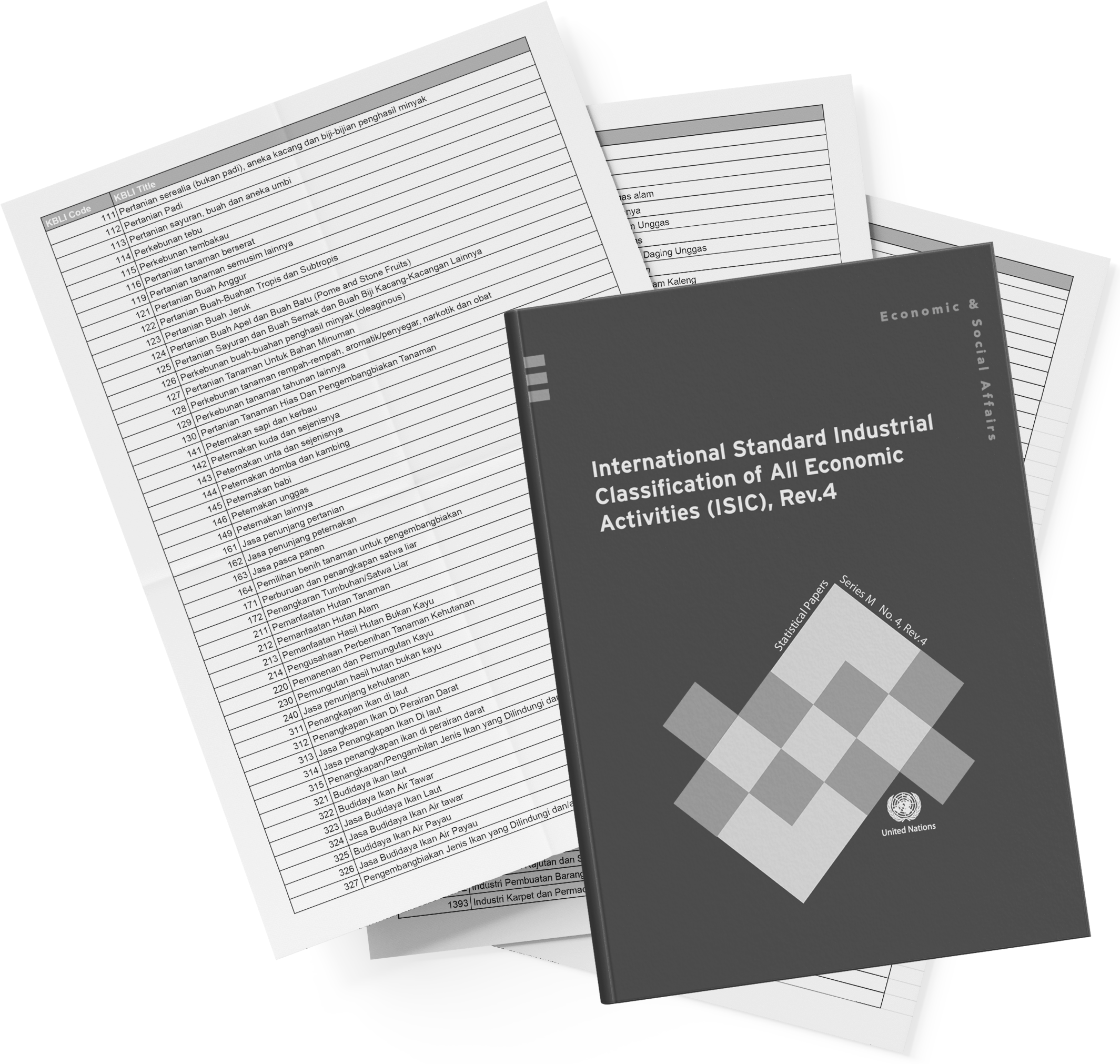
KBLI: 4730 — Perdagangan Eceran Khusus Bahan Bakar Kendaraan Bermotor.
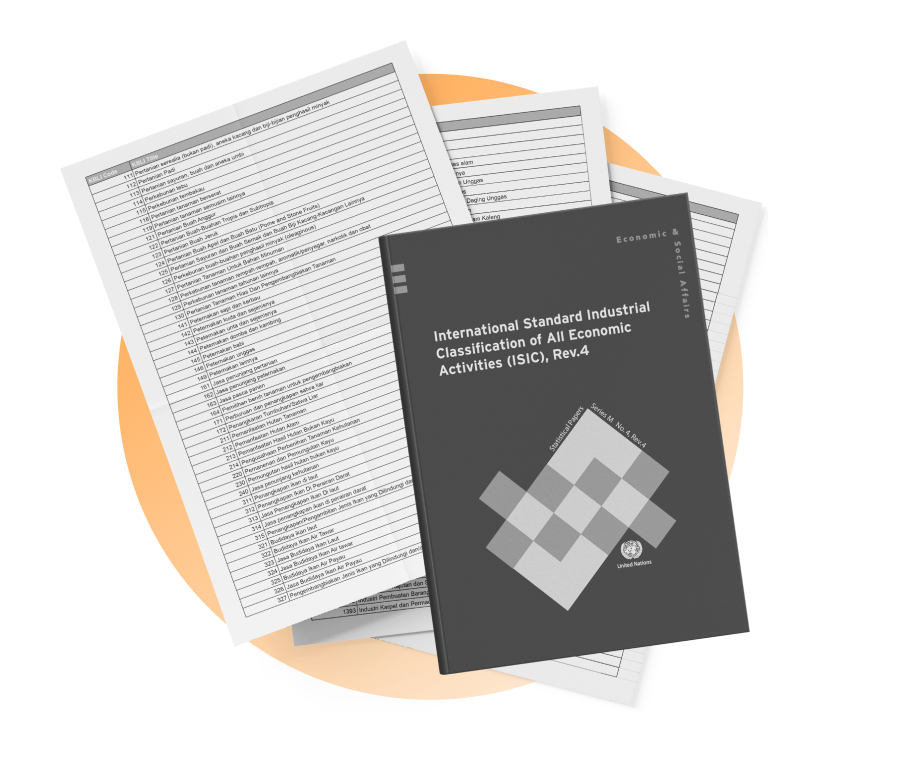
ISIC Rev. 4: 4730 — Retail sale of automotive fuel in specialized stores.
NAICS comparable: 4471 — Gasoline Stations.
Industry Terms
Fuel-retail vocabulary blends Indonesian regulatory acronyms with global product specifications.
SPBU
Stasiun Pengisian Bahan Bakar Umum — general fuel filling station.
Core retail-format.
BBM bersubsidi
Subsidised motor fuel — Pertalite RON 90 and Solar/Biosolar diesel under PSO.
Government-set pricing; Pertamina monopoly for subsidised supply.
BBM non-subsidi
Non-subsidised — Pertamax, Pertamax Turbo, Dex variants, Shell V-Power, BP Ultimate.
Market-priced; private SPBU compete.
PSO
Public Service Obligation under UU 22/2001 Migas.
Pertamina mandated to supply subsidised products nationwide.
RON 90 / 92 / 95 / 98
Research Octane Number — gasoline quality grades.
Pertalite=90, Pertamax=92, Pertamax Plus=95, Pertamax Turbo=98.
B35 / B40
Biodiesel blends — 35% / 40% palm-oil FAME in diesel.
Mandatory blending under Kementerian ESDM coordination.
FAME
Fatty Acid Methyl Ester — biodiesel from palm oil.
Input to B35/B40 blends; supplied by palm-oil downstream operators.
MyPertamina
Pertamina app for subsidy gating, payment, loyalty.
Subsidy-eligibility verification.
BBM Satu Harga
Programme equalising subsidised fuel prices in remote areas.
Cross-subsidises rural-to-urban price differential.
SPKLU / SPLU
Stasiun Pengisian Kendaraan Listrik Umum / Stasiun Pengisian Listrik Umum — EV public charging.
Emerging EV transition infrastructure.
BPH Migas
Badan Pengatur Hilir Minyak dan Gas Bumi — downstream regulator.
Retail-fuel policy and licensing.
Business Types & Models — how value is created
Five archetypes share KBLI 4730 — Pertamina-network SPBU, private SPBU (Shell, BP-AKR, Vivo), Pertashop micro-stations, EV charging operators, and fleet/B2B fuel services.
Pertamina-network SPBU (PT Pertamina Patra Niaga, Pertamina Persero subsidiary)
Dominant retail network operating ~7,400+ SPBU across Indonesia under Pertamina branding. Mix of COCO (Company-Owned-Company-Operated), DODO (Dealer-Owned-Dealer-Operated) and CODO (Company-Owned-Dealer-Operated) formats. Sole retailer of subsidised Pertalite and Solar/Biosolar; also retails Pertamax (RON 92), Pertamax Turbo (RON 98), Pertamina Dex, Dexlite.
Strategic infrastructure under Pertamina Patra Niaga (downstream subsidiary of PT Pertamina Persero).
Fuel margin (regulated for subsidised; market for non-subsidised)
Pertamina Patra Niaga branding and franchise fees
Non-fuel retail (Bright Convenience Store)
Loyalty programme (MyPertamina)
Mix of COCO, DODO, CODO franchise formats
Subsidised-product PSO obligation
Pertashop micro-stations for rural reach
Private SPBU operators (Shell Indonesia, BP-AKR, Vivo Energy Indonesia, AKR retail)
Private operators competing only in non-subsidised segments. Shell Indonesia (~250+ stations) anchored in Java and Bali; BP-AKR (joint venture between BP plc and PT AKR Corporindo, IDX: AKRA, ~30+ stations); Vivo Energy Indonesia (~50+ stations, partnership-based).
Compete on premium product (Shell V-Power, BP Ultimate, Vivo Revvo), F&B integration (deli2go at Shell, Wild Bean Cafe at BP), and consistent service standards.
Non-subsidised fuel margin
F&B and convenience-store revenue
Brand premium pricing for performance fuels
Loyalty programmes (Shell Go+, BP Pulse adjacent)
Franchisee-anchored network
Premium-customer focus
Java/Bali concentration
Pertashop micro-stations (sub-district rural reach)
Pertamina's micro-station format serving sub-district areas not viable for full SPBU. Smaller capacity (typically 3,000–8,000 litres) and lower capex; partner-operated with Pertamina branding.
Extends national network reach especially in rural Sumatra, Kalimantan, Sulawesi, Papua.
Fuel margin (subsidised + non-subsidised)
Lower-capex operation
Partner/franchise revenue share with Pertamina
Possible NFR adjacency
Smaller format and capex
Rural reach extension
Partner-operated
EV charging operators (SPKLU/SPLU) — PLN, Pertamina, third-party
Emerging EV public-charging infrastructure under PT PLN (Persero) via Charge.IN, Pertamina via Pertamina E-Charge, plus third-party operators (Hyundai EV, Toyota partners, Wuling, BYD partners, IIONIQ partners).
Currently small scale (hundreds of stations) but growing under Kementerian ESDM and Kemenhub EV adoption targets.
EV charging tariff (per kWh; differentiated AC vs DC fast-charge)
Subscription/loyalty programmes
B2B fleet contracts (ride-share, logistics)
Co-location with malls, hotels, office buildings
Capex-heavy per station (DC fast-charge ~IDR 1–3 billion+)
Tariff under PLN-coordinated framework
Co-location with property partners
Fleet and B2B fuel services (Pertamina Patra Niaga fleet, Pertamina Industrial Card)
B2B fuel services for fleets (logistics, ride-share, public transport, industrial). Pertamina Patra Niaga Fleet Card, Pertamina Industrial Card, plus Shell Fleet Card, BP Plus Card.
Volume-discount, central-billing, fuel-management reporting for corporate buyers.
B2B fuel sale margin
Card-based reporting fees
Volume-discount commitments
Adjacent corporate services
Volume-anchored
Corporate-account management
Fuel-fraud control via card
Performance & Outlook
Pertamina-anchored network, subsidy-targeting policy, B40 transition, EV emergence
Total automotive fuel retail volume runs in the tens of billions of litres annually across ~150 million registered vehicles. Pertamina's ~7,400+ SPBU dominate volumes especially in subsidised products; private SPBU (Shell, BP-AKR, Vivo) take meaningful share in non-subsidised premium segment but small overall network share.
Forward variables: BBM subsidy targeting via MyPertamina (registered-vehicle gating), B40 biodiesel mandate roll-out, global oil price (Brent, MOPS), EV penetration trajectory in Jakarta and major cities, EV charging build-out.
Pertamina's Pertashop micro-station expansion and NFR (Non-Fuel Retail) growth are the structural diversification levers; EV charging (SPKLU) is the longer-term transition layer.
Key performance indicators
Pertamina SPBU count
Network scale
~7,400+ stations
Shell SPBU count
Largest private network
~250+ stations
BP-AKR SPBU count
BP joint venture network
~30+ stations
Vivo Energy SPBU count
Vivo partnership network
~50+ stations
Annual motor-fuel volume
Market scale
Tens of billions of litres
BBM bersubsidi share of volume
Subsidy weight
Substantial majority
B35 biodiesel mandate
Biodiesel content
35% FAME blend
EV public charging stations (SPKLU)
EV transition
Hundreds, growing
Outlook: what to watch
BBM subsidy targeting effectiveness (MyPertamina registered-vehicle gating)
B40 biodiesel mandate roll-out timing
Global oil price (Brent, MOPS) — fiscal subsidy impact
EV adoption in Jakarta, Bali and major cities
EV charging (SPKLU/SPLU) build-out under PLN/Pertamina
Pertashop micro-station expansion and NFR growth
Growth Drivers
Six drivers — half policy, half structural — set medium-term direction.
Vehicle population growth
~150 million registered vehicles with continued growth (motorcycles, cars, commercial); drives base fuel demand even as EV emerges.
Korlantas Polri vehicle registration
Gaikindo car sales
AISI motorcycle sales
BBM subsidy targeting policy
MyPertamina app-based gating directs Pertalite/Solar subsidy to eligible vehicles; reshapes Pertalite/Pertamax migration.
MyPertamina registration count
Subsidy beneficiary policy updates
Pertalite/Pertamax volume mix
B35 to B40 biodiesel transition
B35 mandate currently in force; B40 piloting since 2023–2024 under Kementerian ESDM; demand for palm-oil FAME continues.
ESDM B-rate announcements
FAME production by Wilmar/Musim Mas/Sinar Mas/GAR/Salim
BPDPKS biodiesel subsidy disbursement
EV charging build-out (SPKLU/SPLU)
PLN Charge.IN, Pertamina E-Charge, third-party operators (Hyundai, Toyota partners, Wuling, BYD partners) build out EV charging infrastructure.
SPKLU station count growth
EV adoption (Hyundai IONIQ, Wuling Air EV, BYD launches)
EV charging tariff policy
Non-Fuel Retail (NFR) and Pertashop expansion
Bright Convenience Store under Pertamina, NFR at Shell/BP/Vivo; Pertashop micro-station network expansion.
Bright Convenience Store outlet count
NFR revenue share at private SPBU
Pertashop network growth
Global oil price and refining capacity
Brent crude and MOPS Singapore drive Pertamina cost base; Pertamina RDMP refinery upgrades (Cilacap, Balikpapan, Dumai) affect supply economics.
Brent/MOPS prices
Pertamina RDMP project milestones
Fuel-subsidy fiscal cost in APBN
Industry Trends & Development
Industry Development
From Pertamina monopoly to controlled liberalisation, biodiesel mandate and EV transition
Indonesia's fuel retail evolved from Pertamina monopoly through controlled liberalisation (UU 22/2001 Migas allowing private SPBU), Pertashop and BBM Satu Harga rural-equity programmes, biodiesel mandate scaling from B5 to B35, and emerging EV charging.
Next five years pivot on subsidy targeting, B40 transition, EV charging build-out, NFR growth.
Pertamina monopoly
Pertamina dominates fuel retail; subsidised products central; SPBU network mostly company-owned
Deregulation and private SPBU entry
UU 22/2001 Migas enables private operators; Shell Indonesia begins SPBU entry; Pertamina Patra Niaga downstream subsidiary structure forms
Pertashop and BBM Satu Harga
Pertashop micro-station programme; BBM Satu Harga equalises rural prices; biodiesel mandate scales (B5 to B20 to B30)
MyPertamina and subsidy targeting
MyPertamina app launched for subsidy gating; BP-AKR JV expands; Vivo Energy enters
B35 mandate, B40 piloting, EV charging emergence
B35 mandatory from 2023; B40 piloting; PLN Charge.IN and Pertamina E-Charge EV charging roll-out; Pertamax migration policy
Key Trends Shaping the Industry (Business Model Canvas view)
Five BMC dimensions are most active: Key Activities, Revenue Streams, Customer Segments, Cost Structure and Channels.
[Key Activities] Biodiesel B35-to-B40 transition reshapes blending operations
B35 mandate (35% FAME) in force; B40 piloting since 2023–2024 under Kementerian ESDM. Terminal blending operations and FAME supply chain (Wilmar, Musim Mas, Sinar Mas, GAR, Salim/Indofood Agri) reshape.
Pertamina
FAME producers
ESDM/BPDPKS
[Revenue Streams] Non-Fuel Retail (NFR) and convenience growth
Bright Convenience Store (Pertamina), deli2go (Shell), Wild Bean Cafe (BP) add F&B/retail revenue diversification.
SPBU operators
F&B partners
Retail brands
[Customer Segments] Subsidy gating via MyPertamina shifts customer access
MyPertamina app-based subsidy gating directs Pertalite/Solar to eligible vehicles; non-eligible migrate to Pertamax.
Consumers
Pertamina
BPH Migas
[Cost Structure] Global oil price and FAME pricing flow through margins
Brent/MOPS and FAME prices flow into Pertamina cost base; non-subsidised pricing tracks; subsidised pricing absorbed by government.
Pertamina
Private SPBU
Consumers
[Channels] EV charging adjacency emergence
PLN Charge.IN, Pertamina E-Charge, third-party operators (Hyundai, Wuling, BYD, IIONIQ partners) build EV charging adjacent to or at SPBU.
SPBU operators
PLN
EV-OEMs
[Key Partners] Palm-oil downstream partnerships deepen for biodiesel
B35/B40 mandate ties Pertamina to palm-oil downstream operators for FAME supply via BPDPKS-coordinated programme.
Pertamina
Palm-oil downstream
BPDPKS
Impact and Sustainability
Impact runs through fiscal subsidy expense, rural mobility, palm-oil downstream demand and emissions transition.
Fiscal subsidy expense
BBM PSO subsidy can absorb hundreds of trillions of rupiah annually depending on global oil price; subsidy targeting (MyPertamina) aims to reduce non-eligible leakage.
Subsidy savings vs political backlash
Targeting cost vs benefit
Rural mobility and BBM Satu Harga
BBM Satu Harga programme equalises subsidised fuel prices in remote areas; supports rural mobility but absorbs logistic-cost subsidy.
Equity cost vs efficiency
Rural access vs targeted urban subsidy
Palm-oil downstream demand
B35/B40 biodiesel mandate absorbs millions of tonnes of palm-oil FAME annually, supporting palm-oil downstream value capture.
Domestic FAME demand vs export palm oil
Sustainability scrutiny (EUDR, RSPO) vs scale
Emissions transition
B35/B40 reduces fossil-fuel emissions intensity; EV transition further reduces tailpipe emissions but shifts to grid emissions (PLN coal-heavy mix).
Biodiesel scale vs ILUC (indirect land-use change)
EV transition vs grid coal intensity
Industry Segmentation
Product Segmentation
Products differ on RON/cetane, subsidy status and customer segment.
Segmentation by product
Pertalite (RON 90)
Standard gasoline; primary subsidised gasoline
Pertalite (Pertamina)
Subsidised (PSO)
Pertamax (RON 92)
Premium gasoline
Pertamax (Pertamina), Shell Super, BP 92, Vivo Revvo 92
Non-subsidised
Pertamax Plus / Turbo (RON 95/98)
High-octane premium
Pertamax Turbo (Pertamina), Shell V-Power, BP Ultimate, Vivo Revvo 95
Non-subsidised
Solar / Biosolar (B35 diesel)
Standard diesel with mandatory biodiesel blend
Biosolar (Pertamina)
Subsidised (PSO)
Dexlite
Cleaner diesel (Cetane ~51)
Dexlite (Pertamina)
Non-subsidised
Pertamina Dex
Premium diesel (Cetane ~53)
Pertamina Dex, Shell V-Power Diesel, BP Diesel Ultimate
Non-subsidised
LPG (vehicle)
LPG fuel for converted vehicles
Pertamina, limited
Limited subsidised
EV charging (SPKLU/SPLU)
Electric vehicle charging
Charge.IN (PLN), Pertamina E-Charge, third-party operators
Tariff per kWh
Pertalite and Biosolar dominate subsidised volume.
Pertamax tier is competitive across Pertamina, Shell, BP, Vivo.
Station-format Segmentation
Station formats differ in scale and operating model.
Segmentation by station format
Pertamina full SPBU
Standard SPBU with full product range, NFR adjacency
Pertamina Patra Niaga (COCO/DODO/CODO)
Multi-product, multiple pumps
Shell SPBU
Standard Shell-branded SPBU
Shell Indonesia
Multi-product, multiple pumps
BP-AKR SPBU
Standard BP-branded SPBU
BP-AKR Corporindo JV
Multi-product, multiple pumps
Vivo Energy SPBU
Standard Vivo-branded SPBU
Vivo Energy Indonesia
Multi-product, multiple pumps
Pertashop
Micro-station for rural reach
Pertamina + partner operators
Sub-3,000-litre capacity
AKR SPBKB
Industrial-fuel station (AKR Corporindo)
PT AKR Corporindo (IDX: AKRA)
Industrial-fuel focus
EV public charging (SPKLU)
EV charging infrastructure
PLN (Charge.IN), Pertamina (E-Charge), third-party operators
AC slow / DC fast-charge
EV semi-public (SPLU)
Semi-public EV charging at malls, offices, hotels
PLN, third-party
Slow-charge AC mostly
Customer Profiles
Customers vary by vehicle type, subsidy eligibility, fleet vs private and EV adoption.
Customer profiles and what they value
Motorcycle commuter
Owner-rider of motorcycle; largest vehicle population
Affordable daily fuel
Pertalite access; nearby SPBU
Pertamina SPBU
Private car owner — mainstream
Middle-class car owner
Affordable fuel for daily use
Pertalite (eligible) or Pertamax
Pertamina + occasional Shell/BP
Premium car owner / performance
Owner of newer car requiring RON 95+
Premium fuel for engine performance/warranty
Pertamax Turbo, Shell V-Power, BP Ultimate
Pertamina + Shell + BP
Commercial / logistics fleet
Truck, bus, taxi fleet operator
Diesel for fleet (Biosolar subsidised or Dexlite)
B2B fuel-card programme; volume discount
Pertamina Patra Niaga + Shell + BP fleet
Ride-share driver (Gojek, Grab)
Two/four-wheel ride-share driver
Subsidised Pertalite where eligible
MyPertamina registration; nearby SPBU
Pertamina SPBU
Industrial buyer
Industrial fuel for plant/equipment
Industrial diesel/Solar industri
Volume contracts; B2B service
AKR + Pertamina industrial
EV owner
BEV/PHEV owner (Hyundai IONIQ, Wuling Air EV, BYD, Tesla import)
Public EV charging access
SPKLU network, AC/DC mix, charging speed
PLN Charge.IN, Pertamina E-Charge, third-party
Aviation fuel buyer
Airline (Garuda, Lion, Citilink)
Avtur supply at airport
Separate Pertamina Aviation Services channel
Pertamina Aviation Services (separate KBLI)
Ecosystem & Key Players
Ecosystem Mapping
Ecosystem layers from regulators through retail operators to fuel-supply and adjacent EV infrastructure.
Core (SPBU and EV charging operators)
Entities providing KBLI 4730 services.
Pertamina Patra Niaga (~7,400+ SPBU; subsidiary of PT Pertamina Persero)
Shell Indonesia (~250+ stations)
BP-AKR (BP–AKR Corporindo JV; ~30+ stations)
Vivo Energy Indonesia (~50+ stations)
Pertashop micro-stations (partner-operated)
EV charging: PT PLN (Persero) Charge.IN, Pertamina E-Charge, third-party (Hyundai, Toyota partners, Wuling, BYD partners, IIONIQ partners)
Extension (fuel supply, FAME, finance, fleet)
Upstream fuel supply, biodiesel input, fleet customers.
Refineries: Pertamina RDMP Cilacap, Balikpapan, Dumai, Plaju, Balongan, Kasim
Fuel terminals (TBBM Pertamina nationwide)
Fuel-truck logistics: Pertamina Trans Kontinental, third-party carriers
FAME suppliers (biodiesel): Wilmar, Musim Mas, Sinar Mas (GAR), Salim/Indofood Agri, Cargill, others
Industrial fuel: PT AKR Corporindo (IDX: AKRA), Petrolimex Indonesia, Apical
Fleet customers: Gojek, Grab, ExpressGroup, Blue Bird, Taksi MX, logistics operators (J&T, JNE, SiCepat, Anteraja, Ninja, Pos)
Enabling (regulators, finance, policy bodies)
Regulators, policy bodies, finance.
Regulators: Kementerian ESDM (energy policy), BPH Migas (downstream retail regulation), Pertamina under Kementerian BUMN
Subsidy: BPH Migas BBM PSO allocation; BPDPKS (palm-oil biodiesel subsidy)
EV: Kementerian ESDM, Kementerian Perhubungan, PLN charging tariff
Standards: SNI fuel specifications, K3 standards for SPBU operations
Finance: Pertamina bonds and loans; private SPBU operator bank financing
How value flows across the ecosystem
Refineries (Pertamina RDMP and imports) supply base fuel; FAME from palm-oil downstream blends into B35 at terminals; fuel trucks distribute to SPBU; consumers buy at stations; Pertamina captures subsidised PSO via government settlement; private SPBU compete in non-subsidised; EV charging emerges parallel.
Strategic chokepoints sit at Pertamina refinery capacity and PSO contract, FAME supply consistency, fuel-terminal logistics and EV charging tariff design.
Leading Players
Named players below illustrate structural positions; figures are directional industry estimates.
Leading firms by position
PT Pertamina Patra Niaga (Pertamina Persero subsidiary)
Dominant network
~7,400+ SPBU; PSO obligation; refining integration; nationwide reach
Subsidy fiscal-pressure exposure; FX for crude/imports
Shell Indonesia (PT Shell Indonesia)
Largest private network
~250+ stations; brand strength; premium products (V-Power, V-Power Diesel)
Java/Bali concentration; smaller scale vs Pertamina
BP-AKR Corporindo (BP plc + AKR Corporindo JV)
BP-branded network
~30+ stations; AKR domestic distribution; premium BP Ultimate
Smaller network than Shell
Vivo Energy Indonesia
Vivo-branded network
~50+ stations; partnership with Vivo Energy
Smaller scale
AKR Corporindo (industrial fuel)
Industrial fuel retail and wholesale
Industrial customers; logistics integration
Different segment from retail SPBU
PLN Charge.IN
Largest EV charging network
PLN backing; nationwide grid integration
EV adoption pace dependent
Pertamina E-Charge
Pertamina EV charging
Pertamina station integration
EV adoption pace dependent
Pertamina Aviation Services
Aviation fuel supply (separate)
Avtur supply at airports (separate KBLI)
Outside SPBU retail
Wilmar, Musim Mas, Sinar Mas, GAR, Salim/Indofood Agri (FAME suppliers)
Biodiesel input
Palm-oil downstream depth
Sustainability scrutiny
BPDPKS (palm-oil biodiesel subsidy)
Subsidy administration
Biodiesel mandate coordination
Palm-oil price exposure
Competitive dynamics
Subsidised fuel: Pertamina has structural monopoly under PSO; private SPBU cannot compete here.
Non-subsidised premium fuel: Pertamina (Pertamax, Pertamax Turbo, Pertamina Dex) competes with Shell (V-Power), BP (Ultimate), Vivo (Revvo) in Java/Bali primarily. Outside Java/Bali, Pertamina is effectively monopolist.
EV charging: PLN Charge.IN and Pertamina E-Charge lead; third-party operators (Hyundai, Wuling, BYD partners) competing for emerging EV-owner market.
Operating Conditions
Concentration, Competition, Cost Structure & Economics
Market is heavily concentrated. Pertamina runs ~95%+ of SPBU by count and dominant share of volume; Shell, BP-AKR, Vivo compete in non-subsidised premium segment. EV charging market is emerging.
Fuel COGS (85–95% of station revenue)
Base fuel cost, biodiesel blend, transport from terminal
Brent/MOPS crude
FAME price
Logistics
Largest cost; subsidised settlement-based
Station labour (1–3%)
SPBU attendants, supervisors, cleaning
Provincial UMR
Number of pumps
Indonesia attendant-served model
Premises (1–2%)
Lease, rent, property
Land value
Station location
Owner-operator vs lease
Capex amortisation (1–3%)
Underground tanks, pumps, canopy, IT systems
Station refresh cycle
EV charging adjacent capex
Long-life assets
Marketing and loyalty (0.5–1%)
MyPertamina, Shell Go+, BP Pulse, brand advertising
Loyalty programme
Brand-share competition
Higher for private SPBU
NFR and ancillary (variable)
Bright Convenience Store, F&B partnerships
NFR partner mix
Station footfall
Diversification revenue source
Porter's Five Forces — KBLI 4730
Threat of new entrants
Very Low
Refining integration, PSO obligation, regulatory complexity, capex make new entry near-impossible at scale; private SPBU entry possible but capped
Bargaining power of customers
Low
Subsidised products at fixed government price; non-subsidised set by operators; consumers price-sensitive but mostly captive to nearest station
Bargaining power of suppliers
Medium
Pertamina refines and imports its own fuel; FAME suppliers have moderate power; equipment vendors have moderate power
Threat of substitutes
Medium
Public transport, EV, ride-share substitute private-car fuel demand; B40 substitutes some fossil diesel
Rivalry among existing competitors
Low-Medium
Pertamina dominant; private SPBU compete in non-subsidised premium; EV charging emerging
Subsidised fuel margin is regulated; settlement via BPH Migas + Kementerian Keuangan
Non-subsidised fuel margin is market-set; typically thin (single-digit Rp per litre) but high volume
NFR (Bright Convenience Store, deli2go) materially lifts station profitability
EV charging revenue per session is small but growing; capex high
Regulation & Compliance Considerations
Regulation runs through UU Migas, BPH Migas, ESDM, BPDPKS biodiesel and K3 safety standards.
Regulatory anchors and operational impact
UU 22/2001 Migas
Oil and gas law
Defines retail-fuel regulatory perimeter
Maintain Migas licence (Izin Niaga BBM)
BPH Migas
Downstream oil and gas regulator
Retail-fuel licensing and PSO allocation
PSO contract maintenance; Izin Niaga
Kementerian ESDM
Energy and mineral resources ministry
Energy policy, biodiesel mandate, EV
ESDM policy compliance
BPDPKS biodiesel subsidy
Palm-oil biodiesel subsidy administration
B35/B40 FAME subsidy mechanics
FAME supply contracts; BPDPKS coordination
K3 safety standards (SPBU operation)
Safety, fire protection, environmental
Mandatory for SPBU operation
K3 audits; fire safety; environmental compliance
AMDAL (environmental impact assessment)
EIA for new SPBU
Required for new station capex
AMDAL submission and clearance
BPJS and tax (PPh, PPN 11%, excise)
Standard tax and labour compliance
Pricing structure
Standard tax processes
EV charging tariff (PLN)
Electricity tariff for EV charging
Affects SPKLU economics
PLN coordination; tariff updates
BBM subsidy targeting policy changes affect Pertalite vs Pertamax migration
B40 mandate timing affects FAME supply chain
Global oil price shocks affect fiscal subsidy expense
EV charging tariff design under PLN affects SPKLU economics
FAQs & Sources
FAQs
How large is Indonesia's fuel retail network?
Pertamina runs ~7,400+ SPBU under Pertamina Patra Niaga; private SPBU add ~330+ stations (Shell ~250+, BP-AKR ~30+, Vivo ~50+). Total commercial network approaches ~7,800 plus Pertashop micro-stations.
Who can sell subsidised fuel?
Only Pertamina under Public Service Obligation (PSO) — Pertalite RON 90 gasoline and Solar/Biosolar diesel. Private SPBU sell only non-subsidised products.
What is B35 and B40?
B35 is the mandatory blend of 35% palm-oil FAME with 65% fossil diesel (in effect from 2023). B40 (40% FAME) is in pilot since 2023–2024 under Kementerian ESDM coordination. FAME comes from palm-oil downstream operators (Wilmar, Musim Mas, Sinar Mas/GAR, Salim/Indofood Agri); BPDPKS administers the biodiesel subsidy.
How concentrated is the industry?
Heavily concentrated. Pertamina runs ~95%+ of SPBU by count and dominates volume. Private SPBU (Shell, BP-AKR, Vivo) compete only in non-subsidised premium in Java/Bali primarily. Outside Java/Bali, Pertamina is effectively monopolist.
What's the role of MyPertamina?
MyPertamina app supports subsidy gating (registered-vehicle eligibility verification for Pertalite/Solar), loyalty programmes, payment, NFR access. Subsidy targeting via MyPertamina has progressively shifted non-eligible vehicles toward Pertamax.
What's the EV charging situation?
EV public charging (SPKLU — Stasiun Pengisian Kendaraan Listrik Umum) is emergent under PLN Charge.IN and Pertamina E-Charge, plus third-party operators (Hyundai, Toyota partners, Wuling, BYD partners, IIONIQ partners). Currently hundreds of stations growing; Jakarta, Bali and major cities lead adoption.
Sources & Notes
This report synthesises publicly available regulatory and industry information, BUMN and listed-company disclosures and Ravenry analyst commentary. Where exact figures are unavailable, directional and approximate ranges are used.
Kementerian Energi dan Sumber Daya Mineral (ESDM)
Energy policy, biodiesel mandate, EV transition
BPH Migas (Badan Pengatur Hilir Minyak dan Gas Bumi)
Downstream retail regulation and PSO allocation
BPDPKS (Badan Pengelola Dana Perkebunan Kelapa Sawit)
Palm-oil biodiesel subsidy administration
Kementerian BUMN
Pertamina oversight
Kementerian Perhubungan
EV transition coordination
PT Pertamina (Persero) and PT Pertamina Patra Niaga
SPBU network and PSO operations
Shell Indonesia, BP-AKR Corporindo JV, Vivo Energy Indonesia
Private SPBU operators
Badan Pusat Statistik (BPS) energy statistics
Fuel consumption and vehicle data
This report is for informational purposes and does not constitute legal, regulatory or investment advice. Figures are directional unless otherwise indicated.