Animal Production Support Activities Industry in Indonesia
KBLI 0162 — BBIB Singosari, integrator broiler services, dairy AI and Ditjen PKH-led modernisation
Indonesia's animal production support activities industry is a quietly strategic layer that determines whether the country can feed itself with locally produced protein. The sector blends state-led genetic services (BBIB Singosari and BIB Lembang for cattle artificial insemination; BPTU-HPT centres for broiler and layer genetics), integrator-led broiler and layer support (Charoen Pokphand Indonesia — IDX: CPIN; Japfa Comfeed Indonesia — IDX: JPFA; Malindo Feedmill — IDX: MAIN; Sierad Produce — IDX: SIPD), private veterinary and AI service providers, and a long tail of village-level inseminators (mantri ternak) operating under Ditjen PKH (Kementan) supervision. Demand is driven by ~17–18 million head of cattle and buffalo, ~3 billion broiler day-old chicks placed annually, and a layer flock supplying ~6 million tonnes of table eggs.
Cattle and buffalo population ~17–18 million head; AI services cover a meaningful and rising share
Broiler day-old chick (DOC) placements ~3 billion annually drive integrator-led support services
BBIB Singosari (East Java) and BIB Lembang (West Java) are the national bovine semen production centres
Charoen Pokphand, Japfa, Malindo and Sierad anchor broiler/layer integrator ecosystem
Dairy AI concentrates in East Java (Pasuruan, Malang, Boyolali) supplying GKSI and corporate dairies
Regulation by Kemenkes (zoonosis), Ditjen PKH Kementan (livestock services), BPOM (animal-feed/drug), BKarantina (livestock movement)
Executive Summary
Indonesia's animal production support activities industry (KBLI 0162) sits as the technical layer beneath domestic protein production. The category covers artificial insemination (AI/IB — inseminasi buatan), embryo transfer, herd recording and breeding management, hatchery support services, on-farm veterinary services, livestock judging and shearing — services that determine genetic improvement, animal health and productivity for the country's ~17–18 million head of cattle and buffalo, ~3 billion annual broiler day-old-chick placements, and the layer and small-ruminant flocks that supply Indonesia's domestic protein.
Structurally, the industry is layered. State-led genetic services anchor cattle and buffalo AI through BBIB Singosari (Balai Besar Inseminasi Buatan, Malang, East Java) and BIB Lembang (West Java) producing frozen bovine semen distributed via provincial Dinas Peternakan to village inseminators. Integrator-led broiler and layer support — Charoen Pokphand Indonesia (CPIN), Japfa Comfeed Indonesia (JPFA), Malindo Feedmill (MAIN), Sierad Produce (SIPD), New Hope, Wonokoyo — provides hatchery support, contract-grower services and veterinary backbone for the contract-farming model that delivers most Indonesian broiler chicken. Private veterinary clinics and specialist AI providers fill out the rest.
Cattle and buffalo population ~17–18m head (BPS); AI services penetrate a significant and growing share
Broiler DOC placements ~3 billion annually; integrators control most contract-grower services
BBIB Singosari and BIB Lembang are the two national bovine semen production centres
Dairy AI concentrates in East Java (Pasuruan, Malang) supplying GKSI cooperatives and corporate dairies
Integrators dominate broiler support — CPIN, JPFA, MAIN, SIPD listed plus New Hope, Wonokoyo
Regulatory perimeter: Ditjen PKH Kementan, BPOM (animal feed/drug), BKarantina (livestock movement)
Why this industry matters in Indonesia
Food security and protein self-sufficiency: AI services and broiler support directly determine beef and chicken supply curves.
Livestock contribution to rural income — millions of smallholder farms and ~700,000+ contract growers depend on these services.
Disease prevention: HPAI, FMD, LSD outbreaks affect both rural livelihoods and food supply; support services are the frontline.
Genetic improvement: cattle AI programmes (Sapi Indukan Wajib Bunting, etc.) are the lever for raising productivity per head.
So what: Practical implications
Operators: Combine AI services with diagnostics and feed advisory for higher-value bundles
Buyers (farmers, cooperatives): Lock multi-year AI service contracts; track conception rates per inseminator
Investors: Veterinary diagnostics, vaccines, embryo transfer and farm management software are under-served niches
Policymakers: Strengthen BBIB/BIB throughput, mantri ternak training and biosecurity to support self-sufficiency targets
Indonesia at a Glance
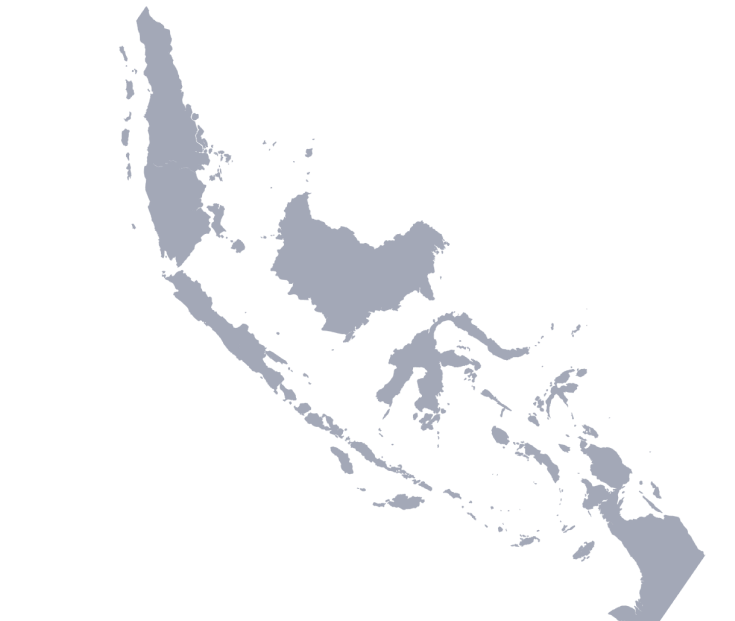
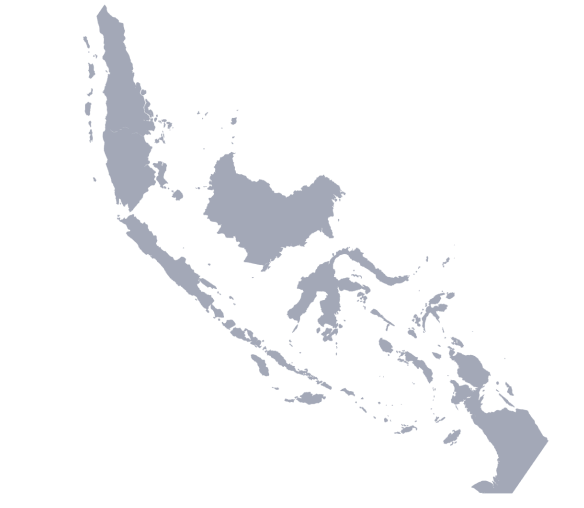
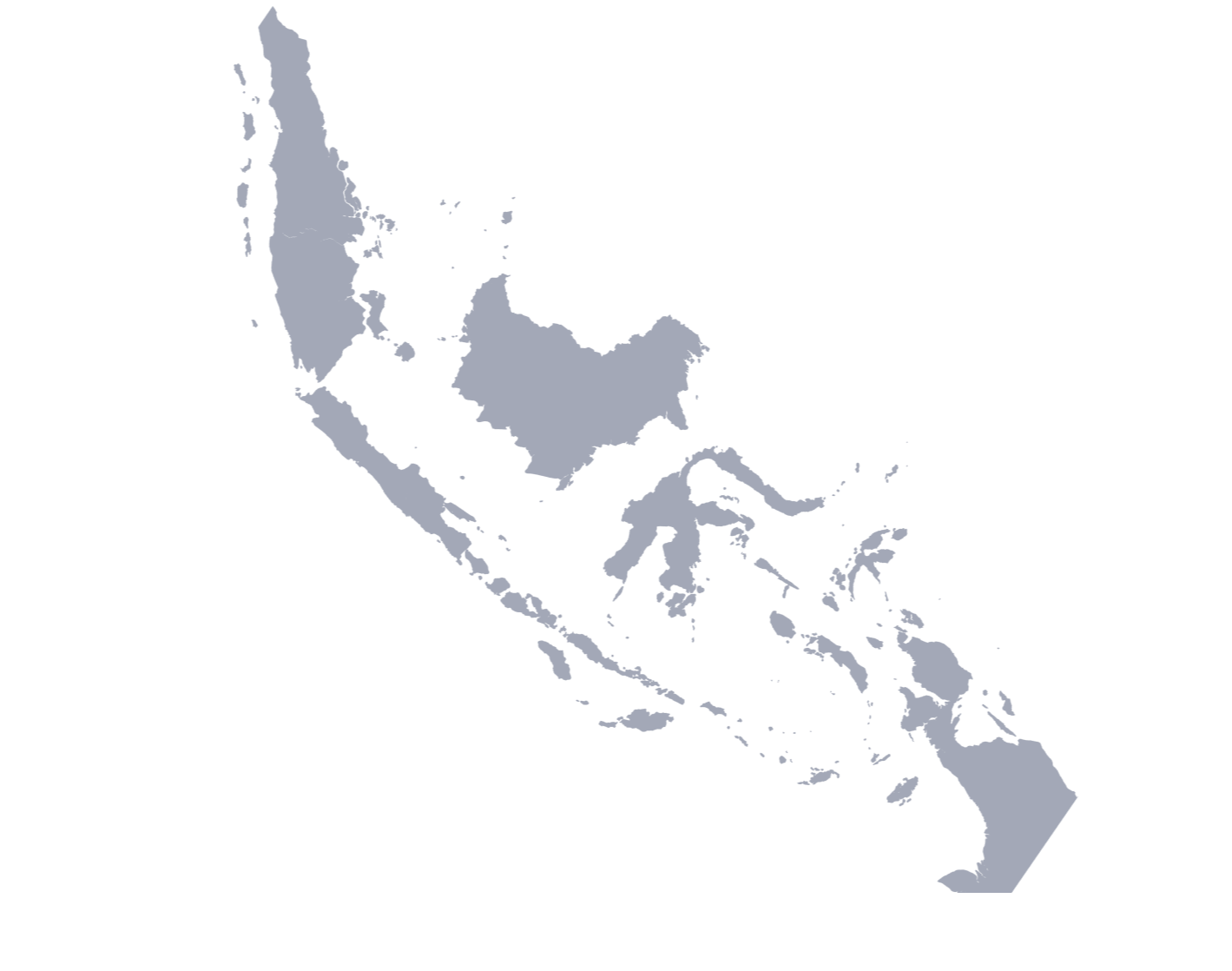
Republic of Indonesia: large livestock base with uneven productivity
Indonesia's livestock base spans roughly 17–18 million cattle (Brahman cross, Bali cattle, Madura cattle, Limousin/Simmental crosses), ~1.2 million buffalo, ~17 million goats, ~16 million sheep, ~9 million pigs (concentrated in non-Muslim areas — Bali, NTT, North Sulawesi, North Sumatra), ~3 billion annual broiler DOC placements, and a layer flock of ~300+ million birds supplying ~6 million tonnes of table eggs annually.
Cattle concentrate in East Java, Central Java, NTT, NTB, South Sulawesi, Lampung, and West Java; broiler integration concentrates in West Java (Bogor, Sukabumi), Central Java (Boyolali, Salatiga), East Java (Pasuruan, Mojokerto) and parts of Sumatra.
AI service infrastructure runs through BBIB Singosari (East Java) and BIB Lembang (West Java) — the two national bovine semen production centres — plus provincial BIBD (Balai Inseminasi Buatan Daerah) and ~30,000+ trained village-level inseminators (mantri ternak / inseminator).
Broiler integration runs through CPIN, JPFA, MAIN, SIPD, New Hope, Wonokoyo, Comfeed/Japfa Hartono group — providing DOC, feed, vaccines, veterinary support and contract-grower buyback in an integrated model.
Hyperlocalisation is key to navigate Indonesia's market
Service delivery is highly local. AI on cattle requires technicians who reach village farms within hours of oestrus detection. Provincial Dinas Peternakan deploys inseminators across the village network; integrators run broiler veterinary support through provincial technical service field staff who service contract-grower houses on a multi-day cycle.
Disease ecology is regional. FMD outbreak (2022) disproportionately hit East Java cattle; HPAI hits poultry waves cyclically; LSD (lumpy skin disease) emerged across multiple provinces; African Swine Fever (ASF) has been confirmed in North Sumatra and Bali pig populations. Each disease event spikes demand for veterinary support, vaccines and diagnostics.
Opportunities extend beyond cities
Beyond Java, NTT and NTB are large smallholder-cattle areas with low AI penetration — a growth frontier for cooperative-anchored AI service expansion. Sumatra (Lampung, Sumut, Aceh) and Sulawesi (Sulsel, Gorontalo) are intermediate-penetration zones.
Dairy concentrates in East Java (Pasuruan, Malang, Probolinggo) and Central Java (Boyolali) — these areas benefit from concentrated AI service, milk collection cooperatives (GKSI — Gabungan Koperasi Susu Indonesia) and corporate dairy partnerships (Greenfields, Cimory, Ultra Jaya supplier base).
FMD vaccination programmes (2022–onwards) drive vet-service demand
Sapi Indukan Wajib Bunting (mandatory pregnancy of breed-stock) under Ditjen PKH expands AI
LSD and ASF response programmes
Greenfields, Cimory, Ultra Jaya dairy expansion in East Java
Charoen Pokphand integrator network expansion in Sulawesi and Sumatra
Digital herd management tools and farm management software
Distribution realities: semen, vaccines, vets and contract growers
AI semen distribution runs from BBIB/BIB through provincial Dinas Peternakan to inseminator/mantri ternak in a cold-chain (LN2 nitrogen container) network. Veterinary services depend on a thin pool of licensed veterinarians (PB PDHI registered) plus paravets.
Broiler-side veterinary and field support is run by integrators' technical service teams visiting contract-grower farms on a several-day cycle, alongside vaccine and medication delivery.
Maintain cold-chain integrity from BBIB/BIB to village level for AI semen viability
Build provincial veterinary capacity through PDHI training and Dinas partnerships
Develop digital herd/farm management tools to integrate with integrator data systems
Strengthen biosecurity protocols at farm and cluster level
Industry Overview
What is the animal production support activities industry?
Definition & Boundaries
KBLI 0162 covers Jasa Penunjang Peternakan — services supporting livestock and poultry production. This includes artificial insemination (AI/IB), embryo transfer, herd testing and recording, breed registration and judging, milking services as a contracted service, shearing, on-farm veterinary services, hatchery operations support, and farm-level breeding management.
Included: AI service organisations, hatchery service providers, veterinary services to farms, integrator technical service teams, breed associations and herd-testing programmes.
Excluded: actual livestock raising/breeding (KBLI 014x), poultry farming (KBLI 0146/0147), aquaculture (KBLI 0322/0321), wholesale of live animals (KBLI 4620 part), slaughter (KBLI 1011), animal feed manufacturing (KBLI 1080), and veterinary pharmaceutical manufacturing (KBLI 2100).
Indonesia in Focus
The industry is dual-structured. State infrastructure (BBIB Singosari, BIB Lembang, BIBD provincial centres, Ditjen PKH) provides bovine genetics and policy framework. Private integrators (CPIN, JPFA, MAIN, SIPD, New Hope, Wonokoyo) provide broiler and layer support through the integrator contract-grower model.
Mantri ternak (village inseminators) and PDHI-registered veterinarians (~20,000+ veterinarians; only a fraction in livestock-active service) form the on-the-ground workforce.
Classification
KBLI: 0162 — Jasa Penunjang Peternakan.
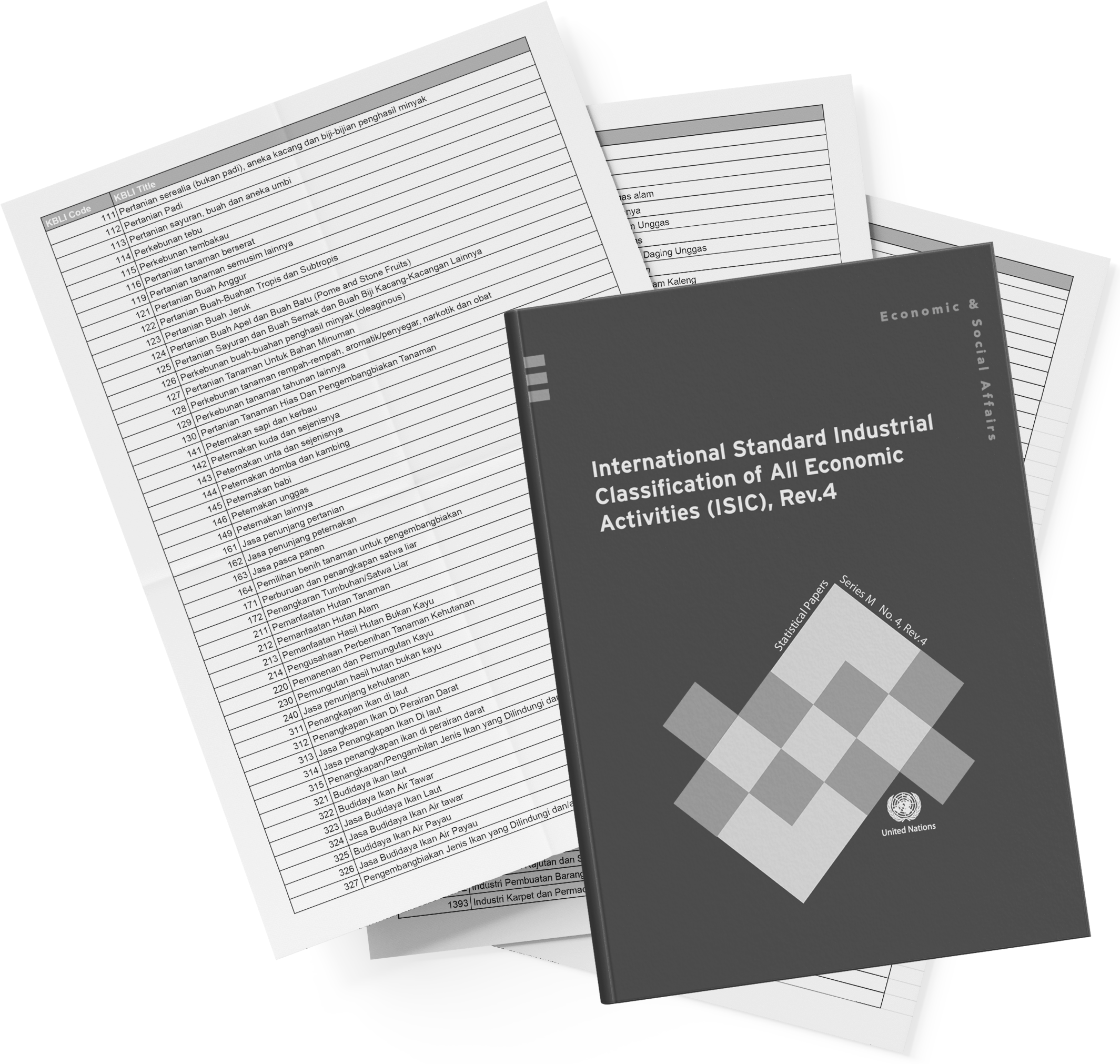
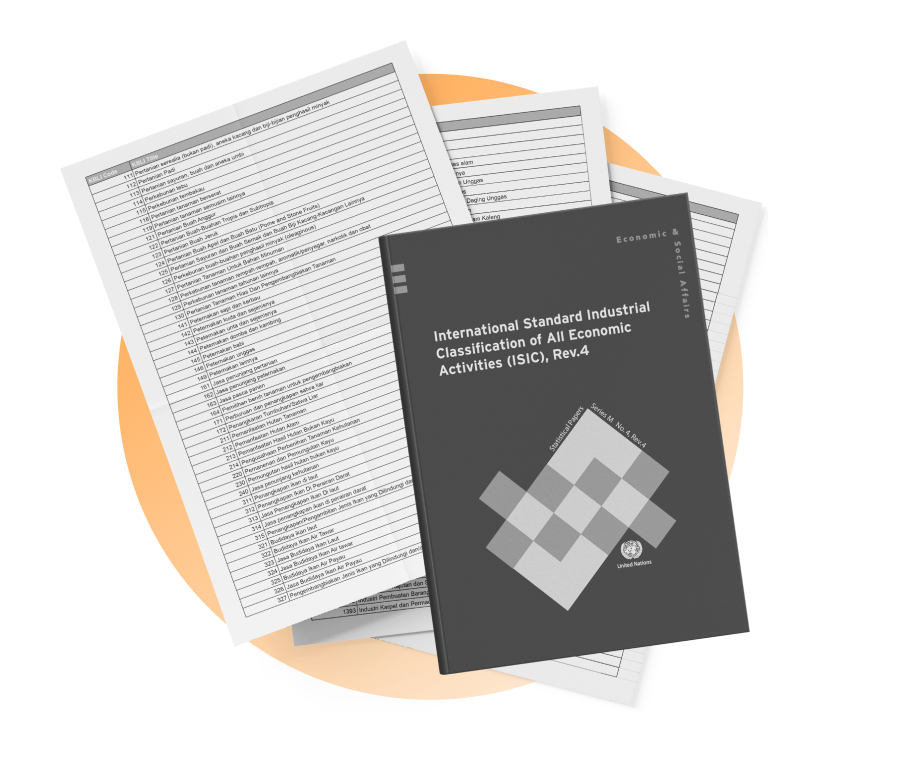
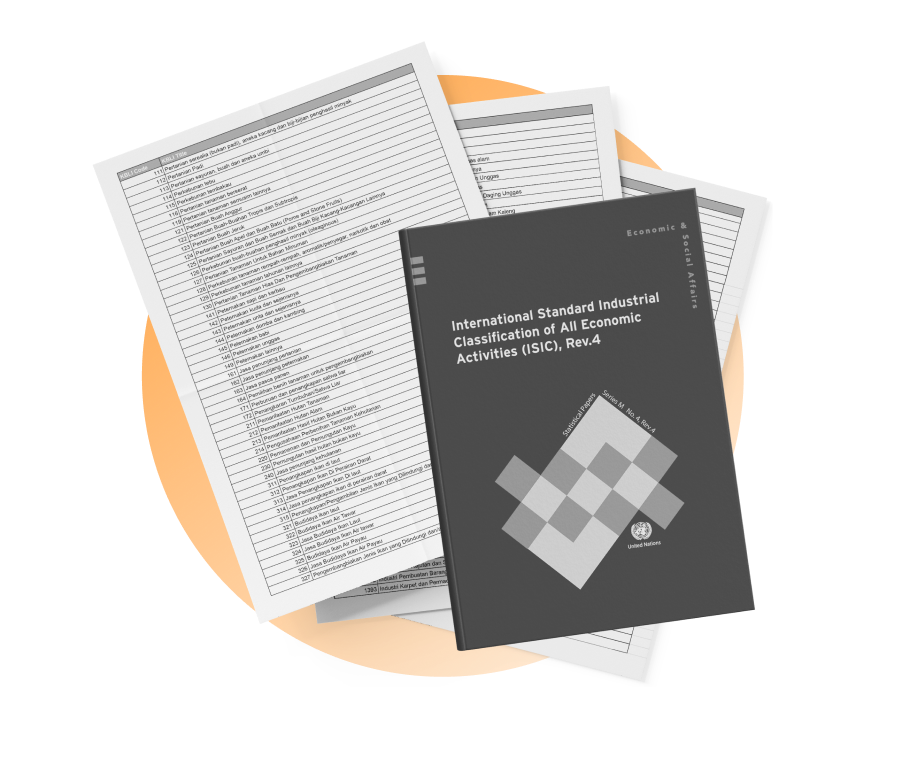
ISIC Rev. 4: 0162 — Support activities to animal production.
NAICS comparable: 11521 — Support Activities for Animal Production.
Industry Terms
Indonesian livestock vocabulary mixes Bahasa terms with veterinary technical language.
BBIB Singosari
Balai Besar Inseminasi Buatan — national bovine AI centre in Malang.
Major frozen-semen production for cattle AI.
BIB Lembang
Balai Inseminasi Buatan Lembang — second national bovine AI centre.
Complements BBIB Singosari.
BIBD
Balai Inseminasi Buatan Daerah — provincial AI centres.
Last-mile semen distribution.
Inseminator / mantri ternak
Village-level technician trained to perform AI on cattle.
On-the-ground service delivery.
PDHI
Persatuan Dokter Hewan Indonesia — Indonesian Veterinarians Association.
Veterinarian licensing and CPE.
Ditjen PKH
Direktorat Jenderal Peternakan dan Kesehatan Hewan, Kementan.
Policy and supervisory body.
BPTU-HPT
Balai Pembibitan Ternak Unggul dan Hijauan Pakan Ternak — breeding stock centres.
National breed stock production.
Integrator (broiler/layer)
Vertically integrated poultry company providing DOC, feed, vet support, buyback.
Dominant broiler production model.
Contract-grower (peternak plasma)
Smallholder raising broilers under integrator contract.
Production unit; ~700,000+ contract growers.
AI / IB
Artificial insemination / Inseminasi Buatan.
Primary genetic improvement tool for cattle.
Business Types & Models — how value is created
Five archetypes share KBLI 0162 — state genetic centres, integrator technical service, private vet/AI providers, hatchery support and breed associations.
State genetic and AI centres (BBIB Singosari, BIB Lembang, BIBD provincial)
Government-operated centres producing frozen bovine semen and distributing through provincial Dinas Peternakan to village inseminators. BBIB Singosari (Malang, East Java) is the largest; BIB Lembang (West Java) is the second; BIBD provincial centres handle distribution.
Semen revenue covers operations; broader genetic improvement programmes are funded by Ditjen PKH and provincial budgets.
Frozen semen straw revenue
Sapi Indukan Wajib Bunting subsidised AI services
Training of inseminators and Dinas staff
State institution; budget-funded operations
BBIB Singosari frozen-semen production at scale
Cold-chain network is the critical operational backbone
Integrator technical service (CPIN, JPFA, MAIN, SIPD, New Hope, Wonokoyo)
Integrators provide hatchery, DOC, feed, vaccine, veterinary technical service and buyback to contract-grower farms. Technical service field staff visit grower houses on a several-day cycle, providing biosecurity guidance, vaccination, troubleshooting and performance monitoring.
CPIN is the largest broiler integrator (DOC supply share among the highest); JPFA second; MAIN, SIPD, New Hope, Wonokoyo round out the top tier.
DOC, feed, vaccine and medication sales to contract growers
Buyback margin on grown broilers
Slaughter and downstream margin (also under separate KBLI)
Vertical integration from breeders to slaughter
Technical service teams are cost centres but drive grower productivity
Cluster operations in Java with expansion to Sumatra and Sulawesi
Private AI service providers and veterinary clinics
Private veterinary clinics serving farms with diagnostic services, vaccination, surgery and breeding consultation. Some specialise in dairy AI (notably East Java around Pasuruan and Malang), beef cattle AI, or poultry.
Operate under PDHI veterinarian licence and Dinas Peternakan registration.
Service-fee AI
Veterinary diagnostics, vaccination and surgery fees
Pharmaceutical and feed supplement margin
Small-scale clinics; regional concentration around livestock clusters
PDHI-licensed veterinarian dependence
Recurring relationship with smallholder and corporate farms
Hatchery support and embryo transfer specialists
Specialist providers of hatchery operational services to broiler and layer producers — incubation, sexing, vaccination at day-of-hatch. Embryo transfer specialists serve high-value dairy and beef breeding programmes.
Both segments are smaller but growing alongside integrator and corporate dairy expansion.
Per-egg or per-bird hatchery service fees
Embryo transfer fees on high-value cattle
Vaccination and quality-control services
Capex investment in hatchery equipment
Tight cold-chain and biosecurity requirements
Often integrated with corporate dairy or breeding programmes
Breed associations and herd-recording services
Breed associations (Asosiasi Peternak Sapi Perah Indonesia — APSPI; PERSEPSI; Asosiasi Peternak Ayam Bibit — APAB; ASOHI) maintain pedigrees, breed standards and herd-recording.
Funded by member dues, sponsored programmes and government partnership.
Member dues
Sponsored breed-improvement programmes
Herd-recording fees and certification
Non-profit or quasi-government structures
Long-cycle data collection and analysis
Critical for cross-border breed-stock trade
Performance & Outlook
Integrator-driven broiler scale, state-led cattle AI, biosecurity-pressed by FMD/LSD/ASF
Industry revenue is fragmented and partly bundled within integrator economics (broiler vet service is inside CPIN/JPFA P&L rather than standalone). Standalone AI service revenue (BBIB + BIB + private) is in the low-hundreds-of-billions to low-trillions of rupiah range. Veterinary services across smallholder and corporate farms total in the trillions when summed.
Cattle AI is growing at a steady mid-single-digit rate underpinned by Sapi Indukan Wajib Bunting and dairy-cluster expansion; broiler integrator vet service grows with DOC volume; FMD/LSD/ASF response programmes have created episodic vaccine and diagnostic demand spikes.
Forward, the binding variables are: Ditjen PKH budget continuity, integrator capex (CPIN/JPFA hatchery expansions), FMD/LSD vaccination programme execution, and PDHI veterinarian throughput.
Key performance indicators
Cattle and buffalo population
Cattle AI demand base
~17–18 million head
Annual cattle AI services performed
AI penetration
Several million inseminations annually
BBIB Singosari frozen-semen production
Genetic supply capacity
Multi-million straws annually
Broiler DOC placements
Integrator support demand
~3 billion annually
Contract-grower farms
Field service footprint
~700,000+ farms
Registered PDHI veterinarians
Vet supply
~20,000+; only a fraction in livestock-active service
Trained village inseminators (mantri ternak)
Frontline AI workforce
Tens of thousands across provinces
FMD vaccination doses (recent campaign)
Disease response scale
Tens of millions of doses
Outlook: what to watch
Ditjen PKH Renstra budget and Sapi Indukan Wajib Bunting expansion
FMD/LSD/ASF vaccination campaign execution
Integrator broiler capacity expansion (CPIN, JPFA, MAIN, SIPD)
Dairy industry expansion (Greenfields, Cimory, Ultra Jaya)
Digital herd management adoption and farm-software platforms
Growth Drivers
Six drivers — half demand, half policy — set medium-term direction.
Protein self-sufficiency push
Ditjen PKH and Kementan target reduced beef and chicken imports; AI penetration on cattle and broiler integrator productivity are the levers.
Beef import volumes
Cattle slaughter numbers
Sapi Indukan Wajib Bunting
Disease response programmes (FMD, LSD, ASF, HPAI)
FMD outbreak (2022), LSD spread and ASF in pigs drive episodic vaccine and veterinary service demand; HPAI cycles continue affecting poultry.
Outbreak case data from Ditjen PKH
Vaccination campaign volumes
Veterinary mobilisation
Dairy industry expansion
Greenfields, Cimory, Ultra Jaya, Indolakto/Indomilk corporate dairy expansion drives AI demand in East Java (Pasuruan, Malang, Probolinggo) and Central Java (Boyolali).
Corporate dairy capex
GKSI cooperative output
Dairy import substitution
Broiler integrator expansion
CPIN, JPFA, MAIN, SIPD, New Hope, Wonokoyo expand DOC capacity and contract-grower networks beyond Java.
Listed integrator earnings
Hatchery capacity additions
Contract-grower geographic spread
Digital herd and farm management
Digital tools (Tani Hub, Vetnesia, Sapibagus, Cattle Indo, farm management apps) emerge; combined with IoT for milk yield and feed monitoring.
Startup funding announcements
Pilot deployments at corporate dairies
Integrator adoption
Veterinary workforce development
PDHI and FKH (Fakultas Kedokteran Hewan) — IPB, UGM, Unair, Unud — train veterinarians; capacity expansion drives service availability.
FKH graduate numbers
PDHI member growth
Provincial Dinas hiring
Industry Trends & Development
Industry Development
From state AI rollout to integrator broiler era and biosecurity pressure
Indonesia's livestock support services evolved from state-led AI rollout in the 1970s–80s through integrator broiler era in the 1990s–2000s to today's biosecurity-pressed system managing FMD, LSD, ASF and HPAI.
Next five years pivot on disease response, dairy expansion, digital adoption and self-sufficiency programmes.
State AI rollout
BBIB Singosari established 1976; BIB Lembang follows; village-level mantri ternak network built
Integrator broiler era
Charoen Pokphand expands in Indonesia; Japfa establishes integrator network; contract-grower model takes off
Avian influenza response
H5N1 HPAI outbreaks drive biosecurity programmes; integrator field service expands; vaccination rolls out
Self-sufficiency push
Sapi Indukan Wajib Bunting programme; dairy expansion (Greenfields, Cimory); ASF in 2019 hits NTT pig farms
FMD, LSD, ASF response and digital
FMD outbreak 2022 East Java; LSD spread; ASF persistence; FMD/LSD vaccination campaigns; digital herd management emerges
Key Trends Shaping the Industry (Business Model Canvas view)
Five BMC dimensions are most active: Key Resources, Key Activities, Channels, Customer Segments and Cost Structure.
[Key Resources] Veterinarian and inseminator workforce constraint
PDHI veterinarians and trained mantri ternak are the binding constraints on service scaling; FKH graduate flow and Dinas hiring set the ceiling.
Ditjen PKH
Dinas Peternakan
Integrators
Private clinics
[Key Activities] Disease response runs alongside routine service
FMD, LSD, ASF and HPAI response programmes consume vaccination, surveillance and field-time capacity, alongside routine AI and broiler support.
Ditjen PKH
Integrators
Provincial vets
[Channels] Integrator field service vs Dinas inseminator dual model
Integrators run captive field service for contract growers; Dinas-led inseminators serve smallholder cattle/dairy farmers. Two parallel distribution models coexist.
Integrators
Provincial Dinas
Smallholder farmers
[Customer Segments] Corporate dairy and beef expansion adds new buyer profile
Greenfields, Cimory, Ultra Jaya, plus beef-cattle aggregators (Berdikari, Santosa Agrindo) shift service demand toward corporate quality standards (CEIV-equivalent dairy chain, HACCP).
Specialist AI providers
Veterinarians
Corporate dairies
[Cost Structure] Cold-chain and biosecurity capex rising
LN2 nitrogen cold-chain for AI semen, vaccine cold-chain and farm biosecurity require ongoing capex; disease outbreaks intensify spend.
BBIB/BIB
Integrators
Provincial Dinas
[Key Activities] Digital tools emerge
Farm management apps, herd recording software, IoT collars for dairy, supply-chain tracking begin adoption.
Startups
Corporate dairy operators
Integrators
Impact and Sustainability
Impact runs through food security, rural livelihoods, public health and biosecurity.
Food security
AI and broiler support directly determine beef and chicken supply; failures translate to import dependence and price spikes.
Self-sufficiency vs unit cost
Smallholder vs corporate efficiency
Rural livelihoods
Millions of smallholder cattle farmers and ~700,000+ contract growers depend on these services for income.
Service cost vs farmer margin
Modernisation vs traditional practice
Public health and zoonosis
HPAI, FMD, ASF, leptospirosis and rabies have public-health implications; veterinary surveillance is a frontline.
Surveillance investment vs cost
Vaccination coverage vs welfare standards
Biosecurity and disease management
FMD/LSD/ASF episodes show structural vulnerability; biosecurity investment is the resilience lever.
Capex on biosecurity vs short-term cost
Smallholder education vs enforcement
Industry Segmentation
Service Segmentation
Services within KBLI 0162 differ on capital intensity, labour content and customer mix.
Segmentation by service
Cattle artificial insemination (AI/IB)
Frozen semen insemination of cattle and buffalo
BBIB/BIB, BIBD, mantri ternak, private clinics
IDR 30–100k per service (often subsidised)
Embryo transfer
Embryo transfer in high-value cattle
Specialist providers, corporate dairies
IDR 1–5 million per service
Hatchery support
Operational hatchery services for broiler/layer
Integrators (CPIN, JPFA, MAIN, SIPD), hatchery specialists
Per-egg or per-DOC contracted
Veterinary services to farms
On-farm diagnostics, vaccination, treatment
PDHI veterinarians, integrator field staff, Dinas vets
Variable; subsidy + service fees
Herd recording and breed registration
Pedigree, performance recording, breed certification
Breed associations, BPTU-HPT
Member dues + recording fees
Livestock judging and inspection
Quality grading, slaughter inspection
Dinas and association inspectors
Fee-for-service or public funded
Disease surveillance and outbreak response
FMD/LSD/ASF/HPAI campaigns
Ditjen PKH, provincial Dinas, integrators
Public budget; partly cost-shared
Digital herd/farm management
Software, IoT, data services
Startups + integrator IT teams
Subscription / per-head fees
Routine cattle AI is highly subsidised through state programmes — fees alone do not cover operational economics.
Integrator field service is embedded within DOC/feed economics rather than separately priced.
Livestock Type Segmentation
Service intensity and structure vary across livestock types.
Segmentation by livestock type
Beef cattle
~17–18 million head (incl. buffalo)
AI, breeding management, vaccination
BBIB/BIB, Dinas, private vets
Dairy cattle
Part of cattle pop; concentrated East Java/Central Java
AI, milking hygiene, mastitis control
Specialist AI, Dinas, corporate dairy in-house
Buffalo
~1.2 million head
Limited AI, vaccination
Provincial Dinas
Goat
~17 million head
Limited AI, vaccination, parasite control
Smallholder vets, NGOs
Sheep
~16 million head
Vaccination, breeding, shearing
Smallholder vets, regional
Pig
~9 million head
ASF biosecurity, vaccination
Provincial vets, smallholder programmes
Broiler chicken
~3 billion DOC annual placements
Integrator field service, hatchery
CPIN, JPFA, MAIN, SIPD, New Hope, Wonokoyo
Layer chicken
~300+ million birds
Vaccination, hatchery, breeding
Integrators and independent operators
Customer Profiles
Customers vary by farm scale, livestock type and ownership structure.
Customer profiles and what they value
Smallholder cattle farmer
1–5 head, often part of village herd
Successful AI conception; healthy calves
Affordable AI; nearby inseminator; basic vet care
Dinas + mantri ternak
Smallholder dairy farmer
1–10 cows in East Java/Central Java
Milk yield; mastitis control; calf production
Reliable AI; mastitis support; milk price
GKSI cooperatives + private AI
Beef cattle aggregator
Berdikari, Santosa Agrindo, regional aggregators
Productivity per head; biosecurity
AI quality, vet support, feed advisory
Specialist providers + Dinas
Corporate dairy farm
Greenfields, Cimory, KUD Setia Kawan
Premium yield; reliable AI; mastitis control
Embryo transfer, advanced AI, premium vet
In-house vets + specialist providers
Broiler contract grower
Peternak plasma under CPIN/JPFA/MAIN/SIPD contract
Bird survival; weight at harvest; biosecurity
Integrator field service, DOC quality, feed
Integrator-supplied
Independent layer farm
Mid-scale layer operator
Egg production; bird health; vaccination
Vaccines, feed, vet support
Independent vets + integrator supply
Provincial Dinas Peternakan
Government livestock service
Programme implementation, outbreak response
Coordination, surveillance, vaccine supply
Internal + central Ditjen PKH
Hatchery operator
Standalone or integrator hatchery
Hatch rate; chick quality; biosecurity
Hatchery services, vaccinations, sexing
Integrator + specialist providers
Ecosystem & Key Players
Ecosystem Mapping
Ecosystem layers from regulator and state centres through integrators to private vets, cooperatives and farms.
Core (service providers and integrators)
Entities providing animal production support services under KBLI 0162.
State genetic centres: BBIB Singosari, BIB Lembang, BIBD provincial centres
Integrators (broiler/layer): Charoen Pokphand Indonesia (CPIN), Japfa Comfeed Indonesia (JPFA), Malindo Feedmill (MAIN), Sierad Produce (SIPD), New Hope, Wonokoyo, Comfeed Hartono
Private vet clinics and AI providers: PDHI-registered veterinarians; specialist AI providers in East Java/Central Java
Inseminator/mantri ternak network: tens of thousands of trained village-level inseminators
Extension (cooperatives, corporate buyers, finance)
Cooperatives, corporate buyers and finance providers.
Dairy cooperatives: GKSI (Gabungan Koperasi Susu Indonesia), KUD Setia Kawan, KUD Tani Sejahtera
Corporate dairies: Greenfields Indonesia, Cimory, Ultra Jaya, Indolakto/Indomilk (Indofood), Frisian Flag Indonesia
Beef aggregators: PT Berdikari (BUMN), Santosa Agrindo (Santori), regional cooperatives
Pig industry: NTT, Bali, North Sumatra pig farmer associations
Finance: BRI KUR, Mandiri agri, BCA Finance, Adira Finance for livestock
Enabling (regulators, standards, education)
Rule-setters and infrastructure.
Regulators: Kementerian Pertanian Ditjen PKH (peternakan dan kesehatan hewan), BPOM (animal feed/drug), BKarantina Pertanian (livestock movement)
Standards: SNI livestock and meat standards, Halal MUI certification for slaughter, OIE/WOAH animal-disease standards
Education: FKH IPB, UGM, Unair, Unud — veterinary schools; PDHI veterinary association
Programmes: Sapi Indukan Wajib Bunting, FMD vaccination, LSD response, ASF management
How value flows across the ecosystem
Regulators set standards and outbreak responses; state genetic centres produce semen and breed stock; integrators deliver DOC, feed and field service; private vets and mantri ternak deliver field services; cooperatives and corporate buyers aggregate output.
Strategic chokepoints sit at BBIB/BIB semen production capacity, PDHI veterinarian throughput and integrator hatchery capex.
Leading Players
Named players below illustrate structural positions; figures are directional industry estimates.
Leading firms by position
BBIB Singosari (Malang)
Largest national bovine AI centre
Frozen-semen production at scale; export to ASEAN; training centre
Budget-dependent; capex constraints
BIB Lembang
Second national bovine AI centre
Complementary capacity; West Java distribution
Smaller than BBIB
Charoen Pokphand Indonesia (IDX: CPIN)
Largest broiler integrator
DOC, feed, vaccine supply chain; widest contract-grower network
Volatile broiler economics; FMD/HPAI exposure
Japfa Comfeed Indonesia (IDX: JPFA)
Second-largest broiler integrator
Integrated DOC/feed/vet/contract grower; layer presence
Same cycle exposure
Malindo Feedmill (IDX: MAIN)
Mid-tier integrator
Indonesia and Malaysia presence
Smaller scale than CPIN/JPFA
Sierad Produce (IDX: SIPD)
Listed integrator
Long-tenure brand; broiler/layer
Smaller scale; sector volatility
New Hope Indonesia
Chinese-owned integrator
Cross-border feed expertise
Smaller domestic share
Wonokoyo Group
Privately-held integrator
East Java base; vertical integration
Less public disclosure
Greenfields Indonesia
Corporate dairy leader
Premium milk; East Java cluster
Capital-intensive expansion
Cimory Group
Dairy and yogurt
Premium positioning; East Java sourcing
Sourcing concentration
Ultra Jaya / Frisian Flag / Indolakto
Dairy processors with vertical contracting
Branded dairy demand pulls farm-side service
Import vs domestic milk balance
PT Berdikari (BUMN)
State cattle aggregator
Government-aligned; programme execution
Smaller commercial footprint
How competition typically plays out
Broiler-side: CPIN, JPFA, MAIN, SIPD plus New Hope and Wonokoyo compete intensely on DOC supply, feed pricing and contract-grower retention; geographic expansion to Sulawesi and Sumatra is the growth front.
Cattle AI: state-led system with private and corporate-dairy in-house teams complementing. Dairy AI is the most competitive sub-segment for private providers; smallholder beef AI is largely state-subsidised.
Operating Conditions
Concentration, Competition, Cost Structure & Economics
Market structure is segmented by livestock type. Broiler/layer support is concentrated in integrators (CPIN + JPFA dominate; MAIN, SIPD, New Hope, Wonokoyo round out). Cattle AI is state-concentrated (BBIB + BIB + provincial) with private complementing in dairy. Veterinary services to smallholders are highly fragmented.
Personnel (40–55%)
Veterinarians, inseminators, field staff, technicians
PDHI graduate flow
Dinas hiring
Integrator field staff
Talent is the binding constraint
Materials and consumables (15–25%)
Semen, vaccines, diagnostic kits, drugs, equipment
Pharma import prices
Cold-chain logistics
Import-dependent for many vaccines
Cold-chain and logistics (10–15%)
LN2 nitrogen for semen; vaccine cold-chain; field travel
Fuel costs
Provincial reach
Critical for service viability
Capex amortisation (5–10%)
Hatchery, lab equipment, vehicles
Capex cycle
Asset life
Higher at integrators and corporate dairies
Training and CPE (3–5%)
Veterinarian and inseminator training
Programme cycles
PDHI requirements
Critical for workforce quality
Compliance and overheads (5–10%)
PDHI dues, BKarantina, BPOM, OIE/WOAH coordination
Regulatory complexity
Rises during outbreak responses
Porter's Five Forces — KBLI 0162
Threat of new entrants
Medium-Low
PDHI licensing and integrator scale are barriers; small private clinics easier to start
Bargaining power of customers
Medium
Smallholders are price-takers; corporate dairies and integrators set tight specs; cooperatives bargain
Bargaining power of suppliers
Medium-High
Vaccine and pharma suppliers (Boehringer Ingelheim, Zoetis, Merial, Ceva, MSD, Romindo, Medion, Sanbio) hold pricing power
Threat of substitutes
Low
AI substitutes natural breeding but no good substitute for vet services
Rivalry among existing competitors
Medium
Broiler integrators compete intensely; cattle AI is more state-led with limited rivalry
BBIB/BIB economics are budget-dependent rather than purely commercial
Integrator field service margin is embedded in DOC/feed economics
Private vet clinics: 15–30% net margin depending on scale and specialty
Corporate dairy AI: capex-heavy but high-value-per-service
Regulation & Compliance Considerations
Regulation runs through veterinary licensing, livestock movement control, animal-feed/drug, halal slaughter and disease response.
Regulatory anchors and operational impact
UU Peternakan dan Kesehatan Hewan (18/2009; amend 41/2014)
Livestock and animal-health framework
Defines scope of permitted activities
Ditjen PKH coordination
PDHI licensing
Veterinarian practice licence
Mandatory for veterinary services
Maintain licence, CPE
BKarantina Pertanian movement permits
Livestock cross-province movement permits
Affects logistics and disease spread
Documentation, health certificates
BPOM animal feed and drug registration
BPOM-ND registration of feed additives and veterinary drugs
Mandatory for products used in livestock
Registration; renewal; label compliance
OIE/WOAH standards
International animal-disease standards
Affects trade and export
Compliance with international standards
Halal slaughter / MUI standards
Halal certification for slaughter (separate KBLI)
Affects downstream meat market access
Slaughter facility compliance
FMD/LSD/ASF outbreak protocols
Outbreak response standards
Service teams mobilised during outbreaks
Coordination with Dinas; protocol adherence
Tax (PPh 25, PPN 11%)
Income tax and VAT
Pricing
Standard tax processes
FMD/LSD/ASF spread can disrupt livestock movement and service delivery
Vaccine import constraints during global shortages affect campaign execution
PDHI veterinarian shortage limits service expansion
Provincial perda differences in livestock movement and biosecurity
FAQs & Sources
FAQs
Who runs cattle AI in Indonesia?
State-led system anchored by BBIB Singosari (East Java) and BIB Lembang (West Java) producing frozen bovine semen, distributed through provincial Dinas Peternakan to village mantri ternak/inseminators. Private clinics and corporate-dairy in-house vets complement, especially in East Java dairy cluster.
Who provides broiler/layer support services?
Integrators dominate — Charoen Pokphand Indonesia (CPIN), Japfa Comfeed Indonesia (JPFA), Malindo Feedmill (MAIN), Sierad Produce (SIPD), New Hope, Wonokoyo. They deliver DOC, feed, vaccines and field veterinary service to contract growers.
How concentrated is the industry?
Segmented. Broiler/layer support is heavily concentrated (CPIN + JPFA dominate; MAIN, SIPD, New Hope, Wonokoyo follow). Cattle AI is state-concentrated. Veterinary services to smallholders are highly fragmented.
What's the impact of FMD/LSD/ASF?
FMD outbreak (2022) drove vaccination campaigns and movement restrictions; LSD spread similar; ASF persists in pigs especially NTT/North Sumatra. Each event spikes vaccine demand, veterinary mobilisation and biosecurity capex.
How does dairy AI differ from beef AI?
Dairy AI is more concentrated in East Java (Pasuruan, Malang) and Central Java (Boyolali); higher per-service value; often delivered by specialist providers or corporate dairy in-house. Beef AI is more dispersed across smallholder farms via state-subsidised programmes.
What determines profitability for service providers?
Talent retention (PDHI vets, trained inseminators), service density (visits per technician per day), cold-chain integrity for AI semen and vaccines, and biosecurity-compliant farm relationships. Outbreak periods create demand spikes but compress per-service margins via cost-shared campaigns.
Sources & Notes
This report synthesises publicly available regulatory and industry information, listed-company disclosures, association publications and Ravenry analyst commentary. Where exact figures are unavailable, directional and approximate ranges are used.
Direktorat Jenderal Peternakan dan Kesehatan Hewan (Ditjen PKH), Kementan
Livestock policy, programmes, disease response
BPOM (animal feed and drug registration)
Veterinary pharmaceutical regulation
Badan Karantina Pertanian
Livestock movement and quarantine
BBIB Singosari, BIB Lembang
Bovine semen production and distribution
CPIN, JPFA, MAIN, SIPD
Annual reports and quarterly disclosures
PDHI (Persatuan Dokter Hewan Indonesia)
Veterinarian licensing and CPE
GKSI, APSPI, APAB
Cooperative and breed-association data
Badan Pusat Statistik (BPS) livestock statistics
Population, production, slaughter data
OIE/WOAH (World Organisation for Animal Health)
International animal-disease standards
This report is for informational purposes and does not constitute legal, regulatory or investment advice. Figures are directional unless otherwise indicated.