Advertising Services Industry in Indonesia
KBLI 7310 — Digital majority, holdco-vs-indie economics, and the influencer-creator stack reshaping media buying
Indonesia's advertising services market sits at IDR 200+ trillion in measured spend (Nielsen Adex methodology, gross), with digital absorbing the majority and TV still anchoring reach for FMCG. The market splits into agency-of-record retainers, project creative, programmatic and performance media, and a fast-growing influencer-and-creator stack. Holdcos (WPP, Publicis, Omnicom, IPG, Dentsu, Havas) operate via local entities; large independents (Dwi Sapta, Magnivate, Mirum, Rebel9, Imagispace) compete on speed and local creative.
Total measured ad spend ~IDR 200+ trillion (Nielsen Adex methodology, gross)
Digital share has crossed 60%+ of total ad spend (mostly Meta, Google, TikTok)
TV still ~25–30% of spend, anchored by SCM, MNC, EMTK, Trans-CT groups
Influencer-creator economy adds USD 1bn+ off-platform spend not always in Adex
Programmatic now the dominant digital buying mode; walled gardens (Meta/Google/TikTok) ~80% of digital
Regulation via UU Penyiaran, KPI Content Code, OJK (financial ads), POM (food/drug ads), P3I self-regulation
Executive Summary
Indonesia's advertising services industry (KBLI 7310) reached an estimated IDR 200+ trillion in measured gross spend (Nielsen Adex methodology), making it one of Southeast Asia's largest single ad markets. Digital channels now absorb the majority of spend — Meta, Google (YouTube and Search) and TikTok collectively account for roughly 80% of digital media dollars — while linear TV still anchors mass-reach for FMCG (Unilever, Indofood, Mayora, Wings, Garuda Food) at roughly 25–30% of total.
Structurally, the market is a barbell: international holdcos (Mindshare, MediaCom, GroupM, Wavemaker, Publicis Media, OMD, Mediabrands, Dentsu, Havas Media) hold large multinational accounts; large local independents (Dwi Sapta, Magnivate, Mirum, Rebel9, Imagispace, Petakumpet) hold large local accounts and FMCG retainers; thousands of boutiques and influencer/creator-led shops capture project work, performance media and the creator economy. The fault line of the moment is the shift from agency-of-record retainers to performance-led project mandates, and the rise of in-house client teams competing with agencies on the same talent.
Digital ad spend has crossed 60%+ of total measured ad spend; growth concentrated in Meta, Google and TikTok
TV still 25–30% of spend, dominated by EMTK (SCTV/Indosiar), MNC (RCTI/MNCTV/iNews), Trans-CT (Trans TV/Trans 7) and Visi Media (ANTV/tvOne)
OOH revival post-COVID — DOOH supply growing via Phoenix, AdEnergy, Indoreklame, Solusi Tunas Pratama (STP)
Creator economy (TikTok, Instagram, YouTube Shorts) is the fastest-growing layer; influencer marketing spend grew double-digits annually
Major regulators: KPI (broadcast content), OJK (financial ads), POM (food/drug ads), Kemkominfo (digital platforms), with P3I as the principal self-regulator
Why this industry matters in Indonesia
Advertising is the demand-side engine for consumer brand growth in a market with 280m people, ~210m active social media users and ~$1.4tn GDP.
Media production (TV, radio, digital content) is downstream of ad budgets — ~70% of broadcast TV revenue is advertising.
Creator economy formalisation is a labour-market story: tens of thousands of micro-creators monetise through TikTok Shop, Shopee Affiliate, YouTube Partner Program.
Brand-safety and content regulation work (KPI, POM, OJK) sit inside this industry's compliance perimeter.
So what: Practical implications
Operators: Build measurable performance capability and creator partnerships — pure-creative shops are losing tenders
Buyers: Move from agency-of-record to retainer + project + in-house blend; lock measurement standards (Nielsen, Comscore, internal lift studies)
Investors: Roll-up opportunity in independents; SaaS infrastructure (DSPs, MMP, creator marketplaces) is under-served
Policymakers: Walled-garden concentration limits domestic platform monetisation; data localisation rules under PP 71/2019 reshape ad-tech stacks
Indonesia at a Glance
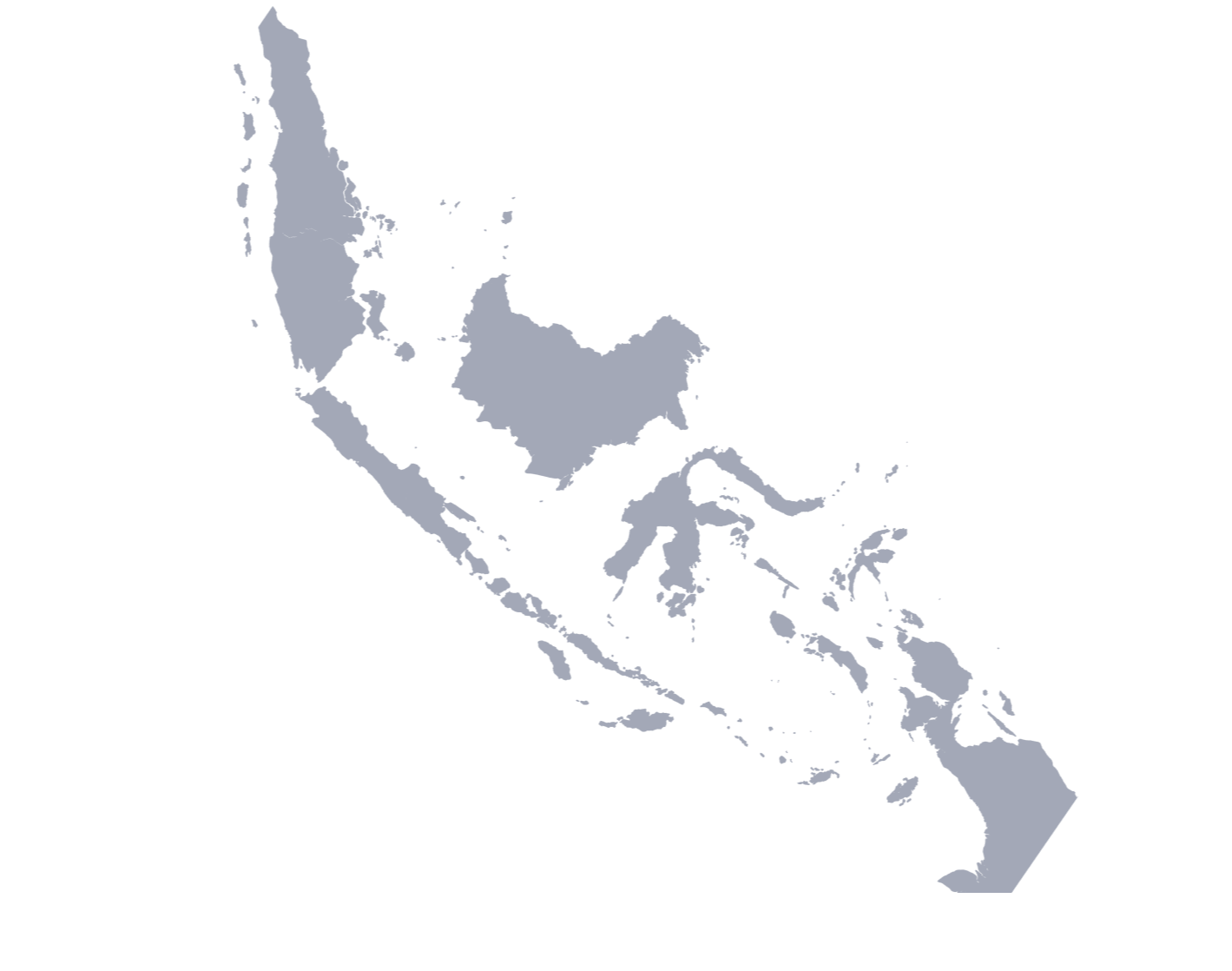
Republic of Indonesia: large and fragmented market
Indonesia is Southeast Asia's largest single advertising market by spend, supported by ~280 million people, ~210 million active social-media users (We Are Social/Hootsuite-aligned estimates), and ~$1.4tn GDP. Smartphone penetration sits around 75–80% of adults, and average daily mobile-internet time exceeds 5 hours.
Spend is concentrated in Java — Jakarta, Surabaya, Bandung, Semarang — but rural reach via free-to-air TV (FTA) and TikTok remains decisive for mass-FMCG categories. Outer-island spend grows fastest in eastern Indonesia where TV reach is uneven and TikTok adoption is highest.
TV households still exceed 70 million; FTA penetration is near-universal even as connected-TV (CTV) emerges via Vidio, Mola, Vision+ and YouTube.
Digital ad targeting is constrained by walled-garden data and PDP Law (UU 27/2022), which began enforcement in 2024 and reshapes consent and personalisation.
Hyperlocalisation is key to navigate Indonesia's market
Creative localisation runs deep: language (Bahasa-first, with strong regional Bahasa Jawa/Sunda/Minang variants), religious calendars (Ramadan ad spend can be 25–35% of annual budgets for FMCG), and consumer rituals (mudik, sahur, buka puasa, gajian payday cycles) all reshape media plans.
Channel mix varies sharply by region: Jakarta and Surabaya skew digital and OOH; Sumatra and Sulawesi skew TV and radio; eastern Indonesia is TV plus TikTok dominant. Pricing on FTA TV (spot CPM) is multiples lower than premium digital CPM but commands much higher reach efficiency for mass audiences.
Opportunities extend beyond cities
FMCG, telco (Telkomsel, Indosat, XL/Smartfren), pharma OTC (Kalbe, Sido Muncul, Tempo Scan, Dexa Medica) and motorcycle brands (Honda, Yamaha) anchor tier-2 and tier-3 city demand. These cities also concentrate the fastest-growing TikTok Shop and Shopee Affiliate seller bases — making affiliate-style influencer activations more cost-efficient than display.
Out-of-home is gaining outside Jakarta as roads upgrade — Bandung, Semarang, Surabaya, Medan, Makassar all have growing DOOH inventory operated by Phoenix Communications, AdEnergy, Indoreklame, STP and BIG Production.
Creator economy formalisation: TikTok Shop, Shopee Affiliate, Tokopedia Marketplace driving creator monetisation
Programmatic DOOH supply scaling — Phoenix, AdEnergy, Solusi Tunas Pratama LED inventory
Retail media networks: Tokopedia Ads, Shopee Ads, Blibli Ads, Lazada Sponsored Solutions
CTV inventory: Vidio (EMTK), Vision+ (MNC), Mola, YouTube TV-style viewing rising
Ramadan 2025 spend cycle remains the single largest annual seasonal lift
PDP Law implementation drives demand for consent-management platforms and first-party data tooling
Distribution realities: media inventory, ad-tech and creator pipes
Inventory pipes run through six channels: linear TV (FTA), CTV/OTT (Vidio, Vision+, Mola, Netflix, Prime), audio (Spotify, JOOX, Noice podcasts), search (Google), social (Meta, TikTok, YouTube, X/Twitter, Snapchat), and OOH/DOOH.
Ad-tech runs through DSPs (The Trade Desk, DV360, Meta Ads Manager, TikTok Ads Manager), measurement (Nielsen, Comscore, Kantar, Integral Ad Science, DoubleVerify, Moat) and creator platforms (Partipost, Lemon, Sociolla Ads, Allstars Indonesia, Hypefast, Kolega).
Plan media as portfolio — TV for reach, TikTok for affinity, search for intent, OOH for cultural moments
Lock measurement vendors early — Nielsen Adex remains the legacy gold standard but is increasingly supplemented by Comscore and platform-native lift studies
Build first-party data capability — PDP Law tightens third-party cookie reliance; brand DMPs and CDPs are baseline
Diversify away from walled-garden over-reliance — programmatic CTV and retail media are realistic alternatives
Industry Overview
What is the advertising services industry?
Definition & Boundaries
KBLI 7310 covers Periklanan — the creation, planning and placement of advertising in any medium for clients, including media planning and buying; creative development and production; campaign management; programmatic and performance media; influencer and content marketing; events with advertising primary purpose; and OOH/DOOH planning and placement.
Included: full-service agencies, creative shops, media agencies, digital and programmatic specialists, influencer marketing agencies, OOH planners, in-store advertising.
Excluded: market research (KBLI 7320 — covers Nielsen, Kantar, GfK, Ipsos audience research), public relations (KBLI 7020), film/video production (KBLI 5911/5912) except when produced as advertising assets, broadcasting (KBLI 6020/6010) which owns the inventory rather than placing ads on it, and graphic design as standalone (KBLI 7410).
Indonesia in Focus
Indonesia's market is unusual in three ways: (a) extreme platform concentration in walled gardens with ~80% of digital spend in Meta, Google and TikTok; (b) very strong seasonal compression with Ramadan/Lebaran absorbing 25–35% of annual FMCG budgets; (c) influential self-regulation by P3I (Persatuan Perusahaan Periklanan Indonesia) and APPINA (Asosiasi Pengusaha Periklanan Nasional Indonesia) alongside state regulators.
TikTok's role is larger here than in most markets — TikTok Shop's brief 2023 closure under MoT Regulation 31/2023 and subsequent merger with Tokopedia (under GoTo) reshaped the e-commerce-and-advertising overlap.
Classification
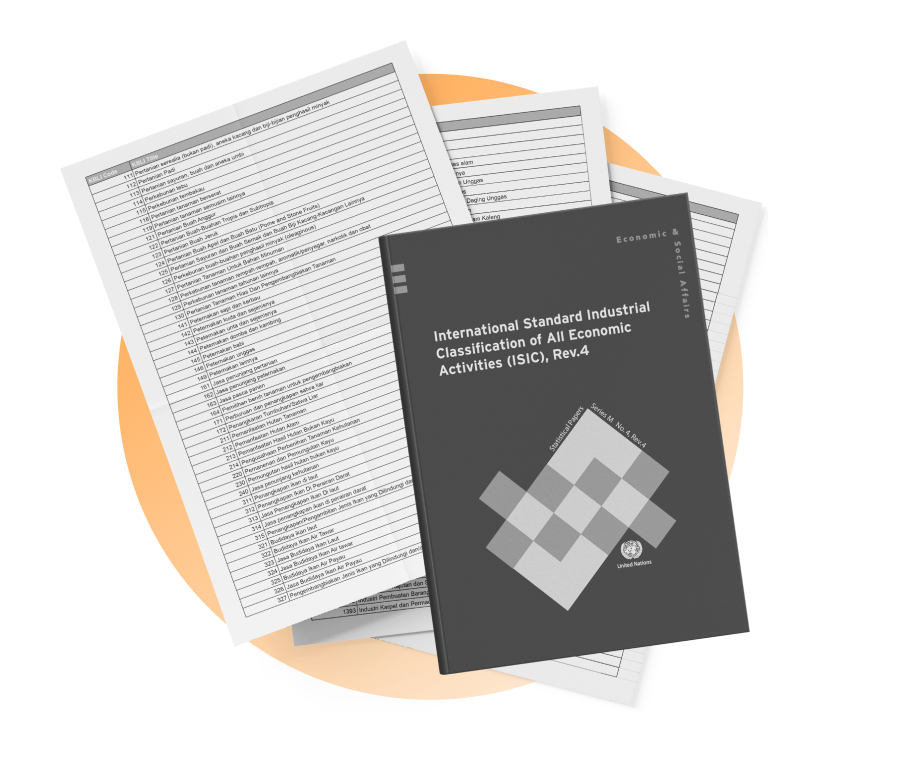
KBLI: 7310 — Periklanan.
ISIC Rev. 4: 7310 — Advertising.
NAICS comparable: 5418 — Advertising, Public Relations, and Related Services (advertising components 54181/54184).
Industry Terms
Operational language combines holdco/agency conventions with Indonesian regulatory terms — a working glossary helps read tender docs and creative briefs correctly.
Adex (Nielsen Adex)
Nielsen's gross media-spend monitoring product covering TV, print, digital, OOH; the legacy industry benchmark.
Defines what the industry calls 'ad spend' — gross, before discounts, and excludes parts of digital not measured directly.
P3I
Persatuan Perusahaan Periklanan Indonesia — the principal self-regulatory body for ad agencies.
Issues the Etika Pariwara Indonesia (EPI) ad-ethics code that applies alongside KPI rules.
EPI
Etika Pariwara Indonesia — the cross-industry ad code covering claims, comparative advertising, sensitive categories.
Compliance affects whether a campaign survives KPI/POM/OJK scrutiny.
KPI
Komisi Penyiaran Indonesia — content regulator for TV and radio broadcast.
Enforces broadcast content standards; can order ad take-downs.
BPOM
Badan POM — drug and food regulator that pre-approves advertising claims for OTC, supplements and food categories.
Pharma and food advertising requires BPOM clearance before air.
OJK ad rules
OJK rules on financial-product advertising (insurance, banking, multifinance, securities, fintech).
Fintech ads face strict disclosure and risk-warning rules.
Programmatic / RTB
Algorithmic real-time bidding for digital inventory through DSPs and SSPs.
Now the default mode for digital display, CTV and DOOH buying.
Retail media networks
Ad inventory inside e-commerce platforms (Tokopedia Ads, Shopee Ads, Blibli Ads).
Fastest-growing performance channel with closed-loop measurement.
Creator / KOL economy
Influencer and creator-led content monetisation across TikTok, Instagram, YouTube.
Replaces traditional spokesperson endorsement; spend often runs outside Adex tracking.
Business Types & Models — how value is created
Six archetypes share KBLI 7310; they differ on scope, billing model and the kind of client they retain.
Global holdco creative networks (WPP, Publicis, Omnicom, IPG, Dentsu, Havas)
International holdco creative networks — Ogilvy, Wunderman Thompson, McCann, Leo Burnett, Saatchi & Saatchi, DDB, BBDO, TBWA, Dentsu Creative, Havas Creative — operating through local Indonesia entities, mostly headquartered in Jakarta.
Capture multinational accounts: Unilever, Procter & Gamble, Coca-Cola, Nestlé, L'Oréal, Reckitt, Mondelez, Pepsi, banks, telcos. Compete on scale, global creative methodologies, sectoral specialisation.
Agency-of-record retainers plus project fees plus production mark-ups
Global account alignment fees (Indonesia execution of regional creative concepts)
Cross-discipline pull-through into events, PR, digital, brand strategy
Pyramid talent leverage; Jakarta-centric office
Tight global brand-guardrails; local execution flexibility
Aggressive headhunt target for senior creatives
Global holdco media networks (GroupM, Publicis Media, OMD, Mediabrands, dentsu Media, Havas Media)
Media planning and buying agencies — Mindshare, MediaCom, Wavemaker, EssenceMediacom, Starcom, Zenith, Spark Foundry, OMD, PHD, UM, Initiative, Carat, dentsu X, iProspect, Havas Media.
Capture the bulk of multinational media budgets, holding strong relationships with Google, Meta, TikTok and TV groups.
Media-buying commissions (historically 10–15%, now compressed to 2–5% on major accounts)
Trading-desk margin on programmatic
Strategic and analytics fees layered on top of media commissions
Trading and inventory deals at holdco scale create pricing advantage vs independents
Margin pressure has driven move into 'business outcomes' consulting
Large local independents (Dwi Sapta, Magnivate, Mirum, Rebel9, Imagispace, Petakumpet, Madsketcher, Pantarei)
Independent Indonesian agencies — many local-FMCG-anchored — that retain large local accounts (Wings, Kalbe, Indofood divisions, Mayora, Sido Muncul, etc.) and compete with holdcos on speed and cultural fluency.
Often offer integrated creative-and-media bundles unavailable inside holdco structures.
Retainers anchored to local-FMCG accounts
Project fees on creative production
Bundled creative + media + production margin
Founder-led decision-making; high creative autonomy
Mix of senior ex-holdco talent and local creative directors
Increasingly invest in creator and TikTok-native capability
Performance and programmatic specialists (M&C Saatchi Performance, Mirum, AnyMind, Hypefast, Gushcloud)
Performance-marketing specialists handling paid search, social, app install, e-commerce ads, retail media and programmatic.
Capture spend from D2C brands, fintech challengers, e-commerce sellers, gaming companies, edtech and SaaS — segments holdcos historically under-served.
Performance fees (CPA, CPI), management fees on media spend, retainers
Tooling resale (DSP, MMP, attribution platforms)
Affiliate and creator-driven campaign margin
Heavy investment in measurement and attribution
Engineering-led culture vs creative-led holdcos
Rapid scaling via API-driven campaign management
Creator and influencer agencies (Partipost, Lemon, Allstars Indonesia, Hypefast, Kolega, Tokopedia/Shopee creator desks)
Specialised in matching brands with creators across TikTok, Instagram, YouTube, X, and embedding creator content into broader campaigns.
Operate as marketplaces, managed services, or hybrid; capture both campaign fees and creator-side commissions.
Campaign management fees and creator-side commissions
Platform/tech licensing of creator-matching software
Affiliate revenue (TikTok Shop, Shopee Affiliate, Tokopedia)
Operations heavy: managing thousands of creators per campaign
Compliance complexity around endorsement disclosure and BPOM/OJK rules
Frequent disputes over deliverable definition and content rights
OOH and DOOH specialists (Phoenix Communications, AdEnergy, BIG Production, Indoreklame, Solusi Tunas Pratama)
OOH and DOOH operators-cum-agencies that plan, lease and operate billboards, transit ads, mall LED, airport advertising and street furniture.
Some own inventory; others act purely as buyers on inventory leased from municipal authorities and private landlords.
Inventory lease arbitrage (own/lease, sell to advertisers at mark-up)
Installation and creative production fees
Programmatic DOOH inventory monetisation
Capex-heavy at the LED-screen end
Permit complexity with municipal authorities (Pemda Jakarta, Surabaya, Bandung)
Programmatic DOOH supply growing but still small share
Performance & Outlook
Digital majority, walled-garden concentration, creator-economy tailwind
Total measured ad spend (Nielsen Adex gross) sits at IDR 200+ trillion annually, but the headline figure overstates real net spend because of TV rate-card inflation and excludes large parts of digital that platforms don't share with Nielsen. Real net ad spend across all channels is estimated at IDR 75–95 trillion.
Digital crossed the 50% mark several years ago and is now 60%+ of total. The walled-garden trio (Meta, Google, TikTok) takes roughly 80% of digital. Retail media networks (Tokopedia, Shopee, Blibli, Lazada) are the fastest-growing slice within digital, expanding double-digit annually off a small base.
TV remains structurally important — 25–30% of measured spend — but pricing is under sustained pressure as rating points decline outside Ramadan and live sports. CTV inventory from Vidio (EMTK) and Vision+ (MNC) is the longer-term replacement, though scale is still small.
Key performance indicators
Total measured ad spend (gross)
Industry scale
IDR 200+ trillion (Nielsen Adex methodology)
Real net ad spend (est.)
Spend after rate-card discounts and unmeasured digital adjustments
IDR 75–95 trillion
Digital share of total ad spend
Channel mix
60%+ and rising
TV share of total ad spend
Linear video dependence
25–30% with seasonal Ramadan spike
OOH/DOOH share
Out-of-home recovery
5–10% and rising with DOOH supply
Walled-garden share of digital
Platform concentration
~80% (Meta + Google + TikTok)
Influencer/creator spend (off-Adex)
Creator economy size
USD 700m–1.2bn estimated
TV households reached by FTA
Mass-reach base
70+ million households
Outlook: what to watch
TikTok Shop and Shopee Affiliate growth as advertising and commerce blur
CTV inventory scaling on Vidio, Vision+, Mola
Retail media maturity at Tokopedia, Shopee, Blibli, Lazada
PDP Law enforcement under Kemkominfo and the consent-management response
Holdco margin pressure driving consolidation or carve-outs (e.g. WPP global restructuring impact on Indonesia)
Growth Drivers
Six drivers — half demand-side, half infrastructure — set medium-term direction.
Consumer brand expansion (FMCG, telco, fintech, OTT)
FMCG ad budgets remain the anchor — Unilever, Indofood, Wings, Mayora, P&G, Nestlé each spend in the multi-trillion-rupiah range annually. Telcos (Telkomsel, Indosat, XL) and OTT (Netflix, Vidio, Mola) sustain top-of-funnel spend, while fintech (Akulaku, Kredivo, DANA, GoPay, OVO, ShopeePay) drives performance ad spend.
FMCG ad-spend share in Nielsen Adex
Fintech UA campaign volume
Telco MNP marketing intensity
Creator economy and affiliate monetisation
TikTok Shop, Shopee Affiliate, Tokopedia Creator and YouTube Shopping have built a creator-to-commerce funnel that didn't exist five years ago. Tens of thousands of micro-creators monetise through affiliate codes and live commerce, materially shifting the destination of advertiser budgets.
TikTok Shop GMV trajectory
Affiliate creator count growth
Live-commerce frequency on Shopee and Lazada
Retail media networks
Tokopedia Ads, Shopee Ads, Blibli Ads and Lazada Sponsored Solutions are closed-loop advertising channels that convert intent at point of purchase. Brand spend is migrating into these from open-web display because of measurability.
Retail media revenue at GoTo (Tokopedia), Sea (Shopee)
Sponsored search penetration of seller spend
First-party data product launches
Programmatic DOOH
LED inventory expansion by Phoenix, AdEnergy, Indoreklame, BIG, STP is feeding programmatic DOOH platforms. Improved measurement and dynamic creative make DOOH competitive with digital display for mid-funnel work.
DOOH inventory growth
Programmatic DOOH spend share
Hivestack, VIOOH, Broadsign platform expansion in Indonesia
PDP Law and consent infrastructure
PDP Law (UU 27/2022) enforcement creates demand for consent-management platforms, identity solutions, server-side tracking and first-party data infrastructure. This is a structural expansion of the ad-tech buying base.
CMP deployment rate among advertisers
First-party data investment announcements
Kemkominfo enforcement actions
Ramadan and seasonal compression
Ramadan-Lebaran absorbs 25–35% of annual FMCG ad budgets. The window concentrates production, talent and inventory demand into a 6–8 week period, sustaining premium pricing on TV, OOH and digital alike.
Ramadan TV CPM premium
Influencer rates in Q1–Q2 each year
Festive e-commerce GMV
Industry Trends & Development
Industry Development
From TV-centric to platform-and-creator dominated in two decades
The industry's evolution tracks Indonesia's media-consumption shift. Each decade's defining shift collapsed the prior dominant channel's share faster than incumbents expected.
The next five years pivot on PDP Law enforcement, retail media maturity and CTV scaling.
TV-centric era
RCTI, SCTV, Indosiar dominate; print still material; first multinationals (Ogilvy, Lowe, JWT) established Jakarta operations
Mobile internet rise
Smartphone penetration crosses 40%; first programmatic activity; BlackBerry messenger era; social media monetisation begins
Platform shift to Google and Facebook
Digital share crosses 30%; Google and Meta consolidate digital spend; Indonesia becomes top 5 country for Facebook globally
COVID, TikTok and live commerce
TikTok explodes during lockdowns; Shopee Live and Tokopedia Live mature; performance spend overtakes brand on digital
Retail media, CTV and PDP
Retail media maturation; PDP Law enforcement begins; TikTok Shop closure and Tokopedia merger reshape commerce-ad linkage; WPP global restructuring
Key Trends Shaping the Industry (Business Model Canvas view)
Five BMC dimensions are moving fastest: Revenue Streams, Channels, Key Activities, Customer Relationships and Cost Structure.
[Revenue Streams] AOR retainers compressed into project + performance billing
Agency-of-record retainers have shrunk in scope and price for two decades. Clients now pay a smaller core retainer plus project fees on creative and performance commissions on media — net effect is margin compression on big-account servicing but more upside on outcome-linked work.
Holdco creative networks
Media agencies
Independents
[Channels] Walled gardens concentrate digital spend
Meta, Google and TikTok absorb roughly 80% of digital ad spend in Indonesia — a sharper concentration than in most peer markets. Agency leverage in negotiation has narrowed; differentiation moves to first-party data and creative.
Media agencies
Trading desks
Independent ad-tech
[Key Activities] In-house client teams compete for the same talent
Major advertisers (Unilever, Tokopedia, Shopee, Telkomsel, GoTo, Bank Mandiri, BCA) now run substantial in-house creative and performance teams, hiring the same talent that holdcos compete for and reducing dependence on AORs.
Holdco creative
Talent market
Mid-tier agencies
[Customer Relationships] Creators replace brand spokespeople
Brand-led celebrity endorsement budgets are migrating into creator activations across TikTok, Instagram and YouTube. Multi-creator activations replace single-spokesperson campaigns; affiliate links and discount codes replace billboard tags.
Creator-focused agencies
Talent management
Traditional production houses
[Cost Structure] AI shifts production economics
Generative AI for visual production, audio, voiceover and copy is collapsing production timelines and costs. Both holdcos and indies have integrated AI tools; the constraint is now brand-safety review rather than asset-creation time.
Production houses
Creative agencies
Brands' in-house teams
[Channels] Retail media networks redirect performance budgets
Tokopedia Ads, Shopee Ads, Blibli Ads and Lazada Sponsored are closed-loop performance channels that move dollars out of open-web display. Brands with e-commerce DNA route 10–25% of digital performance budgets through retail media.
Performance agencies
Open-web display sellers
Marketplace operators
Impact and Sustainability
The industry's wider effects are felt in consumer-brand growth, broadcaster economics, creator livelihoods and data-privacy practice.
Broadcaster economics
~70% of broadcast TV revenue is advertising; declines in TV ad spend directly stress EMTK, MNC, Trans-CT, Visi Media income statements.
Pricing power preservation vs CPM declines
Investment in CTV vs maintenance of FTA
Creator livelihoods
Tens of thousands of creators now earn meaningful income; the system depends on platform-policy stability (TikTok Shop closure was a real income shock for affiliates).
Platform dependency vs creator autonomy
Income concentration in top creators vs long-tail sustainability
Data privacy and consumer trust
PDP Law enforcement intensifies pressure on personalisation practices. Industry must operationalise consent management without collapsing performance.
Targeting precision vs consent friction
First-party data investment vs short-term performance
Content quality and societal impact
KPI and EPI ad rules shape content norms — including limits on sensitive categories (alcohol, gambling, financial-risk products) and rules on children's advertising.
Brand reach vs compliance margin
Influencer disclosure vs creative authenticity
Industry Segmentation
Channel Segmentation
Channels carry distinct economics, measurement frameworks and creative requirements; budget allocation is shaped by category and life-stage.
Segmentation by channel
Linear TV (FTA)
25–30%
EMTK (SCTV/Indosiar), MNC (RCTI/MNCTV/iNews), Trans-CT (Trans TV/Trans 7), Visi Media (ANTV/tvOne), Net TV
Mass reach for FMCG, telco, OTC; Ramadan tentpole
Digital — search & social
45–55%
Google, Meta, TikTok
Performance, brand, intent capture
Digital — retail media
5–10% and rising
Tokopedia (GoTo), Shopee (Sea), Blibli, Lazada
Closed-loop performance at point of purchase
Digital — CTV/OTT
1–3%, rising
Vidio (EMTK), Vision+ (MNC), Mola, YouTube TV-style
Premium video replacing linear long-tail
OOH and DOOH
5–10%
Phoenix, AdEnergy, Indoreklame, BIG, STP, municipal authorities
Urban brand visibility, retail traffic driving
Radio
1–3%
Mahaka Radio, KG Radio Network, MNC Radio, indie stations
Drive-time reach, music-vertical brand fit
Print
1–2%, declining
Kompas Gramedia, Republika, Tempo, Jawa Pos, Media Indonesia
Niche B2B and prestige categories
Cinema
<1%
Cinema XXI, CGV, Cinepolis
Top-of-funnel for blockbuster movie windows
Influencer/creator spend cuts across digital and is partly off-Adex; reported separately and growing fastest.
TV CPMs are an order of magnitude lower than premium digital but reach a structurally different audience.
Service Segmentation
Service segmentation distinguishes the value being sold; agencies typically combine 2–3 of these into their offering.
Segmentation by service
Creative
Concept, art direction, copy, production
Project fees + production mark-up
Flat to low single-digit
Media planning & buying
Strategy, plan, buy, optimise across channels
Media commission (2–10%) + planning fee
Mid single-digit
Performance media
Paid search, social, programmatic, app install
% of spend + management fee + performance fee
High single-digit to teens
Influencer / creator
Creator strategy, matching, campaign management
Campaign fee + creator commission
Double-digit
Brand consultancy
Positioning, naming, identity, brand strategy
Project fees, retainer-light
Mid single-digit
Production
Film, photography, design, post-production
Project fees + mark-up
Compressed by AI tools
Measurement & analytics
Lift studies, attribution, dashboards
Subscription / retainer
Double-digit
OOH / DOOH planning
Site selection, lease negotiation, campaign management
Commission + production fee
Mid single-digit; DOOH growing fastest
Performance and creator services are absorbing growth fastest; pure creative is the slowest-growing line.
Measurement & analytics is small in revenue but high in strategic leverage — sets the rules for which channels win budget.
Customer Profiles
Buyers vary by company size, marketing maturity and in-house capability. Budget access, brief sophistication and decision speed differ sharply.
Customer profiles and what they value
Multinational CMO Indonesia
FMCG/telco/financial-services local CMO under global brand guidelines
Brand health, market share, Ramadan execution, ROI proof
Holdco creative methodology, integrated media plans, lift studies
Holdco creative + media agencies (Ogilvy/Mindshare etc.)
Local conglomerate CMO
Wings, Mayora, Indofood, Sido Muncul, Kalbe brand head
Reach, sales lift, retailer pull-through, festive activation
Speed, local cultural fluency, integrated bundles
Large local indies + media networks
E-commerce / fintech growth lead
Tokopedia, Shopee, Bukalapak, Akulaku, Kredivo performance lead
User acquisition, retention, transactional outcomes
Performance attribution, creative volume, retail-media access
Performance specialists + in-house
D2C founder / brand owner
Hypefast portfolios, Cosrx-style D2C, Erigo, Wardah, MS Glow
Brand build + performance + influencer activation
Bundled creative+media+influencer; fast turnaround
Indies + creator agencies + in-house
SME advertiser
Local SME (F&B, retail, services)
Local reach, foot traffic, basic awareness
Affordable, often self-serve digital
Self-serve Meta/Google/TikTok; small boutiques
Government / SOE
BUMN brand and ministry public-information
Campaign coverage, KPI compliance, transparency
Tender compliance, local talent partnership, broad media reach
Large local indies + holdco partner consortia
Ecosystem & Key Players
Ecosystem Mapping
Ecosystem layers run from brands at the top through agencies, platforms, measurement and creators, with regulators governing all of it.
Core (agencies and creator/influencer shops)
Entities that plan, create and place advertising under KBLI 7310.
Holdco creative: Ogilvy, Wunderman Thompson, McCann, Leo Burnett, Saatchi & Saatchi, DDB, BBDO, TBWA, Dentsu Creative, Havas Creative
Holdco media: Mindshare, MediaCom, Wavemaker, EssenceMediacom, Starcom, Zenith, Spark Foundry, OMD, PHD, UM, Initiative, Carat, dentsu X, iProspect
Local indies: Dwi Sapta, Magnivate, Mirum, Rebel9, Imagispace, Petakumpet, Madsketcher, Pantarei
Performance/creator: AnyMind, Hypefast, Gushcloud, Partipost, Lemon, Allstars, Kolega, M&C Saatchi Performance
OOH/DOOH: Phoenix Communications, AdEnergy, Indoreklame, BIG Production, Solusi Tunas Pratama
Extension (platforms, ad-tech and adjacent services)
Inventory owners, ad-tech infrastructure and adjacent disciplines that the core depends on.
Walled gardens: Meta, Google (YouTube, Search), TikTok, X, Snap, LinkedIn
TV groups: EMTK (SCTV, Indosiar, Vidio), MNC (RCTI, MNCTV, iNews, Vision+), Trans-CT (Trans TV, Trans 7, CNN Indonesia, Detik), Visi Media (ANTV, tvOne), Net Mediatama
Retail media: Tokopedia (GoTo), Shopee (Sea), Blibli (Djarum), Lazada (Alibaba), Tiket.com
Ad-tech: The Trade Desk, DV360, Xandr/Microsoft, AdRoll, Criteo, Vidio Ads, Hivestack, VIOOH, Broadsign
Measurement: Nielsen, Kantar, GfK (now NIQ), Comscore, Integral Ad Science, DoubleVerify, Moat
Production houses: 786 Productions, Kalyana Shira Films, Anggi Frisca Productions, Visinema, ATV Asian
Enabling (regulators, associations, infrastructure)
Rule-setters, self-regulators and infrastructure providers.
Regulators: KPI (broadcast), BPOM (health/food ads), OJK (financial ads), Kemkominfo (digital platforms, PDP), Bawaslu/KPU (political ads)
Associations: P3I (agencies), APPINA (national advertisers), Asosiasi Influencer Indonesia, ANDA (national digital advertising), ATVSI (TV broadcasters), PRSSNI (radio)
Codes: Etika Pariwara Indonesia (EPI), KPI Content Code, advertiser self-regulation
Infrastructure: PDP Law (UU 27/2022), Cipta Kerja-era rules, MoT Reg 31/2023 (e-commerce content)
How value flows across the ecosystem
Brands set budgets and briefs; agencies plan, create and place; platforms and inventory owners deliver impressions and clicks; measurement vendors validate outcomes; creators provide content distribution; regulators set perimeter rules.
The strategic chokepoint has shifted from inventory owners (TV groups) to walled gardens (Meta, Google, TikTok) — they now control both inventory and audience data. Agency leverage has correspondingly compressed.
Leading Players
Named players below illustrate structural positions; figures are directional industry estimates.
Leading firms by archetype
Ogilvy Indonesia (WPP)
Holdco creative leader
Methodology depth, multinational client base, integrated brand-experience
WPP global restructuring pressure; talent attrition to indies
Mindshare / GroupM Indonesia (WPP)
Largest holdco media network
Trading scale with Meta/Google/TikTok; analytics depth
Media commission compression
Dentsu Creative + dentsu Media Indonesia
Holdco creative + media combined
Japanese-client anchor; full-funnel offering
Cost base; agility deficit vs indies
Publicis Groupe Indonesia (Leo Burnett, Saatchi & Saatchi, Starcom, Zenith)
Holdco network
Strong creative pedigree, FMCG and luxury
Margin pressure on big retainers
IPG Indonesia (McCann, Initiative, UM, Mediabrands)
Holdco network
Consumer-brand specialism, strong measurement practice
Account churn risk
Omnicom Indonesia (BBDO, DDB, TBWA, OMD, PHD)
Holdco network
Network creativity, strong PHD media offering
Mid-market reach limited
Havas Indonesia
Holdco network
Integrated creative+media offer
Smaller scale than the Big Four holdcos
Dwi Sapta Group
Largest local independent
FMCG-anchored client base; strong production capability
Talent vs holdco competition
Magnivate
Local indie — digital and creative
Creative-tech blend; D2C brand work
Scale below holdcos
AnyMind Group Indonesia
Performance + creator at scale
API-driven campaign management, creator marketplace integration
Walled-garden dependency
Hypefast
Creator and D2C aggregator
Roll-up of D2C brands; creator-led media buying
Brand-portfolio integration risk
Partipost
Influencer marketplace
Marketplace scale across SEA; standardised creator workflow
Creator quality control; platform-policy risk
Phoenix Communications
OOH and DOOH operator
LED inventory portfolio, programmatic DOOH integration
Permit risk; capex intensity
Solusi Tunas Pratama (STP)
Tower and OOH/LED operator
Public-company scale; broad inventory footprint
Multiple business lines split focus
How competition typically plays out
Holdcos compete head-to-head for global pitches (Unilever, Procter & Gamble, Coca-Cola consolidations); local indies win local pitches on speed, cultural fluency and integrated bundles; performance specialists win on measurable outcomes; creator agencies win on volume and authenticity.
The most fluid competitive boundary is performance media. Holdco trading desks, independent performance shops, in-house client teams and creator agencies all compete for the same digital budgets — measurement quality and creative volume now matter more than methodology.
Operating Conditions
Concentration, Competition, Cost Structure & Economics
Market structure: agency-side is moderately fragmented; inventory and platform sides are heavily concentrated. The biggest holdco group (WPP) and the largest local independent share single-digit revenue percentages; Meta+Google+TikTok absorb ~80% of digital inventory revenue from Indonesia.
Personnel (45–60% of revenue)
Creative, planning, performance, account-management salaries; freelancer pool
Senior creative scarcity
Performance specialist demand
In-house client poaching
Largest cost; rising
Production costs (10–20%)
Film shoots, photography, post-production, animation, voiceover; AI is changing the mix
Talent fees
Location logistics
Compute for AI workflows
AI-driven compression starting
Tech and data (5–10%)
DSPs, MMP, measurement tools, ad-server, creative-management platforms
Subscription growth
Multi-platform stack
Differentiator at performance side
Premises & administration (5–10%)
Jakarta CBD offices; SCBD/Sudirman/Kuningan rents
Jakarta lease rates
Hybrid working
Some indies are remote-first
Business development (3–5%)
Pitching costs, awards (Citra Pariwara, Spikes Asia, Cannes Lions), industry events
Pitch tendering intensity
Awards strategy
Pitch costs are material drag
Porter's Five Forces — KBLI 7310
Threat of new entrants
Medium
Low barriers for boutique creative shops; high barriers for at-scale media trading and global-account servicing
Bargaining power of customers
High
Clients tender frequently; in-house capability gives credible alternative; large advertisers (Unilever, P&G) consolidate spend
Bargaining power of suppliers
High
Walled gardens (Meta, Google, TikTok) hold structural pricing power; talent is also a leverage point
Threat of substitutes
High
In-house client teams, creator-direct deals, marketplace-based platforms all substitute parts of agency work
Rivalry among existing competitors
High
Frequent pitches, holdco price competition, indie cultural edge, performance specialists encroaching
Holdco creative agencies operate at 10–18% EBITDA margins globally; Indonesia margins under pressure
Media agencies see media commission compression below 5% on top accounts; trading-desk margin partially offsets
Performance shops can hit 20–30% EBITDA on subscription + performance fee blends
Influencer agencies live or die on operational efficiency at scale — payout management and creator quality
Regulation & Compliance Considerations
Advertising sits inside a thicker compliance perimeter than most service industries — broadcaster content, health and finance categories, data privacy, and political-advertising restrictions all apply.
Regulatory anchors and operational impact
UU Penyiaran (32/2002) & KPI rules
Broadcast content standards for TV and radio
Pre-clearance for sensitive categories; risk of take-down orders
Content review against KPI/EPI codes; broadcaster-side pre-vetting
BPOM ad pre-approval
Pre-air approval for OTC drugs, supplements, processed food advertising
Adds 2–6 weeks lead time; constrains creative claims
BPOM submission process; conservative claim drafting
OJK ad rules (financial products)
Disclosure, risk warnings, prohibitions on misleading returns for insurance, banking, fintech, securities
Performance creative often needs OJK alignment; fintech tightest
Compliance review with client legal; standardised disclaimers
EPI (P3I self-regulation)
Ad-ethics code: comparative claims, sensitive categories, children's ads, alcohol/tobacco restrictions
Industry-led but enforcement via member discipline
Pre-air EPI checks; member-firm compliance officers
PDP Law (UU 27/2022)
Personal-data processing rules for digital advertising, retargeting, profiling
Consent management required; targeting precision constrained
Deploy CMPs; revise data-sharing agreements; first-party data shift
MoT Reg 31/2023
E-commerce social-media-commerce restrictions (impacted TikTok Shop in 2023)
Reshapes commerce-and-advertising overlap
Monitor MoT/Kemkominfo rulings; flexible commerce strategies
Bawaslu / KPU political ad rules
Campaign-period restrictions, transparency on political spend
Election-cycle limits on political creative
Cleared-supplier list, audit trails on placements
Tax: PPh 23, PPN 11%
Withholding on agency fees; VAT on services
Pricing structure must absorb withholding and VAT
Standard tax invoice and withholding workflow
KPI escalation on health, child or sensitive-category ads can shut a campaign within days
PDP Law enforcement scope still expanding under Kemkominfo; ad-tech stacks need periodic review
TikTok Shop policy turns are a recurring shock to commerce-linked advertising plans
Political-cycle restrictions during Pilkada and national elections compress non-political inventory pricing
FAQs & Sources
FAQs
How big is Indonesia's advertising market?
Measured ad spend (Nielsen Adex gross methodology) is IDR 200+ trillion annually. Real net spend across all channels is estimated at IDR 75–95 trillion. Digital is now 60%+ of total spend; TV holds 25–30%; OOH/DOOH 5–10%; radio, print and cinema together less than 5%.
How concentrated is the agency side?
Moderately fragmented. Six global holdcos (WPP, Publicis, Omnicom, IPG, Dentsu, Havas) operate through multiple local networks; large local independents (Dwi Sapta, Magnivate, Mirum, Rebel9) hold strong local-FMCG retainers; performance and creator specialists are growing fastest. Inventory and platforms — Meta, Google, TikTok — are heavily concentrated and exert structural pricing power.
Where is growth strongest?
Retail media networks (Tokopedia, Shopee, Blibli, Lazada Ads), creator/influencer marketing, programmatic DOOH and connected TV (Vidio, Vision+). Traditional creative is flat; traditional media buying is margin-compressed; performance and creator are the growth engines.
What's the impact of PDP Law on advertising?
UU 27/2022 (PDP Law) reshapes consent and personalisation. Third-party-cookie reliance compresses; consent management platforms and first-party data investment become baseline; targeting precision narrows; performance attribution moves toward server-side and platform-native measurement.
How does Ramadan affect the market?
Ramadan-Lebaran absorbs 25–35% of annual FMCG ad budgets in a 6–8 week window. TV CPMs spike, OOH inventory tightens, top creators are booked months ahead. This single seasonal cycle materially affects the industry's full-year P&L.
What are the regulatory bodies an advertiser must navigate?
KPI (broadcast content), BPOM (food/drug pre-approval), OJK (financial-product ads), Kemkominfo (digital platforms and PDP), Bawaslu/KPU (political campaigns), P3I and EPI (industry self-regulation). Sensitive categories (pharma, finance, alcohol, gambling) face the tightest scrutiny.
Sources & Notes
This report synthesises publicly available industry data, regulatory references, association publications and Ravenry analyst commentary. Where exact figures are unavailable, directional and approximate ranges are used.
Komisi Penyiaran Indonesia (KPI)
Broadcast content standards and enforcement
Badan POM (BPOM)
Drug and food advertising pre-approval
Otoritas Jasa Keuangan (OJK)
Financial-product advertising rules
Kementerian Komunikasi dan Informatika (Kemkominfo)
PDP Law (UU 27/2022) enforcement; digital platforms
Persatuan Perusahaan Periklanan Indonesia (P3I)
Etika Pariwara Indonesia (EPI) ad-ethics code
Asosiasi Pengusaha Periklanan Nasional Indonesia (APPINA)
National advertiser body
Nielsen Indonesia Ad Intel (Adex)
Gross ad-spend monitoring across TV, print, digital, OOH
Bursa Efek Indonesia (IDX) — listed media issuers
EMTK, MNC, Trans Media disclosures inform broadcaster economics
We Are Social / Hootsuite Global Digital Reports
Digital adoption metrics
BPS (Statistics Indonesia)
Macroeconomic and demographic indicators
This report is for informational purposes and does not constitute legal, regulatory or investment advice. Figures are directional unless otherwise indicated.